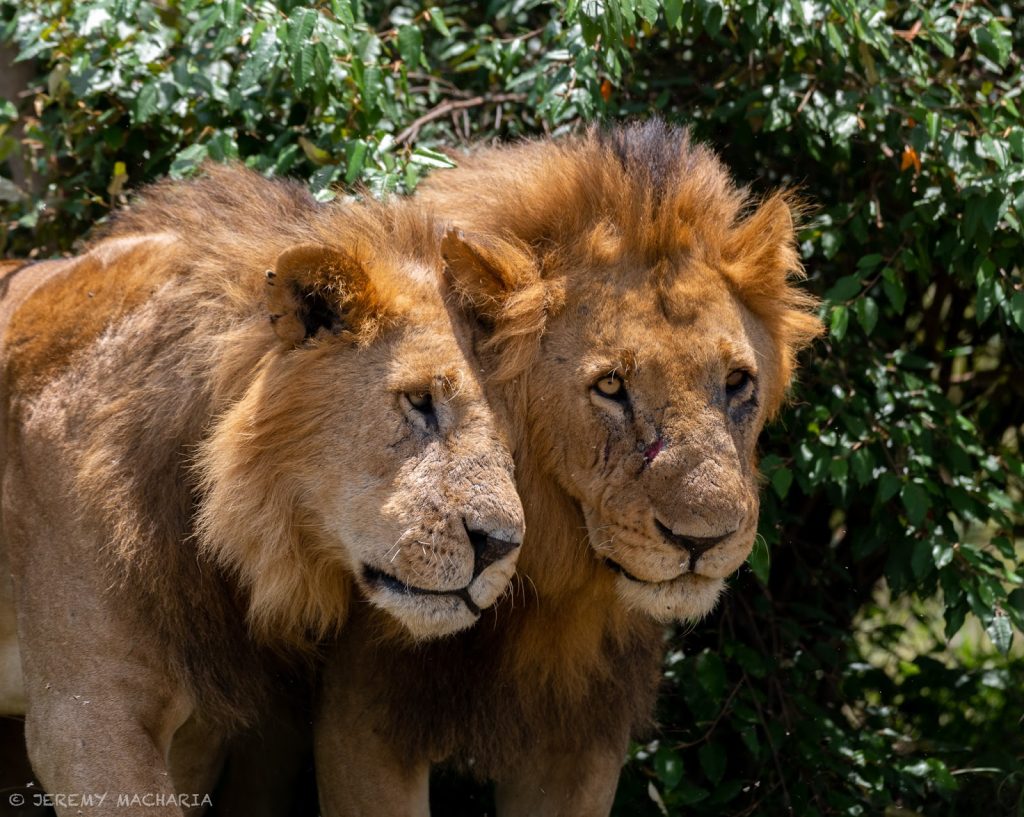
The first light comes up pink over the Olare Orok lugga. Your guide cuts the engine and the silence rushes in: a francolin calling, the creak of the canvas roof, the low cough of a lion somewhere ahead. Then you see them, two big males walking shoulder to shoulder along the ridge, manes lit gold, breath steaming in the cold air. Nobody else is here. Your guide smiles, says nothing, and lets the moment be yours.
Olare Motorogi Conservancy is a private wildlife conservancy of about 35,000 acres (roughly 14,000 hectares) on the northern edge of the Masai Mara National Reserve, leased from Maasai landowners. Formed as Olare Orok Conservancy in May 2006, it allows no more than 94 beds in five small camps, which means very few vehicles and superb big-cat viewing.
Sense of Adventure is a Nairobi-based safari company at Mountain Mall on Thika Road, licensed by Kenya’s Tourism Regulatory Authority (TRA1/47/C01/77087). We plan Mara conservancy safaris all year. This guide is about the place itself: how Olare Motorogi Conservancy began, the Maasai families and rangers behind it, the wildlife and honest sighting odds, what you can do, how to get there, what fees to expect, the rules, the best months and a sample itinerary. If you are choosing between the northern conservancies, read our comparison of Mara North vs Naboisho vs Olare Motorogi.
✅ Olare Motorogi Conservancy: The Quick Answer
- Where: the northern Masai Mara in Narok County, Kenya, bordering the national reserve, with Naboisho Conservancy as a neighbour.
- Best for: lions, cheetahs and leopards with very few vehicles, photography, honeymoons and anyone who wants a quiet, exclusive Mara.
- Best time: July to October for the migration herds; January to March for green plains, young animals and the Loita herds.
- Entry fee: a daily conservancy fee is included in or added to your camp rate. It is not published centrally, so we show it in your quote.
- How long to stay: three nights, or four if you want a full day in the reserve for river crossings.
- Getting there: about an hour by scheduled flight from Wilson Airport to Olare Orok airstrip, or five to six hours by road.
🌍 Planning a Safari to Olare Motorogi Conservancy?
The conservancy has fewer than a hundred beds in total. Tell us your dates and we will check which of the five camps still has space.
🦁 Check Big-Cat Camp AvailabilityPrefer to talk? 💬 WhatsApp Us Now or call +254 799 160 081
What Is Olare Motorogi Conservancy?
Olare Motorogi Conservancy is a not-for-profit wildlife area on land leased from Maasai families, run for wildlife, low-density tourism and the landowners who keep it open.
The conservancy’s own pages give its size as 35,000 acres; some camps quote 33,000 acres, and other sources give about 140 square kilometres, so the figure depends on what is counted. Either way, it is a compact area, with open grassland, rolling hills, acacia and croton thickets, and the wooded luggas of the Olare Orok river, where leopards rest by day.
It sits on the northern boundary of the Masai Mara National Reserve. Wildlife moves freely between the reserve, this conservancy and its neighbours, so the animals you see are wild and part of the wider Mara ecosystem. There are no fences.
Why Olare Motorogi Conservancy feels so exclusive
The conservancy caps tourism at a maximum of 94 beds in five light-footprint camps, and says this works out at about one game-viewing vehicle for every 2,100 acres. No camp is larger than 24 beds. Compare that with the busy central reserve in August and you understand the appeal. For the full picture, read our guide to the Masai Mara reserve vs the conservancies.
The History of Olare Motorogi Conservancy
Olare Motorogi Conservancy began in May 2006, when the Olare Orok Conservancy was formed through a lease agreement with 277 Maasai landowners, and later grew to include the Motorogi lands.
Before 2006, the land was grazed by many homesteads and was under pressure from fencing and subdivision, a pattern seen right across the Mara as communal group ranches were split into private plots. If individual plots had been fenced, the wildlife corridors north of the reserve would have closed.
From Olare Orok to Olare Motorogi
Safari operators and landowners agreed a simple deal: the families lease their land for wildlife, and the camps pay for it. When the neighbouring Motorogi land joined, the name became Olare Motorogi Conservancy. The conservancy says landowners moved over time from a payment per bed night to a monthly rental from the safari camps, which gives families a steadier income.
Today the conservancy is managed by Olpurkel Ltd, a not-for-profit company whose shareholders are the tourism operators. It is controlled by a board with equal representation from landowners and tourism partners, along with representatives from The Maa Trust.
The People of Olare Motorogi Conservancy
The story of Olare Motorogi Conservancy is a Maasai story: families who chose to keep their land open for wildlife, and the rangers, guides and camp teams who look after it.
The Maasai have grazed cattle across these plains for generations, sharing them with lions, elephants and wildebeest. The conservancy model turns that coexistence into an income. Your conservancy fee helps pay the landowners’ lease, and the camps employ local staff, from guides and spotters to cooks and housekeepers.
The Maa Trust and community projects
According to the conservancy, partner camps donate USD 5 per guest per night to The Maa Trust, a local charity. The Trust’s work includes schools, honey production, conservation education, beadwork, water and sanitation, health clinics and bursary programmes. It is a direct, visible link between your stay and the families around you.
Rangers, guides and the Koiyaki Guiding School
Conservancy rangers patrol on foot and by vehicle, deal with snaring and human-wildlife conflict, and enforce the code of conduct. Many guides are Maasai from the surrounding area, and the Koiyaki Guiding School was set up in the Mara to train local school leavers as professional guides. When your guide reads a track in the dust, that skill is years of learning.
Expert tip from our Nairobi team: ask your camp whether you can visit a Maa Trust project or buy beadwork made by women in the community. It is the most personal way to see where your money goes, and the conversations stay with you long after the game drives fade.
Wildlife in Olare Motorogi Conservancy: What You Will See
Olare Motorogi Conservancy is best known for big cats: the conservancy describes a meeting point of several lion pride territories, plus excellent cheetah and leopard viewing.
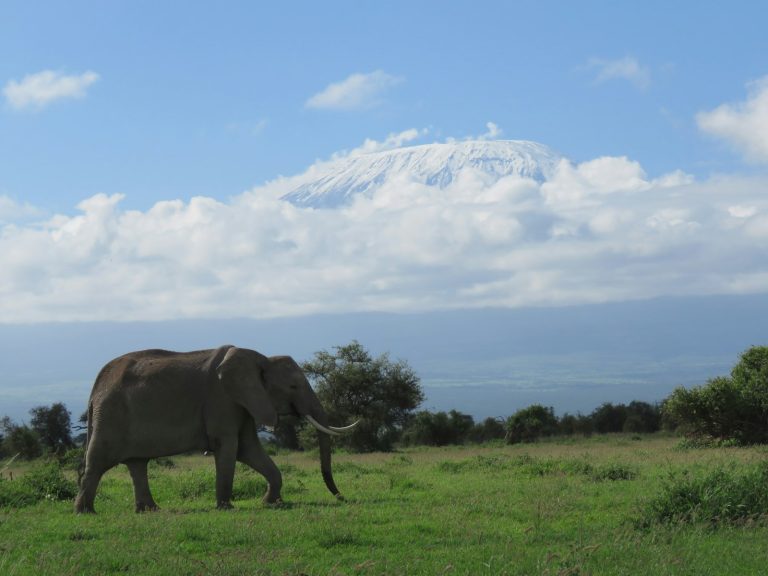
The open grassland suits cheetahs, the luggas suit leopards and the prides patrol the whole area. Elephants, buffalo, Masai giraffe, zebra, topi, eland, impala, Thomson’s gazelle, warthog and spotted hyena are part of daily life. The Mara is also a superb birding area, with raptors, bustards, secretary birds and many seasonal migrants.
The Great Migration and the Loita herds
In the dry season, usually from about July to October, migration herds from the Serengeti spread into the Mara, and many graze in the northern conservancies. Separately, the smaller Loita wildebeest population moves through the area. The conservancy says it helped research partners collar 18 wildebeest from the Loita herds to understand their movements.
Your honest sighting odds in Olare Motorogi Conservancy
| Species | Chance on a 3-night stay | Notes |
|---|---|---|
| Lion | Very high | Several pride territories meet here; males often seen on dawn drives. |
| Cheetah | Good | Open plains suit them; the Mara Cheetah Project works in the area. |
| Leopard | Fair to good | Luggas and thickets give cover; patience and a good guide help. |
| Elephant | High | Families move between the conservancy and the reserve. |
| Spotted hyena | Very high | Dens and night activity are common. |
| Wildebeest migration | Seasonal | Usually July to October, varying with the rains. |
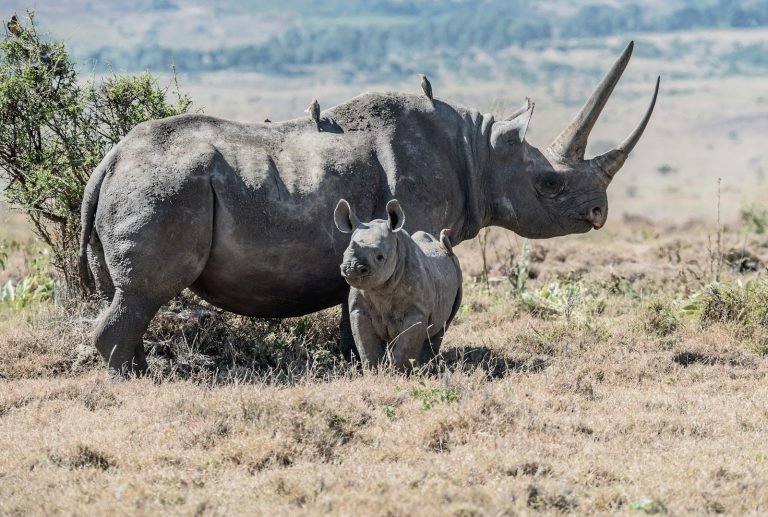
| Black rhino | Very low | Rhinos are rarely seen outside parts of the reserve. |
| Wild dog | Very low | Occasional visitors only; never count on them. |
Conservation and Research in the Northern Mara
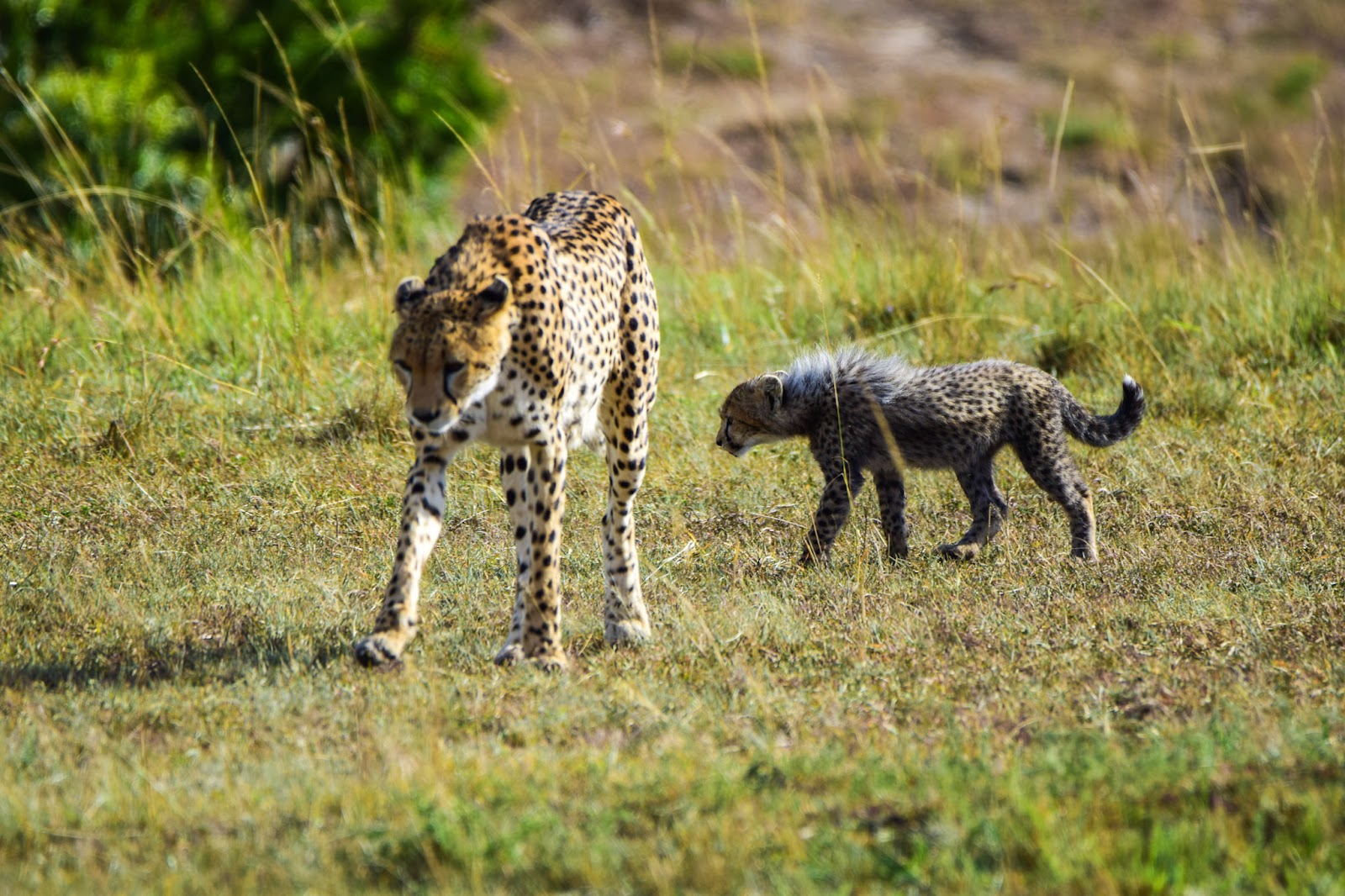
Olare Motorogi Conservancy is home to one of the Mara’s most important research bases, the Tony Lapham Mara Predator Hub, launched in November 2013 and run by the Kenya Wildlife Trust.
The Hub supports long-term projects including the Mara Cheetah Project and the Mara Lion Project, which monitor individual cats, their territories and the threats they face. The conservancy has also assisted Living with Lions and Colorado State University with research. That science shapes decisions on grazing, tourism and conflict across the Mara.
Why low numbers matter
Big cats are sensitive to disturbance. A cheetah mobbed by vehicles may abandon a hunt, and that can mean hungry cubs. By capping beds and vehicles, the conservancy gives cats space to hunt and raise young, and gives you a better, calmer sighting. Your stay is part of the solution, not part of the pressure.
Things to Do in Olare Motorogi Conservancy
In Olare Motorogi Conservancy you can combine unhurried game drives with guided walks, bush meals and, depending on your camp, balloon flights and other activities the reserve does not allow.
Game drives with few vehicles
Morning and afternoon drives are the heart of every day. Guides can stay with a sighting as long as it unfolds, and you will often have a lion or a cheetah to yourself. Many camps offer private vehicles for families and photographers, which we recommend if you are serious about photography.
Guided walks with Maasai guides
Walking is not allowed in the national reserve, but it is one of the joys of a conservancy. On foot with an armed ranger or trained guide, you learn tracks, dung, plants and birds, and you feel the scale of the land in a way no vehicle can give you.
Night drives, balloons and bush meals
Some member camps offer night drives with red-filtered spotlights, your chance to see hyenas, genets and other nocturnal life; read our guide to night drives on safari. Camps also arrange balloon flights over the Mara, sundowners on the hills and bush breakfasts. We confirm exactly what your chosen camp includes before you book.
🚶 Walks, Night Drives or a Balloon at Dawn?
Each of the five camps offers a slightly different mix. Tell us what matters most and we will match you with the right one.
🧭 Match Me to ActivitiesGetting to Olare Motorogi Conservancy
Most guests fly to Olare Motorogi Conservancy in about an hour from Nairobi’s Wilson Airport; by road it takes roughly five to six hours.
By air
The conservancy has its own bush airstrip, Olare Orok airstrip, at about 1,728 metres. Safarilink and Airkenya fly scheduled services from Wilson Airport in roughly an hour, with links from Samburu, Nanyuki, Naivasha and Mombasa depending on routing, and private charters can fly from anywhere. Light aircraft have strict luggage limits; see our safari luggage weight limits guide.
By road
The road runs from Nairobi down the Rift Valley escarpment to Narok, then on rural roads into the Mara. Allow five to six hours, longer after rain. Driving suits families and longer trips that also visit Lake Naivasha or Lake Nakuru. Our Nairobi to Masai Mara distance guide compares both options.
| Route | Typical time | Notes |
|---|---|---|
| Wilson Airport to Olare Orok airstrip | About 1 hour | Safarilink and Airkenya; camp meets you on arrival |
| Nairobi to Narok by road | About 2 to 2.5 hours | Tarmac; fuel and food stops |
| Nairobi to the conservancy by road | About 5 to 6 hours | Final stretch on rural roads, slow after rain |
| Samburu, Nanyuki or the coast by air | Depends on routing | Seasonal scheduled connections or charter |
Olare Motorogi Conservancy Fees and What You Pay
Olare Motorogi Conservancy fees are charged per guest per night through your camp and support the landowner lease, rangers and management.
The conservancy does not publish a central visitor fee schedule, and camps either include the fee in their rate or list it separately. Rates can change each year, so we show the exact conservancy fee as a line in your written quote. If you enter the national reserve for a day, you pay the reserve fee for that day; see our Masai Mara National Reserve guide, Kenya national parks entrance fees 2026 and conservancy fees in Kenya.
| Cost item | Who charges it | What to expect |
|---|---|---|
| Conservancy fee | Your camp, for the conservancy | Per guest per night; included in or added to the camp rate |
| Maa Trust donation | Partner camps | USD 5 per guest per night, according to the conservancy |
| Camp rate | The camp | Usually full board with activities; check drinks and extras |
| Reserve day trip (optional) | Narok County | Daily reserve entry for each day you enter |
| Balloon flight (optional) | Balloon operator | Extra cost, book early in peak season |
Expert tip from our Nairobi team: compare camps on the total of camp rate plus conservancy fee, flights and any reserve days, not the headline rate alone. A camp that looks cheaper on paper can end up costing the same once every line is added.
Olare Motorogi Conservancy Rules and Safety
Olare Motorogi Conservancy has a strict code of conduct for camps, guides and guests, designed to protect wildlife and keep sightings calm.
- Stay with your guide: only leave the vehicle at designated sites or on a guided walk.
- Respect the animals: keep your voice low, never call or feed wildlife, and accept when a guide pulls back.
- Off-road driving: conservancy vehicles may leave the track for certain sightings under the code of conduct; the reserve does not allow this.
- No drones: do not fly a drone without written permission from the conservancy and the relevant authorities.
- Respect people: ask before photographing anyone, and dress modestly on community visits.
- Health and safety: take malaria advice from your doctor, drink bottled or filtered water and consider evacuation cover.
Check the UK Foreign Office travel advice for Kenya before you travel, and read about emergency evacuation cover for remote safaris.
Best Time to Visit Olare Motorogi Conservancy
The best time to visit Olare Motorogi Conservancy is July to October for the migration herds, or January to March for green plains, newborn animals and fewer visitors.
Resident cats mean there is no bad month. The long rains in April and May turn the land lush and some camps close or offer lower rates. Short rains usually come in November and early December. For the wider picture, see Kenya weather by month.
| Month | Weather | What to expect |
|---|---|---|
| January to February | Warm, mostly dry | Excellent cats, young animals, Loita herds around |
| March | Warm, first showers | Green and quiet, good value |
| April to May | Long rains | Lush; some camps close, lowest rates |
| June | Cool, drying | Strong game before the peak season |
| July to August | Cool, dry | Migration herds arrive; highest demand |
| September to October | Dry, warming | Herds and predator action; peak season |
| November | Short rains | Herds moving south; green again |
| December | Showers, warm | Resident game; festive demand |
📅 Get a Free, No-Obligation Safari Quote
With fewer than a hundred beds in the whole conservancy, the best camps book early for July to October and the festive season. Send us your dates for a written quote with every fee shown.
✉ Send Us Your Dates on WhatsAppHow Many Days Do You Need?
Plan three nights in Olare Motorogi Conservancy, or four if you also want a full day in the reserve for the Mara River crossings.
Three nights gives you two full days, several drives, a walk and time to simply sit with a pride. In migration season, a fourth night lets you add a reserve day without losing conservancy time. Our guide to how many days you need on a Kenya safari helps you plan the whole trip.
Where to Stay in Olare Motorogi Conservancy
The Olare Motorogi camps number just five, all small and tented, and only their guests can drive in Olare Motorogi Conservancy.
The member camps are Porini Lion Camp, Kicheche Bush Camp, Mara Plains Camp, Olare Mara Kempinski and Mahali Mzuri. Porini Lion and Kicheche Bush are the founding camps. They range from classic bush camps to some of the most luxurious tents in Kenya. We compare all five in detail in our guide to Olare Motorogi Conservancy camps, and you will find more conservancy stays in community conservancy lodges in Kenya.
🛖 Which of the Five Camps Suits You?
Classic bush camp, family-friendly tents or a honeymoon suite? Tell us your style and budget and we will give you two honest options.
🏕 Help Me Choose a CampWhat to Pack for a Mara Conservancy Safari
Pack warm layers for cold mornings and night drives, neutral clothes and sturdy shoes for walks, all in a soft bag.
- A warm fleece or down jacket for dawn and evening drives.
- Khaki, olive or sand-coloured clothes; avoid bright white and dark blue.
- Closed walking shoes and long trousers for guided walks.
- A hat, sunglasses, sunscreen and insect repellent.
- Binoculars, a camera with a zoom lens and spare batteries.
- A soft duffel bag within the light-aircraft limit.
See our full what to pack for an African safari list.
Combining Olare Motorogi Conservancy With Other Areas
Olare Motorogi Conservancy pairs well with a river stay in the reserve, a neighbouring conservancy, or a flight north to Laikipia.
- The Mara Triangle: two nights by the river for crossings. See our Mara Triangle guide.
- Mara North: leopard gorges and riding safaris; read our Mara North Conservancy guide.
- Ol Kinyei, Lemek and Enonkishu: see our Ol Kinyei Conservancy guide.
- Laikipia: fly north for rhinos at Ol Pejeta or community walking at Il Ngwesi Conservancy.
Sample 3-Day Olare Motorogi Conservancy Itinerary
This three-day plan shows how a short stay in Olare Motorogi Conservancy flows, mixing drives, a walk and time with the community.
- Day 1, Nairobi to the conservancy: morning flight from Wilson to Olare Orok airstrip, lunch in camp, then an afternoon drive along the luggas and sundowners on a hill.
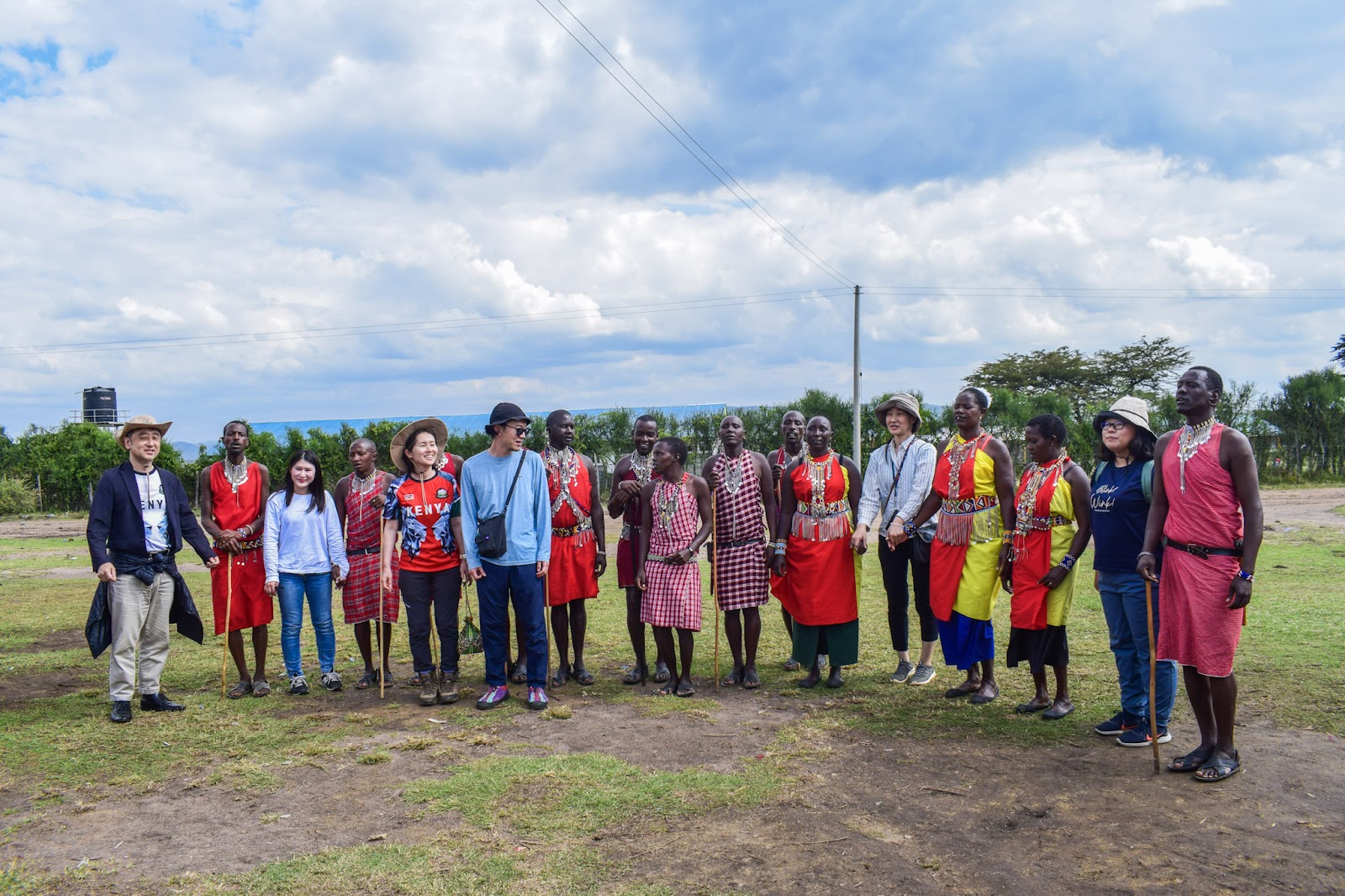
- Day 2, cats and culture: a dawn drive for lions and cheetahs, brunch in camp, a guided walk or a visit to a Maa Trust project, then a slow evening drive.
- Day 3, balloon or river: an optional balloon flight or a last drive, or in migration season a full reserve day for the Mara River, then fly on to Nairobi, Laikipia or the coast.
Prefer a ready-made trip? Our Celebration Safari in a Masai Mara Conservancy (5 days), Fly-in Masai Mara Luxury Safari (4 days) and Big Cats Photographic Safari (6 days) can be tailored to this conservancy. Message us for a quote, browse our Masai Mara safari packages, or ask for a luxury Kenya safari or private Kenya safari.
Olare Motorogi Conservancy FAQs
Where is Olare Motorogi Conservancy?
Olare Motorogi Conservancy lies on the northern boundary of the Masai Mara National Reserve in Narok County, Kenya, beside Naboisho Conservancy. Most guests fly about an hour from Nairobi’s Wilson Airport to Olare Orok airstrip, or drive in roughly five to six hours via Narok.
How big is Olare Motorogi Conservancy?
The conservancy gives its size as about 35,000 acres, roughly 14,000 hectares, though some camps quote 33,000 acres. It began as Olare Orok Conservancy in May 2006 with 277 Maasai landowners and later grew to include the neighbouring Motorogi lands.
How many camps are in Olare Motorogi Conservancy?
There are five camps: Porini Lion Camp, Kicheche Bush Camp, Mara Plains Camp, Olare Mara Kempinski and Mahali Mzuri. The conservancy caps beds at 94 in total, no camp has more than 24 beds, and only their guests can game drive inside it.
What is the Olare Motorogi Conservancy fee?
The conservancy does not publish a central visitor fee. A daily fee per guest is collected by your camp, either included in the rate or listed separately, and partner camps also donate USD 5 per guest per night to The Maa Trust. We show the exact amount in your quote.
Can you walk in Olare Motorogi Conservancy?
Yes. Guided walks with trained Maasai guides or rangers are offered by the camps, usually in the cool early morning or late afternoon. Walking is not allowed inside the national reserve, so it is one of the main reasons to stay in a conservancy. Age limits may apply.
Is Olare Motorogi Conservancy good for the Great Migration?
Yes. Migration herds usually spread into the northern Mara from about July to October, and the separate Loita wildebeest herds pass through at other times. The main river crossings are in the reserve, so in peak season many guests add a full reserve day.
Is Olare Motorogi Conservancy better than the Masai Mara reserve?
It is different rather than better. The conservancy offers far fewer vehicles, walks and more flexible viewing, while the reserve has the Mara River crossing points and wider plains. Many travellers combine both: conservancy nights for privacy and a reserve day for the river.
When is the best time to visit Olare Motorogi Conservancy?
July to October brings the migration herds and the busiest season. January to March is green, quieter and good value, with young animals. Resident lions, cheetahs and leopards mean game viewing is strong in every month, though April and May are wet.
🏕 Plan Your Olare Motorogi Conservancy Safari With Sense of Adventure
Kenya-based experts. Real local knowledge. Transparent pricing.
We plan Mara conservancy safaris all year from our Nairobi office. Tell us your dates and wish list, and we will build your stay around the right camp, the right season and, if you wish, a day at the river.
💬 Plan My Olare Motorogi Safari✉ Email Our Mara TeamCall or WhatsApp: +254 799 160 081 · Email: info@senseofadventure.co.ke
💬 WhatsApp Us — Start Planning Today
Related Safari Guides
- › Olare Motorogi Conservancy Camps
- › Mara North vs Naboisho vs Olare Motorogi
- › Masai Mara Reserve vs Conservancies
- › Mara North Conservancy Guide
- › Conservancy Fees in Kenya
Official travel & park resource: Kenya Wildlife Service ↗ · Conservancy: Olare Motorogi Conservancy ↗ · Tourism: Magical Kenya ↗