Best game reserves in Africa lists almost always start with the Masai Mara and the Serengeti, which share the Great Migration, followed by Ngorongoro Crater, Botswana’s Okavango Delta, the Kruger area of South Africa and Zambia’s South Luangwa. Each wins for a different reason, so the right reserve for you depends on what you most want to see.
Sense of Adventure is a TRA-licensed private safari company based at Mountain Mall on Thika Road, Nairobi. Kenya is our home ground, and we plan private safaris for travellers and travel agents’ clients across Kenya and into northern Tanzania. This guide ranks the best game reserves in Africa honestly, including the ones we do not sell, so you can see where East Africa leads and where other regions do better.
✅ Best Game Reserves in Africa: Quick Answer
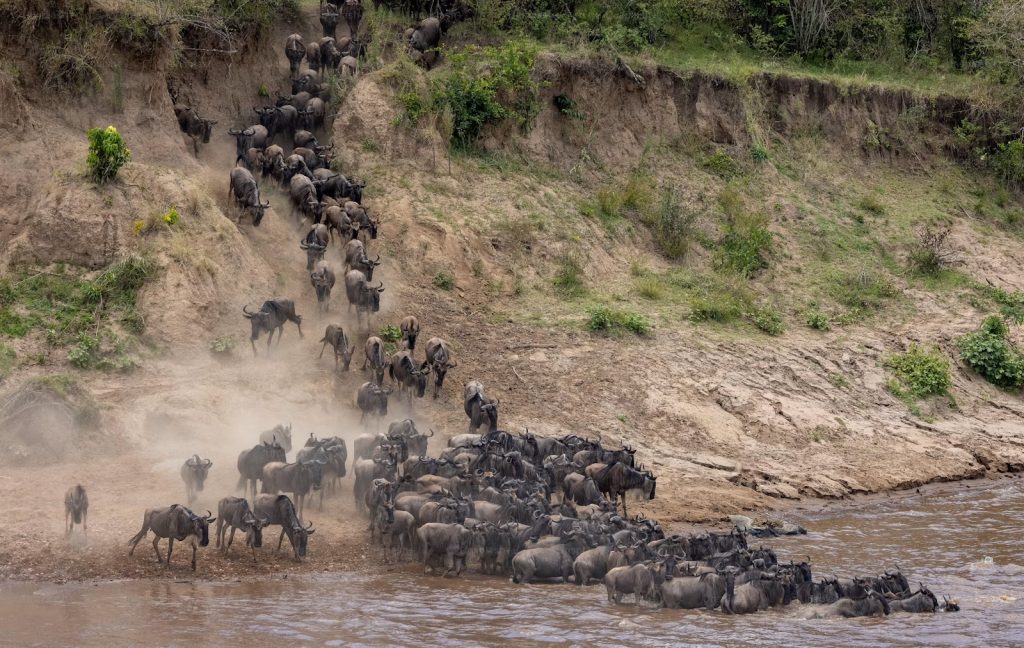
- ✅ Masai Mara and Serengeti: one ecosystem and the Great Migration, with Mara River crossings usually from about July to October.
- ✅ Ngorongoro Crater: the largest unbroken caldera in the world, with one of Africa’s highest densities of large predators.
- ✅ Okavango Delta: water safaris by mokoro canoe and boat, best from June to October.
- ✅ Kruger and Sabi Sand: close leopard sightings, easy access and self-drive options.
- ✅ South Luangwa: one of the homes of the walking safari.
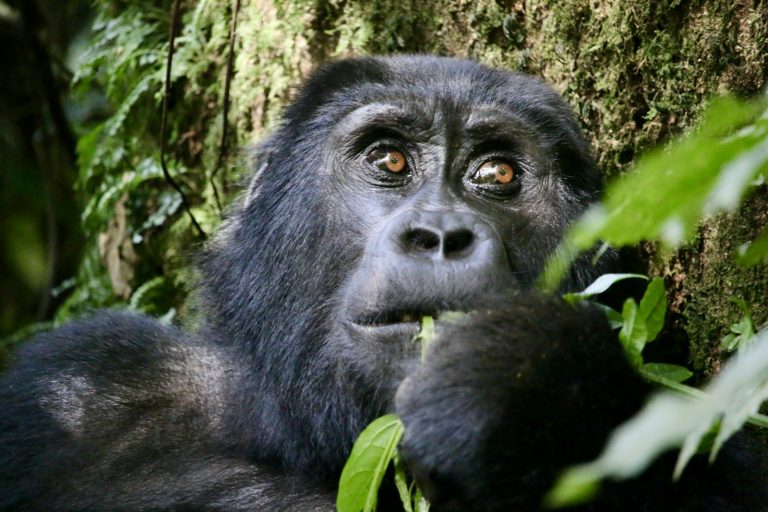
- ✅ Bwindi and Volcanoes: the only places for mountain gorilla trekking, with a minimum age of 15.
Not sure which reserve fits your trip?
Send us your dates and the three animals you most want to see, and we will tell you honestly which reserves suit you.
Best Game Reserves in Africa: The Short Answer
There is no single winner, because the best game reserves in Africa each excel at something different: migration, density, water, walking or primates.
If you want the classic savannah safari with big cats and huge herds, East Africa leads. The Masai Mara and the Serengeti form one ecosystem and host the largest land migration on Earth. If you want water-based safaris by canoe, Botswana’s Okavango Delta has no equal. If you want malaria-free options or a family safari with easy flights from Europe, parts of South Africa are hard to beat. And if mountain gorillas top your list, only Uganda, Rwanda and the Democratic Republic of Congo offer them.
| Reserve | Country | Best for | Peak months |
|---|---|---|---|
| Masai Mara and conservancies | Kenya | Big cats, migration river crossings | July to October |
| Serengeti National Park | Tanzania | Migration year-round, vast plains | Varies by region |
| Ngorongoro Crater | Tanzania | Dense wildlife in a volcanic caldera | June to October |
| Okavango Delta | Botswana | Water safaris, wild dogs, elephants | June to October |
| Kruger and private reserves | South Africa | Leopards, families, easy access | May to September |
| South Luangwa | Zambia | Walking safaris, leopards | June to October |
| Amboseli | Kenya | Elephants with Kilimanjaro views | June to October, January to February |
| Bwindi and Volcanoes | Uganda and Rwanda | Mountain gorilla trekking | June to September, December to February |

How We Ranked the Best Game Reserves in Africa
We ranked each reserve on wildlife quality, variety of experiences, how well it is protected and how easily a first-time visitor can enjoy it.
What Makes the Best Game Reserves in Africa
Big game numbers matter, but so does the quality of guiding, the choice of camps and the chance to get away from other vehicles. A reserve with superb wildlife but poor access ranks lower for most travellers than one that combines both. We also looked at protection status, giving weight to UNESCO World Heritage listing and active management by a recognised park authority.
Why Our Ranking Is Honest
We are a Kenyan company, so you might expect us to put Kenya first on every line. We do not. Botswana, Zambia and South Africa each do some things better than Kenya, and we say so below. Our job is to help you pick the best game reserves in Africa for your trip, and that only works if the comparison is fair.
East Africa: The Best Game Reserves in Africa for Classic Safari
East Africa holds four of the best game reserves in Africa for open-plains wildlife, and it is the only region with the Great Migration.
1. Masai Mara National Reserve, Kenya
The Masai Mara is the northern part of the Mara-Serengeti ecosystem. It is famous for lions, cheetahs and leopards, and for the Mara River crossings, usually from around July to October. Around the reserve, private conservancies such as Naboisho and Olare Motorogi limit vehicle numbers and allow walks and night drives. Our Masai Mara National Reserve guide explains the sectors, and Naboisho Conservancy camps shows the quieter side.
2. Serengeti National Park, Tanzania
The Serengeti covers about 1.5 million hectares of savannah and was inscribed as a UNESCO World Heritage Site in 1981. The migration is somewhere in the Serengeti for most of the year, calving in the south early in the year before moving north. It is larger and more remote than the Mara, so distances between sightings can be long.
3. Ngorongoro Crater, Tanzania
The crater sits inside the Ngorongoro Conservation Area, a World Heritage Site since 1979. UNESCO describes it as the largest unbroken caldera in the world, with one of the highest densities of large predators in Africa. A day on the crater floor can be extraordinary, though vehicle numbers are high in peak months.
4. Amboseli National Park, Kenya
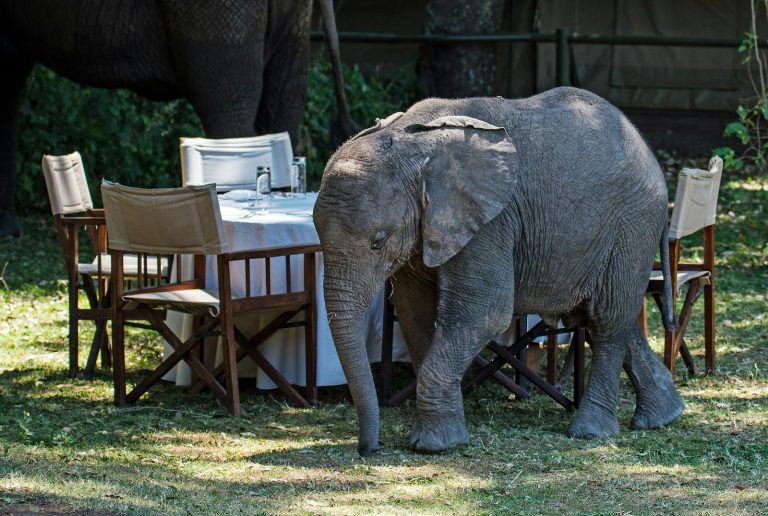
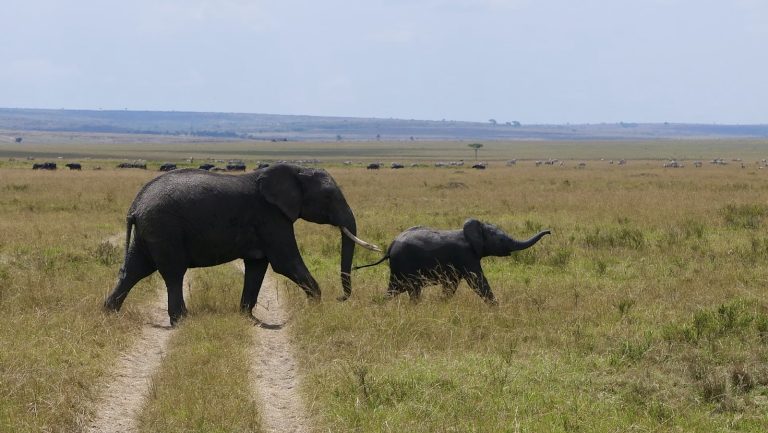
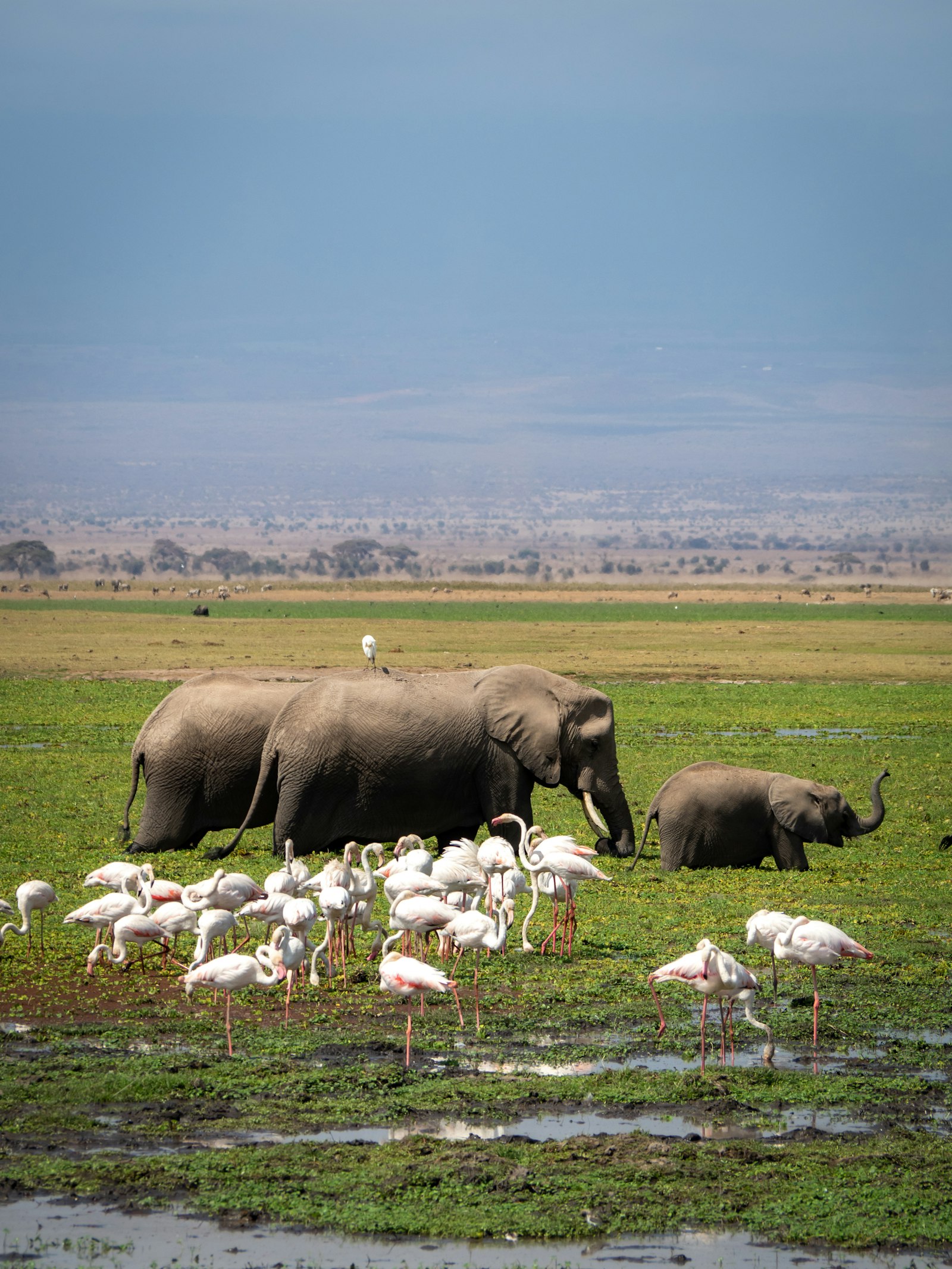
Amboseli earns its place among the best game reserves in Africa as a compact Kenya Wildlife Service park known for large, relaxed elephant families with Mount Kilimanjaro behind them on clear mornings. It suits photographers and pairs well with the private conservancies nearby. See our Amboseli National Park guide for fees, gates and timing.
Southern Africa: Where Other Regions Win
Southern Africa holds several of the best game reserves in Africa, and for water safaris, walking and malaria-free options it often outperforms East Africa.
5. Okavango Delta, Botswana
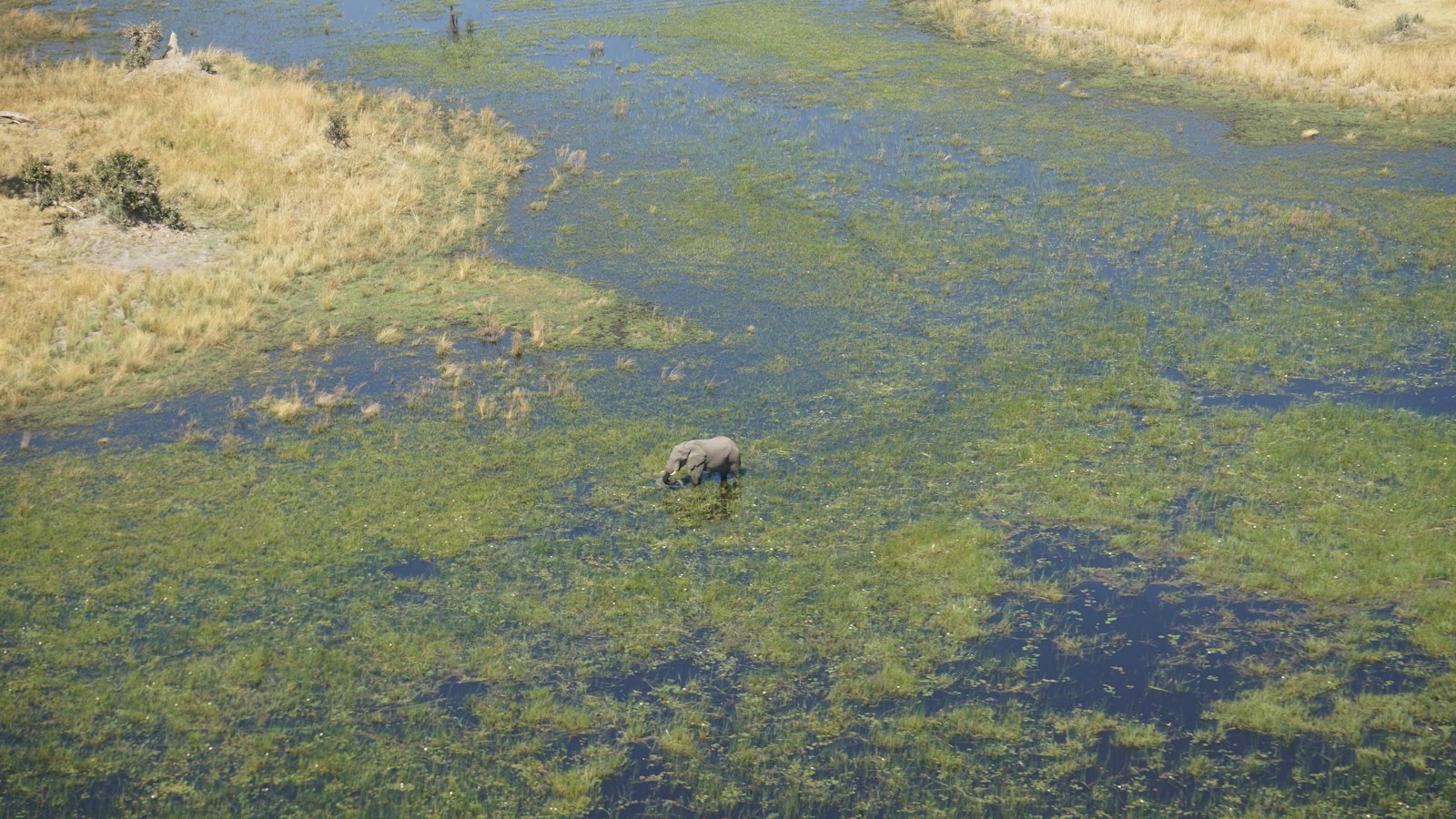
The Okavango Delta is Africa’s largest inland delta and was inscribed by UNESCO in 2014. The flood arrives in the dry season, so June to October brings high water and concentrated game. You explore by mokoro canoe, boat, on foot and by vehicle. Botswana’s low-volume, high-cost model keeps camps small, which means prices are high.
6. Kruger National Park and Its Private Reserves, South Africa
Kruger National Park, managed by South African National Parks, covers nearly 20,000 square kilometres. The private reserves on its western edge, such as Sabi Sand, are known for close leopard sightings and off-road driving. Kruger itself also suits self-drive travellers. Our Kenya vs South Africa safari comparison sets out the differences honestly.
7. South Luangwa National Park, Zambia
South Luangwa is widely seen as one of the homes of the walking safari. The Luangwa River concentrates wildlife in the dry season, and the park is known for leopards, large hippo pods and Thornicroft’s giraffe. Many camps close in the rains, so most visits fall between June and October.
Also Worth Knowing
Other strong choices include Chobe in Botswana for elephants, Mana Pools in Zimbabwe for canoeing and walking, Etosha in Namibia for waterhole viewing, and Nyerere National Park in southern Tanzania for boat safaris. Our Kenya vs Botswana safari guide covers the trade-offs in cost and wildlife.
Gorilla Parks: A Different Kind of Reserve
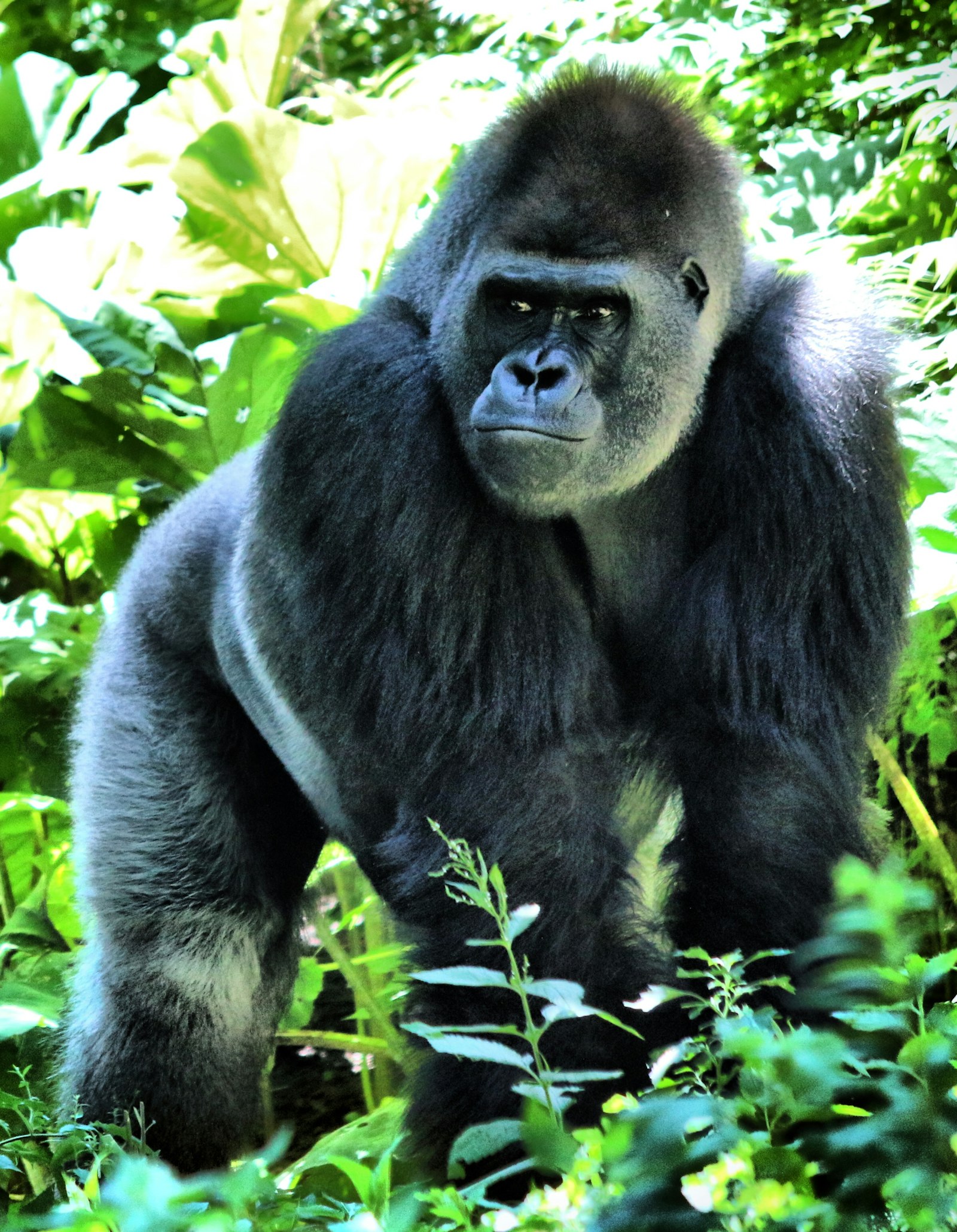
Gorilla parks are not classic game reserves, but they belong among the best game reserves in Africa for one encounter alone. Mountain gorillas live only in two areas: the Virunga volcanoes shared by Rwanda, Uganda and the Democratic Republic of Congo, and Uganda’s Bwindi Impenetrable Forest.
8. Bwindi Impenetrable National Park, Uganda
Bwindi is a UNESCO World Heritage Site protecting a large share of the world’s mountain gorillas. Recent surveys put the total population at just over 1,000. Treks are strictly limited, and the minimum age is 15. Read our honest guide on whether Uganda is safe for tourists before you book.
9. Volcanoes National Park, Rwanda
Volcanoes National Park offers gorilla trekking on the slopes of the Virunga volcanoes, with short transfers from Kigali. Permits are expensive and must be booked well ahead through official channels. A gorilla trek is not a game drive, but for many travellers it is the most moving wildlife encounter in Africa.
Where Kenya Ranks and Why
Kenya’s parks and reserves rank among the best game reserves in Africa because the country combines the Mara, several very different parks and a mature conservancy system within easy reach of Nairobi.
10. Laikipia and Kenya’s Conservancies
Laikipia, north of Mount Kenya, is our tenth pick. Conservancies such as Ol Pejeta, Lewa and Borana protect black and white rhinos and allow walks, night drives and horse riding. Ol Pejeta also cares for the last northern white rhinos. Our Laikipia vs Masai Mara comparison and Ol Pejeta vs Lewa guide explain the choice.
Tsavo, Samburu and Meru
Tsavo East and Tsavo West together form one of Kenya’s largest protected areas, with red-dusted elephants and very few vehicles. Samburu in the north has dry-country species found nowhere further south. Meru is quiet and green. Read Tsavo vs Meru and does Samburu have the Big Five? for detail.
Where Kenya Falls Short
Kenya does not offer gorillas, and its parks are not malaria-free. Some reserve sectors of the Mara can feel busy at crossing points in peak season. Staying in a conservancy, or reading is the Masai Mara crowded?, helps you avoid that.
Mara Alone, or Mara Plus the Serengeti?
We plan private routes that link the Masai Mara with the Serengeti and Ngorongoro, with the right guides and border logistics, and we will tell you plainly if one country is enough for your dates.
Best Time to Visit the Best Game Reserves in Africa
The dry season, roughly June to October across much of the continent, is peak time at most of the best game reserves in Africa, but each region has its own rhythm.
| Months | East Africa | Southern Africa |
|---|---|---|
| January to March | Dry and warm; Serengeti calving season | Rainy and green; some camps closed |
| April to May | Long rains in Kenya and Tanzania; lower rates | Rains ease; Okavango flood begins to arrive |
| June to October | Peak dry season; Mara crossings from about July | Peak dry season; best Okavango and Luangwa viewing |
| November to December | Short rains; green and quieter | Hot; first rains; baby animals |
Seasons shift every year, and the migration follows rain, not the calendar. Our best time for safari in Africa calendar covers nine countries, and is the Great Migration guaranteed? explains how to set realistic expectations.
Green Season Value
April, May and November are cheaper in Kenya, with fewer vehicles. Some roads become muddy and a few camps close, so choose your reserves carefully. See our guide to the cheapest time for a Kenya safari.
Planning a Trip to the Best Game Reserves in Africa
Plan around two or three reserves at most, give each at least three nights, and fly between them when distances are long.
Getting There
Most of the best game reserves in Africa are easiest to reach by light aircraft. Nairobi is the natural gateway for the Mara, Amboseli and Laikipia, with daily light-aircraft flights from Wilson Airport. Arusha and Kilimanjaro serve northern Tanzania. Johannesburg and Maun are hubs for southern Africa. Flying between regions on one trip is possible, but it adds cost and travel days.
How Many Days You Need
For Kenya alone, seven to ten days lets you see two or three areas well. A Kenya and Tanzania combination works in ten to fourteen days. Adding gorillas or Botswana usually means two weeks or more. Our Great Migration safari in Kenya and Tanzania shows how a cross-border route fits together.
What It Costs
Costs vary widely by country, season and camp style. Park and conservancy fees are a large share of the total, and they change. Our guides to Kenya national parks entrance fees for 2026 and how much an African safari costs give realistic figures, and we send a fully costed written quote for your dates.
Expert tip from our Nairobi team
Do not try to tick off all the best game reserves in Africa in one trip. Pick one headline reserve, such as the Mara in migration season, then add one contrasting area, such as Laikipia for rhinos or Amboseli for elephants. Three nights in each is the minimum we recommend. You will see more wildlife, spend less time in transit and come home rested rather than exhausted.
Travelling between July and October?
The best camps in the Mara and the Okavango book early. Send your dates and preferred reserves for a fully costed written quote.
Who Each Reserve Suits
Not all of the best game reserves in Africa suit every traveller; the right choice depends on your priorities, budget and travel party.
- First-time safari travellers: the Masai Mara and its conservancies, with Amboseli or Laikipia. See our private Kenya safari options.
- Migration seekers: the Mara from July to October, or the Serengeti for the rest of the year.
- Luxury travellers and honeymooners: Mara conservancies, Laikipia, the Okavango and the Sabi Sand. Our luxury Kenya safari packages show what is possible.
- Families: Kenya’s conservancies, which accept children and offer flexible activities, or malaria-free reserves in South Africa.
- Walkers and repeat visitors: South Luangwa, Mana Pools and Laikipia.
- Wildlife lovers with a primate focus: Bwindi or Volcanoes, combined with a savannah safari.
Before You Travel
Check your government’s travel advice for each country, for example the UK government travel advice for Kenya, before booking and again before you fly. The Kenya Wildlife Service publishes official park information, and you can confirm any Kenyan operator’s licence on the Tourism Regulatory Authority verification portal. For Tanzania, read our guide on whether Tanzania is safe for tourists.
Best Game Reserves in Africa FAQs
Which are the best game reserves in Africa?
There is no single answer. The Masai Mara and the Serengeti lead for big cats and the Great Migration, the Okavango Delta for water safaris, the Kruger area for leopards and easy access, and South Luangwa for walking. For a first safari, the Masai Mara with a private conservancy is hard to beat.
Which African country has the best safari?
Kenya and Tanzania lead for classic savannah safaris and the migration. Botswana is outstanding for exclusive, water-based safaris at a higher price. South Africa suits families and self-drive travellers, Zambia suits walkers, and Uganda and Rwanda are the places for mountain gorillas. Many travellers combine two countries on one trip.
Is the Masai Mara better than the Serengeti?
Neither is better overall. They are one ecosystem split by a border. The Mara is smaller, easier to reach from Nairobi and excellent for river crossings from about July to October. The Serengeti is far larger and holds the migration for more of the year, including the calving season early in the year.
When should you visit the best game reserves in Africa?
For most reserves, the dry season from about June to October gives the easiest game viewing, because animals gather near water and grass is short. East Africa also has a good dry spell from January to February. Green season months are quieter and cheaper, though some camps close and roads can be muddy.
Can I visit several of the best game reserves in Africa on one trip?
Yes. Kenya and northern Tanzania combine easily in ten to fourteen days, and gorilla trekking in Uganda or Rwanda can be added. Mixing East and Southern Africa is possible but adds flights and cost. We suggest two or three reserves, with at least three nights in each, for the best experience.
Which of the best game reserves in Africa are malaria-free?
Most of the classic safari reserves, including the Masai Mara, the Serengeti, the Okavango Delta and Kruger, are in malaria areas. A few reserves in South Africa, such as Madikwe and those in the Eastern Cape, are generally considered low or no risk. Always take current advice from a travel health professional before you go.
Whichever of the best game reserves in Africa you choose, respect the local park rules. In Kenya, Kenya Wildlife Service (KWS) rules ask you to stay in your vehicle except at marked points, keep to the tracks, never feed animals and give wildlife plenty of space, and conservancies apply similar codes.
Your Africa Reserve Shortlist, Planned From Nairobi
Sense of Adventure is a TRA-licensed Nairobi safari company. Tell us your dates, budget and the wildlife you care about most, and we will build a private safari around the two or three best game reserves in Africa for your trip.
Prefer email? Write to reservations@senseofadventure.co.ke