

Amboseli-Kilimanjaro elephant corridor is a story most safari itineraries never mention, even though it is happening in front of every guest who photographs an Amboseli elephant against that famous mountain backdrop. The elephants moving between the two landscapes are not wandering randomly; they are using a specific, mapped route between Amboseli National Park and the montane forests of Kilimanjaro across the Tanzanian border, part of a 120,000 square kilometre shared ecosystem spanning four national parks. Local communities leased over 26,000 acres specifically to keep that route open. More than 1,600 individually identified elephants use it, tracked continuously since 1972 in the longest-running elephant study on Earth. Sense of Adventure builds Amboseli itineraries around this exact conservation success.
See the Corridor Elephants for Yourself
Message us to plan an Amboseli safari built around this ongoing conservation story.
Why This Corridor Matters More Than the Postcard View
Elephants photographed against Kilimanjaro are not staying put in Amboseli year-round; many move seasonally between the park and the mountain forests across the border, following water and forage the same way their ancestors always did, before fences and farms began closing off that historic route. The Amboseli Elephant Research Project, founded by Dr Cynthia Moss in 1972, has tracked individual elephants and their families continuously for over 50 years, making it the longest-running study of any elephant population anywhere. Community land leases secured in 2013 and 2017 specifically protect a movement corridor now covering roughly 26,000 acres, a direct response to farms and roads increasingly cutting across the historic route.
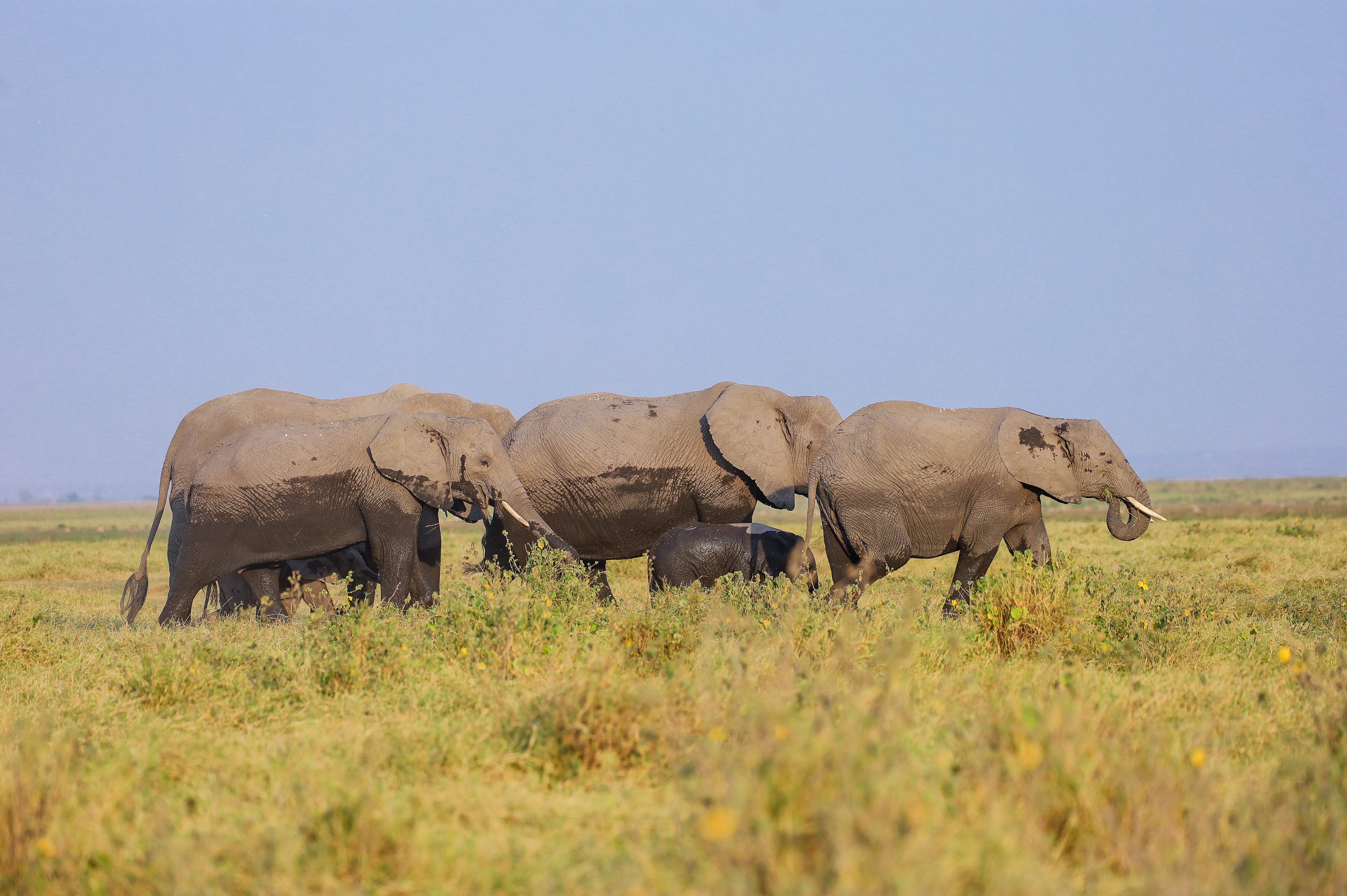
Our guide pointed out a specific family group and told us researchers had been following that exact bloodline since the 1970s, decades before any of us were even born. Watching them move toward Kilimanjaro that evening felt completely different once I understood it was part of a documented route, not just a pretty photo opportunity.
— Sense of Adventure guest, Amboseli Elephant Photographic Safari
5 Facts About the Amboseli-Kilimanjaro Corridor
1. It Spans a 120,000km² Shared Ecosystem
The corridor connects grasslands around Kilimanjaro across four national parks, a far larger landscape than Amboseli visitors typically realise they are part of.
2. Community Leases Secured the Route
Agreements with 1,600 local landowners in 2013, expanded in 2017, secured roughly 26,000 acres specifically to keep this ancient elephant movement path open.
3. It Underpins the World Longest Elephant Study
The Amboseli Elephant Research Project has run continuously since 1972, following the exact families that use this corridor across multiple generations.
4. Over 1,600 Elephants Are Individually Known
Researchers can identify individual elephants using this corridor by name and family history, a level of documentation almost unmatched anywhere else in Africa.
5. Human-Wildlife Conflict Remains the Real Threat
Agricultural expansion, road development and population growth continue pressuring the corridor, which is exactly why the community lease model remains critical rather than a one-time fix.
Book Your Amboseli Elephant Safari
Our Amboseli Elephant Photographic Safari puts you in front of these exact families.

Amboseli-Kilimanjaro Corridor: Quick Reference
- Ecosystem size: roughly 120,000 square kilometres across four national parks.
- Protected corridor land: approximately 26,000 acres secured via community leases.
- Elephants tracked: over 1,600 individually identified.
- Research history: continuous since 1972, the longest-running elephant study on Earth.
- Founder: Dr Cynthia Moss, whose Amboseli Elephant Research Project remains active today.
- Ongoing threat: agricultural expansion and road development pressuring the route.
Learning More About Amboseli Elephants
The corridor is one part of a much bigger elephant story. Our Amboseli Elephants guide covers the big tuskers and swamp herds you will actually encounter, going deeper than this corridor overview alone.
Witness a 50-Year Conservation Story
Message us today and we will build your Amboseli safari around this ongoing corridor.
Frequently Asked Questions
What is the Amboseli-Kilimanjaro elephant corridor?
The Amboseli-Kilimanjaro elephant corridor is a protected movement route allowing elephants to travel between Amboseli National Park and the montane forests of Kilimanjaro across the Tanzanian border, part of a 120,000 square kilometre shared ecosystem.
How many elephants use the corridor?
Over 1,600 individually identified elephants use the Amboseli ecosystem and its connecting corridor, tracked continuously since 1972 by the Amboseli Elephant Research Project, the longest-running elephant study in the world.
Why was the corridor land leased from local communities?
Land was leased from over 1,600 local landowners in 2013 and expanded in 2017 to secure roughly 26,000 acres specifically protecting the elephant movement route, in response to farms and roads increasingly blocking the historic path.
Who started the Amboseli elephant research?
Dr Cynthia Moss founded the Amboseli Elephant Research Project in 1972, and it remains active today, making it the longest continuously running study of any elephant population on Earth.
Can I see the corridor elephants on a Kenya safari?
Yes, elephants using the Amboseli-Kilimanjaro corridor are regularly visible within Amboseli National Park itself, especially set against the Mount Kilimanjaro backdrop that makes the park one of Kenya’s most photographed locations.