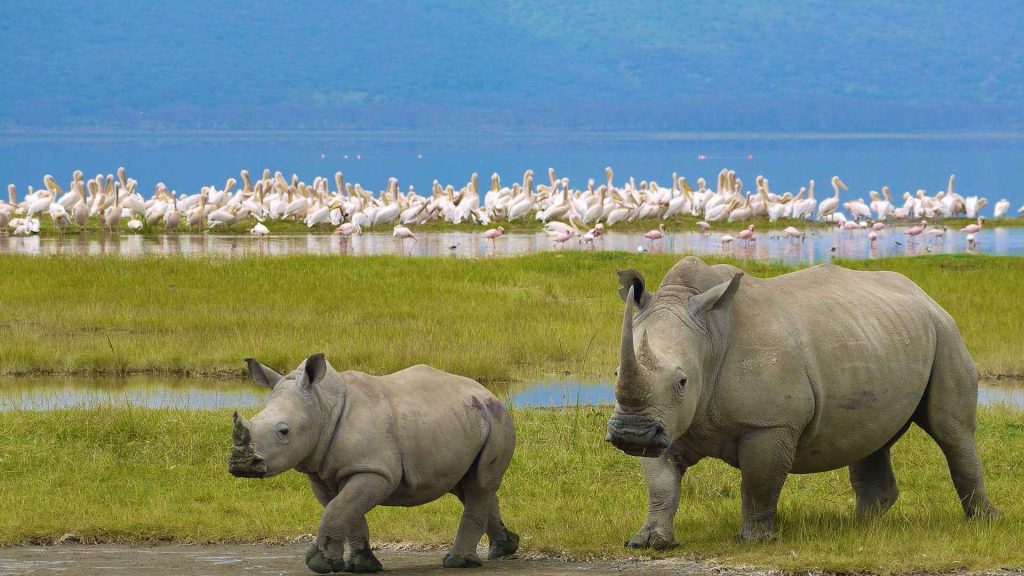
Wildlife conservation in Kenya is not an abstract cause you read about before a trip; it is something you can visit, and at Ol Pejeta you can stand a few metres from it. Kenya’s black rhinos fell to a few hundred animals by the late 1980s under heavy poaching. Since then, fenced sanctuaries and community conservancies have turned decline into one of Africa’s real recovery stories, funded largely by safari visitors. Picture a ranger explaining, in person, why the two rhinos in front of you are the last northern white rhinos on the planet. Sense of Adventure builds trips that let you see this story first-hand.
✅ Wildlife Conservation in Kenya: Quick Answer
- Where to see it: Ol Pejeta and Lewa in Laikipia, community conservancies in the north and around the Masai Mara.
- The headline story: Najin and Fatu, the last two northern white rhinos, guarded day and night at Ol Pejeta.
- The recovery: Kenya now holds Africa’s third-largest black rhino population, after South Africa and Namibia.
- Who runs what: KWS manages national parks; counties run reserves such as the Mara; conservancies are private or community land.
- How your trip helps: park and conservancy fees pay for rangers, vets and community projects.
- Easiest visit: our Ol Pejeta Day Safari from Nairobi, from USD 380.
Want to meet the rangers and see the rhinos they protect? We can build it into your trip.
Add a Conservancy VisitHow Kenya’s Conservancies Turned Decline Into Recovery
Ol Pejeta Conservancy, a former cattle ranch of about 360 km² in Laikipia, was bought in 2004 by Fauna & Flora International with support from the Arcus Foundation. It now runs the largest black rhino sanctuary in East Africa and also protects southern white rhinos, using armed ranger patrols, tracker dogs and surveillance technology.
It is also the last home of Najin and her daughter Fatu, the two remaining northern white rhinos. Both are female, so the subspecies cannot breed naturally, and they have lived under permanent guard since the last male, Sudan, died in 2018. Scientists are working on IVF in an effort to save the subspecies.
Lewa Wildlife Conservancy, roughly 250 km² below Mount Kenya, began as a rhino sanctuary and became a not-for-profit conservancy in 1995. Lewa says it holds around 12–14% of Kenya’s eastern black rhinos, and it is a stronghold for the endangered Grevy’s zebra. Lewa also helped set up the Northern Rangelands Trust, which supports community-owned conservancies across northern Kenya. Together, Ol Pejeta and Lewa show how wildlife conservation in Kenya can help pay for itself.
Where Kenya’s Conservation Story Is Happening Right Now
Ol Pejeta Conservancy — Home to the Last Northern White Rhinos — East Africa’s largest black rhino sanctuary, plus Najin and Fatu
The only place on Earth to see a northern white rhino, alongside black and southern white rhinos and the Sweetwaters Chimpanzee Sanctuary, run with the Kenya Wildlife Service and the Jane Goodall Institute since 1993. See our Ol Pejeta Conservancy guide and northern white rhinos guide.
Lewa Wildlife Conservancy — A Not-for-Profit Working With Communities — around 12–14% of Kenya’s eastern black rhinos, per Lewa
A conservancy of roughly 250 km² that protects black and white rhinos and a large population of Grevy’s zebra. It funds schools, health and water projects in neighbouring communities and helped found the Northern Rangelands Trust. See our Lewa Wildlife Conservancy guide.
Kenya Wildlife Service — The National Backbone — the government body overseeing the national parks
KWS manages Kenya’s national parks and marine parks and coordinates wildlife conservation in Kenya at national level, including anti-poaching work, working alongside private conservancies like Ol Pejeta and Lewa rather than in competition with them. National reserves such as the Masai Mara are run by county governments.
Community Conservancies — Where Tourism Revenue Reaches Local People — land run by and for local communities
Much of northern and central Kenya’s wildlife land is not government-run at all, but owned and managed by communities, many of them supported by the Northern Rangelands Trust. A stay there can help fund rangers, bursaries, healthcare and water projects as well as wildlife protection. See our community conservancy lodges guide.
Masai Mara Conservancies — Maasai Landowners as Partners — land leased for wildlife around the reserve
Around the Masai Mara National Reserve, Maasai families lease their land to conservancies, and camps pay them through nightly conservancy fees. This keeps migration routes open and gives landowners a direct reason to protect wildlife. Our conservancy fees guide explains how it works.
Sheldrick Wildlife Trust — Raising Orphaned Elephants — a nursery in Nairobi, release in Tsavo
The Sheldrick Wildlife Trust rescues orphaned elephants and rhinos, raises them at its Nairobi nursery and later returns them to the wild. See how the rescued herds settle back into the wild in our Sheldrick elephant orphans in Tsavo guide.
A Short History of Wildlife Conservation in Kenya
Modern wildlife conservation in Kenya was shaped by crisis. Poaching for ivory and rhino horn surged in the 1970s and 1980s, and both elephants and black rhinos were lost from large parts of their former range. Kenya banned sport hunting in 1977, a policy that still stands today.
In 1989 President Daniel arap Moi set fire to a huge stockpile of seized ivory, a moment that drew world attention to the trade. The Kenya Wildlife Service was created around the same time and given a stronger, armed ranger force. Surviving rhinos were moved into fenced, guarded sanctuaries, from which they could breed and later be moved to restock other parks.
From sanctuaries to community conservancies
The next step for wildlife conservation in Kenya was to look beyond government parks, because most wildlife lives on private and community land. Private ranches such as Lewa and Ol Pejeta turned to wildlife, and from the 2000s community conservancies spread across the north and around the Mara. Today, wildlife conservation in Kenya depends on all three working together: KWS, private conservancies and local communities.
Parks, Reserves and Conservancies: Who Protects What
Wildlife conservation in Kenya works through several kinds of land, and each is run and funded differently. Knowing the difference helps you see where your money goes on safari.
| Type | Run by | Examples | Your fee supports |
|---|---|---|---|
| National park | Kenya Wildlife Service | Nairobi, Amboseli, Lake Nakuru | KWS rangers and park management |
| National reserve | County government | Masai Mara (Narok County), Samburu | Reserve management and county revenue |
| Private conservancy | Not-for-profit or private owners | Ol Pejeta, Lewa | Rhino protection, vets, community work |
| Community conservancy | Local landowners | Northern Kenya, Mara conservancies | Land lease payments, local rangers, projects |
As an example of the numbers involved, entry to the Masai Mara National Reserve costs USD 100 per adult per day in the low season and USD 200 in the peak season. Conservancy fees are charged separately by camps inside each conservancy.
How Safari Tourism Funds Wildlife Conservation in Kenya
Tourism is one of the main sources of money for wildlife conservation in Kenya. Park fees support KWS rangers and park management, while conservancy fees pay for private rangers, vehicles, veterinary care and the community programmes that make conservation worthwhile for local families.
Where your conservancy fee goes
In community conservancies, part of every nightly fee is paid to the landowners who have set aside their land for wildlife. In private conservancies such as Ol Pejeta and Lewa, fees and donations fund the security, rhino monitoring and community projects behind wildlife conservation in Kenya. Our conservancy fees guide covers typical charges.
Choosing lodges that support wildlife conservation in Kenya
Look for camps that sit inside a conservancy, employ local staff and are open about where fees go. Our guides to community conservancy lodges and eco-lodges and sustainable safari camps name camps worth considering.
Ol Pejeta, Lewa or a Mara Conservancy?
Each supports wildlife conservation in Kenya in a different way, with different wildlife, prices and activities. Tell us what matters most to you, and we will explain which fits your trip.
Seeing Wildlife Conservation in Kenya First-Hand
The best ways to see wildlife conservation in Kenya go beyond a sighting. You meet rangers, learn how animals are monitored and see the people whose land makes it possible.
- Najin and Fatu: a guided visit to the northern white rhino enclosure at Ol Pejeta; the conservancy sets the visiting rules, so we check them when you book.
- Rhino tracking on foot: walk with armed rangers at Lewa, Borana or Sera Rhino Sanctuary.
- Chimpanzees: Sweetwaters Chimpanzee Sanctuary at Ol Pejeta cares for rescued chimpanzees.
- Orphan elephants: the Sheldrick nursery in Nairobi, booked in advance.
- Rhinos near the city: Nairobi National Park’s black rhinos, a half-day drive from the centre.
On a short trip from Nairobi
Our Ol Pejeta Day Safari starts from USD 380 per adult sharing and returns to Nairobi the same evening. It is a long day, but it is the quickest way to see the northern white rhinos.
On a longer safari
Our Ol Pejeta & Masai Mara Luxury Conservancy Safari (6 days) starts from USD 3,900, and the Laikipia & Masai Mara Walking Safari (7 days) from USD 4,200. For a broader first trip, the Kenya Highlights Safari (9 days) includes Ol Pejeta and starts from USD 2,350.
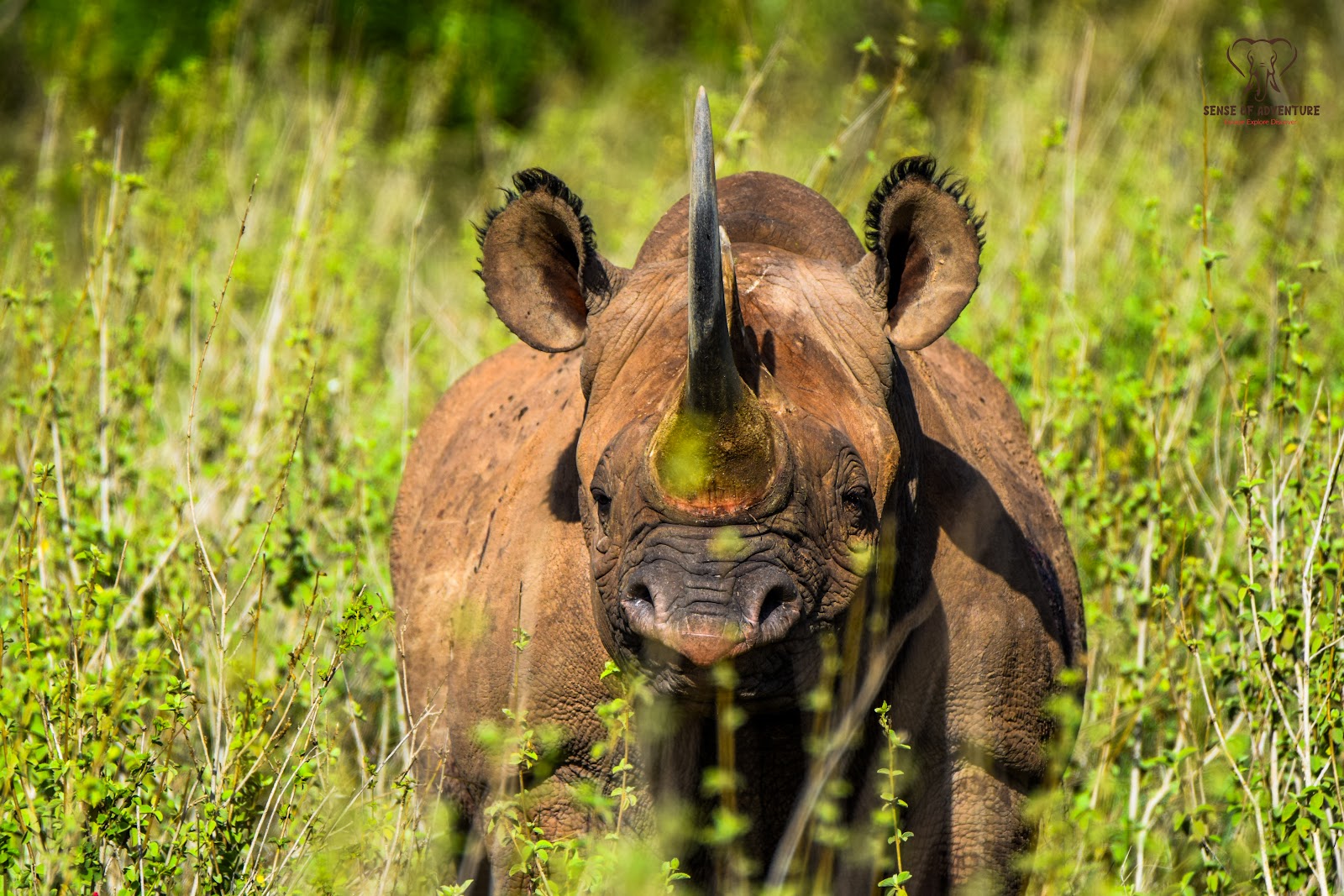
Wildlife Conservation in Kenya: Key Facts
- Ol Pejeta founding: a former cattle ranch, bought in 2004 by Fauna & Flora International with support from the Arcus Foundation.
- Northern white rhino status: functionally extinct; Najin and Fatu are the last two living individuals, both at Ol Pejeta.
- Protection: armed patrols, tracker dogs and surveillance technology, funded largely through tourism and donor support.
- Lewa’s scale: around 12–14% of Kenya’s eastern black rhinos, according to Lewa, within roughly 250 km².
- Grevy’s zebra: an endangered species, with important populations on Lewa and across northern Kenya.
- Community model: the Northern Rangelands Trust supports dozens of community conservancies across northern and coastal Kenya.
- Black rhino status: listed as Critically Endangered on the IUCN Red List.
Best Time and How to Book a Conservation Safari
Conservancies are open all year, so wildlife conservation in Kenya can be part of a trip in any month, and rhino sanctuaries give good sightings throughout. The dry seasons of June to October and January to February make tracking on foot easier and bring the Mara migration from about July to October.
The green seasons of March to May and November are quieter and often cheaper, and many camps run lower rates. Peak dates in July, August and the Christmas holidays are the busiest, so plan well ahead if you need specific camps. A month-by-month view is in our Kenya weather by month guide.
Travelling in Peak Season? Ask Early
Camps at the heart of wildlife conservation in Kenya are small, and July, August and Christmas are their busiest weeks. Send your dates and we will reply with a written quote that lists park and conservancy fees separately.
Price My Conservation SafariResponsible Travel Tips That Support Wildlife Conservation in Kenya
- Never geotag rhinos: switch off location data on photos and never share a rhino’s exact position online.
- Keep your distance: follow your guide and ranger, especially on walks.
- Pay the fees gladly: park and conservancy fees fund the people protecting wildlife.
- Buy carefully: never buy products made from wildlife, and choose local crafts from community projects.
- Get your eTA: Kenya requires an approved Electronic Travel Authorisation from the official Kenya eTA portal before you travel.
- Learn more: read about current projects on the Ol Pejeta Conservancy and Lewa Wildlife Conservancy websites.
Building a Conservation-Focused Kenya Safari
Our Ol Pejeta & Masai Mara Luxury Conservancy Safari combines conservancy time with classic Mara game viewing. Read our Ol Pejeta Conservancy guide for what a conservancy-focused visit involves day to day, and our best national parks for rhinos in Kenya guide to compare rhino destinations.
Every trip we build can include wildlife conservation in Kenya as a theme. Start with a private Kenya safari for full flexibility, choose a luxury Kenya safari in the top conservancies, or add a Mara conservancy stay to one of our Masai Mara safari packages.

See the Conservation Story, Not Just the Wildlife
Meet the rangers, see the last northern white rhinos and stay where your fees protect the land. We will build a trip centred on wildlife conservation in Kenya’s working conservancies.
Frequently Asked Questions
Where can you see conservation efforts in action in Kenya?
Ol Pejeta Conservancy and Lewa Wildlife Conservancy are the clearest places to see wildlife conservation in Kenya in action. Both run rhino protection programmes with armed rangers and explain how the work is funded. Community conservancies in northern Kenya and around the Masai Mara show how local landowners benefit too.
How many northern white rhinos are left in the world?
Only two northern white rhinos remain on Earth: Najin and her daughter Fatu, both female, living under 24-hour armed protection at Ol Pejeta Conservancy in Kenya. Because there is no living male, the subspecies is functionally extinct, and scientists are working on IVF in an attempt to save it.
What is the Northern Rangelands Trust?
The Northern Rangelands Trust is an organisation that supports community-owned conservancies across northern and coastal Kenya. Lewa helped set it up in 2004. It helps communities manage their land for wildlife and livestock, train rangers and share tourism and conservation income with local people. It is one of the most important models for wildlife conservation in Kenya today.
Does safari tourism actually help wildlife conservation in Kenya?
Yes. Park fees fund KWS rangers and management, and conservancy fees pay for private rangers, rhino monitoring, vets and community programmes. In community conservancies, landowners receive regular payments for keeping land open to wildlife, which gives them a direct reason to protect it rather than farm or fence it.
What is the difference between a national park and a conservancy in Kenya?
National parks are managed by the Kenya Wildlife Service, and national reserves such as the Masai Mara are run by county governments. Conservancies are private or community-owned land set aside for wildlife, usually with fewer vehicles and extra activities such as night drives and walks. Both play a part in wildlife conservation in Kenya.
Can you visit Najin and Fatu at Ol Pejeta?
Yes. Ol Pejeta offers guided visits to the enclosure where Najin and Fatu live under constant guard. The conservancy sets the rules and charges for these visits, so we confirm the current arrangements when we book. Our Ol Pejeta Day Safari from Nairobi starts from USD 380 per adult sharing.
How can travellers support wildlife conservation in Kenya?
Stay in conservancy camps, pay park and conservancy fees, and choose operators who explain where your money goes. Never geotag rhino photos or buy wildlife products. You can also support trusted organisations such as Ol Pejeta, Lewa or the Sheldrick Wildlife Trust directly through their official websites.