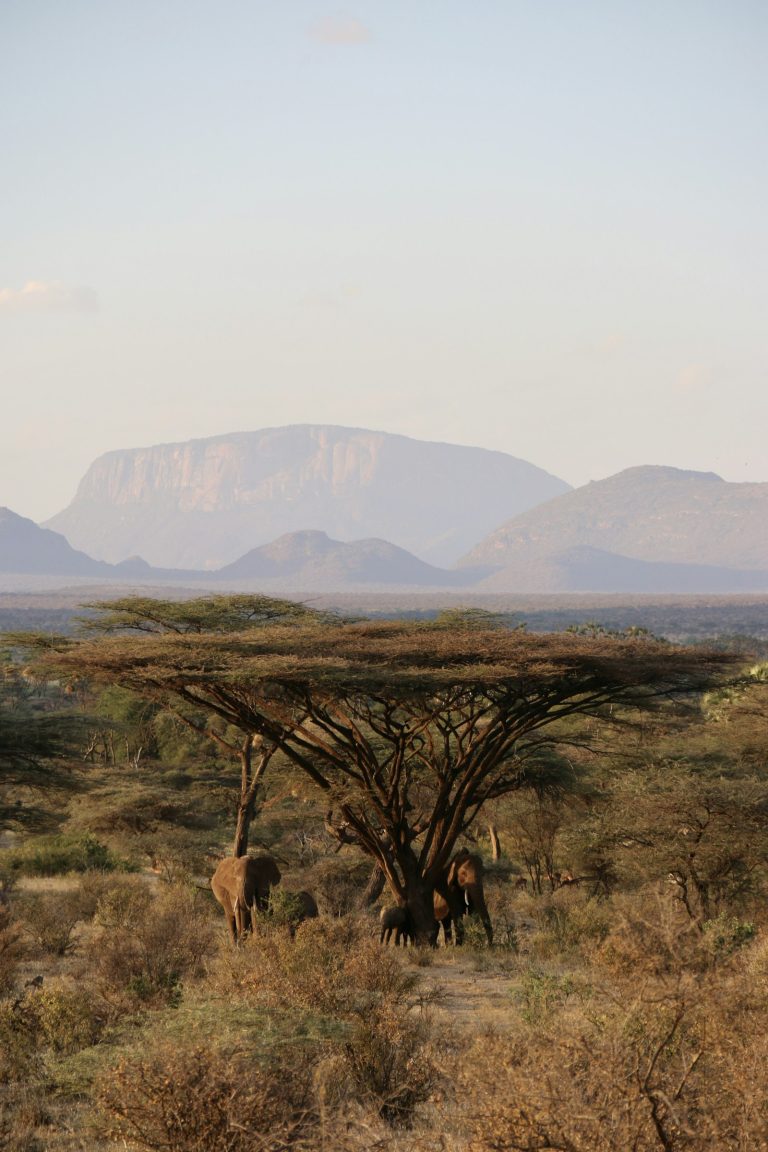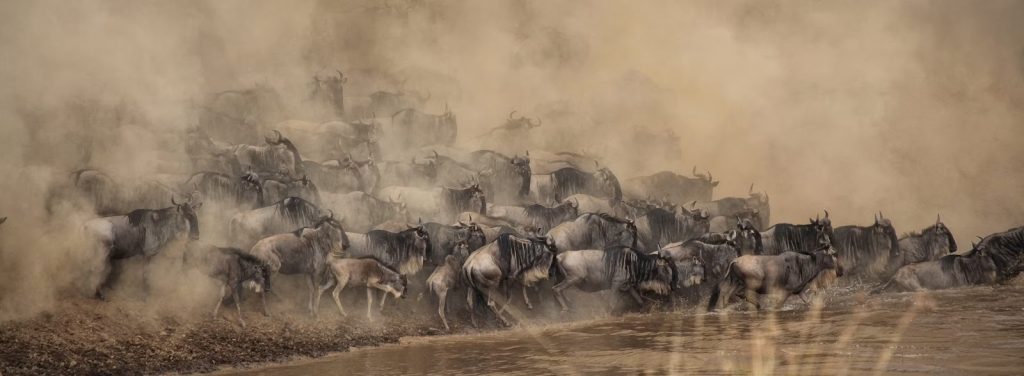
The best time to visit Tsavo is the long dry season from June to October, followed by the shorter dry spell from January to February, when red-dusted elephants and the predators that follow them gather around permanent water. The reassuring news is that this vast, two-park wilderness delivers a rewarding safari in every month of the year.
The “best” time really depends on what you want. Dry months concentrate elephant herds and predators around the Galana River and Aruba Dam in scenes that feel almost choreographed. Wetter months turn all 22,000 km² green, bring newborn animals and empty roads, at the cost of some muddy tracks and more scattered wildlife.
Sense of Adventure runs Tsavo safaris across the whole calendar, and this honest, month-by-month guide reflects what our guides actually see on the ground. It covers weather, wildlife, crowds, prices and practical tips to help you choose the best time to visit Tsavo for your trip.
✅ Best Time to Visit Tsavo Quick Answer
- Best overall: June to October, the long dry season, with elephants gathered at water.
- Quieter dry window: January and February, hot and clear with fewer vehicles.
- Green season: March to May and November, with rain, fresh colour, newborn animals and lower rates.
- Birders: November to April for migrants, including the Ngulia fallout in November and December.
- From: our 3-day Tsavo East & West Safari starts at USD 600 per person.
Match Your Dates to What You Want to See
Waterhole drama or green-season colour — tell us your priorities and we’ll recommend your ideal Tsavo month.
Tsavo’s Year, Honestly Explained
Tsavo’s climate follows Kenya’s two-rains pattern: long rains from roughly March to May, a cooler dry spell from June to October, short rains around November (sometimes into early December), and a second, hotter dry window from late December or January to February.
The two dry periods are when elephant herds and the predators tracking them concentrate most reliably around permanent water such as Aruba Dam and the Galana River. That is the classic, high-density Tsavo spectacle most photographs of the park show.
The rains scatter wildlife across a suddenly green landscape, make some murram roads slippery and hide animals in taller grass. But they also bring the softest, most dramatic light, newborn animals of many species and far fewer vehicles at every sighting.
Neither choice is wrong. A family wanting the most reliable wildlife on a short trip should lean towards the dry months, while a photographer or returning visitor chasing a quieter park has good reasons to pick the green season.
Tsavo’s size also softens the seasonal swings. With 22,000 km² of varied habitat and several permanent water sources, reasonable wildlife viewing is realistic in any month, which is not something every Kenyan park can honestly claim.
Tsavo Month by Month
June–October: The Long Dry — peak waterhole concentration
This is Tsavo’s marquee season: months without significant rain push elephant herds, buffalo and predators onto the Galana River and Aruba Dam in spectacular concentrations, dust rises in classic red clouds, and roads are at their most reliably passable. Expect warm, largely cloudless days and the busiest — though still uncrowded by Kenyan standards — traffic of the year.
November: The Short Rains — a brief, dramatic green flush
Storms arrive in shorter, more localised bursts than the long rains, greening the landscape rapidly while rarely disrupting travel for more than an afternoon at a time. This transitional month rewards photographers with dramatic skies and is also when the Ngulia bird migration fallout can begin on the right misty nights.
December–February: The Warm Dry — peak season’s quieter, hotter twin
After the short rains the country dries again, bringing wildlife back to the water sources. Festive-season visitors raise vehicle numbers briefly around Christmas and New Year, then things quieten through January and February — arguably the connoisseur’s pick for dry-season game viewing with thinner crowds than the July to October peak.
March–May: The Long Rains — green, dramatic and genuinely quiet
Tsavo’s heaviest rains fall in this window, turning the ecosystem lush and green while scattering wildlife more widely and occasionally testing murram roads after heavy downpours. Visitor numbers drop to their lowest of the year and lodge rates follow — a deliberate choice for travellers who value solitude and dramatic light over the highest wildlife density.
The Daily Heat Rhythm — planning drives around the sun, not the season
Whatever the month, Tsavo runs hot through the middle of the day, typically 29-33°C, so game drives cluster around the cooler dawn and late-afternoon hours when animals are most active and the light is best for photography — a rhythm worth building into any itinerary whichever season you choose.
Photography by Season — choosing your light deliberately
Dry-season Tsavo delivers the classic dust-and-tusker photograph against clear skies; wet-season visits trade that for storm-cloud backdrops, saturated greenery and the softer, even light of overcast days — two different photographic characters from the same park, worth choosing between deliberately rather than by accident.
Booking and Value Considerations — when your money goes furthest
Lodge and camp rates in Tsavo usually soften during the March to May rains and, to a lesser extent, in the quieter January and February stretch, while July to October and the Christmas and New Year period command premium prices and book up first — useful leverage for travellers with flexible dates.
We’ll Match the Month to Your Priorities
Waterhole drama, storm-light photography or the best value — tell us what matters most and we’ll recommend your dates.
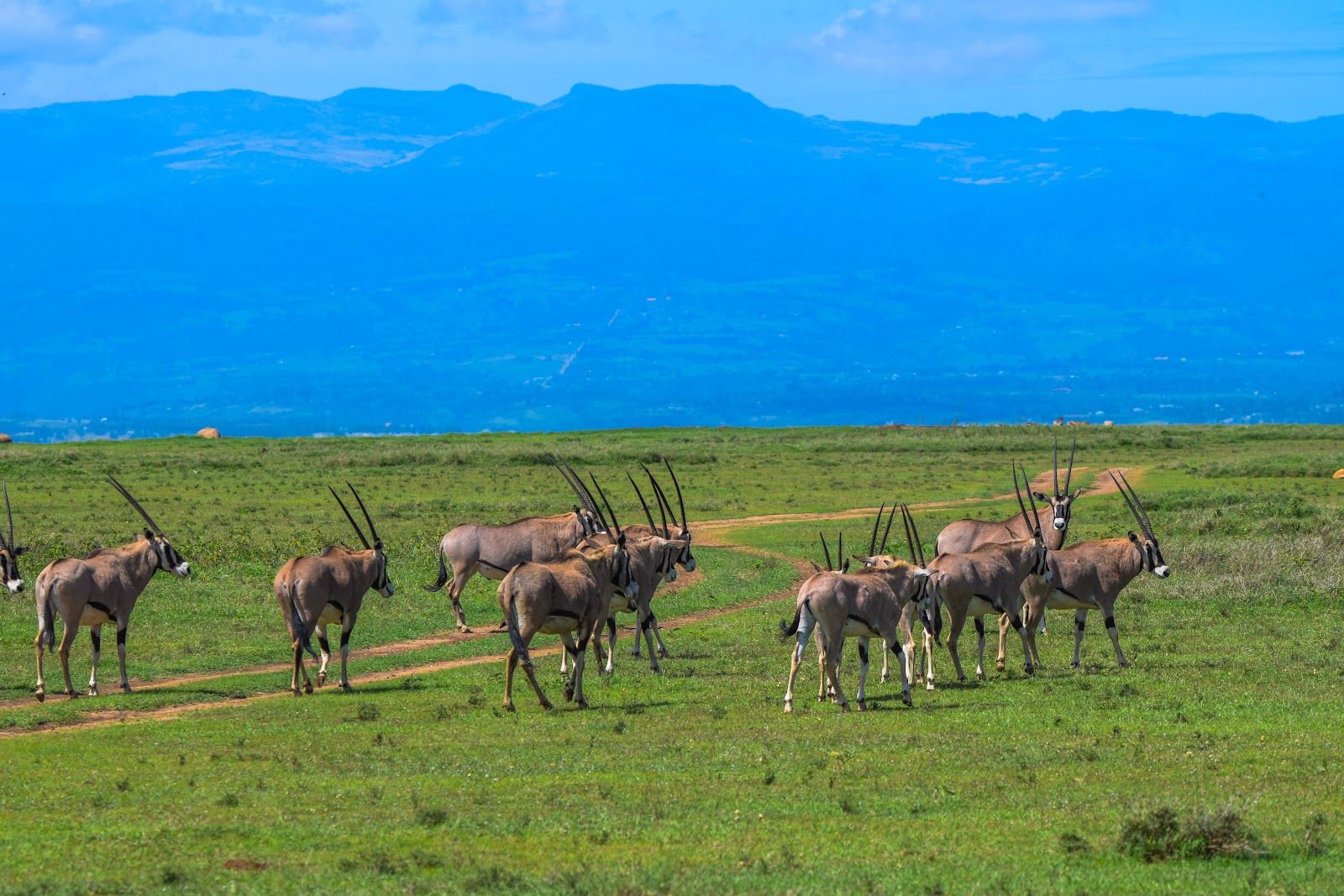
Best Time to Visit Tsavo: Month by Month
| Month | Weather | Wildlife and crowds |
|---|---|---|
| January | Hot and dry | Animals near water; quiet after New Year |
| February | Hot and dry | Excellent viewing; one of the quietest dry months |
| March | Very hot; rains may start | Good early, more spread out later |
| April | Long rains | Green, very few visitors, lowest rates |
| May | Rains easing | Lush scenery, quiet roads |
| June | Drying out, cooler nights | Wildlife returns to water; good value |
| July–August | Dry, breezy | Peak viewing and peak demand |
| September–October | Dry and hot | Highest concentrations at Aruba and the Galana |
| November | Short rains | Fresh green country, migrant birds arrive |
| December | Drying again | Quiet early; busy over Christmas |
Rains vary from year to year, so treat these as typical patterns rather than fixed dates. We check conditions before every departure.
Best Time to Visit Tsavo for Wildlife
Best time to visit Tsavo for elephants
For elephants, the best time to visit Tsavo is the late dry season, August to October, when red-dusted herds walk to Aruba Dam, the Galana River and Mzima Springs every day. In Tsavo East the Satao and Aruba areas are classic spots; read more in our Tsavo East National Park guide.
Big cats and rhinos
Lions are resident and seen most often near water in the dry months. Leopards and cheetahs need luck in any season. Black rhinos live in Tsavo West’s Ngulia sanctuary, where the thinner dry-season bush gives the best chance; see our guide to Tsavo rhinos.
Birds
Birding is good all year, but November to April adds migrants from Europe and Asia and breeding colours. Our birds of Tsavo guide explains the Ngulia fallout and the species to look for.

Best Time to Visit Tsavo for Photography
Photographers often prefer the shoulder months. In June, and again in late November and December, the air is clearer after the rains, skies carry dramatic clouds and the country is greener, which gives colour and contrast behind red elephants. The peak dry season offers easier subjects at the waterholes, but more dust and heat haze in the middle of the day.
Whatever the best time to visit Tsavo is for you, shoot in the first two hours after sunrise and the last two before sunset, when the red soil glows. Bring a 100–400 mm lens for wildlife and a wide lens for landscapes such as the Yatta Plateau and the Shetani lava flow. A beanbag helps steady long lenses on the vehicle window, and a private vehicle lets you wait for the perfect moment at a waterhole.
Best Time to Visit Tsavo on a Budget
If value matters most, the best time to visit Tsavo is the green season: April, May and November. Many lodges lower their rates, you often have sightings to yourself and the landscape is beautiful. Prices are highest from July to October and over Christmas and New Year, when you should book early.
Best Time to Visit Tsavo With the Coast or Amboseli
Tsavo sits between Nairobi and the coast, so many travellers combine it with a beach stay. The dry months from June to October and January to February suit both: Tsavo is at its best and the coast is mostly dry and sunny. The long rains from April to June can bring heavy showers at the coast too, so check both calendars before you book.
Amboseli works well with Tsavo West in any dry month, linked by the Chyulu gate. See our guide to how many days you need for Tsavo for sample routes.
Best Time to Visit Tsavo With Children
For families, the best time to visit Tsavo is the dry season during the school holidays, especially July and August, when elephants are easy to find and short game drives are rewarding. Choose a lodge with a pool and a waterhole view, as children feel the midday heat quickly. February half-term is a quieter alternative.
What to Pack for Tsavo by Season
- All year: light, breathable neutral clothing, a wide-brimmed hat, sunglasses and high-factor sunscreen.
- Dry season: a scarf or buff for the red dust and a cover for your camera.
- Green season: a light waterproof jacket and quick-drying clothes.
- Early mornings: a fleece, as dawn drives can be cool from June to August.
- Health: insect repellent and any malaria prevention advised by your doctor.
Getting to Tsavo in Any Season
Tsavo East’s Voi gate is about 5 to 6 hours from Nairobi and 2 to 3 hours from Mombasa or Diani. Tsavo West’s Mtito Andei gate is about 4 to 5 hours from Nairobi. The Madaraka Express train to Voi is a comfortable alternative in any month, and in the rains a 4×4 Land Cruiser makes the murram roads much easier. Check entry rules on the official Kenya eTA portal and the latest GOV.UK travel advice for Kenya before you go.
Tsavo Safari Costs by Season
Prices on our site include:
- Tsavo East Day Safari from Mombasa & Diani — from USD 230 per person.
- 2-Day Tsavo & Taita Hills Safari from Mombasa — from USD 420 per person.
- Tsavo East & West Safari (3 Days) — from USD 600 per person.
- Tsavo & Amboseli Safari from Mombasa (4 Days) — from USD 1,050 per person.
Final prices depend on season, lodge and group size. Park fees are set by the Kenya Wildlife Service; see our Tsavo entrance fees guide, or ask for a private Kenya safari quote.
Our Verdict on the Best Time to Visit Tsavo
If you want the most wildlife with the least effort, the best time to visit Tsavo is August to October, followed closely by January and February. If you prefer quiet roads and lower prices, choose June, early December or the green months of April, May and November, and accept that animals will be a little more spread out. Tell us your dates and we will tell you honestly what to expect.
Tsavo Seasonal Facts
- Rainfall pattern: long rains roughly March-May, short rains around November, with June-October and January-February as the two dry windows.
- Peak wildlife concentration: June-October delivers the most reliable dry-season waterhole gatherings of elephant and predator activity.
- Quietest months: March-May sees the lowest visitor numbers and softest lodge rates, trading some road difficulty for solitude.
- Temperature: daytime highs typically run 29-33°C year-round, with cooler mornings and evenings the best time for game drives regardless of season.
- Birding bonus: November and December can bring the Ngulia migration fallout on the right misty nights.
- Road conditions: murram tracks can become temporarily difficult after heavy rain in March-May; experienced 4×4 drivers manage this routinely.
- Booking tip: flexible travellers can secure better rates by targeting the shoulder and rainy-season windows over July-October peak dates.
Planning Your Tsavo Dates
Whenever you travel, pair your dates with our Tsavo West attractions guide and Tsavo East attractions guide for full itinerary planning, or book the ready-made 3-day Tsavo East & West safari. See our wider Kenya weather guide for how Tsavo’s seasons compare to the rest of the country.
Every Month Has a Tsavo Worth Seeing
Tell us what you want — dust and drama, or green and quiet — and we’ll pick your dates.
Frequently Asked Questions
What is the best month to visit Tsavo National Park?
The best time to visit Tsavo for concentrated wildlife is June to October, when the dry season pushes elephants and predators towards permanent water such as Aruba Dam and the Galana River. January and February offer similarly good dry-season viewing with fewer vehicles, and lower prices than the July to October peak.
Is Tsavo worth visiting during the rainy season?
Yes. Tsavo’s rainy seasons, roughly March to May and November, turn the landscape lush and green, bring newborn animals and leave the roads almost empty. You trade some wildlife concentration and the odd muddy track for real solitude, lower lodge rates and dramatic storm-light photography.
How hot does Tsavo get?
Tsavo is warm all year, with daytime temperatures typically between 29 and 33°C and the hottest weather from January to March. Game drives are timed for the cooler dawn and late-afternoon hours, when wildlife is most active and the light is best, with a long rest through the middle of the day.
When do the red elephants of Tsavo gather at waterholes?
Tsavo’s red elephants gather most reliably at Aruba Dam, the Galana River and Mzima Springs during the dry seasons, June to October and January to February, when permanent water is scarce across the wider park. Late afternoon is usually the busiest time at the waterholes, as herds come to drink and dust-bathe.
Are Tsavo’s roads passable during the rainy season?
Mostly, yes. Tsavo’s murram roads can become muddy after heavy rain, especially during the March to May long rains, but experienced drivers in 4×4 vehicles handle them routinely. Serious disruption is uncommon, and most green-season game drives go ahead as planned, sometimes with a short detour.
Can Tsavo be visited alongside a Kenyan coast holiday in any season?
Yes. Tsavo sits on the Nairobi–Mombasa corridor, so it is a natural bush stop before or after a beach holiday in any month. The best combined dates are the dry months, June to October and January to February, when both Tsavo and the coast are at their sunniest.