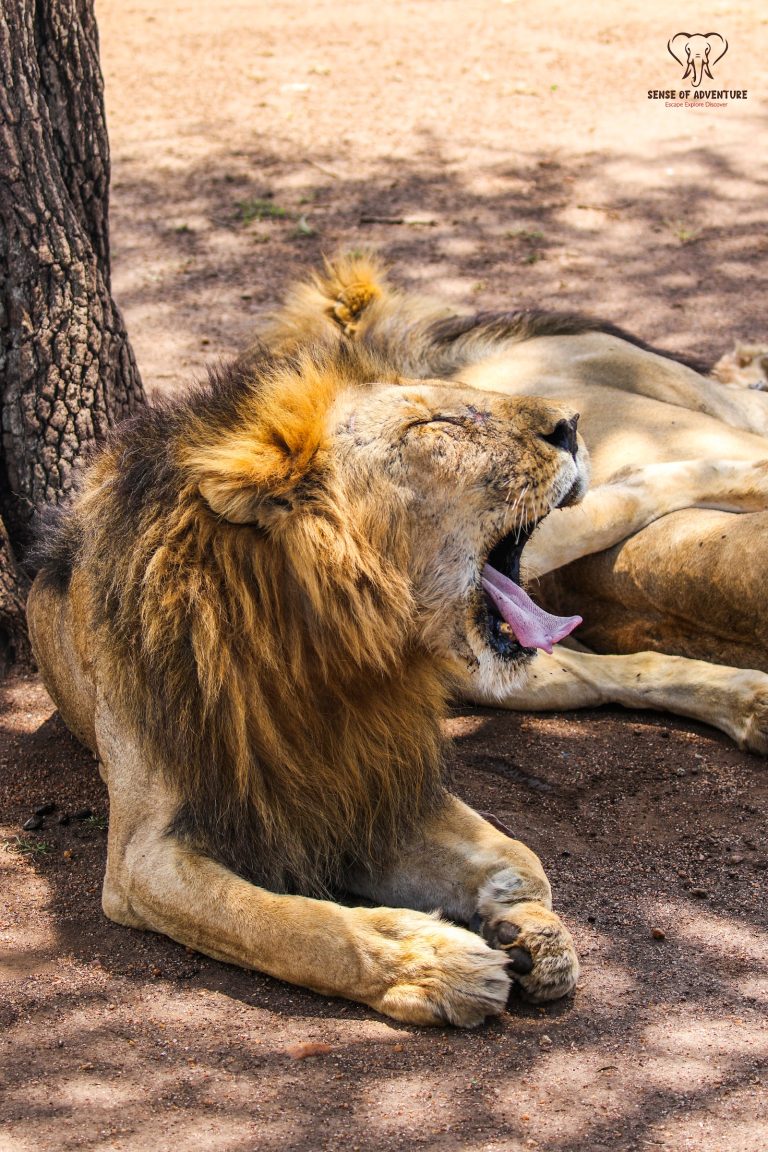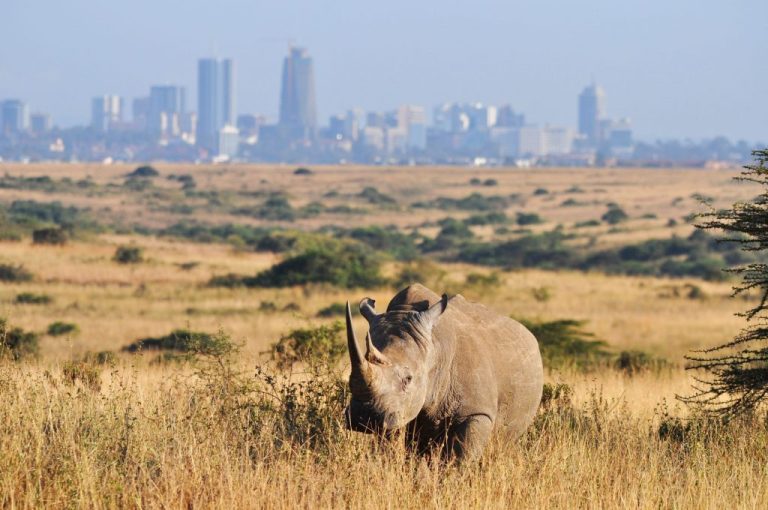

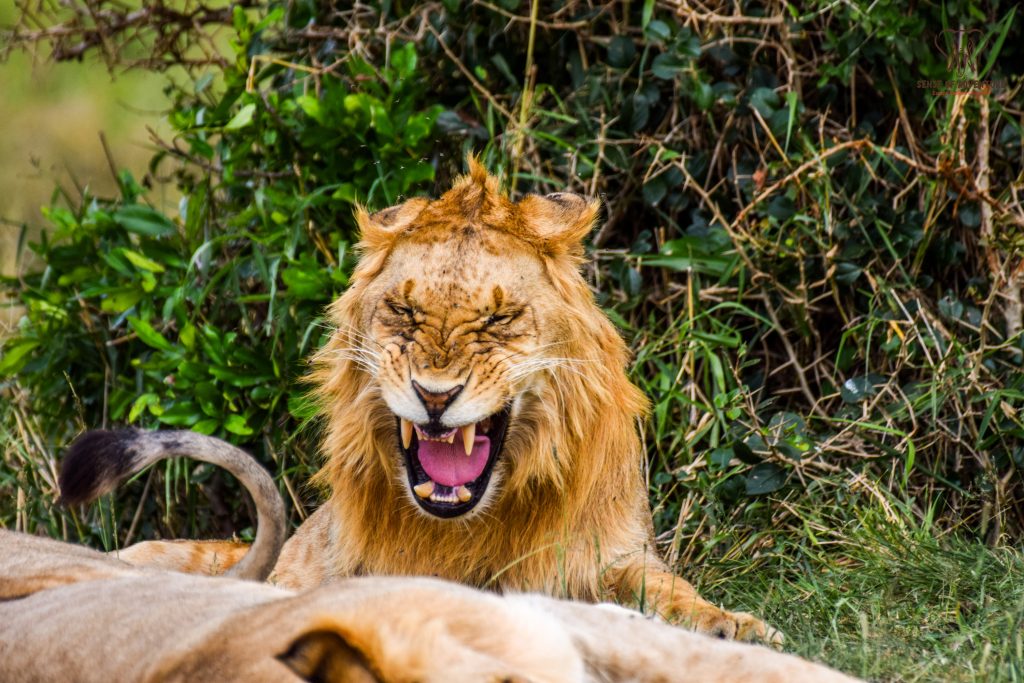
Why is it called the Big Five is a question almost every safari guest asks eventually, and the honest answer has nothing to do with size or a modern marketing team. The term originated with colonial-era big-game hunters, who used it to rank the five animals considered most dangerous to hunt on foot: lion, leopard, elephant, rhino and buffalo. Size mattered less than unpredictability and the very real chance of the hunter becoming the hunted. A century later, camera safaris quietly inherited a hunting term and repurposed it entirely, without most travelers ever knowing that history. Sense of Adventure still uses the phrase, because the animals themselves earned the reputation long before tourism did.
See the Real Big Five for Yourself
Message us to plan a Kenya safari built around the animals that earned this name the hard way.
How a Hunting Term Became a Safari Icon
Big-game hunters in colonial-era Africa needed a shorthand for the animals that posed the greatest genuine risk when pursued on foot, not the biggest trophies overall, and lion, leopard, elephant, rhino and buffalo topped that list for their unpredictability and willingness to charge rather than flee. The elephant hippo, statistically more dangerous to humans than any Big Five member, was never included, which is the clearest proof the list was never really about size or lethality in isolation. As hunting declined and photographic tourism grew through the 20th century, the same five names simply migrated onto the camera safari itinerary, keeping their prestige while losing their original violent context entirely.
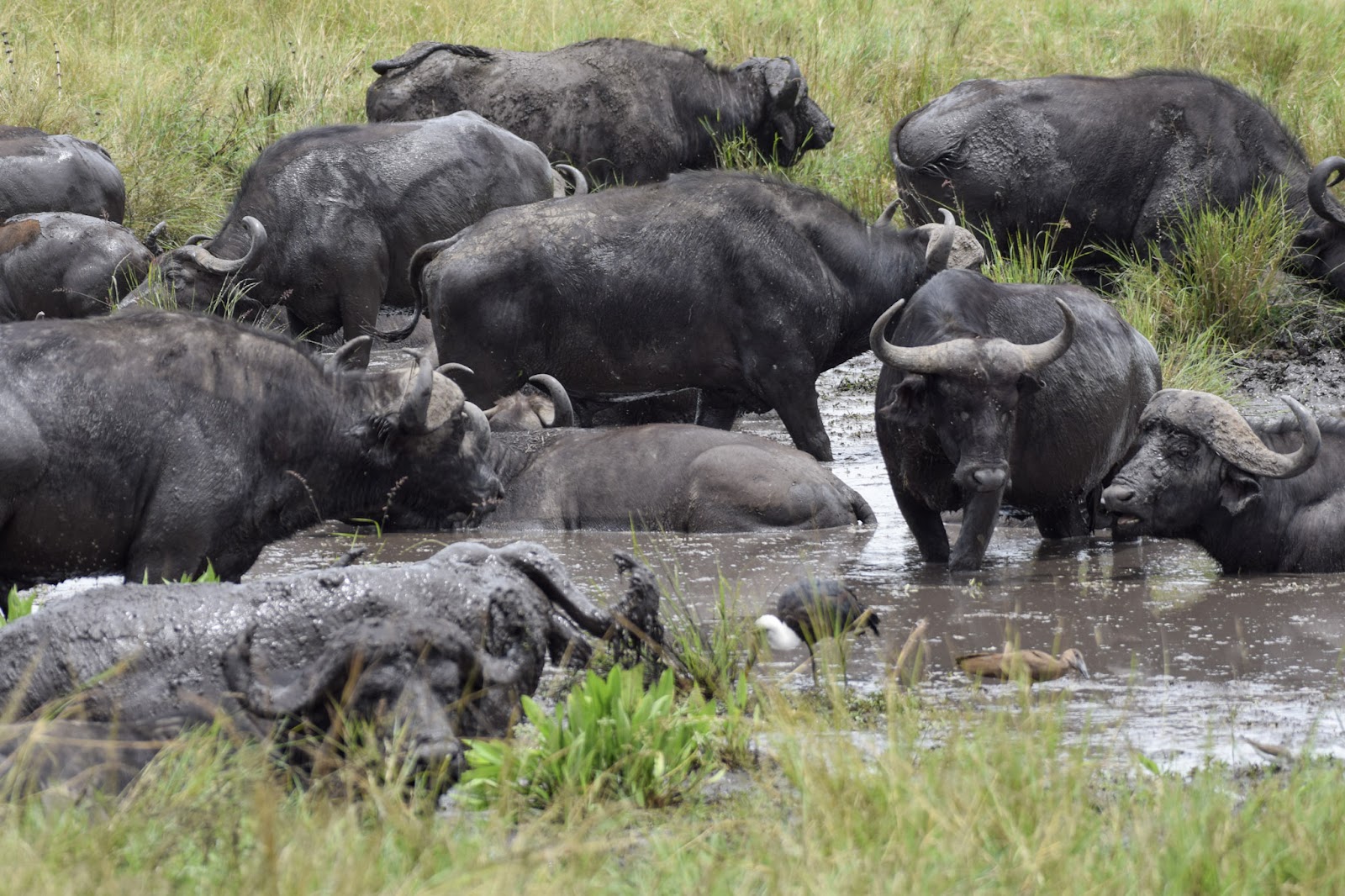
I had used the phrase Big Five my whole life without ever wondering where it actually came from, assuming it was just a modern tourism invention. Learning it was originally a ranking of the five most dangerous animals to hunt on foot completely changed how I looked at the buffalo specifically, the one everyone underestimates.
— Sense of Adventure guest, Kenya Big Five safari
5 Facts About the Big Five Origin
1. The Term Predates Safari Tourism Entirely
Big Five was coined by colonial-era big-game hunters, long before camera safaris existed, to describe the animals hardest and most dangerous to hunt on foot.
2. Danger, Not Size, Was the Selection Criterion
Larger animals like the giraffe were excluded entirely because they posed little threat to a hunter on foot, while smaller but unpredictable animals like the buffalo made the cut.
3. The Hippo Notable Exclusion
Despite being statistically more deadly to humans than any Big Five member, the hippo never joined the list, since hunters rarely pursued it on foot the way they did the other five.
4. Tourism Inherited the Prestige, Not the Danger
As trophy hunting declined through the 20th century, camera-based safari tourism adopted the same five names as a badge of a complete wildlife trip, without the original risk to the observer.
5. It Now Symbolises Conservation, Not the Hunt
Today the same five names anchor conservation funding and safari tourism revenue across Africa, a complete reversal from a term born out of the exact activity now working to protect them.
Book Your Big Five Safari
Our 8-day Kenya Luxury Big Five Safari covers all five animals across Mara, Amboseli and Samburu.
Big Five Origin: Quick Reference
- Origin: coined by colonial-era big-game hunters in the 1800s.
- Original criterion: danger and difficulty hunting on foot, not physical size.
- Notable exclusion: the hippo, despite being statistically more deadly to humans.
- The five: lion, leopard, elephant, rhino, buffalo.
- Modern meaning: a safari and conservation icon, detached from its hunting origin.
- Most underestimated member: the Cape buffalo, rated highly dangerous by guides today.
Seeing the Real Big Five
Knowing the history makes seeing the animals themselves more interesting, not less. Our Big 5 in Masai Mara guide and Big Five Safari Kenya Itinerary cover exactly where and how to see all five on a real trip.
The Name Has History, the Sighting Is Yours
Message us today and we will build a Big Five itinerary around the real story behind the name.
Frequently Asked Questions
Why is it called the Big Five?
It is called the Big Five because colonial-era big-game hunters coined the term to describe the five animals most dangerous and difficult to hunt on foot: lion, leopard, elephant, rhino and buffalo, ranked by risk rather than physical size.
Why isn’t the hippo part of the Big Five?
The hippo is not part of the Big Five despite being statistically more dangerous to humans than any member of the list, because hunters historically pursued it less often on foot, so it never entered the original hunting-era ranking.
Does Big Five mean the five largest African animals?
No, Big Five does not refer to the five largest animals. Several larger animals, including the giraffe, were excluded because they posed little danger to a hunter on foot, while the term prioritised risk over raw size.
When did the term Big Five start being used for tourism?
The term shifted from hunting to tourism gradually through the 20th century, as trophy hunting declined and photographic safaris grew, inheriting the same five names as a marker of a complete wildlife-viewing trip.
Which Big Five animal is considered most dangerous by guides today?
Guides frequently rate the Cape buffalo among the most dangerous of the Big Five today, since solitary bulls, known as dagga boys, are known for unpredictable and determined charges when threatened.