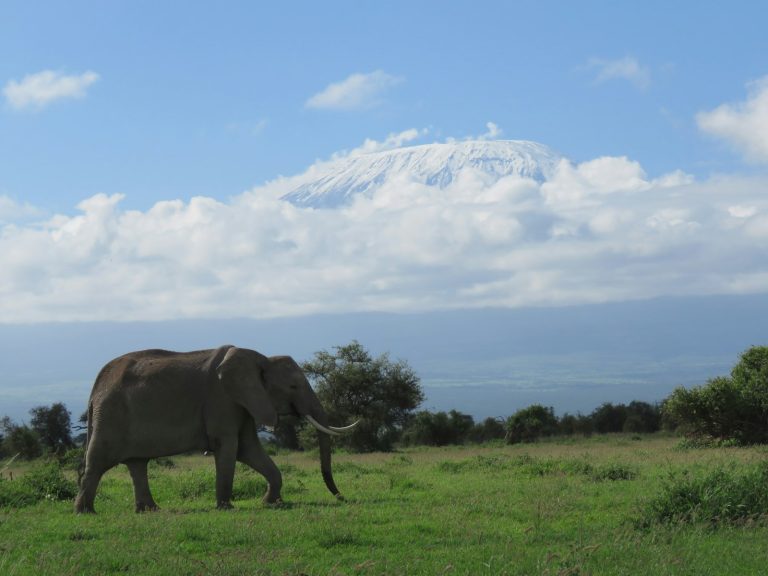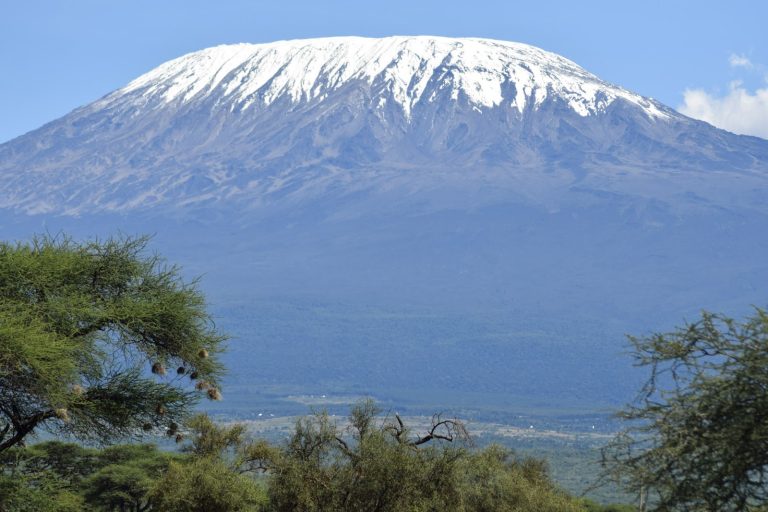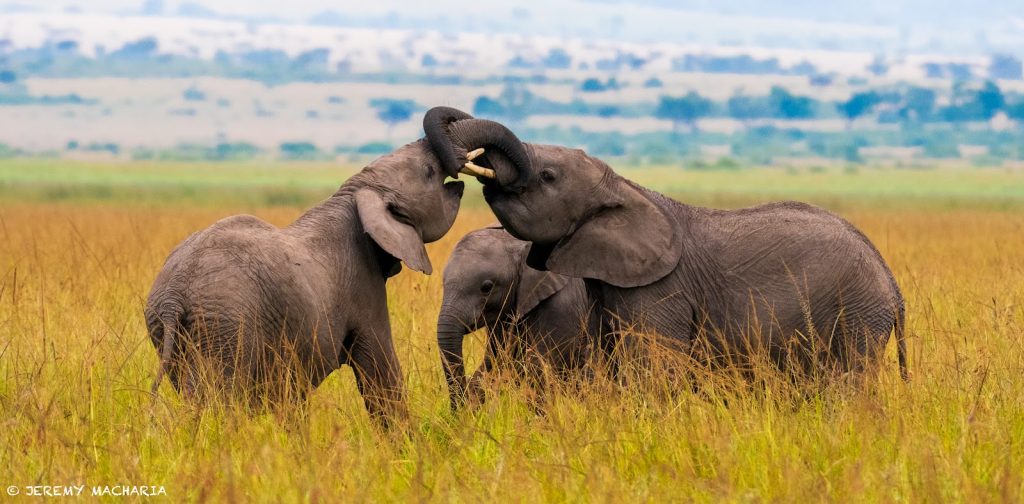
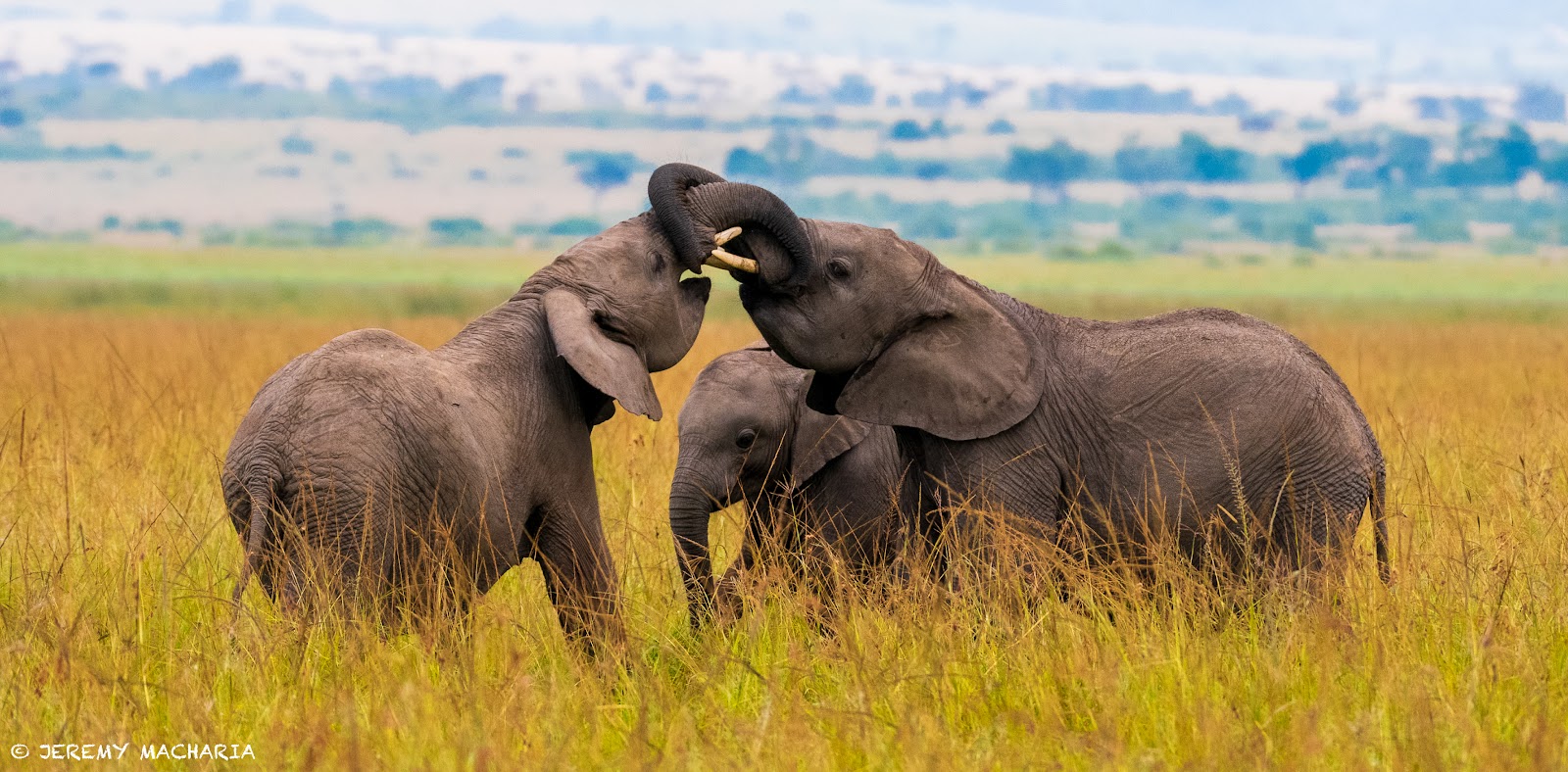
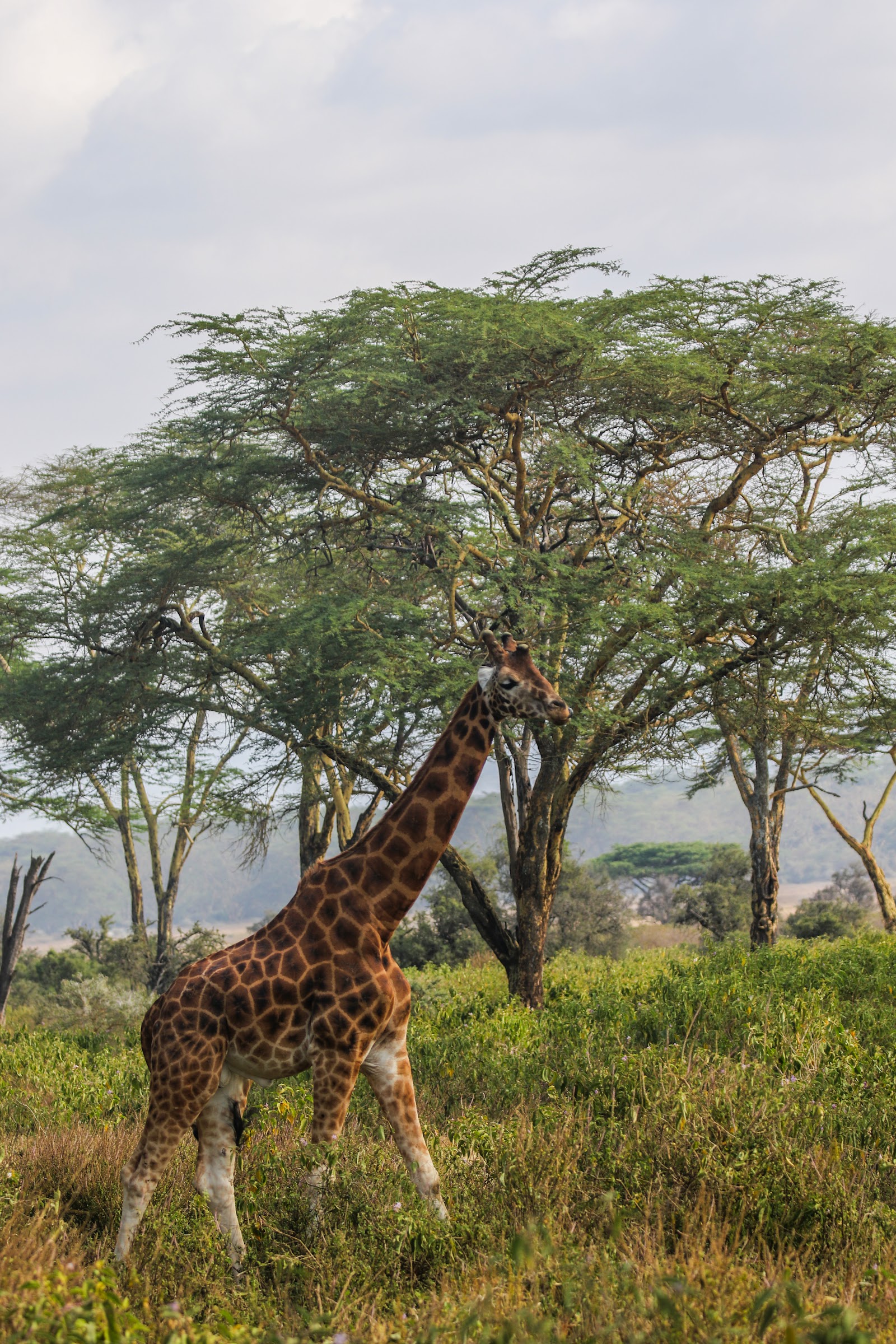
Late afternoon on the bluff, and the heat is finally easing. Below you, the waterhole is a sheet of silver in red earth. Two young bull elephants push and shove at the edge, trunks tangled, dust rising round their legs. A giraffe waits its turn under an acacia. To the west, the Taita Hills turn blue, and on a clear evening the white dome of Kilimanjaro hangs on the far horizon. Your guide leans back and says quietly that lions were calling here last night.
Lumo Wildlife Sanctuary (LUMO Community Wildlife Sanctuary) is a 48,000-acre community conservancy in Taita Taveta County, south-east Kenya, formed by the Lualenyi, Mramba and Oza community lands. Officially registered in 2001, it borders Tsavo West and links Tsavo East and Tanzania’s Mkomazi, with elephants, lions, night drives and First World War history.
Sense of Adventure is a Nairobi-based safari company at Mountain Mall on Thika Road, licensed by Kenya’s Tourism Regulatory Authority (TRA1/47/C01/77087). We run Tsavo safaris from Nairobi and Mombasa throughout the year, and the Lumo Wildlife Sanctuary is where we send travellers who want the Tsavo landscape with walks, night drives and real community connection. This guide covers its history, the Taita people who own it, wildlife and honest odds, things to do, fees, access, seasons, rules, where to stay and a sample itinerary. For the park next door, read our Tsavo West National Park guide.
✅ Lumo Wildlife Sanctuary: The Quick Answer
- Where: near Mwatate in Taita Taveta County, between Tsavo West and Tsavo East, bordering the Taita Hills Wildlife Sanctuary.
- Best for: elephants, lions, night drives, guided walks, World War One history and community-run conservation.
- Best time: June to October and December to March; some areas can be hard to reach in April, May and November.
- Entry fee: the conservancy lists non-resident adults at US$37, Kenyan residents at KES 1,000 and citizens at KES 300.
- How long to stay: two nights, or three if you add Tsavo West or a hike in the Taita Hills.
- Getting there: by road via Voi on the Nairobi to Mombasa highway, by SGR train to Voi, or by flight to Taita Hills airstrip.
🦁 Lions, Elephants and a Night Drive in Tsavo?
Tell us your dates and whether you are starting from Nairobi or the coast, and we will plan your Lumo stay and transfers.
🐘 Plan My Lumo SafariPrefer to talk first? 💬 WhatsApp Us Now or call +254 799 160 081
What Is the Lumo Wildlife Sanctuary?
The Lumo Wildlife Sanctuary is community land set aside for wildlife, where three Taita communities pooled ground between two of Kenya’s largest national parks.
The name LUMO comes from the first letters of the three areas that gave land: Lualenyi Ranch, Mramba Communal Grazing Area and Oza community land. The conservancy says the idea was born in 1997 and that LUMO was officially registered on 4 October 2001 as a trust. Its own figures put it at 48,000 acres, a little under 200 square kilometres. Of Oza’s 28,000 acres, 10,000 were set aside for the sanctuary.
A corridor between Tsavo West, Tsavo East and Mkomazi
LUMO describes itself as a wildlife link between Tsavo West, Tsavo East and Mkomazi National Park in Tanzania. Elephants, lions and other animals move across it between the parks. In 2025 its 2024 to 2029 management plan was gazetted, a formal step that sets out how the land will be used and protected. The sanctuary is a member of the Taita Taveta Wildlife Conservancies Association.
The landscape
Expect classic Tsavo country: red soil, open savannah with acacia and baobab, riverine woodland, rolling hills and a few waterholes. The Taita Hills rise on the western side. From the high ground at Lions Bluff, you look out over the plains, and on clear days Kilimanjaro appears far to the west.
The People of the Lumo Wildlife Sanctuary: Taita Landowners and Rangers
The Lumo Wildlife Sanctuary is owned by Taita communities, and its rangers, guides and staff come largely from the villages around it.
The Taita are the people of the Taita Hills and the plains below, farming the green hill slopes and keeping livestock on the lowlands. In 2011, the county reported that twelve local people had trained as rangers at the KWS training school at Manyani. Today the conservancy says its work creates jobs as guides, rangers and hospitality staff, as well as scholarships for local students.
How your fees help
Conservancy income comes from gate fees, lodge bed-nights and lease rent. In 2011, the county reported that 40% went to community projects and 60% was shared among the three ranches. LUMO’s 2025 report lists predator-proof livestock enclosures, dental clinics, new school classrooms, beekeeping and visits to local cultural groups, including the Gonda Bara Isanga and Mwaktau groups.
Living with elephants
Taita Taveta is one of Kenya’s hotspots for conflict between people and elephants. A study by the Wildlife Research and Training Institute and the University of Helsinki found that between 2004 and 2018, 62% of reported incidents were threats to human safety and 32% were crop raiding. Every visitor who pays to see elephants here helps make living alongside them worthwhile for local families.
Expert tip from our Nairobi team: ask your guide about the community projects as you drive. Guides here are often from local families and are proud to share what the conservancy has built, from classrooms to bomas, and a visit to a cultural group is a lovely way to meet the people behind it.
History in the Lumo Wildlife Sanctuary: The First World War in Tsavo
The Lumo Wildlife Sanctuary sits on one of the least-known battlefields of the First World War, where British and German forces fought for East Africa.
The Commonwealth War Graves Commission records that on 4 September 1915 a small British mounted force was ambushed and destroyed at Maktau, beside the military railway from Voi towards Taveta and Moshi. A fortified camp, a reinforcement depot and an Indian clearing hospital followed. The CWGC Maktau Indian Cemetery holds 16 graves and is kept locked, with access codes from the CWGC Kenya office.
Salaita Hill, Maktau and the 1916 pipeline
Nearby Salaita Hill saw fighting involving British, Indian, Rhodesian and South African troops, and the National Museums of Kenya gazetted it in 2015, along with Maktau Picket Hill. Inside the conservancy, near Lions Bluff, you can still see sections of a 1916 water pipeline built to supply the troops. Soroi’s lodge runs a half-day battlefield tour to hilltop forts and the war cemeteries at Maktau and Voi.
Wildlife in the Lumo Wildlife Sanctuary: What You Will See
The Lumo Wildlife Sanctuary holds Tsavo’s big game, with elephants and lions as the headline species and fewer vehicles than the national parks.
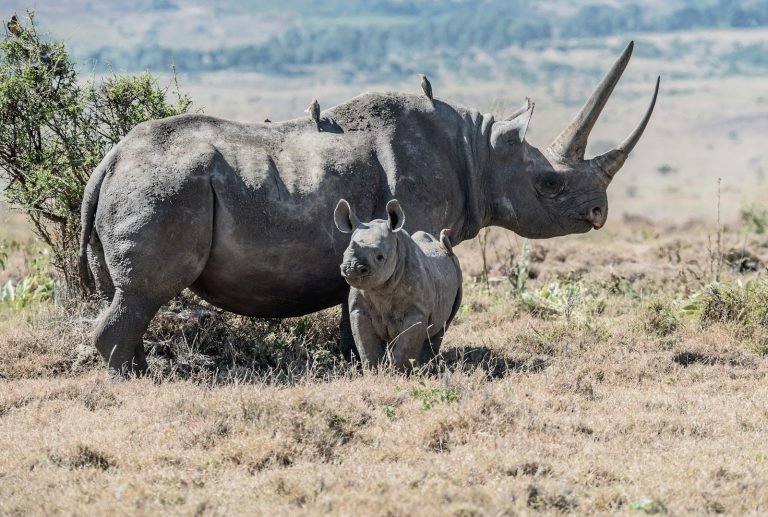
Soroi, which runs the lodges, lists lion, elephant, buffalo, leopard, cheetah, spotted and striped hyena, zebra, giraffe and wildebeest, and waterbuck are also recorded. Birding is excellent: LUMO lists more than 200 species, and Soroi says over 300. The Taita endemics, such as the Taita thrush, Taita apalis and Taita white-eye, live in the hill forests above the sanctuary rather than on the plains.
Honest sighting odds in the Lumo Wildlife Sanctuary
| Species | Chance on a 2-night stay | Notes |
|---|---|---|
| Elephant | Very high | Often at waterholes, especially in the dry months |
| Giraffe and zebra | Very high | Open savannah and acacia woodland |
| Buffalo | Good | Near water and in thicker bush |
| Lion | Good | Present and often heard at night; not guaranteed |
| Spotted hyena | Good | Most often on night drives |
| Cheetah | Fair | Open plains; sightings vary |
| Leopard | Low to fair | Best chance on night drives |
| Striped hyena | Low | Shy and nocturnal; a real bonus |
These are our honest estimates for the Lumo Wildlife Sanctuary, not promises. For the history of Tsavo’s famous cats, read our guide to Tsavo lions and the man-eaters legend.
Things to Do in the Lumo Wildlife Sanctuary
Because the Lumo Wildlife Sanctuary is community land, not a national park, you can do more than drive: night drives, walks, hikes and cultural visits are all on offer.
LUMO lists night game drives, cultural tours, birding, photography, guided walks, hikes on Vuria and Kasigau, a volunteer programme and self-camping. The lodge operator, Soroi, publishes its own 2025 activity prices, summarised below. They are charged per person and set by the lodge, so check them when you book.
| Activity (Soroi 2025 price list) | Price per person | Notes |
|---|---|---|
| Game drive, about 2 hours | US$85 | Morning or afternoon |
| Night game drive | US$90 | Age 10 and over |
| Bush and bird walk | US$75 | Age 12 and over |
| Battlefield tour | US$80 | WWI forts and cemeteries |
| Taita Hills hike | US$100 | Cooler hill forest |
| Kasigau climb | US$150 | Long, demanding day |
| A Day with the Taita | US$120 | Cultural visit at Bura |
| Underground photographic hide | US$150 | Eye-level wildlife photography |
Night drives and walks
Night drives are not allowed inside Tsavo’s national parks, so they are one of the best reasons to stay in the Lumo Wildlife Sanctuary. With a spotlight and a good guide, you may find hyenas, genets, bushbabies and, with luck, a leopard. Walks show you tracks, dung beetles and birds you would miss from a vehicle.
Hikes in the Taita Hills and Kasigau
The cool, green Taita Hills are a world away from the hot plains. Hikes take you through farms and forest patches, home to the Taita endemic birds. Kasigau, an isolated mountain to the south-east, is a long and demanding climb for fit walkers.
🌙 Night Drive, Battlefield Tour or Taita Hills Hike?
Tell us what excites you most and we will build your Lumo days around it, with honest advice on what suits your group.
🧭 Build My Lumo ActivitiesGetting to the Lumo Wildlife Sanctuary
You can reach the Lumo Wildlife Sanctuary by road via Voi, by the SGR train from Nairobi or Mombasa to Voi, or by a scheduled flight to Taita Hills airstrip.
By road
From Nairobi or Mombasa, take the main highway to Voi, then continue west towards Mwatate and Taveta. Soroi gives the drive from Nairobi as about seven hours. From Mombasa, the conservancy is roughly 220 km away, which makes it one of the easiest Tsavo safaris from the coast.
By train or air
The SGR train runs between Nairobi and Mombasa and stops at Voi; Soroi says the lodge is about 1 hour 5 to 1 hour 15 minutes by road from Voi station. FlyALS runs a daily afternoon flight to Taita Hills airstrip, about 40 minutes from the lodge, with transfers charged by the lodge. Remember the strict soft-bag luggage limits on light aircraft.
| Route | Typical time | Notes |
|---|---|---|
| Nairobi to Lumo by road | About 7 hours | Via Voi on the main highway |
| Mombasa to Lumo by road | About 220 km | Easy add-on from the coast |
| SGR train to Voi, then road | About 1 hour 15 minutes from Voi | Comfortable, good value |
| Flight to Taita Hills airstrip | Daily afternoon service | About 40 minutes to the lodge |
| Lumo to Tsavo West | Short drive | Maktau is one of the KWS gates on this side of the park |
Lumo Wildlife Sanctuary Entry Fees 2026
The Lumo Wildlife Sanctuary charges its own conservancy fee, paid at the gate, which is separate from Kenya Wildlife Service park fees.
The table shows the rates published on the official LUMO visit page at the time of writing. Fees can change, so check before you travel. If you also enter Tsavo West or Tsavo East, KWS fees apply on those days; see our Tsavo entrance fees guide and our Kenya national parks entrance fees 2026 overview.
| Visitor category | Adult | Child |
|---|---|---|
| Non-resident | US$37 | US$19 |
| Kenya resident | KES 1,000 | KES 500 |
| Kenyan citizen | KES 300 | KES 150 |
| Vehicle up to 5 seats | KES 530 | per vehicle |
| Vehicle 6 to 12 seats | KES 750 | per vehicle |
| Vehicle over 12 seats | KES 1,500 | per vehicle |
📅 Get a Free, No-Obligation Safari Quote
Send us your dates and group size, and we will reply with a written Lumo and Tsavo plan with every fee, activity and transfer shown.
✉ Send Us Your Dates on WhatsAppBest Time to Visit the Lumo Wildlife Sanctuary
The best time to visit the Lumo Wildlife Sanctuary is June to October and December to March, when it is drier and animals gather at the waterholes.
KWS describes Tsavo West as hot, with temperatures of 20 to 30°C and 200 to 700 mm of rain a year, falling mainly in the long rains of March and April and the short rains of November and December. Soroi notes that some areas may be hard to reach in April, May and November. The green season still has beauty, with fewer visitors and fine birding. See our Kenya weather by month guide.
| Months | Conditions | What to expect |
|---|---|---|
| January to March | Hot, mostly dry | Good game at waterholes; clear evenings |
| April to May | Long rains | Lush and quiet; some tracks difficult |
| June to October | Cooler and dry | Peak game viewing; best for walks |
| November to December | Short rains | Green and fresh; migrant birds arrive |
Expert tip from our Nairobi team: spend the hot middle of the day at the lodge waterhole or in a photographic hide. In Tsavo, animals come to drink in the heat, so some of your best sightings can happen while you sit still with a cold drink.
Rules and Safety in the Lumo Wildlife Sanctuary
The Lumo Wildlife Sanctuary has conservancy rules to protect wildlife, the community and you.
- Guided activities: walks, night drives and hikes are led by trained guides; follow their instructions.
- Age limits: the lodge sets minimum ages, such as 10 for night drives and 12 for walks.
- Keep your distance: never approach or feed animals, and keep noise low near wildlife.
- Respect people: ask before photographing anyone in the villages.
- Drones: do not fly a drone without official approval.
- Health: Tsavo is a malaria area; take your doctor’s advice and use repellent.
Taita Taveta County is not among the areas the UK government advises against visiting, but always read the latest UK Foreign Office travel advice for Kenya before you travel.
How Many Days Do You Need?
Two nights in the Lumo Wildlife Sanctuary is ideal, with three if you want a full day in Tsavo West or a hike in the hills.
With two nights you have time for a game drive, a night drive and a walk. A third night adds the battlefield tour, a Taita Hills hike or a day in the national park. For help building a longer trip, read how many days you need on a Kenya safari.
Where to Stay in Lumo
Accommodation in the Lumo Wildlife Sanctuary is run by Soroi, with three properties to choose from.
Soroi Lions Bluff Lodge sits high on a bluff above a waterhole, with nine suites and two family units and views towards the Taita Hills and Kilimanjaro. LUMO also lists Soroi Cheetah Tented Camp and Soroi Leopard Lair Cottages, and the conservancy offers self-camping. We could not confirm opening dates for every property, so we check availability for you. For a closer look at the lodge, see our Tsavo West luxury lodges guide, and for the nearby Taita Hills Sanctuary, read our Taita Hills and Salt Lick guide.
🏨 Lions Bluff, Tented Camp or Cottages?
Tell us your budget and who is travelling, and we will help you choose the right Lumo base, including family options.
🛏 Help Me Choose My LodgeWhat to Pack for Lumo and Tsavo
For the Lumo Wildlife Sanctuary, pack light, neutral clothes for the heat, a warm layer for night drives and sturdy shoes for walks.
- Breathable shirts and trousers in khaki, olive or tan.
- A fleece or light jacket for night drives and early mornings.
- Sturdy walking shoes or boots for walks and hikes.
- A wide-brimmed hat, sunglasses and high-factor sunscreen.
- Insect repellent and any malaria medication your doctor advises.
- Binoculars, a camera with a zoom lens and a head torch.
- A soft bag if you fly in.
See our full what to pack for an African safari list.
Combining the Lumo Wildlife Sanctuary With Nearby Parks
The Lumo Wildlife Sanctuary sits between the coast and Kenya’s biggest parks, so it fits easily into many routes.
- Tsavo West: Mzima Springs, lava flows and the rhino sanctuary; read our Tsavo West National Park guide.
- Tsavo East: red elephants and the Galana River; see our Tsavo East National Park guide.
- Amboseli and Kimana: elephants under Kilimanjaro; read our Kimana Wildlife Sanctuary guide.
- The coast: Diani, Mombasa or Watamu after your safari; see our Kenya beach holiday 2027 guide.

Sample 3-Day Lumo Wildlife Sanctuary Itinerary
This plan shows a relaxed Lumo Wildlife Sanctuary safari from Mombasa or the south coast.
- Day 1, coast to Lumo: morning drive or SGR train to Voi, lunch at the lodge, a quiet afternoon at the waterhole and an evening game drive.
- Day 2, Lumo in depth: dawn walk with a guide, the battlefield tour or a photographic hide in the heat, then a night drive after dinner.
- Day 3, Tsavo West and return: early game drive into Tsavo West through a nearby gate such as Maktau, then back to the coast or on to Amboseli.
Short on time? Our 2-Day Tsavo and Taita Hills Safari from Mombasa covers this area, and the Tsavo East and West Safari (3 Days) can be adapted to include a night in Lumo. Message us for a quote, or ask for a private Kenya safari or luxury Kenya safari built around it.
Lumo Wildlife Sanctuary FAQs
Where is Lumo Wildlife Sanctuary?
Lumo lies near Mwatate in Taita Taveta County, south-east Kenya, between Tsavo West and Tsavo East National Parks. It borders Tsavo West and the Taita Hills Wildlife Sanctuary, about 220 km from Mombasa, and forms a wildlife link with Mkomazi National Park in Tanzania.
What does LUMO stand for?
LUMO comes from the first letters of the three community lands that formed it: Lualenyi Ranch, Mramba Communal Grazing Area and Oza community land. The idea dates from 1997, and LUMO was officially registered as a trust on 4 October 2001, owned by Taita communities.
How big is Lumo Wildlife Sanctuary?
The conservancy gives its size as 48,000 acres, a little under 200 square kilometres. Of Oza’s 28,000 acres, 10,000 were set aside for the sanctuary. Its 2024 to 2029 management plan was gazetted in 2025, formally setting out how the land is managed.
How much is the Lumo Wildlife Sanctuary entry fee?
The official LUMO visit page lists non-resident adults at US$37 and children at US$19, Kenyan residents at KES 1,000 and KES 500, and citizens at KES 300 and KES 150. Vehicle fees start at KES 530. Fees are paid at the gate and can change.
What animals can you see in Lumo?
Lumo has elephant, lion, buffalo, giraffe, zebra, wildebeest and waterbuck, plus leopard, cheetah and both spotted and striped hyena. Elephants and giraffes are seen on almost every stay, lions often, and leopards most often on night drives. There are 200 to 300 bird species.
Can you do night drives in Lumo Wildlife Sanctuary?
Yes. Night drives are one of the sanctuary’s highlights, because they are not allowed inside Tsavo’s national parks. The lodge’s 2025 price list shows night drives at US$90 per person for guests aged 10 and over, and guided bush walks for guests aged 12 and over.
How do you get to Lumo from Nairobi or Mombasa?
Drive via Voi on the main Nairobi to Mombasa highway; the trip takes about seven hours from Nairobi and is around 220 km from Mombasa. You can also take the SGR train to Voi, about an hour and a quarter from the lodge, or fly to Taita Hills airstrip.
What is the best time to visit Lumo?
June to October and December to March are best, when it is drier and animals gather at waterholes. The long rains fall in March and April and the short rains in November and December, and some areas can be hard to reach in April, May and November.
🏕 Plan Your Lumo Wildlife Sanctuary Safari With Sense of Adventure
Kenya-based experts. Real local knowledge. Transparent pricing.
We plan Tsavo safaris from Nairobi and the coast, and we know how to make the most of Lumo’s night drives, walks and history. Tell us your dates and we will arrange the train or flights, your lodge and every activity.
💬 Start My Lumo Safari✉ Email Our Tsavo TeamCall or WhatsApp: +254 799 160 081 · Email: info@senseofadventure.co.ke
💬 WhatsApp Us — Start Planning Today
Related Safari Guides
- › Tsavo West National Park Guide
- › Tsavo East National Park Guide
- › Taita Hills and Salt Lick: Tsavo Gateway
- › Tsavo West Luxury Lodges
- › Complete List of Kenya National Parks and Reserves
Official travel & park resource: Kenya Wildlife Service ↗ · Conservancy: LUMO Community Wildlife Conservancy ↗ · Regional association: Taita Taveta Wildlife Conservancies Association ↗