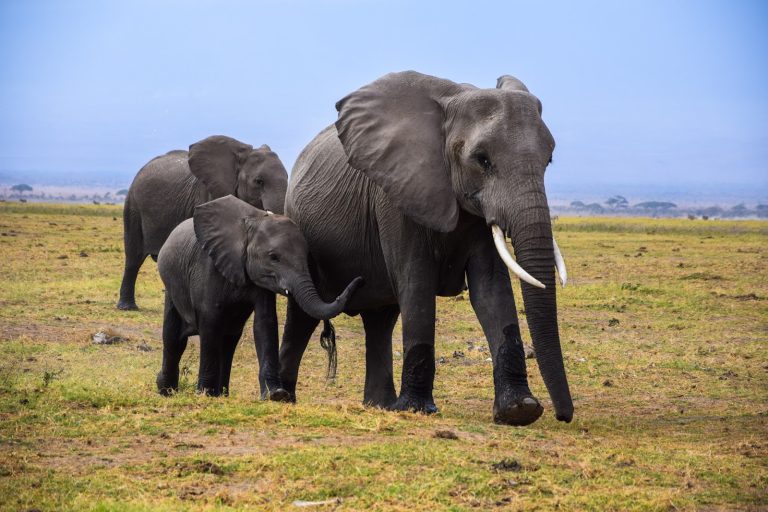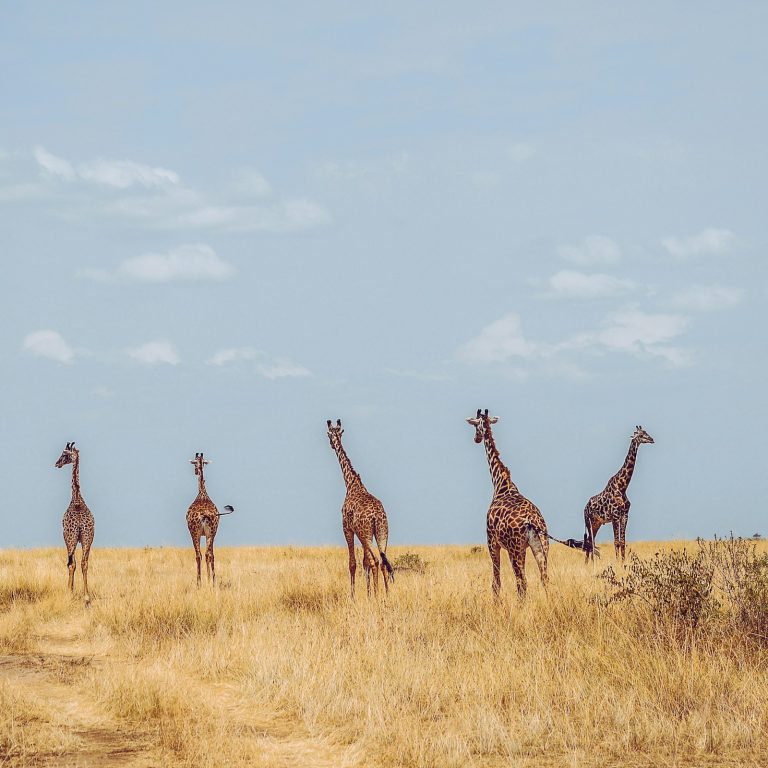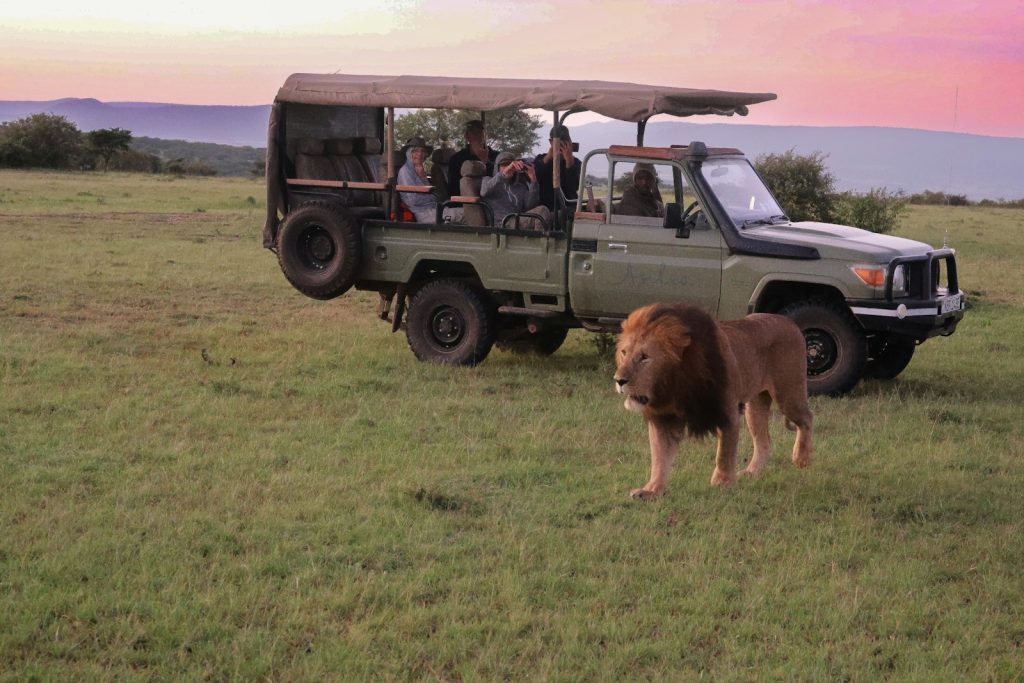
Kenya educational group tours are planned study trips for school, college and university groups that combine wildlife, conservation, geography and culture with structured learning. A good programme matches the route to the curriculum, sizes vehicles and rooms for students and staff, and puts consent, entry paperwork and supervision plans in place months before departure.
Sense of Adventure is a Nairobi-based safari company and Kenya DMC licensed by Kenya’s Tourism Regulatory Authority (TRA1/47/C01/77087). We work with schools, school travel companies, tour operators and travel agencies as their ground operator, and this guide explains how we plan Kenya educational group tours for your clients, step by step, from the first brief to the final debrief.
Table of Contents
✅ Kenya Educational Group Tours: The Quick Answer
- Who they suit: secondary schools, sixth forms, colleges, universities, faculty-led field courses and youth organisations.
- Core learning themes: ecology and conservation, Rift Valley geology, geothermal energy, community development and Maasai culture.
- Typical length: 7 to 12 days, starting and ending in Nairobi, with game drives, talks and reflection time built in.
- Paperwork: parental consent, an approved Kenya eTA for each traveller and the mandatory Kenyan Government inbound travel health insurance.
- Lead time: start planning 9 to 12 months ahead so camps, vehicles and school approvals line up.
- Trade support: itemised group quotes within 24 hours, white-label documents and B2B terms confirmed in writing.
🎓 Planning Kenya educational group tours for your clients?
Send us the number of students and staff, their ages, the learning focus and your preferred dates. We will return an itemised group proposal within 24 hours.
What Kenya Educational Group Tours Involve
Kenya educational group tours are safaris with a learning plan: every day has a purpose, a place and a way for students to record what they learn. The wildlife is the hook, but the programme is built around lessons, talks, fieldwork and reflection.
For your agency, the difference from a leisure group is in the detail. Teachers need clear learning outcomes for their school leadership, parents need a full itinerary and contact sheet, and the ground operator needs to plan supervision, rooming and meals around young travellers. A good partner handles all of this in one written proposal, so you can present it to the school with confidence.
What a typical programme includes
- Meet and greet at Jomo Kenyatta International Airport (JKIA) and transfers with a named group leader on the ground.
- Pop-up roof vehicles or coaches, sized so every student has a window seat on game drives.
- English-speaking driver-guides who can explain ecology and conservation at the right level for the group.
- Talks or visits with conservation projects, community initiatives and local schools, where these can be arranged.
- Full-board accommodation with group rooming, set meal times and dietary needs handled in advance.
- Park entry, activity bookings and a 24-hour contact in Nairobi for the trip leader.
Our Kenya group ground handling guide covers the general mechanics of larger groups, and this guide focuses on what changes when the travellers are students.
Who Kenya Educational Group Tours Suit
Kenya educational group tours suit any group that travels to learn, from a secondary school geography class to a university field course or a youth leadership programme.
Secondary schools and sixth forms
School groups on Kenya educational group tours usually travel in the school holidays with a ratio of staff to students set by the school’s own trip policy. They need shorter driving days, clear rules on free time, and a programme that links directly to subjects such as biology, geography and global citizenship. Our consumer guide to a school trip to Kenya is written for teachers, and you are welcome to share it with your school clients.
Universities and faculty-led field courses
University groups on Kenya educational group tours are older and often need more time in one place: a few days at a research or conservation site, structured fieldwork and lectures from local specialists. They may also need permits or letters of introduction for research activities, which the institution should check well before travel.
Youth organisations, clubs and gap programmes
Scout groups, youth charities, sports clubs and gap-year programmes often use Kenya educational group tours to mix service, adventure and wildlife. These groups benefit from a ground operator who can combine game drives with walking, cycling at Hell’s Gate and community visits in one smooth itinerary.
Learning Themes and Where to Teach Them
The strongest Kenya educational group tours start with the learning outcomes and then choose places that bring each theme to life. The table below shows common themes and where we usually teach them.
| Learning theme | Where to teach it | What students see and do |
|---|---|---|
| Urban wildlife and conservation | Nairobi National Park, Sheldrick Wildlife Trust nursery, Giraffe Centre | A national park beside a capital city, orphaned elephant care and a giraffe breeding programme |
| Geology and plate tectonics | Great Rift Valley, Hell’s Gate National Park | Escarpments, volcanic landforms, gorges and the Olkaria geothermal area |
| Renewable energy | Hell’s Gate and the Olkaria area near Lake Naivasha | How geothermal power is produced in a protected landscape |
| Freshwater ecology | Lake Naivasha, Lake Nakuru National Park | Hippos, waterbirds, lake-edge habitats and the pressures of farming and settlement |
| Endangered species | Lake Nakuru, Ol Pejeta Conservancy | Rhino protection, ranger work and the challenges of breeding programmes |
| Savannah ecosystems | Masai Mara National Reserve and conservancies | Predator and prey behaviour, grazing succession and the seasonal migration |
| Culture and development | Maasai communities near the Mara, local schools and projects | Traditions, land use, education and how tourism income is shared |
Ol Pejeta also sits on the equator, which makes it easy to add a simple geography lesson on the way north. For park rules and fee categories, check the official Kenya Wildlife Service website, and our Kenya park fees guide for tour operators explains how fees appear on a trade quote.
Expert tip from our Nairobi operations team: ask the lead teacher for the three learning outcomes that matter most to the school before you request a quote. It is much easier to build Kenya educational group tours around a clear brief than to fit lessons into a leisure itinerary afterwards.
Sample Routes for Kenya Educational Group Tours
Most Kenya educational group tours follow one of three route shapes, depending on how many days the school can travel and how much driving the group can manage.
7 days: Nairobi, Rift Valley and the Mara
Day 1 starts with arrival and an orientation briefing in Nairobi. Day 2 covers Nairobi National Park, the elephant nursery and the Giraffe Centre. Days 3 and 4 move to Lake Naivasha for a boat trip, Hell’s Gate and a geothermal talk. Days 5 and 6 are in the Masai Mara for game drives and a community visit, and Day 7 is the return to Nairobi for departure.
10 days: adding Lake Nakuru and a learning day
The 10-day version adds Lake Nakuru for rhinos and birdlife, an extra day in the Mara for longer fieldwork, and a dedicated day for a school visit or service project. Our ready-made 10-day educational trip to Kenya shows this shape in full and can be adapted under your brand.
12 days: north to Ol Pejeta and the equator
Longer study tours can head north to Ol Pejeta Conservancy for rhino conservation and the equator, then cross back through the Rift Valley to the Mara. This shape of Kenya educational group tours suits university field courses that want two or three nights at each site rather than a new lodge every day.
For more route ideas you can resell, see our Kenya safari itineraries for agents.

Vehicles, Seating and Supervision
Vehicle planning decides how Kenya educational group tours feel on the ground, because it sets who sits where, how staff supervise and how much each student pays.
Pop-up roof Land Cruisers and safari vans usually seat up to six or seven passengers on game drives, so every student has a window and can stand at the roof hatch. Larger groups travel in several vehicles in convoy, with at least one member of staff in each vehicle. For long road transfers, a coach can be more comfortable and economical, with game-drive vehicles meeting the group at the park.
| Option | Best for | Points to plan |
|---|---|---|
| Pop-up roof Land Cruisers | Game drives in the Mara and conservancies | Window seats for all, rough roads, staff spread across vehicles |
| Safari vans with pop-up roofs | Smaller budgets and good roads, such as Nairobi to Naivasha and Nakuru | Lower clearance; check the route with your ground operator |
| Coach plus park vehicles | Large groups and long transfers | Transfer points, luggage handling and timing at the gate |
| Scheduled light aircraft | University groups short on time | Soft bags and weight limits, seat availability and cost per student |
Supervision ratios and roles
The school or institution sets the staff-to-student ratio under its own trip policy, and the ground operator plans vehicles and rooms around it. Agree in writing who is responsible for what: teachers supervise students, the driver-guides lead activities and drive, and the operations team in Nairobi handles logistics and changes. Our Kenya safari transport guide for tour operators explains vehicle types and flight rules in more detail.
🚙 Not sure how many vehicles the group needs?
Tell us how many students and staff are travelling and how much luggage they carry. We will send a vehicle and seating plan with the quote.
Accommodation for Student Groups
The right accommodation for Kenya educational group tours is easy to supervise, simple to run and close to the learning sites, rather than the most luxurious camp in the area.
For Kenya educational group tours, mid-range lodges and permanent tented camps with fenced or compact layouts work well, because staff can keep students close and meals can be served together. Ask for rooms grouped in one block, staff rooms next to student rooms, and a quiet space for evening briefings and journal time. Triple and quad rooms can lower the cost per student where the lodge offers them.
The rooming list
Send the rooming list for Kenya educational group tours early and keep it updated. It should show names as on passports, gender, age, room type, staff rooms, dietary needs and any medical notes the school wants the lodge to know. Most lodges ask for final rooming lists a few weeks before arrival, and late changes are easier when the list has been shared in draft.
Meals and dietary needs
Full board is the norm on Kenya educational group tours, so group meals are simple to budget. Share vegetarian, halal, allergy and other dietary needs with the rooming list, so each lodge can prepare in advance rather than on the night.
Paperwork: Consent, Entry Rules and Insurance
Kenya educational group tours need two kinds of paperwork: the school’s own approvals and consents, and the Kenyan entry requirements that apply to every traveller.
School approvals and parental consent
Each school follows its own rules for overseas visits, including Kenya educational group tours, which usually include approval from school leadership or governors, a written risk assessment, signed parental consent forms, medical information and emergency contacts. Your ground operator can supply the itinerary, accommodation list, vehicle plan and contact sheet that these documents need.
Kenya eTA for every traveller
Most visitors, including children, need an approved Electronic Travel Authorisation before travel. Applications are made on the official Kenya eTA portal, and it is wise to apply at least two weeks before departure. Minors travelling without parents may be asked for extra documents, so check the current requirements for unaccompanied children with the airline and on the official portal.
Mandatory Kenyan inbound travel health insurance
Since 5 October 2026, most visitors staying less than 12 months must hold Kenyan Government-provided inbound travel health insurance. It is bought during the eTA application, or on the government’s eCitizen insurance portal for travellers who already hold an eTA. Cover lasts 90 days and allows multiple entries, and foreign travel insurance policies do not replace it. The premium was about US$44 plus fees at the time of writing; check the eTA portal for the current amount.
Schools should still hold their own group travel insurance as their policy requires. Every safari we run also includes complimentary AMREF Flying Doctors emergency evacuation cover. Before your clients book, we talk you through the route and current travel conditions.
Expert tip from our Nairobi operations team: on Kenya educational group tours, collect passport copies for the whole group at the booking stage and check names, dates of birth and expiry dates against the rooming list. Small spelling differences between the eTA, the flight booking and the rooming list cause most of the delays we see at check-in.
Wellbeing and Support on the Ground
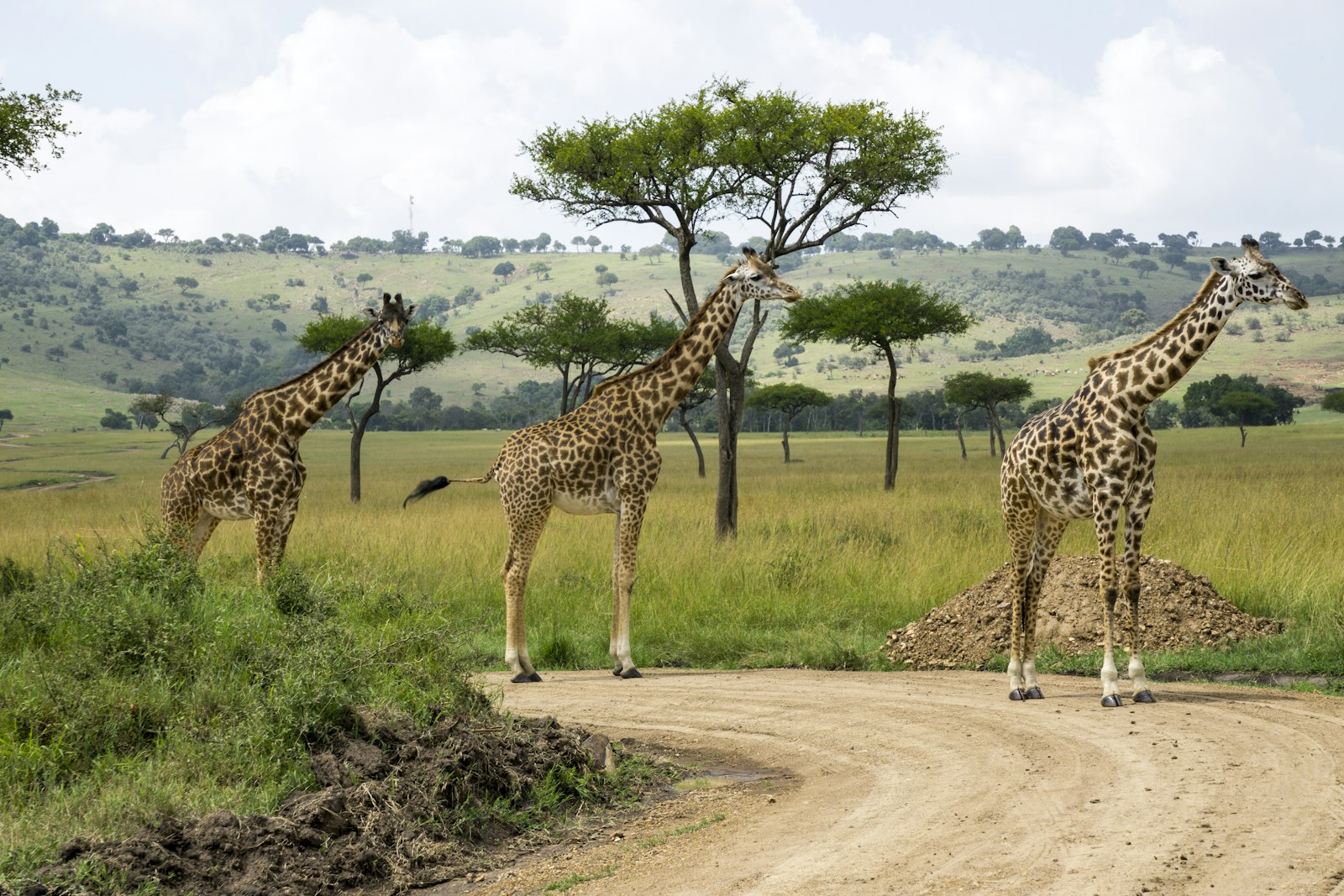
Good Kenya educational group tours are built around clear procedures, so staff always know who to call and what happens next.
- Daily briefing: the lead driver-guide and the trip leader agree the plan, timings and any changes each evening.
- Head counts: agreed counts at every vehicle stop, meal and departure point.
- Clear rules: students stay in vehicles in the parks unless guides say otherwise, and follow lodge rules on walking after dark.
- Contact sheet: names and numbers for the Nairobi operations team, each lodge and each driver-guide, shared with the school and parents’ contact.
- Emergency support: a 24-hour Nairobi contact and complimentary AMREF Flying Doctors emergency evacuation cover on every safari.
Many schools booking Kenya educational group tours also ask for evidence of the operator’s licence and insurance as part of their own checks. Our safari supplier due diligence guide lists the documents to request, and you can verify our licence with the Tourism Regulatory Authority.
Timing, Lead Times and How Pricing Works
Kenya educational group tours are easiest to price and confirm when planning starts 9 to 12 months ahead and travel avoids the busiest migration weeks where the school calendar allows.
When to travel
Kenya educational group tours for schools are tied to holidays, so the choice is often between the Easter break, the summer holidays and the October half-term. The summer holidays overlap with the busiest months in the Mara, which means camps fill early. Easter and late-year breaks can bring rain, but also greener landscapes and easier availability. Our guide to Kenya safari school holidays in 2027 lists the main break dates.
A planning timeline
| Time before travel | Action |
|---|---|
| 12 to 9 months | Agree learning outcomes, dates, group size and budget; request a proposal |
| 9 to 6 months | Confirm the itinerary, pay the deposit, secure camps and vehicles |
| 6 to 3 months | School approvals, consent forms, flights and draft rooming list |
| 3 to 1 months | eTA and Kenyan insurance for all travellers, final names and dietary needs |
| 2 weeks | Final rooming list, contact sheet and pre-departure briefing for staff |
How group pricing is built
The price of Kenya educational group tours depends on group size, vehicle plan, accommodation level, park and conservancy fees, activities, meals and the number of free places for staff. Larger groups share vehicle and guide costs, so the cost per student usually falls as numbers rise. We provide B2B net or commissionable rates with terms confirmed in writing, and our guide to safari payment terms for travel agents explains deposits and balances.
📅 Holiday dates fill early for school groups
The best camps for groups book early in the school holidays. Send us the month, group size and learning focus and we will check availability and send a written quote.
How We Work With Your Agency or School
On Kenya educational group tours we act as your ground operator, so your agency keeps the client relationship while we handle everything from arrival to departure.
- Brief: you send the group size, ages, dates, learning outcomes and budget.
- Proposal: we return an itemised quote within 24 hours, with named lodges, a vehicle plan and park fees on separate lines.
- Refinement: we adjust the route, rooms and activities with you until the school signs off.
- Documents: white-label itineraries, contact sheets and parent information under your brand.
- Operation: meet and greet at JKIA, the full programme, and a 24-hour Nairobi contact.
- Debrief: feedback from the trip leader and our team, ready for the next year’s trip.
Our guide to requesting a safari quote from a DMC lists the details that speed up a proposal, and trade partners can also use our B2B portal. If you want to see the product first, our Kenya fam trip guide explains how inspection visits work.
Common Mistakes to Avoid
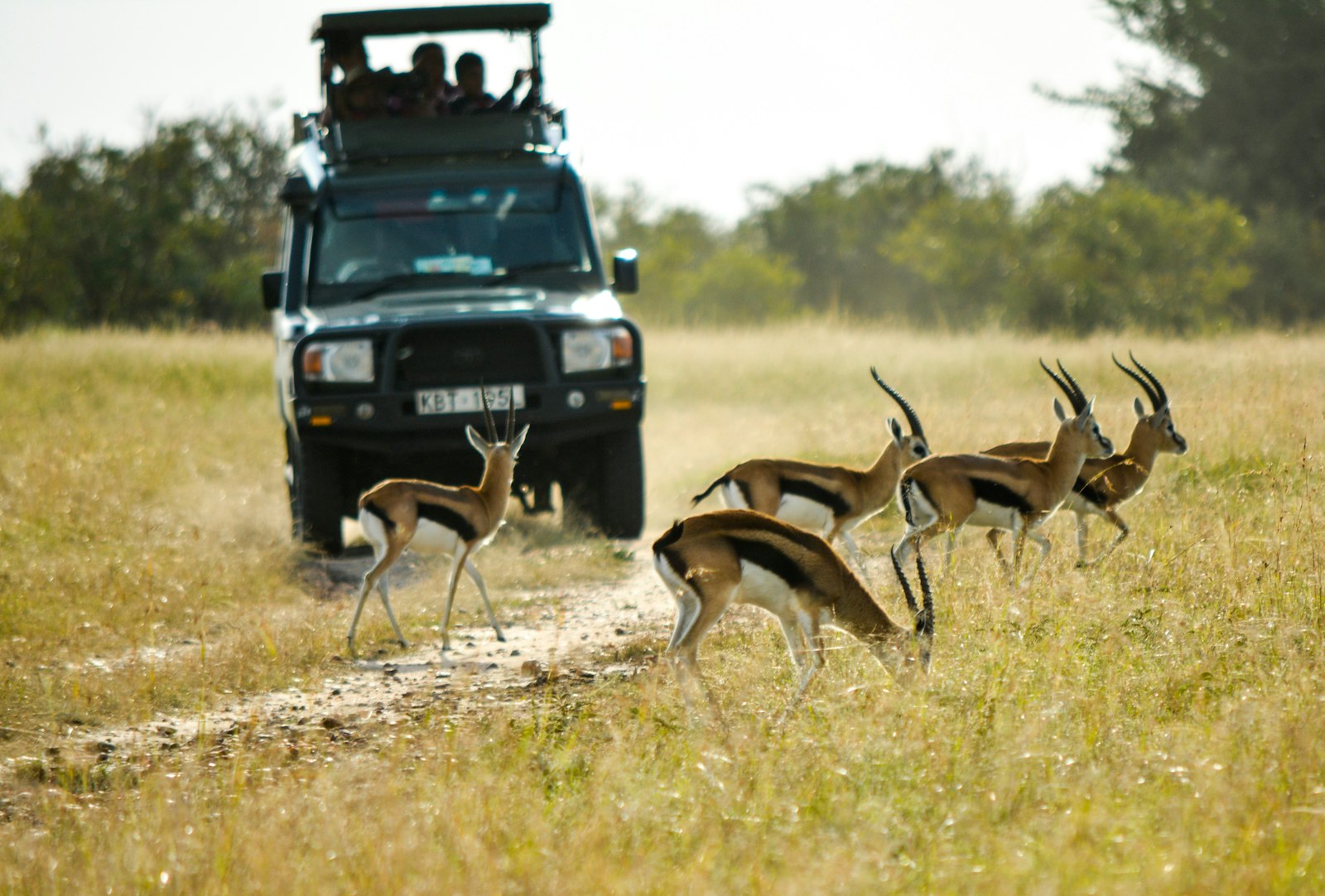
Most problems on Kenya educational group tours come from planning gaps that are easy to close early.
- Too many lodges: moving every night tires students and leaves no time for learning; two nights per stop works better.
- Long driving days: Kenyan roads can be slow, so keep transfers short and plan breaks.
- No learning plan: without set outcomes, the trip becomes a holiday and is harder for the school to approve.
- Late paperwork: leaving the eTA and insurance until the final weeks puts the whole group at risk of delays.
- Unclear roles: agree in writing what teachers, guides and the ground operator each handle.
Kenya Educational Group Tours FAQs
What are Kenya educational group tours?
They are planned study trips for school, college and university groups that combine wildlife, conservation, geography and culture with structured learning. A ground operator in Kenya arranges vehicles, guides, lodges, park entry and activities, while the school sets the learning outcomes and supervision rules for its own students.
How long should an educational tour to Kenya be?
Most school and university groups travel for 7 to 12 days. Seven days covers Nairobi, the Rift Valley and the Masai Mara. Ten to twelve days adds Lake Nakuru, Ol Pejeta or a service day, and allows two nights at each stop so students have time to learn.
Do students need a Kenya eTA and insurance?
Yes. Most visitors, including children, need an approved eTA from the official portal. Since 5 October 2026 most visitors also need Kenyan Government inbound travel health insurance, bought during the eTA application. Schools should still hold their own group travel insurance as their policies require.
What vehicles suit a student group on safari?
Pop-up roof Land Cruisers and safari vans usually seat six or seven passengers, so every student has a window seat. Larger groups travel in several vehicles with a teacher in each. A coach can work for long road transfers, with game-drive vehicles meeting the group at the park.
How far ahead should a school book a Kenya study tour?
Start 9 to 12 months before travel. This leaves time for school approvals, deposits, flights and consent forms, and secures camps and vehicles in busy holiday periods. Final names, dietary needs and the rooming list are usually confirmed a few weeks before arrival.
Can an agency sell Kenya educational group tours under its own brand?
Yes. We work as your ground operator and supply white-label itineraries, contact sheets and parent information under your agency name. We provide B2B net or commissionable rates with terms confirmed in writing, and itemised group quotes within 24 hours of receiving a full brief.
🌍 Your Kenya Partner for Student Groups
Kenya-based ground operator. Real local knowledge. Transparent trade pricing. Tell us about the Kenya educational group tours you plan for schools and universities, and we will share our written trade terms and a sample educational programme under your brand.
💬 Partner on Student Groups📋 Get Education Trade Terms✉ Email a Sample Programme Request
Call or WhatsApp: +254 799 160 081 · Email: info@senseofadventure.co.ke
Related Trade Guides
- › Kenya DMC for Travel Agents: B2B Rates and Ground Handling
- › Kenya Group Tour Ground Handling
- › FIT and GIT Safaris in Kenya
- › Kenya Safari Transport for Tour Operators
- › Safari Supplier Due Diligence: How to Vet a Kenya Partner
Official licensing & park resources: Tourism Regulatory Authority ↗ · Kenya Wildlife Service ↗