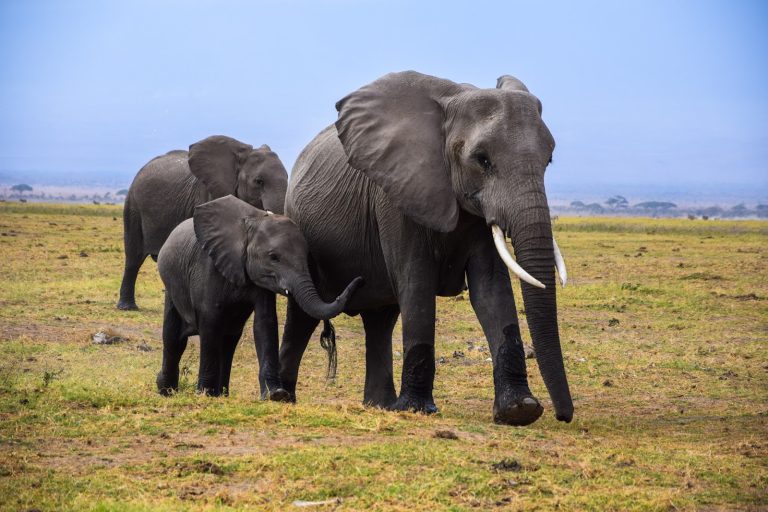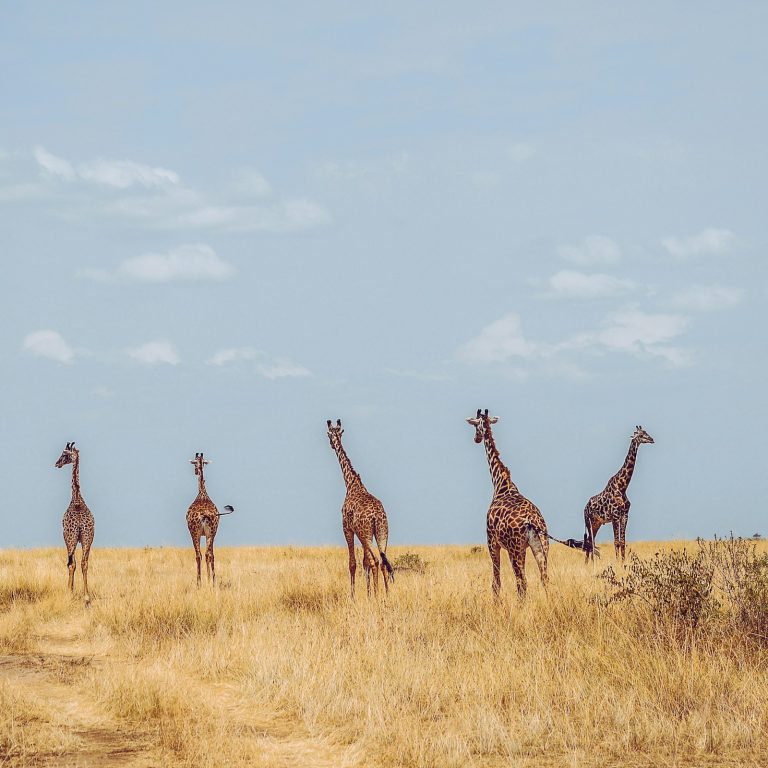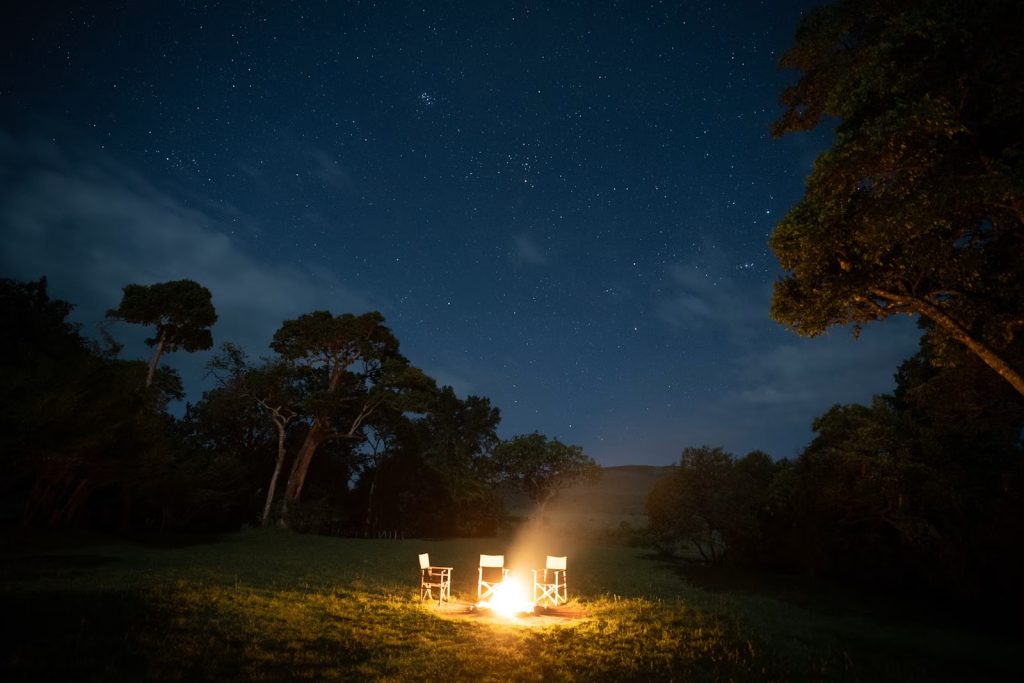
These Kenya travel tips 2026 cover everything a first-time visitor needs to know before landing in Nairobi, from the eTA and money to health, tipping, safety and wildlife etiquette.
Kenya is one of Africa’s most accessible and rewarding travel destinations — but like any country, it has its own rhythms, customs, logistics, and practical realities that are worth understanding before you arrive. After years of welcoming international visitors from every corner of the world, our team at Sense of Adventure has compiled the most useful, honest, and practical Kenya travel tips 2026 visitors need — the advice we give every guest before they depart, and the things we wish every first-time Kenya visitor knew before they landed.
✅ Kenya Travel Tips 2026: The Quick Answer
- Entry: most visitors need an Electronic Travel Authorisation (eTA) from the official etakenya.go.ke website before they fly.
- Money: the currency is the Kenyan shilling (KES); US dollars are widely accepted at camps, and you need cash for tips.
- Health: see a travel doctor six to eight weeks before you go about malaria tablets, vaccinations and yellow fever rules.
- Insurance: carry travel insurance with medical evacuation cover; read our guide to Kenya’s insurance rules for visitors.
- Phone and data: buy a local Safaricom SIM or eSIM at JKIA on arrival for cheap data and WhatsApp.
- Best time to go: June to October and January to February are the dry seasons and the easiest months for safari.
- Plugs and time: UK-style three-pin plugs (Type G), 240 volts, and East Africa Time (UTC+3) all year.
🌎 Ready to Start Planning?
Our Kenya safari experts are on WhatsApp right now — ask us anything about dates, destinations, or costs.
💬 WhatsApp Us Now or call +254 799 160 081
Kenya Travel Tips 2026: Entry Requirements, Visa and eTA
Kenya introduced a significant change to its entry system in 2024: the traditional visa system was replaced by an Electronic Travel Authorisation (eTA) for most nationalities. Most international visitors now apply online at the official eTA Kenya website before arrival. The eTA has cost around USD $30 for most nationalities and is usually processed within 72 hours, but fees and rules can change, so check the current fee when you apply. Never use unofficial websites that charge extra.
Citizens of East African Community member states, and many other African countries, are exempt from the eTA — check your specific situation on the official site. A Yellow Fever vaccination certificate is required for entry if you are arriving from a Yellow Fever endemic country. Always carry your certificate in your travel documents.
Kenya travel tips 2026 for your passport and paperwork
- Your passport should be valid for at least six months after you arrive and have blank pages for stamps.
- Apply for your eTA at least a week before you fly, and keep a printed and a digital copy.
- Carry proof of your return or onward flight, as airlines may ask for it at check-in.
- Children need their own passport and their own eTA.
- From 5 October 2026, most visitors also buy Kenya’s mandatory travel insurance with the eTA, at USD 44 per traveller, each child included. A home policy cannot be uploaded or used instead, so keep your own insurance too for evacuation and cancellation.
Arriving in Kenya: JKIA and Wilson Airport
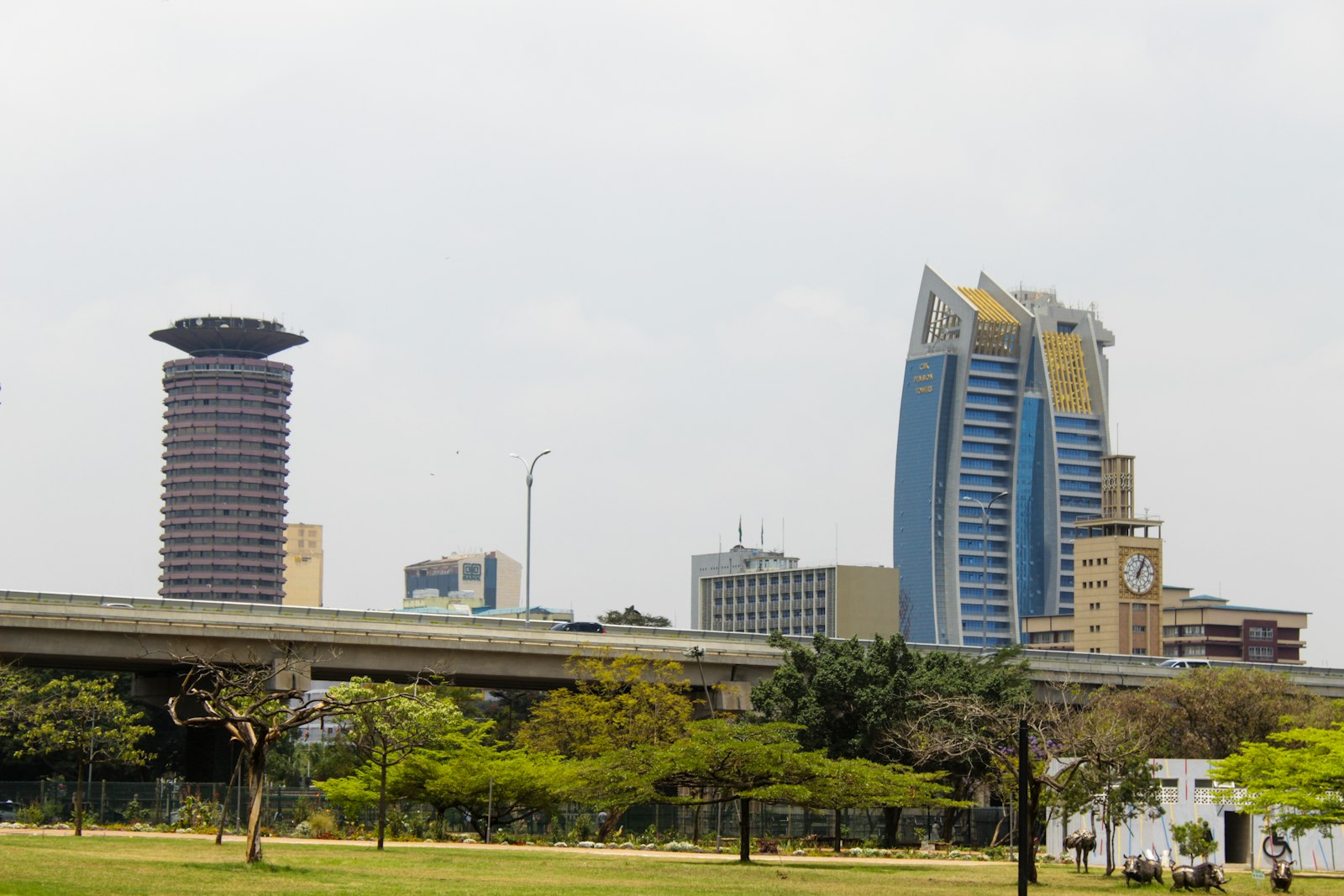
Most international flights land at Jomo Kenyatta International Airport (JKIA) in Nairobi. After immigration and baggage, you will find SIM card counters, ATMs and currency exchange in the arrivals area. If you are on a safari with us, your driver-guide meets you outside with a name board.
Many safari flights to the Masai Mara, Samburu and Amboseli leave from the smaller Wilson Airport on the other side of the city. Traffic between the two can be heavy, so allow plenty of time. Our guide to the JKIA to Wilson Airport transfer explains connection times and the 15 kg soft-bag luggage limit on light aircraft.
Kenya Travel Tips 2026: Currency and Money
Kenya’s currency is the Kenyan Shilling (KES). USD is widely accepted at safari camps, lodges, and Nairobi hotels, and is the most useful foreign currency to carry. British Pounds and Euros are exchangeable at Nairobi airport and city exchange bureaus but are less universally accepted than USD at safari destinations.
ATMs are widely available in Nairobi and in larger towns. Equity Bank, KCB, and Co-operative Bank ATMs reliably accept international Visa and Mastercard cards. In remote safari areas (Masai Mara, Samburu, Tsavo), ATMs are unavailable — carry sufficient cash before leaving Nairobi. Most mid-range and luxury safari camps accept credit cards for the main bill; tips and incidental purchases require cash. See our Kenya safari cost guide for tip amounts and cash-carrying recommendations.
M-Pesa and paying like a local
Kenyans pay for almost everything with M-Pesa, Safaricom’s mobile money service. Visitors with a Safaricom SIM can often register for it with their passport, which makes taxis, small shops and markets easier. Bring US dollar notes printed in 2013 or later and in good condition, as older or torn notes are often refused. Our guide to Kenya safari spending money has daily budgets for drinks, tips and souvenirs.
Mobile Connectivity
Kenya has excellent mobile network coverage in Nairobi and most urban areas. In the national parks and more remote safari areas, Safaricom (Kenya’s largest network) provides the most reliable coverage — often 3G/4G in areas that might surprise you, including parts of the Masai Mara. However, connectivity in truly remote areas (northern Samburu, parts of Tsavo East) can be limited or absent.
We recommend purchasing a Safaricom SIM card at Nairobi’s JKIA airport on arrival — they are sold at the data counters in the arrivals hall, and you will need your passport to register it. Data packages are inexpensive (approximately 1GB for USD $1) and having a local number and data plan dramatically simplifies communication throughout your trip, including staying in touch with our team via WhatsApp throughout your safari.
📅 Get a Free Custom Itinerary
Tell us your travel dates and we will send you a fully personalised safari proposal — no obligation, no pressure.
Health and Medical Preparation
Health is where our Kenya travel tips 2026 matter most, so start preparing early.
Malaria: Kenya’s major safari parks (Masai Mara, Samburu, Tsavo, Amboseli) are malaria-risk areas. Prophylaxis is strongly recommended — consult a travel doctor or GP at least 6–8 weeks before departure. Atovaquone-proguanil (Malarone) is the most commonly prescribed for short-term visitors; doxycycline is an alternative. In addition to prophylaxis, apply DEET insect repellent at dawn and dusk, wear long sleeves and trousers during these periods, and sleep under a mosquito net if your camp provides one. Read our Kenya safari malaria guide for more detail.
Food and water safety: At reputable safari camps and Nairobi hotels, food safety standards are high and most international visitors do not experience stomach problems. The standard precaution: drink bottled or filtered water only (provided free by all reputable camps), avoid ice in drinks from street vendors, and be selective about street food in Nairobi. Safari camps typically provide bottled water on game drives and boiled water for hot drinks — do not drink tap water in hotels or lodges without confirmation that it is filtered.
Medical facilities: In Nairobi, the Aga Khan Hospital and Nairobi Hospital are excellent private facilities that meet international standards. In the national parks, medical facilities are basic — AMREF Flying Doctors provides emergency medical evacuation to Nairobi from most major park areas, and our safaris include AMREF emergency evacuation cover. Comprehensive travel insurance including medical evacuation cover (minimum USD $200,000) is essential.
Kenya Travel Tips 2026 on Safety
Millions of visitors travel to Kenya safely every year, and safari areas are generally very safe. Most problems are petty theft in cities, which simple precautions prevent. Check your government’s latest advice, such as the UK Foreign Office travel advice for Kenya, before you book and again before you fly.
- Use a registered taxi, a ride-hailing app or your safari driver rather than walking in Nairobi after dark.
- Keep phones and cameras out of sight in busy streets and at traffic lights.
- Leave valuables and spare cash in your hotel safe.
- Follow your guide’s instructions in camps and parks at all times, especially at night.
For the full safety picture, see our Is Kenya safe for tourists guide.
Getting Around Kenya
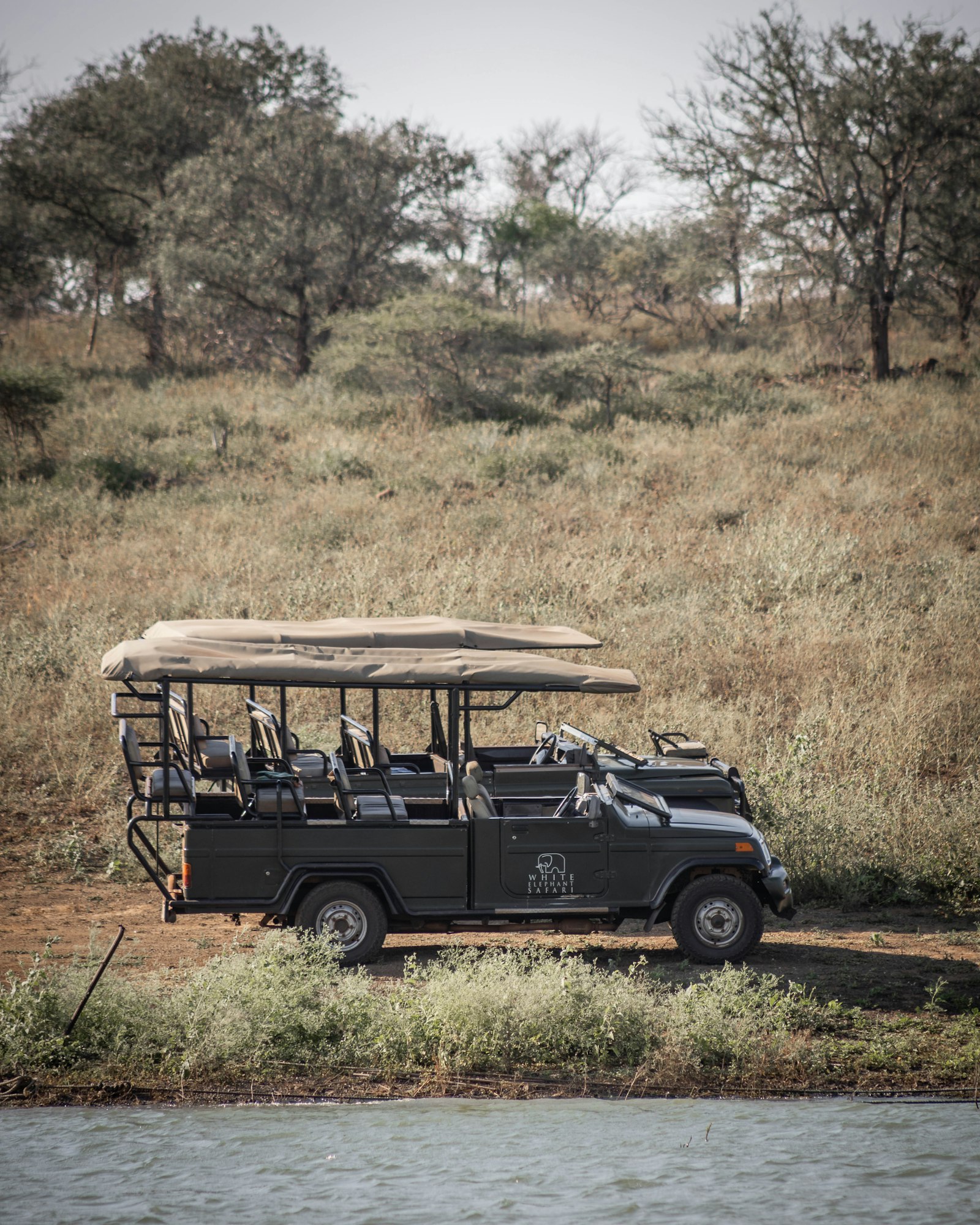
Distances in Kenya are large and many roads are slow, so plan your route carefully. Most safari travellers move between parks in a 4×4 safari vehicle with a driver-guide, which doubles as your game drive vehicle.
- By road: Nairobi to the Masai Mara takes about five to six hours, with a stop at the Great Rift Valley viewpoint.
- By air: scheduled light-aircraft flights from Wilson Airport reach the Mara in about an hour and save a full day of driving.
- By train: the Madaraka Express runs between Nairobi and Mombasa and is a comfortable way to reach the coast.
See our Kenya safaris from Nairobi for road trips that start and end in the capital, or our private Kenya safari packages if you want your own vehicle and guide.
What to Wear in Kenya
Kenya is a culturally diverse country where appropriate dress varies by context. In Nairobi and at safari camps, dress is casual — safari-appropriate clothing (neutral colours, comfortable) is perfectly appropriate everywhere. In coastal Muslim communities (Lamu, Mombasa Old Town), more modest dress is respectful — cover shoulders and knees when walking through mosques or traditional neighbourhoods. For the full safari packing guide, see our African safari packing guide.
One of the simplest Kenya travel tips 2026 visitors overlook: early mornings on game drives can be cold, especially in the highlands and the Masai Mara, so pack a warm fleece. Kenya banned plastic carrier bags in 2017, so leave them at home and pack with zip-up pouches or cloth bags instead.
Photography Etiquette
Always ask permission before photographing individual Maasai or other Kenyan people, especially in rural or traditional areas. Many Maasai are happy to be photographed for a small fee (typically KES 100–200 per photograph) — this is their livelihood and a legitimate transaction. Photograph national park wildlife freely from your vehicle; do not get out of the vehicle in predator areas without guide permission. Drones are prohibited in Kenya’s national parks without a specific permit from the Kenya Civil Aviation Authority — do not attempt to fly a drone in any national park.
Tipping Culture
No list of Kenya travel tips 2026 is complete without tipping. Tipping is customary and genuinely important to the income of Kenya’s safari and hospitality workers:
- Safari guide: USD $15–$25 per vehicle per day (regardless of the number of guests in the vehicle)
- Camp staff (collective tip box): USD $10–$15 per guest per day
- Driver/transfer driver: USD $5–$10 per person per transfer
- Restaurant in Nairobi: 10% is customary if not included in the bill
Language, Plugs and Time Zone
English and Swahili are Kenya’s official languages, and English is spoken in hotels, camps and most shops. A few Swahili words go a long way: jambo (hello), asante (thank you), karibu (welcome) and pole pole (slowly, slowly).
Kenya uses UK-style three-pin plugs (Type G) at 240 volts, so most visitors from outside the UK need an adapter. Many camps run on solar power or generators, so charge cameras whenever power is available and bring a power bank. Kenya is on East Africa Time (UTC+3) all year, with no daylight saving.
Best Time to Visit Kenya in 2026
Timing is one of the Kenya travel tips 2026 travellers ask us about most. Kenya is a year-round destination, but the dry seasons are the easiest for safari. Here is a simple guide to the year:
- January to February: hot and dry, excellent game viewing and good value.
- March to May: the long rains, especially April and May, with green scenery and the lowest prices.
- June to October: the main dry season; the Great Migration is in the Masai Mara from about July to October.
- November to December: the short rains, with green landscapes and fewer visitors until the festive season.
For month-by-month detail, see our best time for safari in Africa calendar and our guide to the cheapest time for a Kenya safari.
Respecting Wildlife and the Environment
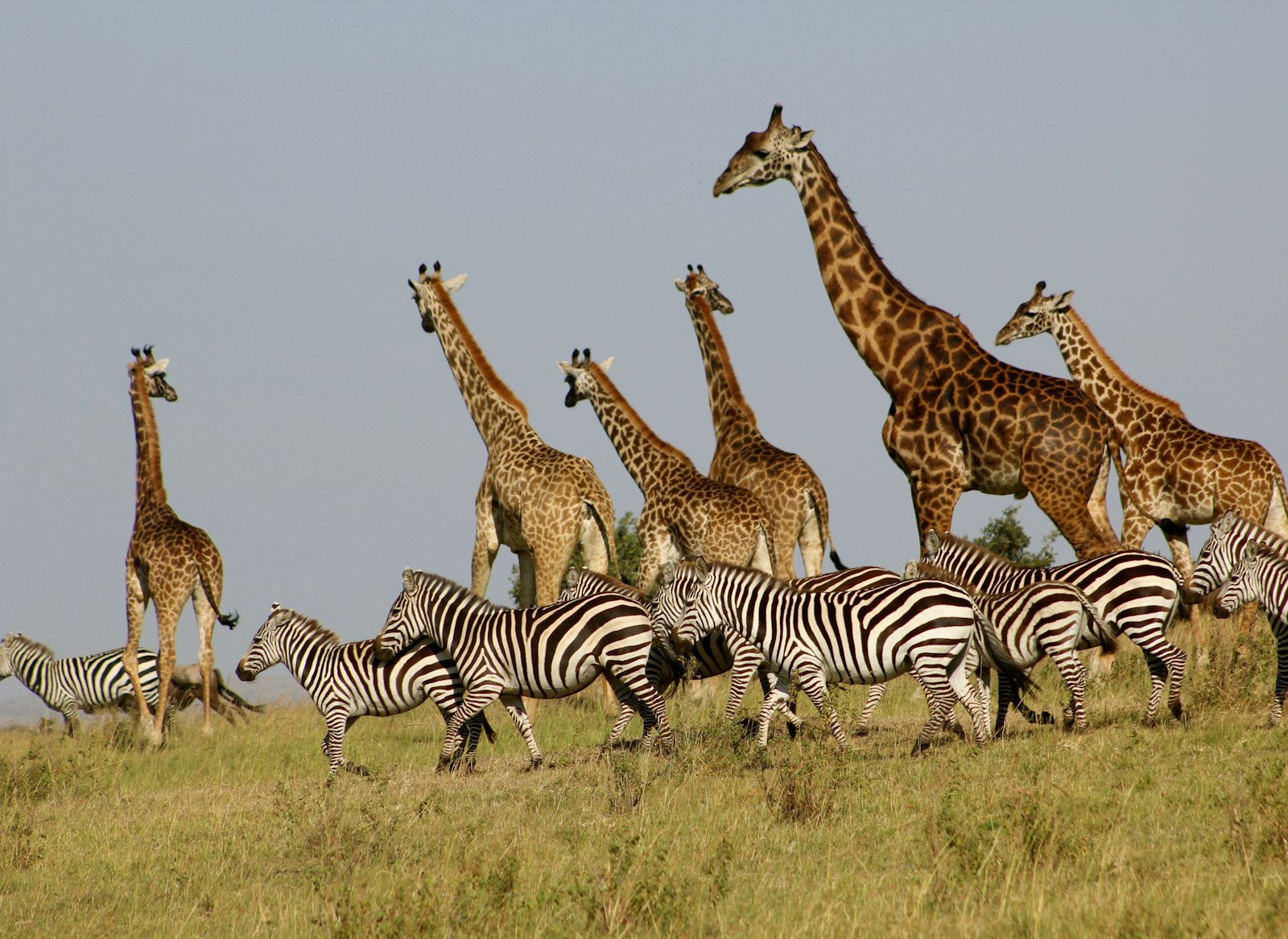
Kenya’s wildlife is protected under the Wildlife Conservation and Management Act. It is illegal to disturb, feed, or attempt to touch wildlife in national parks. Do not stand in vehicles in the presence of predators. Do not litter in any park or reserve — all waste must be taken out. Do not purchase wildlife products (ivory, skins, shells) as souvenirs — these are illegal to import into most countries and their purchase directly funds poaching. Sense of Adventure maintains a strict environmental policy across all our operations — we expect the same respect from our guests.
Park rules and entry fees are set by the Kenya Wildlife Service and county governments. Fees change from time to time, so check current fees with KWS or the park authority, or let us include them in your safari quote.
Planning and Booking Your Kenya Safari
The last of our Kenya travel tips 2026 is simple: book early if your dates are fixed. The best camps for July to October and the Christmas holidays fill months ahead. Our guide to how far in advance to book a Kenya safari gives lead times by season.
For a first trip, the Masai Mara is hard to beat. Our Masai Mara safari packages start from USD 590 per person for a 4-day camping safari and USD 650 for a 3-day road safari, and every quote lists exactly what is included in a Kenya safari.
Kenya Travel Tips 2026: Frequently Asked Questions
Do I need a visa for Kenya in 2026?
Most visitors do not need a traditional visa but must apply for an Electronic Travel Authorisation before travelling. Apply on the official eTA website, ideally at least a week before your flight, and keep a copy with your passport. Many African nationalities are exempt, so check the rules for your passport on the official site.
Is Kenya safe for tourists?
Yes, for the vast majority of visitors. Safari parks and camps are very safe, and most problems are petty theft in cities. Use registered taxis, avoid walking at night in Nairobi, keep valuables out of sight and follow your government’s travel advice. Travelling with a licensed local operator adds an extra layer of support.
Can I use US dollars in Kenya?
Yes. US dollars are widely accepted at safari camps, lodges and larger hotels, and are the best currency for tips. Bring clean notes printed in 2013 or later. For taxis, markets and small shops you will need Kenyan shillings, which you can withdraw from ATMs in Nairobi or pay with M-Pesa.
Do I need malaria tablets for a Kenya safari?
Most travel doctors recommend malaria tablets for the main safari parks, including the Masai Mara, Amboseli, Tsavo and Samburu, as well as the coast. Nairobi itself is low risk. See a travel doctor six to eight weeks before you go, and use repellent and long sleeves at dawn and dusk.
How much should I tip on safari in Kenya?
As a guide, plan on USD $15–$25 per vehicle per day for your safari guide and USD $10–$15 per guest per day for the camp staff tip box. Transfer drivers usually receive USD $5–$10 per person. Tipping is always at your discretion and should reflect the service you receive.
Ready to put these Kenya travel tips 2026 into practice? For planning your safari itinerary around these practical tips, our team is on WhatsApp and ready to help you prepare for the best possible Kenya experience. For more inspiration, visit Magical Kenya, the official tourism board website.
🏑 Book Your Safari With Sense of Adventure
Kenya-based experts. Real local knowledge. Transparent pricing. We have been doing this for years — let us show you why our guests keep coming back.
💬 WhatsApp Us — Plan Your Safari Today
Call or WhatsApp: +254 799 160 081