This Mombasa travel guide shows you how to turn Kenya’s great coastal gateway into a real part of your trip, not just a transfer point. Mombasa is Kenya’s second city and its oldest — a trading port that has operated continuously for over a thousand years at the junction of the Indian Ocean trade routes. The Portuguese fortified it in 1593, the Omani Arabs governed it for centuries, and the British made it the terminus of the Uganda Railway, the “Lunatic Line” that opened the interior of East Africa to commerce.
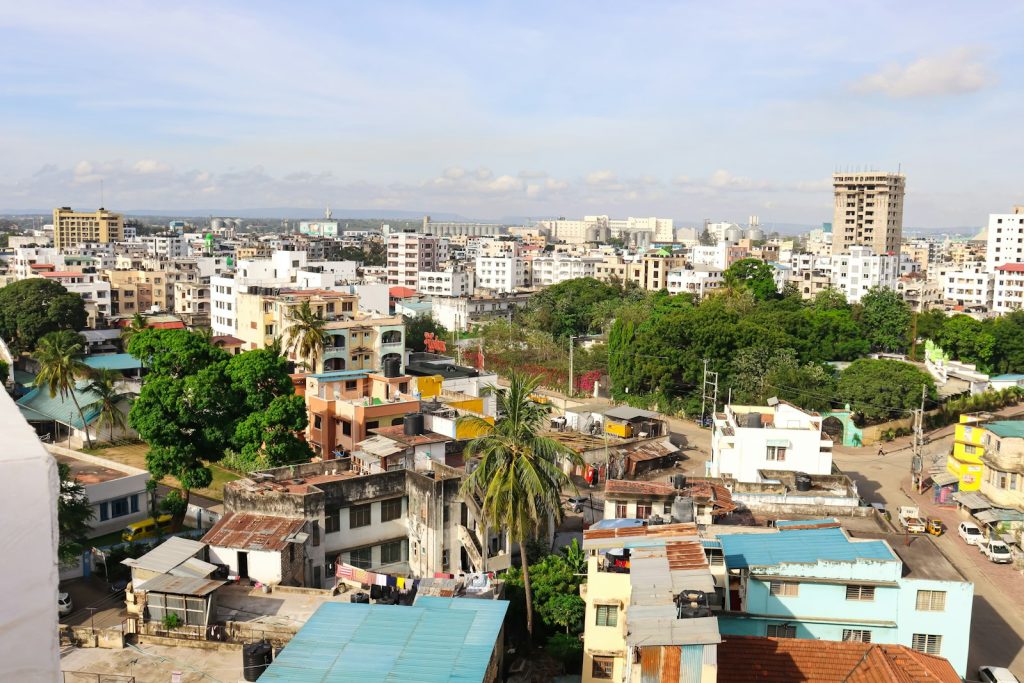
All of this history has left a city of extraordinary layered character: the Arab-Swahili architecture of the Old Town, the carved wooden doorways, the call to prayer from 23 mosques, the fish market at the waterfront, and then, just across the Likoni Ferry, the modern coastal strip with its international hotels and the turquoise Indian Ocean beyond. Sense of Adventure connects guests through Mombasa as the coastal gateway to the Kenyan Swahili coast — this guide makes sure you use the city rather than just passing through it.
Connect Through Mombasa With Sense of Adventure
We handle all Mombasa airport connections, Old Town tours, hotel recommendations, and transfers to Diani Beach, Lamu, and the coast. Contact us to plan your coastal Kenya experience.
What Mombasa Offers the Kenya Traveller
For most Kenya safari guests, Mombasa is either an arrival or departure point — a city you pass through rather than visit. That is a mistake. Mombasa’s Old Town is one of the most atmospheric urban environments in East Africa, and Fort Jesus is one of the most significant historical sites on the entire African continent. A half-day in the Old Town adds a dimension of historical and cultural context to your Kenya trip that no safari experience provides — the sense of the Indian Ocean world’s longue durée, of a city that was already ancient when Vasco da Gama first rounded the Cape in 1498.
A Short History of Mombasa
No Mombasa travel guide makes sense without a little history, because the past is visible on almost every street. Swahili trading towns grew up along this coast more than a thousand years ago, linking African goods such as ivory and gold with merchants from Arabia, Persia and India who sailed in on the monsoon winds.
The Portuguese arrived at the end of the 15th century and built Fort Jesus in 1593. Control then passed back and forth between the Portuguese, the Omani Arabs and local rulers for well over two centuries. In the late 19th century the British took over, built the railway to Uganda from the Mombasa coast and made the city the main port for East Africa. Today Kilindini harbour is still one of the busiest ports on the continent, while the Old Town keeps the older Swahili rhythm of trade, faith and family.
Five Essential Mombasa Experiences
These are the five experiences we include in almost every city day. Together they form the core of this Mombasa travel guide.
Fort Jesus — UNESCO World Heritage & Portuguese History
Fort Jesus was built by the Portuguese in 1593 to control the East African coast and is one of the best-preserved examples of 16th-century Portuguese military architecture in the world. The fort has been besieged, conquered, and reconquered nine times in its history — by Swahili sultans, Omani Arabs, and finally the British. The museum inside holds extraordinary artefacts from the trading civilisations that have passed through Mombasa over ten centuries. UNESCO inscribed it in 2011. A 2-hour guided visit gives you the full story — Sense of Adventure arranges expert guides.
Old Town Walking Tour — The Carved Door Trail
Mombasa’s Old Town is a protected conservation area of Arab-Swahili architecture beside the UNESCO-listed Fort Jesus — narrow streets, coral-stone buildings, and wooden doors whose carved decoration speaks a detailed language of family history, Islamic tradition, and mercantile aspiration. The finest doors in the Old Town are among the most accomplished pieces of decorative woodworking in East Africa. Sense of Adventure’s Old Town guides know every door’s story, the history of the families that commissioned them, and the lanes where the spice traders, goldsmiths, and dhow builders still work.
Mombasa Fish Market — The Indian Ocean on Ice
The morning fish market at the Old Town waterfront is where Mombasa’s Indian Ocean identity is most viscerally on display: dhow crews unloading the night’s catch, auctions conducted in Swahili and Giriama, fishmongers filleting sailfish and snapper on concrete slabs, and the smell — fish, salt water, diesel — that has defined this waterfront for centuries. Sense of Adventure arranges early morning market visits as part of Old Town excursions, followed by breakfast at a waterfront restaurant.
Mombasa Food Trail — Swahili Coastal Cuisine
Mombasa’s food is one of Kenya’s great undiscovered pleasures — a Swahili coastal cuisine built on centuries of Indian Ocean trade: coconut milk curries, pilau rice fragrant with cardamom and cloves, fresh crab from the mangrove creeks, samosas fried in ghee, and biryani variations that trace their lineage to Omani, Indian, and African kitchens simultaneously. Sense of Adventure recommends specific Old Town restaurants and street food vendors, and can arrange food-focused walking tours that work through the different culinary traditions of the coast.
Likoni Ferry — Mombasa’s Working Waterway
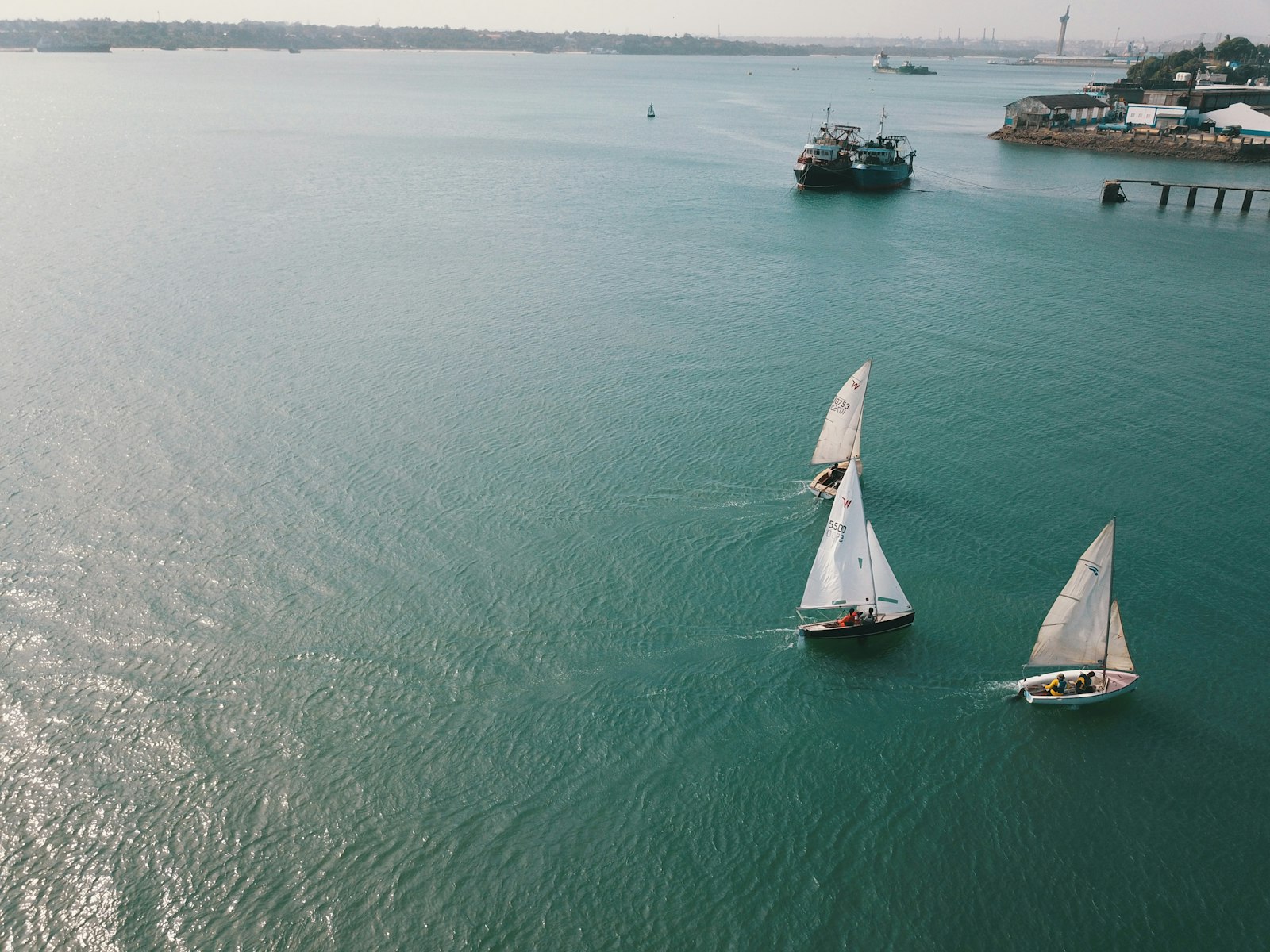
The Likoni Ferry crosses the narrow channel between Mombasa Island and the South Coast mainland in a constant flow of passengers, matatus, and cattle — a working waterway that has connected the city to its southern hinterland for generations. The crossing takes 5 minutes and costs almost nothing. On the ferry deck you get the best view of Mombasa Harbour — the dhows at anchor, the container ships at Kilindini, the mangrove shore — and a completely unfiltered experience of the city’s working life.
More Things to Do in and Around Mombasa
Once you have seen the Old Town and the fort, the city and its north coast have plenty more to fill a second day. These are the extra stops we add most often when guests use this Mombasa travel guide to plan a longer stay.
Haller Park
In Bamburi, north of the island, Haller Park is a former limestone quarry that was turned back into forest, grassland and ponds. Today it is home to giraffes, hippos, antelopes, tortoises and many birds. It is a gentle, shaded visit that works well with children or on a hot afternoon.
Mombasa Marine National Park
Off Nyali and Bamburi beaches, the reef is protected as a marine park managed by the Kenya Wildlife Service. Glass-bottom boat trips and snorkelling at low tide show corals, starfish and reef fish without needing to dive. Fees are set by KWS, so check current rates with us.
The Tusks and the modern city centre
The arched aluminium tusks on Moi Avenue were put up for a royal visit in 1952 and remain the city’s best-known landmark. A short drive along Moi Avenue, with a stop at a coffee house or a juice bar, gives a feel for everyday life beyond the Old Town.
North coast history and crafts
Further north, the ruins of Jumba la Mtwana show the remains of a Swahili settlement beside the sea, and the Bombolulu workshops sell crafts made by people with disabilities. Both pair well with a beach afternoon at Nyali, Bamburi or Shanzu.
How to Get There: Mombasa Travel Guide to Arrivals
By air: Moi International Airport sits on the mainland west of the island. Frequent flights link it with Nairobi in about an hour, and some international and regional airlines fly in directly. The drive to the Old Town is usually 20 to 40 minutes, depending on traffic. If you only have a few hours between flights, see our Mombasa airport layover guide.
By train: The Madaraka Express runs between Nairobi and Mombasa in around five to six hours. The Mombasa terminus is at Miritini on the mainland, and the line often gives views of the Tsavo plains on the way. It is a comfortable choice if you have time and want to see the country change from highlands to coast.
By road: The Nairobi to Mombasa highway is long and busy with lorries. It is best used in short stages, for example combined with nights in Tsavo, rather than as a single long day.
Where to Stay in Mombasa
You have three main choices. Mombasa Island and the Old Town have a small number of heritage guesthouses and city hotels, ideal if history is your focus. The north coast — Nyali, Bamburi and Shanzu — has large beach resorts with pools, which suit families and travellers who want a beach within easy reach of the city. The south coast, especially Diani, is where most of our guests stay for the beach, visiting Mombasa on a half-day or full-day trip.
If you have only one night between safari and a flight home, staying near the island keeps transfers short. If you have three nights or more, we usually recommend Diani or the north coast as a base and a guided day in the city.
What Mombasa Costs
Mombasa travel guide to tour prices
Mombasa itself is affordable to explore, and most costs come from guides, transfers and entry fees. Here are prices from our current trips that start from or include the city, per person in US dollars:
- Swahili Coast Heritage Tour (3 days) — from USD 550, covering Swahili old towns, Fort Jesus and centuries of Indian Ocean trade.
- Tsavo East day safari from Mombasa & Diani — from USD 230.
- 2-Day Tsavo & Taita Hills safari from Mombasa — from USD 420.
- Tsavo & Amboseli safari from Mombasa (4 days) — from USD 1,050.
- Diani Beach Getaway (4 days) — from USD 650, if you want to add beach time south of the city.
Entry to Fort Jesus is charged by the National Museums of Kenya and differs for residents and visitors, so check current rates with us before you go. Tuk-tuks and taxis are cheap, but agree a fare first or use a ride-hailing app. Every price in this Mombasa travel guide is a starting point, and we will send an exact quote for your dates.
A One-Day Mombasa Plan
Morning: Start early at the fish market and the Old Port, then walk through the Old Town lanes with a guide while it is still cool. Finish at Fort Jesus when it opens to visitors and allow around two hours inside.
Lunch: Try a Swahili lunch of biryani, pilau or grilled fish with coconut rice in the Old Town.
Afternoon: Rest through the heat, then visit Haller Park or take a glass-bottom boat at the marine park if the tide suits.
Evening: Watch the sun go down from a waterfront spot, or cross the Likoni channel to Diani for dinner on the beach. Use this Mombasa travel guide plan as a template, and we can adjust the order to fit tides and flight times.
Practical Tips for Visiting Mombasa
- Dress modestly in the Old Town. Mombasa has a large Muslim population. Covering shoulders and knees is respectful and keeps you cooler in the sun.
- Start early. The coast is hot and humid for much of the year. Walking tours are far more pleasant before 11am.
- Plan around traffic. The Likoni Ferry and the roads onto the island can be slow at peak times. Leave plenty of time before flights and trains.
- Keep valuables discreet. As in any busy port city, keep phones and cameras secure in crowded areas and use a guide or a trusted driver after dark.
- Respect Ramadan. During the holy month, avoid eating or drinking in the street during daylight in the Old Town. Many restaurants still serve visitors.
- Health and entry. The coast is a malaria area, so speak to your doctor before travel. Most visitors need a Kenya eTA from the official eTA Kenya portal, and you can check the latest UK government travel advice for Kenya or your own government’s equivalent.
Mombasa as a Coastal Hub
Mombasa serves as the gateway to Kenya’s entire south coast. Diani Beach is 30 km south via the Likoni Ferry — 45 minutes by road in normal traffic. Lamu Island is served by flights from Mombasa’s Moi International Airport. Tsavo’s eastern boundary is 130 km northwest. Sense of Adventure handles all Mombasa airport connections, hotel recommendations, Old Town tour bookings, and onward transfers to the coast’s finest destinations. Our Kenya safari planning guide explains how to use Mombasa as the seamless hinge between bush and beach.
Many guests start a private Kenya safari from the coast, heading inland to Tsavo and Amboseli with their own guide, then returning to the beach. Others fly up to the Mara from the coast; see our Masai Mara safari packages for options. North of the city, our Malindi travel guide covers the next stretch of the Swahili coast.
Mombasa in the Morning. Diani Beach in the Afternoon.
Sense of Adventure handles every Mombasa connection on your Kenya itinerary — Old Town tours, airport transfers, hotel bookings, and seamless onward travel to Diani and Lamu.
Frequently Asked Questions — Mombasa
Is Mombasa worth visiting beyond the beach?
Absolutely — Mombasa’s Old Town and Fort Jesus are among the most historically significant and atmospherically rich urban environments in East Africa. For guests staying at Diani Beach, a half-day excursion to Fort Jesus and the Old Town is one of the most rewarding additions to a Kenya coast stay. Sense of Adventure arranges all Old Town excursions from Diani.
How do I get from Mombasa to Diani Beach?
From Mombasa to Diani Beach: take the Likoni Ferry from Mombasa Island to the South Coast mainland (5 minutes, runs continuously), then drive south approximately 25 km to Ukunda and the Diani beach strip — total journey around 45–60 minutes. Sense of Adventure arranges all road transfers. Diani also has its own airstrip (Ukunda Airstrip) served by light aircraft from Mombasa and Nairobi.
Is Mombasa safe for tourists?
Mombasa’s tourist areas — the Old Town, Fort Jesus, and the beach strip at Nyali and Bamburi — are well-established and safe for visitors. As with any large port city, standard awareness of your surroundings applies. Sense of Adventure uses only trusted, vetted drivers and guides for all Mombasa excursions and will provide specific area guidance to all guests.
What is the best time to visit Mombasa?
Mombasa is pleasant year-round, but the coolest and driest months — January to March and July to October — offer the most comfortable conditions for walking the Old Town. The long rains (April–May) and short rains (November) bring humidity and some flooding in low-lying areas. The Old Town can be explored comfortably any month with an early morning start.
How many days do I need in Mombasa?
One full day is enough to see Fort Jesus, the Old Town and the fish market at a comfortable pace. Add a second day for Haller Park, the marine park or the north coast ruins. Most travellers then move on to Diani, Watamu or a Tsavo safari rather than staying in the city longer.
Can I go on safari from Mombasa?
Yes. Tsavo East is the closest major park and can be visited on a long day trip or, better, an overnight safari. Tsavo West and Amboseli are reachable on three- to four-day trips. For the Masai Mara, most people fly from Mombasa or Ukunda, which takes a few hours rather than a long road journey.
How long should I spend at Fort Jesus?
Allow around two hours for Fort Jesus with a guide. That gives time to walk the ramparts, see the museum collection and hear the story of the sieges. Go early in the day, when it is cooler and quieter, and combine the visit with a walk through the Old Town lanes next door.