

Safari deposit credit card protection is real for Americans, but it is narrower than most people think: the Fair Credit Billing Act lets you dispute billing errors within 60 days of the statement, while a non-refundable deposit you cancel yourself is rarely something a chargeback can reverse. This guide explains what US law and your card issuer can and cannot do when you pay a Kenya safari deposit by card, and how to set up your booking so the protection works if you ever need it.
Sense of Adventure is a licensed tour operator and DMC at Mountain Mall on Thika Road, Nairobi. “Is my card going to protect me?” is one of the first questions American guests ask before paying a deposit to a company on another continent, and it deserves a straight answer.
Quick answer
- A US credit card gives you Fair Credit Billing Act rights for billing errors, such as a wrong amount, a duplicate charge or services not delivered as agreed.
- Your written dispute must reach the issuer within 60 days of the first statement showing the charge, which is often months before your safari.
- A chargeback is your card network’s process, not a law. It is not a refund right when you cancel under terms you accepted.
- Debit cards do not carry Fair Credit Billing Act rights.
- Our card payments settle in Sense of Adventure’s own merchant name, so the charge on your statement is easy to recognize.
- For cancellation risk, travel insurance does the job a card cannot.
General information, not legal advice. Card rules differ by issuer and network, so confirm the details with your own card company before you rely on them.
What Does Safari Deposit Credit Card Protection Actually Cover?
Safari deposit credit card protection in the US rests on two separate things that people often blur together. The first is federal law, the Fair Credit Billing Act (FCBA), which applies to credit cards and other open-end revolving credit. The second is the card network’s own chargeback system, which is a private set of rules between banks and merchants.
According to the Federal Trade Commission’s guide to disputing credit card charges, the FCBA covers billing errors such as unauthorized charges, wrong amounts or dates, and goods or services not accepted or not delivered as agreed.
It does not turn a non-refundable deposit into a refundable one. If you accepted terms saying the deposit is forfeited on cancellation and then cancel, that is not a billing error.
Credit Card or Debit Card: Which Should You Use for a Safari Deposit?
Use a credit card. The FCBA protections described here apply to credit cards and revolving credit, and the FTC describes the dispute process in exactly those terms. A debit card pulls money straight from your checking account, and disputes on debit transactions rely mostly on your bank’s own policy and the card network’s rules rather than the FCBA.
There is a practical difference too. With a credit card, the FTC notes that you can withhold the disputed amount while the issuer investigates, and the issuer cannot report you as delinquent for it. You still pay the rest of your bill. With a debit card, the money has already left your account. In short, safari deposit credit card protection only exists if it is actually a credit card.
If you are collecting points for flights, our guide to flying to Kenya on points explains how to pair award seats with a land-only safari.
How Does the 60-Day Rule Work When Your Safari Is Months Away?
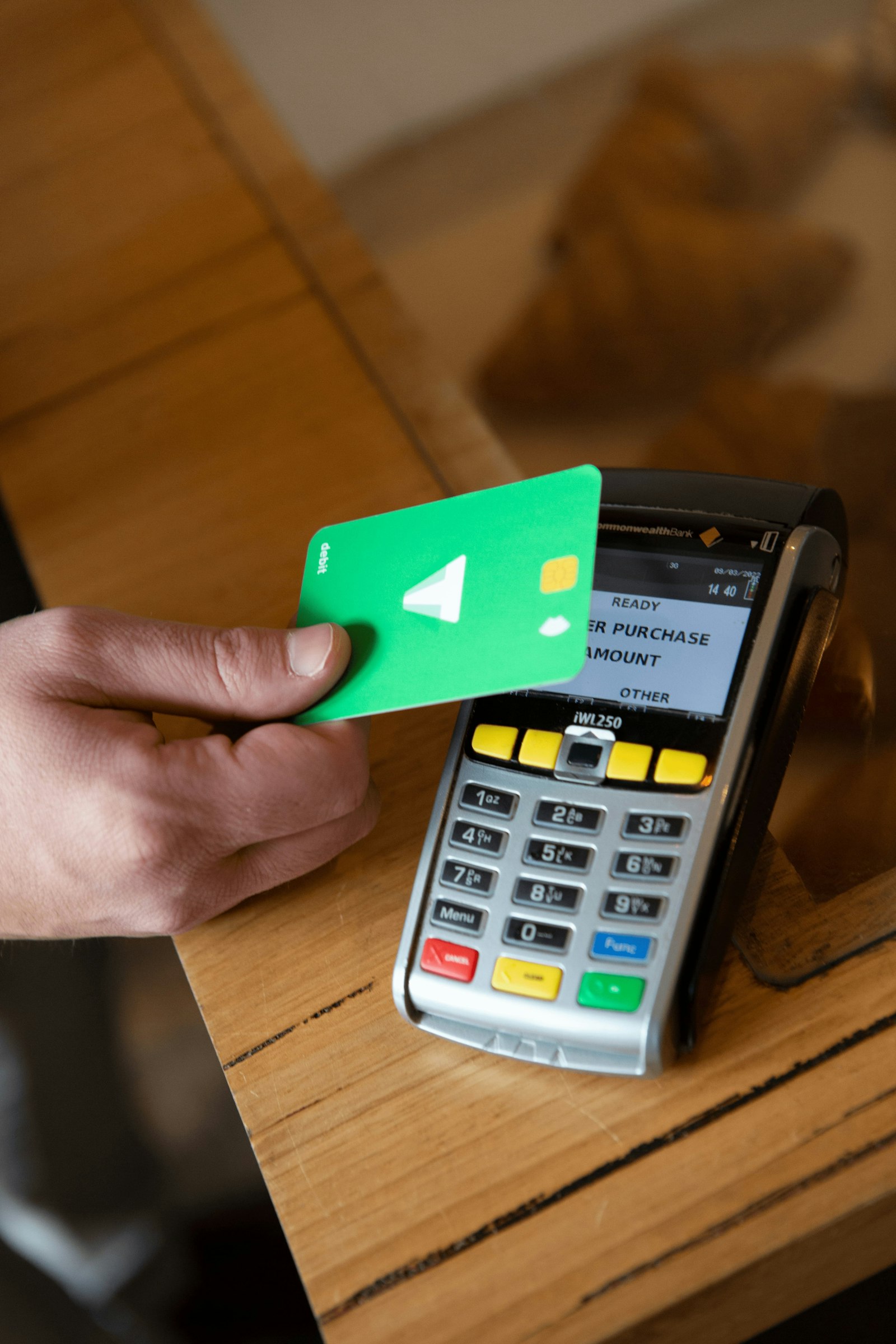
This is the part most Americans miss. Under Regulation Z, the federal rule that carries out the FCBA, your written billing error notice must reach the card issuer no later than 60 days after the issuer sent the first periodic statement showing the charge. You can read the wording in the Consumer Financial Protection Bureau’s text of Regulation Z section 1026.13.
Safari deposits are often paid six to twelve months before travel, especially for the July to October migration season. That means the 60-day FCBA window for the deposit can close long before you board your flight. In practice, the FCBA route is most useful for problems you can spot on the statement itself:
- a charge for more than your invoice said
- the same deposit charged twice
- a charge you never authorized
- a charge you do not recognize and need explained
If services are not delivered as agreed on the trip itself, the card network’s chargeback rules may still offer a route after the 60 days. Time limits vary, and only your issuer can tell you what applies, so ask.
What the issuer has to do once you dispute
The FTC explains that the issuer must acknowledge your complaint in writing within 30 days, unless it has already resolved it, and must resolve the dispute within two billing cycles and no later than 90 days. If the issuer finds an error, the charge must be corrected. If it does not, it must explain why in writing and tell you what you owe.
Send the dispute in writing to the billing inquiries address your issuer lists, not the payment address, and keep a copy.
Want to see exactly how a card charge from us will look on your US statement, before you pay anything?
Preview my card charge on WhatsAppIs a Chargeback the Same as Safari Deposit Credit Card Protection?
No. A chargeback is the mechanism a card issuer uses to pull money back from a merchant, and it is governed by the card network’s rules. The FCBA is one of the reasons an issuer may start a chargeback, but the two are not the same thing.
When an issuer opens a chargeback, the merchant can respond with the accepted quote, invoice and booking terms. If the terms said the deposit was non-refundable and you cancelled, the charge often goes back on your account.
That is why safari deposit credit card protection works best for clear problems: a wrong charge, a duplicate, or a trip that did not happen as booked. It is a weak tool for changing your mind.
The “claims and defenses” rule and overseas purchases
US law has a second, separate protection for problems with the quality of goods or services bought by credit card. Under 15 U.S. Code section 1666i, you can raise the same claims against the card issuer that you have against the seller, but only if you made a good-faith attempt to resolve it with the seller, the purchase was over USD 50, and it took place in your home state or within 100 miles of your mailing address. The amount is also limited to the credit still outstanding on that purchase when you first notify the issuer or the seller.
How the location test applies to an online purchase from a Nairobi company is not settled, so do not plan around this rule. Treat it as a possible extra, not the core of your safari deposit credit card protection.
What Will the Charge Look Like on Your Statement?
When you pay Sense of Adventure by card, the payment settles in Sense of Adventure’s own merchant name, not an unfamiliar third-party trading name. That matters: an unrecognized name is a common reason travelers dispute a genuine charge, and a clear name makes your safari deposit credit card protection easier to use if something really is wrong.
Here is what to check on the first statement after you pay:
- Merchant name. It should match the company on your invoice.
- Amount. It should match the deposit on your invoice, plus any card surcharge we confirmed in writing before you paid.
- Currency. Our quotes are in US dollars. If a payment page offers to convert to dollars for you at a set rate, compare that rate with what your own card would apply.
- Foreign transaction fee. Many US cards add one on purchases processed outside the US. Check your card’s terms, since some travel cards charge none.
- One charge only. If the deposit appears twice, tell us and your issuer straight away.
Our Kenya currency and money guide covers cards, cash and dollars once you are on the ground in Kenya.
How Do Our Deposit and Card Terms Work?
Our deposit is 30 to 40 percent of the trip cost on written confirmation, and the balance is due 4 to 8 weeks before your safari starts. The full breakdown, including what the deposit pays for, is in our guide to safari deposit and payment plans. Card payments are made through a secure online link we send you, and a processing surcharge may apply; we confirm any surcharge in writing before you pay.
Under our terms and conditions, the deposit is non-refundable once paid, because it is committed to camps, flights and guides on your behalf, and further charges apply closer to departure. Our safari cancellation policy explainer walks through how those scales work in plain language.
Some real examples of what a deposit would sit against, using the “from” prices on our trip pages today:
| Trip | Length | Price |
|---|---|---|
| Masai Mara and Lake Nakuru camping safari | 4 days | From USD 750 per person sharing |
| Amboseli, Lake Naivasha and Masai Mara safari | 7 days | From USD 1,650 per person sharing |
| Kenya highlights safari: Samburu to the Mara | 9 days | From USD 2,350 per person sharing |
For full budgets, see our Kenya safari cost guide and our Kenya safari packages from the USA.
What Records Should You Keep After Paying by Card?
A tidy paper trail is the backbone of any safari deposit credit card protection. The CFPB advises keeping copies of what you send and logging follow-up calls. Keep these in one folder:
- The final written quote, with camps, nights and inclusions.
- The invoice showing the deposit, balance and balance date.
- The booking terms you accepted, with the date.
- The card receipt or payment confirmation.
- Every email or WhatsApp message about changes.
- Your statement page showing the charge.
If something goes wrong, contact the operator first, in writing; many problems are fixed faster that way. Our guide on whether to book with a local operator or an overseas agent looks at how protection and accountability differ between the two.
Get every term in writing before your card is charged
Ask for your itemized quote, invoice and booking terms in one email. Read them, ask us anything, and only then pay the deposit.
What Protects You If You Have to Cancel?
Safari deposit credit card protection covers billing errors and services not delivered. It does not cover your own change of plans, such as a family illness or a work emergency. That risk belongs to travel insurance.
Trip cancellation cover reimburses non-refundable costs when you cancel for a listed reason; Cancel For Any Reason cover repays part of the cost for other reasons if bought soon after your first payment. Our guide to Cancel For Any Reason safari insurance explains that window, and our Kenya travel insurance guide covers what a safari policy should include.
Some premium US credit cards include trip cancellation benefits. These come from the card’s own terms, not the FCBA, so read the benefit guide and check whether it covers prepaid tours booked with an overseas company.
Kenya’s own insurance rule is separate
Americans apply for a Kenya eTA from USD 30 on the official etakenya.go.ke portal, and Kenya’s mandatory travel health insurance of USD 44 per traveler is bought with the eTA. That cover is for medical care, not your deposit. Our Kenya safari planning guide for Americans covers entry, flights and timing in full.
What Are the 7 Rules for Paying a Safari Deposit by Card?
Put together, safari deposit credit card protection works best as part of a simple routine:
- Finalize the itinerary. Agree camps, nights, vehicle and inclusions before you pay.
- Read the terms. Know the deposit, balance date and cancellation scale.
- Ask about surcharges and currency. Get the exact card amount in writing.
- Pay with a credit card through the secure link the operator sends, never a link changed at the last minute by email.
- Buy travel insurance the same week, especially if you want Cancel For Any Reason cover.
- Check the first statement for name, amount and currency, and dispute any error within 60 days.
- Repeat for the balance. The balance payment starts its own 60-day window.
Our Kenya safari booking guide shows the full booking sequence, and why book with Sense of Adventure sets out what we promise every guest.

Booking from the US and paying by card?
Tell us your dates and how you plan to pay. We will send a quote in US dollars, the exact card amount and a payment schedule timed around your statements.
Safari Deposit Credit Card Protection FAQs
This guide is general information for US cardholders, not legal or financial advice. Your card agreement, your issuer and the card network’s rules decide what applies to you.