
The best hidden national parks in Kenya sit well outside the Mara, Amboseli and Nakuru circuit that most first-time visitors book, and they offer experiences the famous parks simply do not have. Elephants that mine salt inside dark caves. An antelope so shy it hides underwater. Volcanic islands in a jade-green desert lake, where Nile crocodiles breed in crater pools. Picture swapping a line of minibuses for quiet wilderness where your guide may be the only other person for kilometres. Sense of Adventure has written a full guide to every one of these hidden national parks, because so few operators cover them properly.
✅ Hidden National Parks in Kenya: Quick Answer
- Most unusual wildlife: Mount Elgon, where elephants walk into caves to lick salt from the rock.
- Rarest antelopes: Saiwa Swamp for the sitatunga and Ruma for Kenya’s last wild roan antelope.
- Best story: Marsabit, home of Ahmed the elephant, and Kora, where George Adamson lived with his lions.
- Most dramatic scenery: the volcanic Chyulu Hills and the Lake Turkana islands.
- Easiest from Nairobi: Ol Donyo Sabuk, a comfortable day trip from the capital.
- How to visit: combine two or three hidden national parks into a regional circuit rather than visiting one alone.
Has one of these parks caught your eye? Ask us how it really works on the ground.
Ask About a Hidden ParkWhy These Parks Stay Off Most Itineraries
Most of Kenya’s hidden national parks are hidden simply because they are remote, small, or built around one narrow attraction rather than broad Big Five game viewing. That is exactly what makes them rewarding for travellers who have already done a classic safari, or who want a trip that no other guest’s itinerary will match.
None of these hidden national parks are drive-by stops. Each rewards real planning, and several work best as part of a regional circuit (western Kenya, the north and Lake Turkana, or the Tsavo and Amboseli corridor) rather than as a single visit.
The 8 Best Hidden National Parks in Kenya
Mount Elgon — Salt-Mining Elephants in Ancient Caves — elephants walk deep into darkness for salt
Elephants and buffalo enter caves such as Kitum to gouge mineral salts from the rock, a behaviour found almost nowhere else. They usually come at night, so visitors see the tusk marks rather than the elephants. Full guide: Mount Elgon National Park.
Saiwa Swamp — Kenya’s Smallest Park, One Rare Antelope — about 3 km², built around the sitatunga
Kenya’s tiniest national park exists to protect the sitatunga, a semi-aquatic antelope that slips underwater, nose just above the surface, when threatened. You watch from raised platforms over the swamp. Full guide: Saiwa Swamp National Park.
Marsabit — A Misty Forest Rising Out of the Desert — home to the legend of Ahmed the elephant
An extinct volcano carrying montane forest and crater lakes in Kenya’s arid north. It is forever linked to Ahmed, a bull whose tusks nearly touched the ground; President Jomo Kenyatta placed him under round-the-clock protection in 1970, and he died of natural causes in 1974. Full guide: Marsabit National Park.
Kora — George Adamson’s Wild Lion Legacy — the home and resting place of “Baba ya Simba”
The rugged bush along the Tana River where conservationist George Adamson spent his final years returning lions to the wild. He is buried at Kora, close to the camp where he lived. Full guide: Kora National Park.
Ruma — The Last Retreat of the Roan Antelope — Kenya’s only wild population, and a small one
A lush park in the Lambwe Valley near Lake Victoria, protecting the only indigenous roan antelope left in Kenya, alongside rich birdlife. Full guide: Ruma National Park.
Chyulu Hills — One of the World’s Youngest Volcanic Ranges — a vast lava cave between Tsavo and Amboseli
Rolling green volcanic hills with some lava flows only a few hundred years old, and Leviathan Cave, a lava tube more than 10 km long. Full guide: Chyulu Hills National Park.
Central & South Island — Volcanic Islands in the Jade Sea — a major Nile crocodile breeding ground
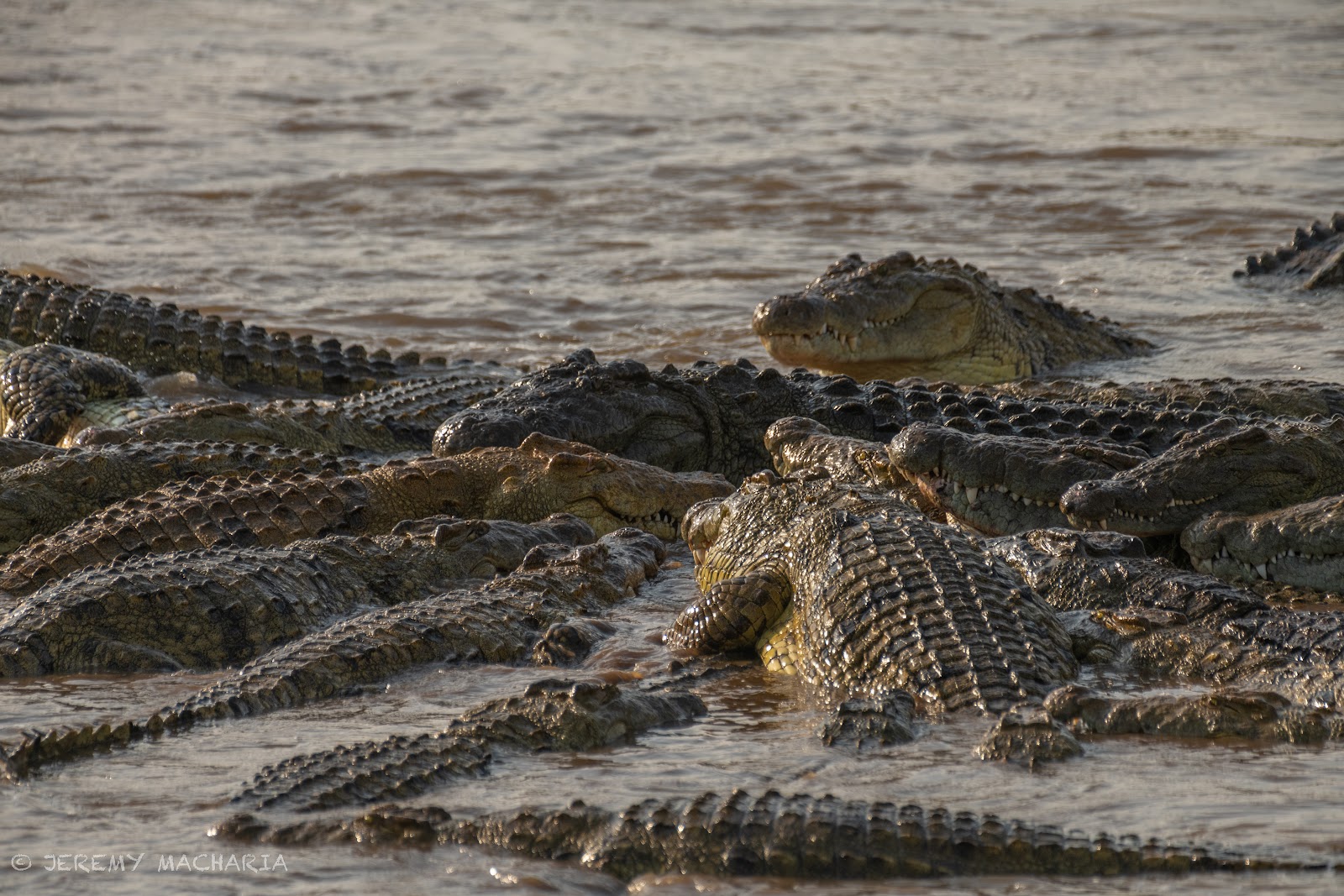
Two volcanic islands in Lake Turkana, the world’s largest permanent desert lake. Central Island’s crater lakes are an important breeding site for one of Africa’s largest Nile crocodile populations. With Sibiloi on the eastern shore, they form a UNESCO World Heritage Site. Full guides: Central Island, South Island and Sibiloi.
Ol Donyo Sabuk — Summit Views Northeast of Nairobi — the easiest hidden park to actually visit
A forested mountain of about 2,145 m with buffalo, colobus monkeys and wide views across the Athi Plains, plus the graves of the settler William Northrup McMillan and his household. It works as a day trip from the capital. Full guide: Ol Donyo Sabuk National Park.
Hidden National Parks Compared at a Glance
This table gives an honest picture of what each of the hidden national parks offers and how much effort it takes to reach. Travel times vary with road conditions and the season, so treat them as a guide.
| Park | Region | Best for | Effort to reach |
|---|---|---|---|
| Ol Donyo Sabuk | Near Nairobi | Views, buffalo, a short hike | Easy day trip |
| Chyulu Hills | Tsavo–Amboseli | Green hills, lava caves | Add-on to a southern safari |
| Mount Elgon | Western Kenya | Caves, forest, hiking | Long drive or flight to Kitale |
| Saiwa Swamp | Western Kenya | Sitatunga, birds, walking | Pairs with Mount Elgon |
| Ruma | Lake Victoria | Roan antelope, birds | Fly to Kisumu, then drive |
| Kora | Tana River | Adamson history, raw bush | 4×4 expedition, often via Meru |
| Marsabit | Northern Kenya | Crater lakes, forest, Ahmed story | Full day north from Samburu |
| Turkana islands | Far north | Crocodiles, volcanoes, culture | Multi-day expedition or charter |
How to Choose Between Kenya’s Hidden National Parks
Choosing between hidden national parks depends on what you want to feel at the end of the day: the thrill of a rare animal, the weight of a great story, or the silence of a huge landscape. Start with your interest, then check how much time you have.
For rare wildlife and unusual behaviour
Choose Mount Elgon for the cave elephants, Saiwa Swamp for the sitatunga and Ruma for roan antelope. Saiwa and Elgon sit close together near Kitale, so one trip covers both. Ruma is further south-west near Lake Victoria and suits keen birders and naturalists.
For history and legend
Marsabit tells the story of Ahmed, whose preserved body is on display at the Nairobi National Museum, and Kora tells the story of George Adamson and his lions. Sibiloi, on Lake Turkana’s eastern shore, is famous for fossil finds that shaped our understanding of human origins.
Which hidden national parks suit a short trip?
If you only have a day, Ol Donyo Sabuk is the clear answer. If you are already booked on a Tsavo or Amboseli safari, the Chyulu Hills add green volcanic scenery with little extra driving. The Lake Turkana parks need the most time and suit travellers who love remote places.
Cave Elephants, Rare Antelopes or Lake Turkana?
Tell us what draws you to Kenya’s quieter corners and how many days you have. We will suggest the two or three parks that fit together sensibly.
Building a Circuit Around Kenya’s Hidden Parks
Hidden national parks are far apart, so the smart way to visit them is by region. Each circuit below can stand alone or extend a classic safari.
- Western Kenya circuit: Mount Elgon and Saiwa Swamp pair naturally near Kitale.
- Northern Kenya circuit: Marsabit sits on the main road north from Isiolo, so it follows naturally after Samburu.
- Lake Turkana circuit: Central Island and South Island combine with Sibiloi for a full expedition.
- Kora and Meru: Kora lies across the Tana River from Meru National Park and is best reached from that side, not from Marsabit.
- Easy Nairobi add-on: Ol Donyo Sabuk is reachable as a day trip from the capital.
- Tsavo–Amboseli add-on: Chyulu Hills fits into an itinerary between the two parks.
- Western Kenya rarity: Ruma protects Kenya’s only wild roan antelope population.
Getting to the Hidden National Parks
Distance is the main challenge. Several hidden national parks are a full day’s drive from Nairobi, and some roads are rough or seasonal, so a well-maintained 4×4 and an experienced driver-guide matter more than usual.
By road
Ol Donyo Sabuk is around two hours from Nairobi via Thika. Marsabit is reached on the tarmac A2 via Nanyuki and Isiolo, usually with a night in Samburu on the way. Mount Elgon and Saiwa Swamp sit near Kitale in the far west, while the Chyulu Hills are reached from the Tsavo and Amboseli side.
By air
Scheduled flights to Kitale or Kisumu can shorten the western trips, and light-aircraft charters make sense for Lake Turkana, where distances are huge. A charter costs more, but it can turn a five-day road expedition into a much shorter trip.
Park entry
All eight hidden national parks are run by the Kenya Wildlife Service, and entry fees are paid online through eCitizen before you arrive. Our Kenya national parks entrance fees guide explains how it works, and the official Kenya Wildlife Service website lists current rates.
Best Time to Visit Kenya’s Hidden National Parks
The drier months, June to October and January to February, are the easiest time to reach the hidden national parks. Tracks are firmer, river crossings are lower and wildlife gathers near water.
- March to May: the long rains make some roads in the west and north slow or impassable. Ol Donyo Sabuk and the Chyulu Hills stay more accessible.
- November: short rains, usually brief, with green scenery and very few visitors.
- Lake Turkana: hot and windy all year; the cooler months of June to August are the most comfortable.
- Mount Elgon: a wet mountain in most months; the driest spells give the best hiking.
For month-by-month detail across the country, see our Kenya weather by month guide.
What a Hidden-Park Trip Costs
Remote trips cost more per day than the classic circuit because of longer drives, fuel, fewer lodges and, sometimes, charter flights. Lodging near most hidden national parks is simple: KWS bandas and campsites, small lodges and town guesthouses.
The easiest place to start is our Ol Donyo Sabuk and Fourteen Falls day trip, from USD 150 per adult sharing. If you want to add the Chyulu Hills to a southern safari, our Tsavo East and West Safari (3 days) starts from USD 600, and we can quote the extension separately.
For the north, our Northern Kenya Cultural Safari (5 days) from USD 1,500 covers Samburu and Laikipia and makes a sensible base before heading on to Marsabit. Western Kenya, Kora and Lake Turkana are always custom-quoted, because the route, vehicle days and flights change the price a great deal.

Get an Honest Price for a Remote Route
Remote parks need careful costing. Send your dates, group size and the parks you like, and we will reply with a written quote showing road days, flights and park fees line by line.
Price My Remote RoutePractical Tips for Visiting Hidden National Parks
- Check travel advice: read the latest GOV.UK travel advice for Kenya, which lists areas of the north and east where travel is advised against, and confirm your insurance covers your route.
- Apply for your eTA early: Kenya requires an Electronic Travel Authorisation before travel, through the official Kenya eTA portal.
- Carry supplies: fuel stops, shops and ATMs are scarce in remote areas, so bring cash, water and snacks.
- Expect patchy signal: mobile coverage drops in parts of the north and in deep valleys.
- Walk with rangers: buffalo and elephants live in most hidden national parks, so walks are guided by KWS rangers.
- Pack layers: Mount Elgon and Marsabit are cool and misty, while Turkana is very hot.
Turning “Hidden” Into a Real Itinerary
Each park above links to its own full guide with practical detail. These hidden national parks combine naturally into regional circuits rather than standalone trips. We can build a custom route around whichever of these eight interests you, alongside our existing Tsavo East & West Safari if you want to add Chyulu Hills to a booked itinerary.
Most guests mix a hidden park with a classic highlight. A private Kenya safari gives you the flexible vehicle and guide that remote routes need, and you can start with our Masai Mara safari packages or a Kenya safari from Nairobi, then add one of the quieter parks. If comfort matters, our luxury Kenya safari options pair remote days with well-run camps.
Eight Parks Almost No Itinerary Includes
From the cave elephants of Mount Elgon to the crocodile islands of Lake Turkana, we will plan a route through Kenya’s hidden national parks that is safe, well paced and genuinely different from the usual circuit.
Frequently Asked Questions
What are Kenya’s most underrated national parks?
Kenya’s most underrated national parks include Mount Elgon, with its salt-mining cave elephants, Saiwa Swamp, home of the sitatunga, and Marsabit, Kora, Ruma and the Chyulu Hills. The Lake Turkana parks of Central Island, South Island and Sibiloi complete the list. Ol Donyo Sabuk is the easiest to reach from Nairobi.
Why do Kenya’s hidden national parks get so few visitors?
These parks receive far fewer visitors than the Mara or Amboseli mainly because they are remote, small or built around one specialised attraction rather than broad Big Five viewing. Long drives and simple lodging put many travellers off, which is exactly why they feel like quiet, uncrowded wilderness when you arrive.
Can hidden national parks be combined into one trip?
Yes. Most combine naturally by region: Mount Elgon with Saiwa Swamp in western Kenya, Samburu with Marsabit in the north, and Central Island with South Island and Sibiloi on Lake Turkana. Kora pairs best with Meru, and Chyulu Hills fits between Tsavo and Amboseli. Mixing regions needs flights.
Which hidden Kenyan park is easiest to visit?
Ol Donyo Sabuk National Park is the easiest, about two hours northeast of Nairobi via Thika. Our Ol Donyo Sabuk and Fourteen Falls day trip starts from USD 150 per adult sharing, with a ranger-escorted hike or a drive towards the summit, buffalo on the slopes and a waterfall on the way.
Are Kenya’s hidden national parks safe to visit?
Each is a KWS-managed national park with rangers on site. Safety depends mainly on the route: some northern and eastern areas carry official travel warnings, so always check GOV.UK advice and travel with an experienced driver-guide. Walks in parks with buffalo or elephants are always escorted by armed rangers.
How many days do you need for Kenya’s hidden national parks?
Allow one day for Ol Donyo Sabuk, two extra days to add Chyulu Hills to a southern safari, and four to five days for Mount Elgon with Saiwa Swamp. Marsabit needs about a week with Samburu, and a Lake Turkana expedition needs a week or more unless you charter a flight.
Do you need a 4×4 for the remote parks?
Yes, for most of them. Mount Elgon, Kora, Ruma, the Chyulu Hills and the Lake Turkana shore have rough or seasonal tracks that become slippery after rain. A high-clearance 4×4 with a driver who knows the area is the safest choice, and it is standard on our private trips.