The fly-in vs road safari decision shapes the pace, comfort and cost of a Kenya trip more than almost any other choice you make. A light aircraft from Nairobi’s Wilson Airport reaches a Masai Mara airstrip in about 45 to 60 minutes, while the same journey by road takes around 5 to 6 hours. Flying saves time and energy; driving costs less and turns the Great Rift Valley into part of the adventure.
Neither option is automatically better. A short trip, a remote camp or a traveller who dislikes long drives usually points to flying. A longer itinerary, a tighter budget or a family who enjoy roadside stops usually points to driving, and many guests combine the two. Sense of Adventure is a licensed Nairobi operator that runs both styles, so this guide uses our own package prices rather than guesswork.
✅ Fly-in vs Road Safari: Quick Answer
- Time: Nairobi to the Masai Mara is about 45 to 60 minutes by air or 5 to 6 hours by road.
- Cost: our road-based Mara trips start from USD 590 per adult sharing; our 4-day fly-in Mara safari starts from USD 3,200, partly because it also uses a top-tier camp.
- Luggage: safari flights usually allow about 15 kg per person, including hand luggage, in a soft bag.
- Fly if: you have a week or less, want remote camps or would rather not spend hours in a vehicle.
- Drive if: budget matters, you are a group sharing a vehicle or you want to see the countryside.
- Mix both: fly to the farthest park and drive the closer legs.
Only a few days free? We will show you what flying in really saves on your dates.
Compare My Mara RoutesWhat You’re Actually Trading Off
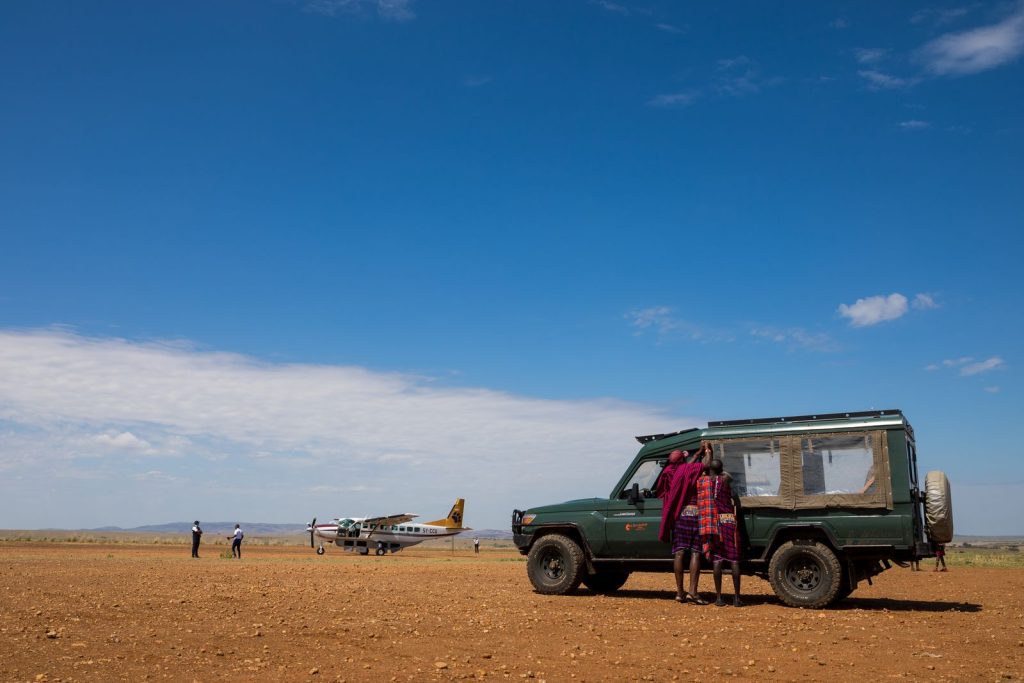
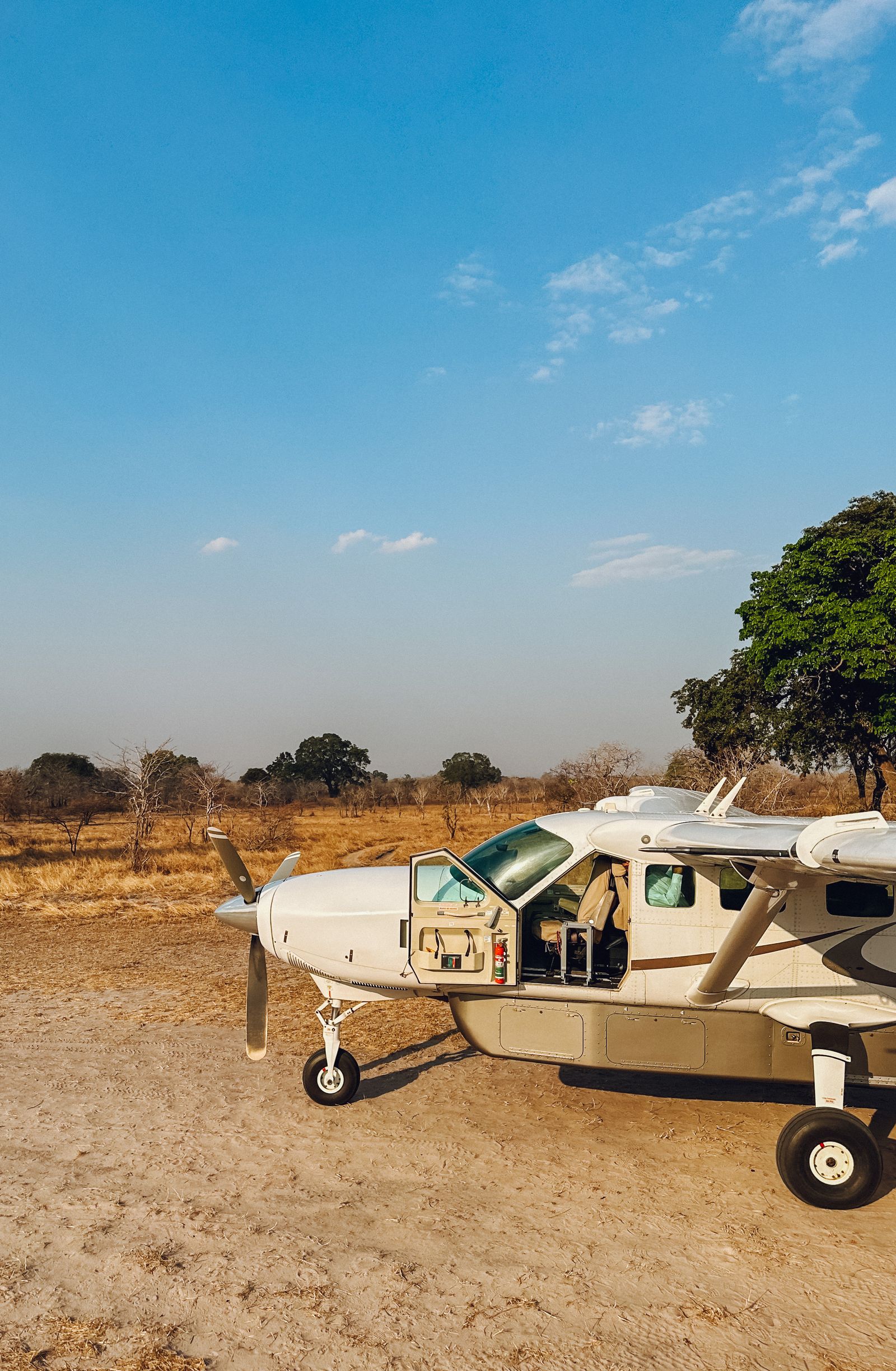
Fly-in safaris leave from Wilson Airport, Nairobi’s domestic airport, on small scheduled or charter aircraft that land on gravel or grass airstrips inside or close to the parks. Your camp guide meets the plane, and many camps turn the transfer into a short game drive on the way to lunch. Flying is also the only practical way to reach some remote northern and Laikipia areas on a short trip, and you arrive rested rather than travel-worn.
The trade-offs are real. Light aircraft usually allow about 15 kg per person, including hand luggage, in a soft bag. Scheduled flights often stop at more than one airstrip, so allow longer than the direct flight time. Fly-in trips also cost more, partly for the seats and partly because fly-in packages tend to use higher-end camps, each with its own guides and vehicles.
Road safaris travel in a 4×4 Land Cruiser or safari vehicle with a pop-up roof and the same driver-guide throughout. The drive becomes part of the trip: the Great Rift Valley viewpoint, farmland, market towns and roadside stops. Over several days your guide learns what you enjoy, which often pays off in the bush. The price is time, with long transfer days and bumpy final stretches into some parks.
Fly-in vs Road Safari at a Glance
This table sets the fly-in vs road safari options side by side for the most popular route, Nairobi to the Masai Mara. Prices are the starting prices of our own packages.
| Factor | Fly-in | Road |
|---|---|---|
| Nairobi to the Mara | About 45-60 minutes in the air, plus transfers | About 5-6 hours |
| Luggage | About 15 kg per person, soft bag | Limited only by vehicle space |
| Our Mara packages from | USD 1,450 (3 days from Diani); USD 3,200 (4 days, luxury camp) | USD 590 (4 days, camping); USD 650 (3 days) |
| Guiding | Usually the camp’s own guides at each stop | One driver-guide for the whole trip |
| Scenery | Aerial views of plains and escarpments | Rift Valley, farmland and market towns |
| Flexibility | Fixed flight times | Stop when you like |
| Best for | Short trips, remote camps, limited mobility | Budgets, groups, longer trips |
How to Actually Choose
Most guests settle the fly-in vs road safari question with three honest answers: how many nights they have, what the budget really is, and how they feel about long hours in a vehicle. Use the cards below as a starting point.
Choose Fly-In If Time Is Your Scarcest Resource — more game-drive hours, reaches remote areas
Best for short trips (a week or less), travellers prioritising maximum time in the bush over cost, or routes to genuinely remote conservancies that a road transfer can’t reach practically. Book our Fly-In Masai Mara Luxury Safari.
Choose Road If Budget or the Journey Itself Matters — lower cost, more countryside and culture
Best for longer trips, groups of four or more (cost-effective to share a vehicle), and travellers who want the drive itself — Rift Valley views, village stops, real conversation with a guide — as part of the safari, not just transit. Our Masai Mara & Lake Nakuru Camping Safari starts from USD 590 per adult sharing.
Combine Both on Longer Itineraries — fly to the furthest point, drive the rest
A common and effective compromise: fly into a remote first destination to save transfer time, then drive between closer parks for the rest of the trip, balancing cost against convenience.
Questions that settle the fly-in vs road safari choice
- How many nights do you have? Under five nights, every transfer hour hurts. Over a week, a road day or two is easy to absorb.
- Who is travelling? Four to six people can share one vehicle and its cost; flight seats are always charged per person.
- Where are you going? The Mara, Amboseli and Lake Nakuru are all reachable by road. Remote northern and Laikipia areas are far easier by air.
- How much are you packing? If you need more than about 15 kg, for example heavy camera gear, driving is simpler.
- How do you travel? If long drives leave you sore or carsick, the flight is worth the extra cost.
Fly-in vs road safari for families and older travellers
Families with young children often find a 5 to 6 hour drive long, even with stops, so a short flight can make the first day calmer. On the other hand, a family of five sharing one vehicle pays far less by road than for five flight seats. Older travellers or anyone with back or joint problems usually prefer flying, which is why our Gentle Fly-in Safari for Seniors (6 days, from USD 3,600) uses short flights instead of long drives.
Still Torn Between the Airstrip and the Open Road?
Tell us your nights, group size and the parks on your list. We will tell you honestly which legs are worth flying and which are better by road.
What Each Option Costs: Real Prices From Our Packages
You will often read that road safaris cost a fixed percentage less than flying. In practice the gap depends on the camps, the season and how many of you share a vehicle, so here are the starting prices of our own Masai Mara trips instead. They are the fairest way to judge the fly-in vs road safari price gap. Each is per adult, and the final cost depends on season, accommodation and group size.
- Road: Masai Mara & Lake Nakuru Camping Safari (4 days) from USD 590 per adult sharing.
- Road: 3 Day Masai Mara Safari from USD 650 per adult.
- Fly-in: Masai Mara Fly-in Safari from Diani (3 days) from USD 1,450.
- Fly-in: Fly-in Masai Mara Luxury Safari (4 days) from USD 3,200.
- Fly-in, multi-area: Luxury Fly-in Safari Kenya (12 days) from USD 8,900.
Be careful comparing these figures directly. The USD 3,200 fly-in trip also uses a top-tier luxury tented camp, while the USD 590 trip uses permanent tented campsites. The flight is only part of the difference, so the fairest test is to price the same camp both ways. You can browse every option on our Masai Mara safari packages page.
Costs that stay the same either way
Some costs do not change in a fly-in vs road safari comparison. The Masai Mara National Reserve is run by Narok County, not Kenya Wildlife Service, and charges non-resident adults USD 100 per day from January to June and USD 200 from July to December. You pay that whether you arrive by air or by road. The same goes for your eTA, travel insurance, tips and drinks.
How group size changes the maths
A road safari vehicle costs roughly the same whether two or six people sit in it, so the more of you share it, the less each person pays. Flight seats work the other way: every extra traveller adds a full fare. A group of five or six usually saves the most by driving. Solo travellers can keep road costs down by joining a shared departure, as on our camping safari.
Price the Same Trip by Road and by Air
Peak-season camps and flight seats are limited, so it pays to compare early. Send your dates and we will quote one itinerary both ways, with park fees and luggage rules shown.
Quote Road and Fly-InA Worked Example: Four Days in the Masai Mara
Here is how a four-day Mara trip plays out on each side of the fly-in vs road safari choice, based on the day plans of our own packages.
By road
Day 1: leave Nairobi in the morning, stop at the Great Rift Valley viewpoint and reach your Mara camp for lunch, then take an afternoon game drive. Days 2 and 3: full days in the reserve, with a picnic lunch out on the plains. Day 4: an early drive, then the long road back, reaching Nairobi in the afternoon or evening.
Fly-in
Day 1: morning flight from Wilson Airport, met at the airstrip for an afternoon game drive. Days 2 and 3: full days of game viewing, often including a private conservancy where walks and night drives are possible. Day 4: a final morning game drive before the flight back.
Time saved on a fly-in vs road safari
Across the round trip, flying replaces roughly 10 to 12 hours of driving with about 2 hours in the air, plus transfers and check-in. In practice that usually means one extra game drive and noticeably more energy. On a four-day trip that matters; on a ten-day trip it matters less, and the road days become part of the scenery.
Combining Flying and Driving
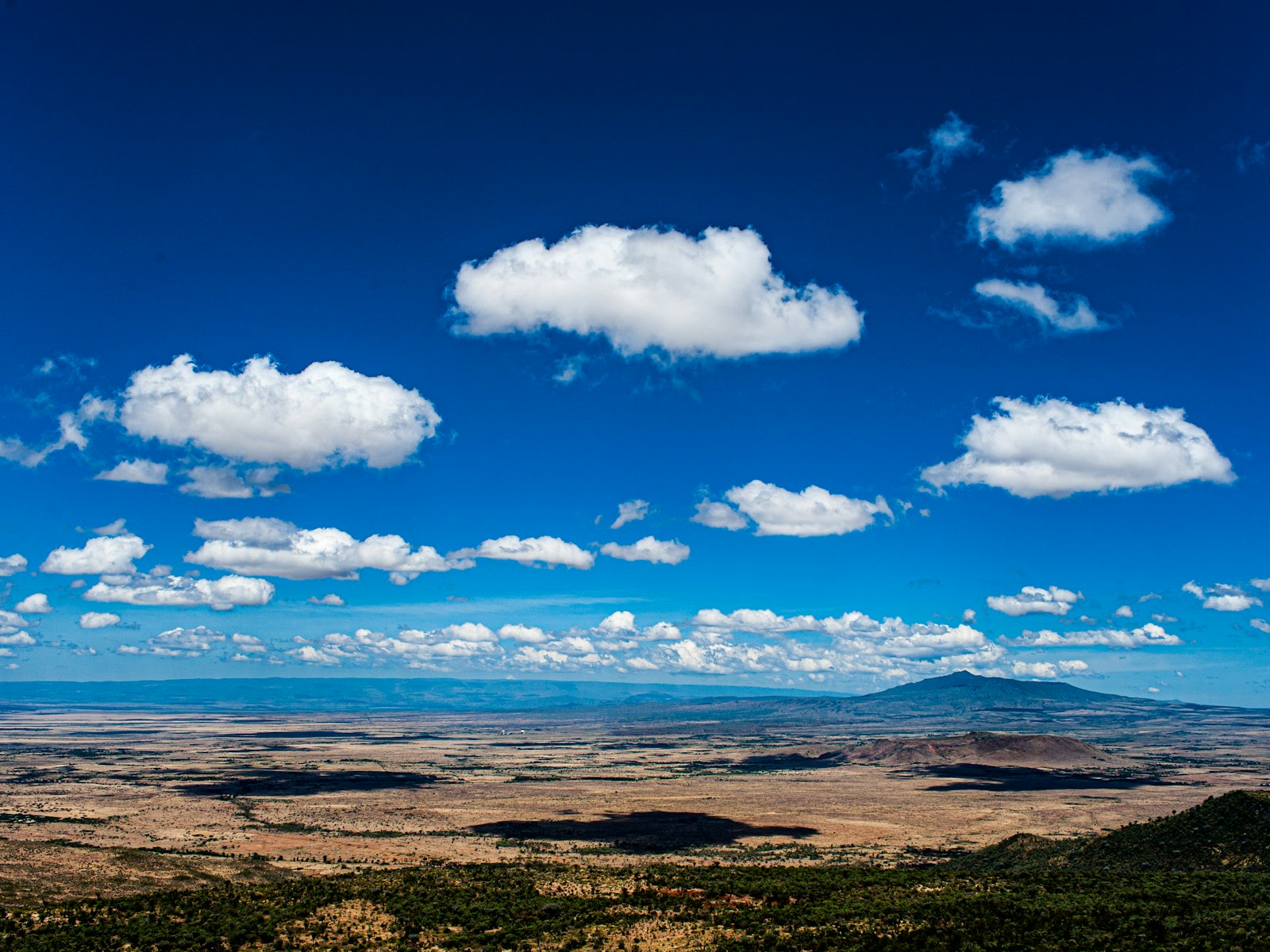
For many itineraries the best answer to the fly-in vs road safari question is both. A common pattern is to drive from Nairobi to Lake Naivasha or Lake Nakuru, continue by road to the Mara, and fly back to Nairobi at the end. You see the Rift Valley once, save the return drive and finish the trip rested.
Another pattern suits longer trips: fly to the farthest area first, such as Samburu or Laikipia, then drive between closer parks. From the coast, flying is usually the only sensible way to fit in the Mara, which is why our Diani trip flies both ways. Our guide on how many days you need for a Kenya safari shows how trip length shapes these choices.
Packing and Luggage for Each Style
Luggage is where a fly-in vs road safari plan most often goes wrong. Light aircraft to the Mara and other airstrips usually allow about 15 kg per person, including hand luggage, packed in a soft bag. A wheeled hard case may simply not fit in the hold. Our safari duffel bag guide explains what size to bring.
- Fly-in: pack layers, not outfits; most camps offer laundry, so a few days’ clothes are enough.
- Camera gear: weigh it, as long lenses use up the allowance quickly.
- Extra bags: ask us about storing luggage in Nairobi while you are on safari.
- Road: you have more room, but soft bags still fit the vehicle better than hard cases.
Comfort, Safety and Accessibility
Comfort is the quieter side of the fly-in vs road safari debate. Small aircraft can be bumpy in the midday heat, and boarding involves a few steps, so tell us about any mobility needs in advance. Commercial flights in Kenya are regulated by the Kenya Civil Aviation Authority, and the scheduled safari airlines fly these routes every day. On the road, the main discomforts are long sitting and rough final stretches into some parks. If you are prone to motion sickness, ask for a front seat on transfer days and bring tablets either way.
Fly-in vs Road Safari Facts
- Time savings: Nairobi to Masai Mara: roughly 45-60 minutes by air vs 5-6 hours by road.
- Cost difference: varies with camps, season and group size; compare the same camp both ways rather than relying on a set percentage.
- Our fly-in Mara prices: from USD 1,450 (3 days from Diani) and USD 3,200 (4 days, luxury camp).
- Our road Mara prices: from USD 590 (4-day camping safari) and USD 650 (3-day safari).
- Baggage limit: light aircraft usually allow about 15 kg per person, including hand luggage, in a soft bag.
- Group size rule of thumb: groups of four or more usually save most by sharing a vehicle, because flight seats are charged per person.
Planning Your Kenya Safari Style
Read our how many days do you need guide for how trip length interacts with this decision, and our Kenya safari checklist for fly-in-specific packing limits.
For route detail, our Nairobi to Masai Mara distance guide compares the drive and the flight in depth, and our Masai Mara airstrips guide explains which airstrip serves which camp. If you would like your own vehicle and guide, see our private Kenya safari options or a Kenya safari from Nairobi.
Before you travel, apply for your eTA on the official Kenya eTA portal, and browse Magical Kenya, the Kenya Tourism Board’s site, for ideas on regions you might add.
Fly, Drive or Mix Both: We Will Map Your Route
Whatever your fly-in vs road safari decision, from a quick fly-in to the Mara to a two-week road journey through the Rift Valley, our Nairobi team plans the transfers, camps and luggage so the travel days work for you.
Frequently Asked Questions
Is a fly-in or road safari better in Kenya?
Neither is better for everyone. Flying saves time, about 45 to 60 minutes to the Mara against 5 to 6 hours by road, and suits short trips and remote camps. Driving costs less, suits groups sharing a vehicle and shows you the countryside. Your trip length, budget and comfort decide the right fly-in vs road safari choice.
How much does a fly-in safari cost in Kenya?
Our fly-in Masai Mara trips start from USD 1,450 for three days from Diani and USD 3,200 for four days at a luxury camp. Longer fly-in itineraries cost more, such as our 12-day luxury fly-in safari from USD 8,900. Final prices depend on season, camp and group size.
Is it cheaper to drive or fly on a Kenya safari?
Driving is usually cheaper, especially for groups, because one vehicle’s cost is shared while every flight seat is charged per person. The gap is not a fixed percentage, though; it depends on the camps you choose. Ask for the same itinerary priced both ways to see the real difference for your dates.
How long does it take to drive from Nairobi to the Masai Mara?
The drive from Nairobi to the Masai Mara takes about 5 to 6 hours, depending on traffic, road conditions, stops and which part of the reserve your camp is in. By light aircraft from Wilson Airport it takes about 45 to 60 minutes, though some scheduled flights stop at more than one airstrip first.
What is the baggage limit on a fly-in safari in Kenya?
Light aircraft serving Kenya’s safari airstrips usually allow about 15 kg per person, including hand luggage, packed in a soft bag. Hard wheeled cases may not fit in the hold. Pack layers, use camp laundry, and ask your operator about storing extra luggage in Nairobi while you are on safari.
Can I fly one way and drive the other?
Yes, and it is one of the most popular options. Many guests drive from Nairobi through the Rift Valley, perhaps via Lake Naivasha or Nakuru, then fly back from the Mara airstrip at the end. You enjoy the scenery once, save the long return drive and get home rested.
Are game drives included on a fly-in safari?
Yes. On a fly-in safari your camp provides the vehicle and guide, and game drives are normally part of the package, often starting on the transfer from the airstrip. Some conservancy camps also include guided walks and night drives. Check each camp’s inclusions in your written quote.