Safari clothes are khaki, olive and sand for practical reasons, not fashion. Neutral colours hide dust, stay cooler than dark shades, help you blend in on game walks and attract fewer biting tsetse flies than dark blue or black. Avoid camouflage in Kenya, because military-style clothing is restricted to the security forces.
Sense of Adventure is a TRA-licensed private safari company based at Mountain Mall on Thika Road, Nairobi. We send every guest a packing list for their route and season, because the right safari clothes make long days in the bush far more comfortable. This guide explains which colours work, which to avoid, what to wear for each activity and how little you really need to pack.
Safari clothes: the quick answer
- Best colours: khaki, olive, sand, stone and soft browns.
- Avoid: camouflage, dark blue and black, and bright white or neon on drives.
- Fabrics: breathable cotton, linen or quick-dry blends.
- Layers: a fleece for cold dawn drives and a light waterproof.
- Amount: three or four outfits and camp laundry are enough.
Want a packing list made for your parks and travel month? We will send one free.
Get my packing listWhy Safari Clothes Are Khaki
Safari clothes are khaki because neutral shades solve four everyday problems in the bush.
- Dust: dry-season tracks throw up fine red and grey dust, which barely shows on khaki.
- Heat: light colours reflect more sunlight than dark ones, so you stay cooler in an open vehicle.
- Insects: tsetse flies are drawn to dark blue and black, which is why tsetse traps use those colours.
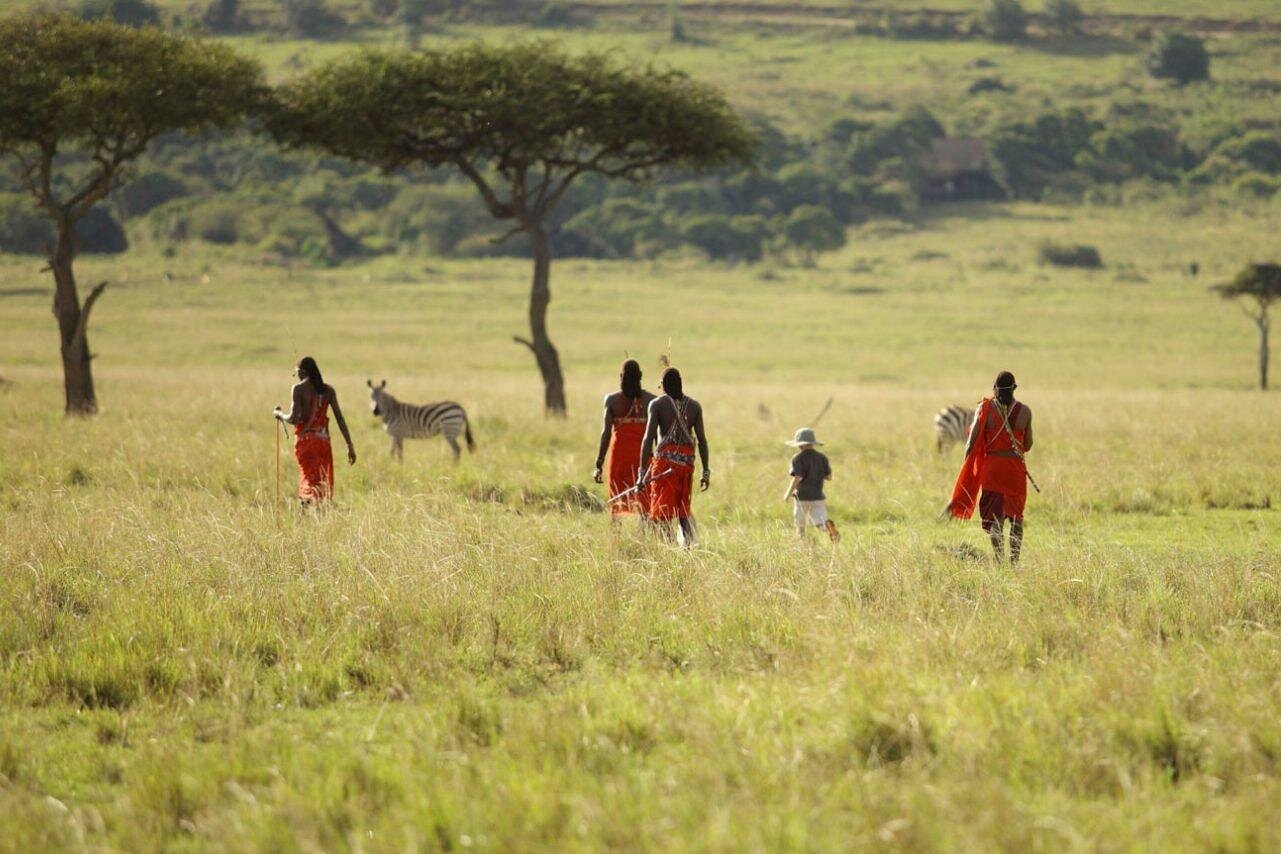
- Wildlife: on foot, muted colours make you less conspicuous, so animals stay relaxed for longer.
The tradition goes back to the colonial era, when khaki became the standard colour for working in hot, dusty country. Today, guides, rangers and experienced travellers still choose it because it works. You do not need branded safari clothes; ordinary clothing in the right colours does the job.
Colour also matters for photography. Bright clothing reflects onto faces and into the lens, and a white shirt beside a dark lion can confuse your camera’s exposure. Muted safari clothes keep the focus on the wildlife, whether you are taking pictures or appearing in them. In a shared vehicle, neutral shades are also simply courteous to fellow guests framing the same sighting.
Colours to Avoid in Your Safari Clothes
Leave camouflage at home, and keep dark blue, black and very bright colours for the lodge rather than the bush.
| Colour or pattern | Why to avoid it | Where it matters most |
|---|---|---|
| Camouflage | Military and police-style clothing is restricted for civilians in Kenya | Everywhere, including airports and towns |
| Dark blue and black | Attract tsetse flies; absorb heat | Woodland and bush, such as parts of Tsavo and the Mara |
| Bright white | Shows dust quickly; stands out on walks | Game drives and walking safaris |
| Neon and bright red | Very visible to animals on foot | Walking safaris |
| Busy, shiny fabrics | Noisy and eye-catching | Walks and hides |
Why Camouflage Is a No for Safari Clothes
In Kenya, civilians may not wear military or police uniforms, and police have publicly warned against military-style camouflage attire. Several other African countries have similar rules. A camouflage jacket can lead to awkward questions, so simply choose plain olive or khaki instead.
Tsetse Flies and Dark Colours
Tsetse flies give a sharp bite and are found in some woodland and riverine areas. They are strongly attracted to blue and black, which is why control programmes use blue and black cloth traps. They are uncommon on open grassland, so the colour rule matters most in wooded areas and along rivers. Our guide to tsetse fly sleeping sickness explains the low health risk, and the World Health Organization has the medical background.
Expert tip from our Nairobi team
Pack your safari clothes around one neutral base, such as olive trousers and sand shirts, then add a single warm fleece and a light rain jacket. Everything mixes and matches, so three or four outfits easily cover a week with camp laundry.
What Safari Clothes to Wear for Each Activity
The right safari clothes depend on what you are doing, from early drives to evenings by the fire.
| Activity | What to wear | Good to know |
|---|---|---|
| Dawn game drive | Long trousers, shirt, fleece, hat and scarf | Pop-up roofs are breezy and mornings can be cold |
| Midday drive | Light long-sleeved shirt, hat, sunglasses | Long sleeves protect from sun better than sunscreen alone |
| Walking safari | Neutral colours, closed shoes, long trousers | Avoid rustling fabrics and bright colours |
| Balloon flight | Warm layers and a hat | Very cold before sunrise, warm after landing |
| Evening at camp | Long sleeves, trousers and closed shoes | Reduces mosquito bites |
| Coast or pool | Anything you like | Cover up in towns such as Lamu and Mombasa Old Town |
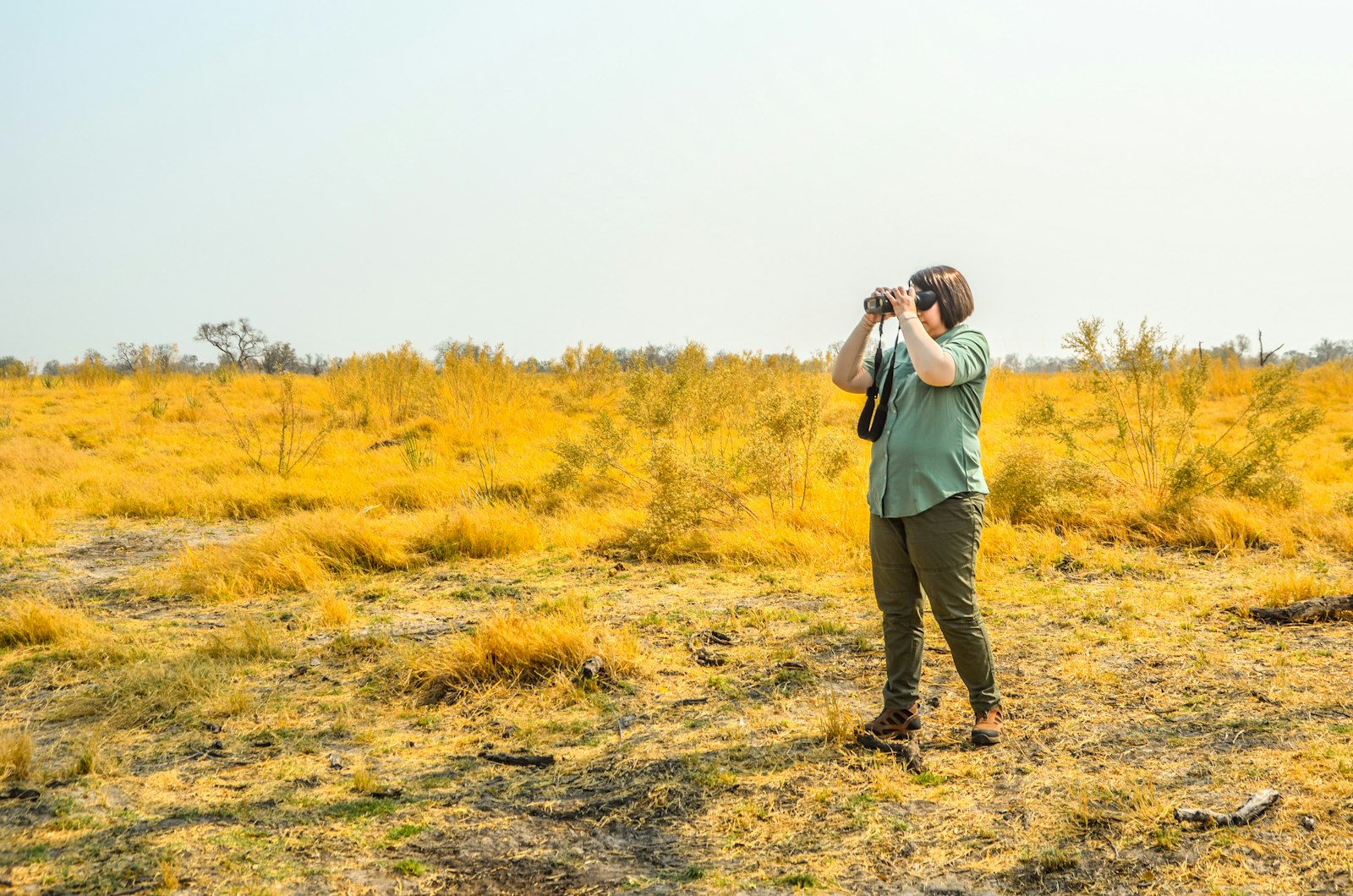
Walking, ballooning or just game drives?
Tell us your activities and we will tell you exactly what to wear for each one, including the cold mornings.
Fabrics, Shoes and Accessories
Comfortable safari clothes are breathable, quick to dry and easy to layer.
- Fabrics: cotton and linen are cool; quick-dry synthetics are handy for washing in camp.
- Shoes: comfortable trainers or light walking shoes; sturdier boots for walking safaris and treks.
- Sandals: useful around camp and at the coast.
- Hat: a wide brim or cap with a strap, so it does not blow off through the roof hatch.
- Scarf or buff: keeps dust and sun off your neck and face.
- Sunglasses: polarised lenses help in bright, dusty light.
- Gloves: thin gloves are welcome on cold dawn drives and balloon flights.
- Dust bags: a few zip pouches keep clean clothes and electronics free of fine dust.
Kenya banned single-use plastic carrier bags in 2017, so use reusable or fabric bags for packing. The National Environment Management Authority enforces the ban. Our guide to what not to bring on safari lists other items to leave behind.
How Many Safari Clothes Do You Need?
Most people need only three or four sets of safari clothes for a week, because camps usually offer laundry.
| Item | For a 7-day safari |
|---|---|
| Shirts or tops | 3 to 4, mostly long-sleeved |
| Trousers or shorts | 2 to 3 |
| Warm layer | 1 fleece or light down jacket |
| Waterproof | 1 light rain jacket |
| Shoes | 1 pair of trainers or walking shoes, plus sandals |
| Swimwear | 1, for camp pools or the coast |
| Hat, buff and sunglasses | 1 each |
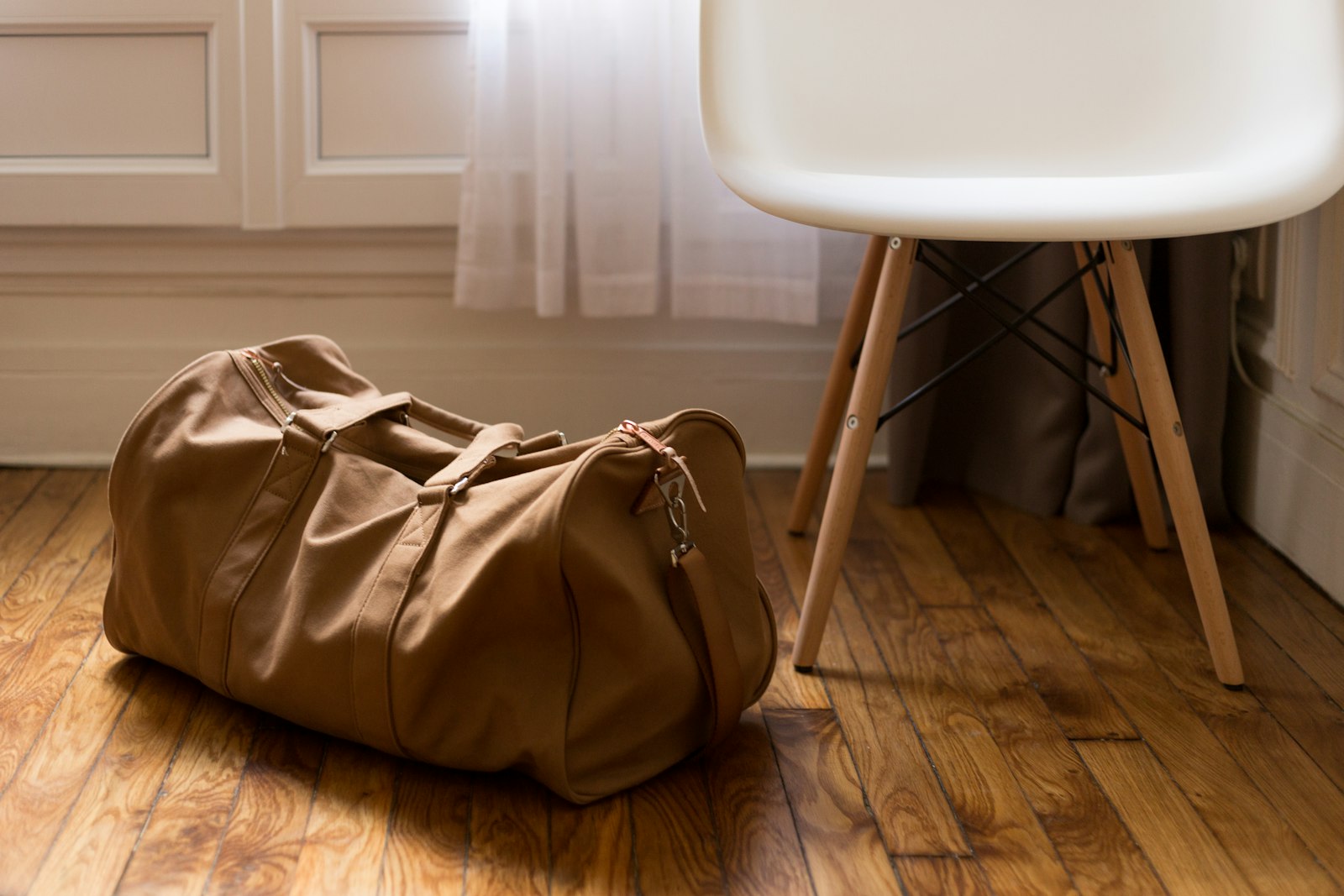
Some camps do not wash underwear for cultural reasons, and provide washing powder instead, so bring enough or plan to rinse them yourself. Light aircraft usually limit soft bags to about 15 kg, so packing light matters. See our safari duffel bag guide and safari luggage weight limits.
Safari Clothes by Season
Kenya’s weather changes more with altitude and time of day than with the calendar, so pack layers all year.
- June to August: the coolest months in the highlands and the Mara, with cold early mornings.
- September to October: warm and dry, with dusty tracks.
- November to December: the short rains; add a light waterproof.
- January to March: generally hot and dry.
- April to May: the long rains; quick-dry layers and grippy shoes help.
Read our green season safari guide for rainy-month tips. Mount Kenya and the Aberdares are much colder, so add warm clothing if they are on your route.
Respectful Dress in Towns and Villages
Modest safari clothes are appreciated when you visit villages, markets and the coast’s old towns.
In Lamu, Mombasa Old Town and many rural areas, covering shoulders and knees shows respect. Swimwear belongs on the beach or by the pool. A light scarf is useful for visits to mosques or community projects. Your guide will happily advise before each visit.
Safari Clothes for Children
Children’s safari clothes follow the same colour rules, with a few extra comforts.
Pack long-sleeved tops and trousers in neutral shades, a warm hoodie for early drives and a sun hat with a chin strap. Children get dusty fast, so one or two spare outfits for the vehicle help. Choose soft, familiar clothes rather than new stiff ones, and let them help pick colours from the list above. It turns packing into part of the adventure. Our family safari Kenya 2027 guide has more tips for travelling with children.
Book now, pack with confidence
The best camps book early for July to October. Request your written quote and we will include a packing list for your route.
Safari Clothes and Insect Protection
Your safari clothes are also your first defence against mosquitoes and other biting insects.
Mosquitoes are most active from dusk to dawn, so change into long sleeves, long trousers and socks before sundowners and dinner. Apply an insect repellent containing DEET or picaridin to exposed skin, and reapply after sweating or swimming. Some travellers also choose clothing treated with permethrin, an insecticide that keeps insects away through many washes. Most camps provide mosquito nets or screened tents, but sensible evening clothes still make a real difference. Many safari areas and the coast carry a malaria risk, so ask a travel clinic about tablets well before you fly.
Safari Clothes for Travel Days and Flights
Wear your bulkiest safari clothes on travel days, such as walking shoes and a fleece, so your soft bag stays light for bush flights. Keep a warm layer, a hat and sunglasses in your hand luggage, because small aircraft can feel cool and airstrips are bright and dusty. Many guests land in Nairobi early in the morning, when it can feel fresh, especially from June to August. Choose comfortable trousers with zipped pockets for passports and phones, and pack one change of clothes in your hand luggage in case a checked bag arrives late. Once you reach camp, you can change straight into game drive clothes.
Planning Your Safari With Sense of Adventure
Once you know your route, choosing safari clothes is simple, and we help with both.
Explore a private Kenya safari, a luxury Kenya safari or our Masai Mara safari packages. If walking appeals, see our Laikipia and Masai Mara Walking Safari and our guide to walking bush safari safety. Park fees are listed in our Kenya national parks entrance fees 2026 guide, and the UK government’s Kenya travel advice covers local laws and customs. For wider trip ideas, visit Magical Kenya.
Safari Clothes for Gorilla Trekking
If you add gorillas in Uganda or Rwanda, pack long trousers, a long-sleeved top, gardening gloves for nettles, waterproofs and sturdy boots. Muted colours still work well in the forest, and the same neutral safari clothes from Kenya can serve you there. See our Uganda safari holidays page.
Safari Clothes FAQs
Why do people wear khaki on safari?
Khaki hides dust, reflects heat better than dark colours and helps you blend in when walking among wildlife. It also attracts fewer tsetse flies than dark blue or black. Guides and rangers wear neutral shades for these reasons, and ordinary clothes in khaki, olive or sand work just as well.
Can I wear camouflage on safari in Kenya?
It is best not to. Kenyan law restricts military and police uniforms to the security forces, and police have warned civilians against wearing military-style camouflage attire. Several other African countries have similar rules. Choose plain olive, khaki or brown instead, which give the same practical benefits without any risk.
What colours should I avoid on safari?
Avoid camouflage, dark blue and black, which attract tsetse flies in some woodland areas, and bright white, neon or red on game drives and walks. White shows dust quickly and bright colours stand out to animals. Save bolder colours for the lodge, the pool or the beach.
Can I wear shorts on safari?
Yes, shorts are fine on game drives in warm weather. Long trousers are better for early mornings, evenings and walking safaris, because they protect you from cold, sun, insects and thorny bush. In villages and coastal towns, longer shorts or trousers are more respectful.
How many outfits do I need for a week on safari?
Three or four mix-and-match outfits are usually enough for a week, because most camps offer laundry. Add one warm layer, a light rain jacket, swimwear and comfortable shoes. Packing light also helps you stay within the soft-bag limit of about 15 kg on many light-aircraft flights.
Do I need special safari clothing?
No. Ordinary clothes in neutral colours work perfectly. Choose breathable fabrics, long sleeves for sun protection, a fleece for cold mornings and comfortable closed shoes. Specialist safari brands are optional, though quick-dry fabrics and plenty of pockets can be handy on long game drives.
What should I wear for a hot air balloon safari?
Dress in warm layers, because balloon flights take off around dawn when the air is cold. A fleece or light down jacket, long trousers, closed shoes and a hat work well. Avoid loose scarves that could blow away. After landing, the bush breakfast warms you up quickly, so wear layers you can remove and carry easily.
Is it cold on safari in Kenya?
Early mornings and evenings can be surprisingly cold, especially in the Masai Mara, Laikipia and other highland areas, and most of all from June to August. Open roofs on game vehicles add wind chill. Middays are usually warm to hot, so pack a fleece, a warm hat for dawn drives and light layers you can peel off as the day warms up.
What shoes should I wear on safari?
Comfortable trainers or light walking shoes are ideal for game drives and camp paths. Choose sturdier, broken-in boots for walking safaris, treks or gorilla trekking, and pack sandals for camp and the coast. Avoid brand new shoes, which can cause blisters, and pick neutral colours that hide dust, just like the rest of your safari clothes.
Can I buy safari clothes in Nairobi?
Yes. Nairobi has large shopping malls with clothing and outdoor shops where you can pick up neutral shirts, fleeces and hats, and your guide can usually suggest a stop if you arrive missing something. Choice and prices vary, so it is easier to bring the basics from home and buy only small extras locally.
Pack right, travel light, enjoy every drive
Route-specific packing advice comes with every safari we plan. Sense of Adventure is a TRA-licensed Nairobi safari company.
Kenya-based experts. Real local knowledge. Transparent pricing.