This Big 5 Kenya parks guide shows you exactly where to find lion, elephant, leopard, Cape buffalo and rhinoceros, park by park, so you can plan a safari that gives you the best chance of seeing all five. Completing the Big Five is the ambition that brings millions of travellers to Africa, and Kenya is one of the best countries on earth to do it.
Different parks deliver very different Big Five experiences, though. Knowing which park is strongest for each species helps you design an itinerary that maximises your chances without wasting days on the road. Below you will find the best park for every animal, a recommended circuit, the best time to go, costs and answers to the questions travellers ask us most.
✅ Big 5 Kenya Parks Guide: The Quick Answer
- Lion: Masai Mara and its conservancies; Nairobi National Park is a surprise runner-up.
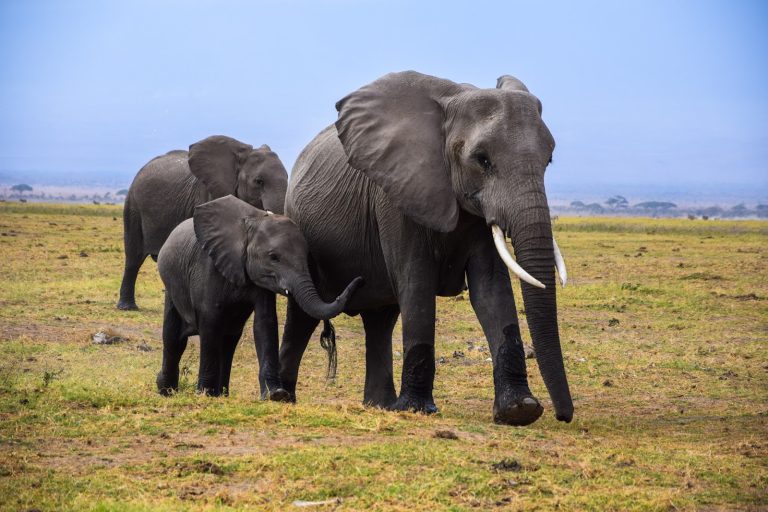
- Elephant: Amboseli for big herds below Kilimanjaro; Samburu and Tsavo are close behind.
- Leopard: the Mara conservancies such as Olare Motorogi and Naboisho; Samburu is also good.
- Buffalo: Masai Mara, plus Tsavo East and Lake Nakuru.
- Rhino: Ol Pejeta Conservancy, Lake Nakuru and Lewa — rhino are scarce in the Mara.
- Best route: Ol Pejeta or Lake Nakuru plus the Masai Mara, ideally over 6–9 days.
🌎 Thinking About a Kenya Safari?
Our team is on WhatsApp right now — ask us anything about destinations, dates, or prices. No obligation.
💬 WhatsApp Us Now or call +254 799 160 081
How to Use This Big 5 Kenya Parks Guide
No single Kenyan park is the best for all five species. The Masai Mara is outstanding for four of them, but rhino are rare there. Rhino sanctuaries such as Ol Pejeta and Lake Nakuru, in turn, have fewer big cats than the Mara. The smart approach is to combine two or three parks that complement each other.
For each species, this Big 5 Kenya parks guide gives a best park and a runner-up, with honest notes on what each sighting is likely to be like. Use it to decide which parks belong on your route, then speak to us about lodges and timings.
Where the name “Big Five” comes from
The term was coined by big-game hunters, who rated these five animals as the most dangerous to hunt on foot. Today the Big Five are shot only with cameras, and the name has become shorthand for Africa’s most iconic safari animals. To dig deeper, read our explainer on why it is called the Big Five.
Lion: Best in the Masai Mara
Kenya’s finest lion viewing is in the Masai Mara National Reserve and its surrounding conservancies. The Mara-Serengeti ecosystem supports one of Africa’s largest lion populations, with many well-studied prides on defined territories that experienced guides locate reliably.
Prides such as the Marsh Pride around Musiara are known as individuals — guides can name the dominant males, recognise females by their whisker-spot patterns and tell you which pride is likely to have young cubs at any given time.
Lion sightings in the Mara are consistently more frequent than in any other Kenyan park, and several sightings per drive are common. The open landscape means resting lions are visible from a distance, and following an active hunt is a real possibility.
Beyond the Mara, Nairobi National Park offers remarkably accessible lion viewing just a short drive from the city centre, and Queen Elizabeth National Park in Uganda is famous for its tree-climbing lions in the Ishasha sector.
Best park for lion: Masai Mara (year-round). Runner-up: Samburu (smaller population but regularly encountered along the Ewaso Nyiro River).
Elephant: Best in Amboseli
Amboseli National Park is one of Africa’s premier elephant destinations. Deeply habituated herds, the Kilimanjaro backdrop, open ground for clear viewing and some famous big-tusked bulls make it a dream for elephant lovers. For more detail, see our African elephant safari guide.
Tsavo East offers elephant encounters on a completely different scale — big dry-season herds in a vast wilderness, rather than the intimate encounters of Amboseli. Samburu provides the most personal encounters with known individuals. All three are outstanding; the choice depends on the experience you want.
Best park for elephant: Amboseli (intimacy and Kilimanjaro). Runner-up: Samburu (known individuals); Tsavo East (scale).
📅 Get Your Free Safari Proposal
Share your travel dates and interests — we will send you a tailored, fully itemised itinerary within 24 hours.
Leopard: Best in the Mara Conservancies
Kenya’s best leopard viewing is in the Masai Mara’s community conservancies — particularly Olare Motorogi and Naboisho — where low vehicle numbers allow long, exclusive encounters with relaxed individuals. The Talek River corridor and the rocky luggas (dry stream beds) are prime leopard territory.
Guides who work these areas know individual leopards by their rosette patterns and facial markings. Leopards here are often relaxed with vehicles, spending hours in trees or on rocky outcrops at close range.
The Samburu ecosystem also produces excellent leopard sightings, especially in riverine woodland and rocky hills. Sightings are less frequent than in the Mara, but the dry-country setting makes them memorable.
Best park for leopard: Masai Mara conservancies (Olare Motorogi, Naboisho). Runner-up: Samburu National Reserve.

Tips for spotting leopards
Leopards are the hardest of the Big Five to find because they are solitary and well camouflaged. Look for a dangling tail in a sausage tree or acacia, listen for alarm calls from baboons and impala, and ask your guide to check riverbanks early and late in the day. A private vehicle gives you the patience leopards often demand.
Cape Buffalo: Best in the Masai Mara
The Masai Mara supports some of Kenya’s largest buffalo herds — breeding groups of hundreds of animals that move across the open plains and clash dramatically with the reserve’s lion prides. That mix of big herds and high lion density makes the Mara the best place to see the full buffalo story.
Tsavo’s buffalo are also excellent, particularly in the dry season when large herds gather near the Galana River in Tsavo East. Lake Nakuru has dense buffalo numbers too, often grazing close to the lake shore.
Best park for buffalo: Masai Mara. Runner-up: Tsavo East (dry season) and Lake Nakuru.
Rhinoceros: Best at Ol Pejeta or Lake Nakuru
Rhino are the most challenging of the Big Five to tick off in Kenya, because only a small number live in the Masai Mara and they are rarely seen there. For reliable rhino viewing, Kenya’s best options are:
Ol Pejeta Conservancy (Laikipia): East Africa’s largest black rhino sanctuary and some of the most reliable rhino viewing in the region. It is also home to the world’s last two northern white rhinos. Read our guide to Ol Pejeta’s northern white rhinos, or visit on our Ol Pejeta Day Safari from Nairobi.
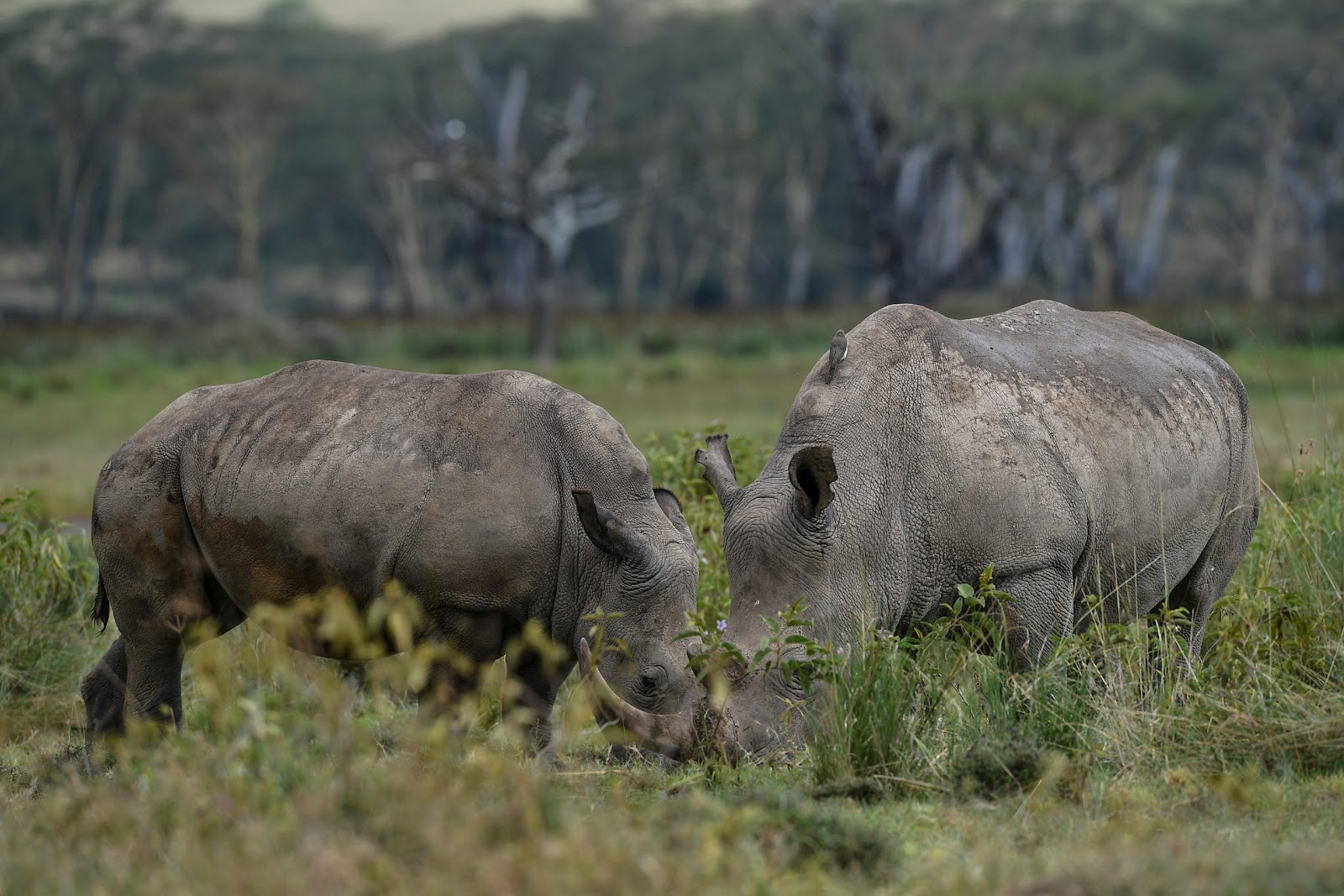
Lake Nakuru National Park: Both black and white rhino in a fenced sanctuary. It is easy to reach from Nairobi by road and pairs well with Lake Naivasha on a Rift Valley circuit. White rhino are often seen grazing on the open grassland near the lake.
Lewa Wildlife Conservancy: Outstanding rhino viewing in a private conservancy setting, with low visitor numbers and a strong conservation story. It is one of the most exclusive rhino encounters in Kenya.
Best for rhino: Ol Pejeta Conservancy. Runner-up: Lake Nakuru (most accessible); Lewa (most exclusive).
Black rhino or white rhino?
White rhino are larger, graze on grass and have a wide, square mouth. Black rhino are smaller, browse on bushes with a pointed, hooked lip and are more shy. Seeing both is a highlight of Ol Pejeta and Lake Nakuru. Our article on black rhino vs white rhino explains the differences.
The Best Big 5 Kenya Circuit
To see all five reliably on one trip, our recommended circuit is: Nairobi → Ol Pejeta or Lake Nakuru (1–2 nights, rhino) → Samburu (2 nights, elephant and the Special Five) → Masai Mara (3–4 nights, lion, leopard, buffalo and elephant, plus the migration in season) → Nairobi.
Seven to nine nights makes all five species realistically achievable and covers Kenya from the dry north to the southern savannah. See our East Africa safari itinerary guide for more routes, and our Kenya safari cost guide for multi-park pricing.
Shorter routes from this Big 5 Kenya parks guide
Short on time? A five- or six-day route combining Lake Nakuru and the Masai Mara still gives you a strong chance of all five. Even a single day in Nairobi National Park can produce lion, rhino and buffalo, although elephant and leopard are not reliable there. Our 6-day Kenya group safari follows this classic Mara and Nakuru pattern.
Big 5 Kenya Parks Guide at a Glance
The table below sums up this Big 5 Kenya parks guide in one place. Use it to check quickly which parks cover which animals before you choose a route.
| Park | Lion | Elephant | Leopard | Buffalo | Rhino |
|---|---|---|---|---|---|
| Masai Mara and conservancies | Excellent | Very good | Very good | Excellent | Rare |
| Amboseli | Good | Excellent | Occasional | Good | Not reliable |
| Samburu | Good | Excellent | Good | Good | None in reserve |
| Ol Pejeta | Good | Good | Occasional | Very good | Excellent |
| Lake Nakuru | Good | None | Occasional | Excellent | Excellent |
| Tsavo East and West | Good | Excellent | Occasional | Very good | Sanctuary only |
| Nairobi National Park | Good | None | Occasional | Good | Very good |
These ratings reflect typical sightings on a well-guided trip, not guarantees. Wildlife moves with rain and grazing, so your guide’s local knowledge always matters more than any table in a Big 5 Kenya parks guide. Notice how the Mara and a rhino sanctuary complement each other almost perfectly.
Choosing parks with this Big 5 Kenya parks guide
Start with the Masai Mara, because it covers four of the five so well. Then add one rhino park: Lake Nakuru if you are travelling by road on a tighter budget, Ol Pejeta if you want rhino plus Laikipia scenery, or Lewa for exclusivity. If elephants are your passion, add Amboseli or Samburu. Families with young children often prefer shorter drives, so Lake Nakuru and Naivasha make a gentle first stop.
Travellers following this Big 5 Kenya parks guide on a first safari usually find that two well-chosen parks, with three nights in the Mara, deliver all five animals and still leave time to enjoy camp life.
Best Time to See the Big Five in Kenya
You can see the Big Five in Kenya year-round. The dry seasons — roughly June to October and January to February — are easiest, as animals gather near water and shorter grass improves visibility. July to October also brings the Great Migration to the Masai Mara, adding river crossings to your Big Five safari.
The green seasons around April–May and November bring fewer visitors, lower rates and newborn animals, but taller grass can hide cats and some roads become muddy. For month-by-month detail, see our guide to Kenya weather by month.
What a Big Five Safari in Kenya Costs
Costs depend on the number of days, the season, your accommodation style and whether you drive or fly between parks. Road safaris in a shared vehicle are the most affordable, while private vehicles and fly-in conservancy camps cost more but add flexibility and exclusivity.
As a reference point, our Kenya Highlights Safari – Samburu, Ol Pejeta, Lake Nakuru & Masai Mara (9 Days) starts from USD 2,350 per person and follows the circuit recommended in this Big 5 Kenya parks guide. For your own guide and vehicle, explore our private Kenya safari options, or compare Masai Mara safari packages.
Tips to Maximise Your Big Five Sightings
- Stay longer in fewer parks: three nights in the Mara beats one night in three different places.
- Go out early: big cats are most active at dawn and dusk.
- Choose a conservancy: fewer vehicles and off-road driving (where permitted) mean better sightings.
- Bring binoculars: they help you spot leopards and rhino long before the naked eye can.
- Talk to your guide: tell them which animals matter most so they can plan drives around them.
Big 5 Kenya Parks Guide: Frequently Asked Questions
Which Kenya park has all of the Big Five?
Several parks have all five, including the Masai Mara, Lake Nakuru, Ol Pejeta and Lewa. However, rhino are rarely seen in the Mara, while big cats are less reliable in rhino sanctuaries. Combining the Masai Mara with Ol Pejeta or Lake Nakuru gives you the best overall chance of seeing all five.
How many days do I need to see the Big Five in Kenya?
Five to six days is usually enough if you visit Lake Nakuru or Ol Pejeta plus the Masai Mara. Seven to nine days lets you add Samburu or Amboseli and gives you spare drives for leopard, the hardest to find. Spending at least three nights in the Mara improves your odds considerably.
Which Big Five animal is hardest to see?
Leopard is usually the hardest because it is solitary, nocturnal and superbly camouflaged. Rhino can also be difficult if you skip a rhino sanctuary. Visiting the Mara conservancies for leopard and Ol Pejeta or Lake Nakuru for rhino solves both problems on a single trip.
Can you see the Big Five in Nairobi National Park?
Nairobi National Park has lion, rhino, buffalo and leopard, but no resident elephants, so it covers four of the five. It is excellent for rhino and surprisingly good for lion, and makes a great half-day or full-day safari from the city or during a long layover.
Is the Big Five guaranteed on a Kenya safari?
No reputable operator can guarantee wild animals. That said, a well-planned route through the parks in this Big 5 Kenya parks guide, with enough time in each, gives most travellers sightings of all five. Leopard is the species most likely to need an extra drive or two.
Is the Masai Mara or Amboseli better for the Big Five?
The Masai Mara is better, with excellent lion, leopard, buffalo and elephant. Amboseli is superb for elephants and Kilimanjaro views but has no reliable rhino and fewer leopards. Many travellers include both, using Amboseli for elephants and the Mara for big cats.
For official park information and current regulations, visit the Kenya Wildlife Service, and for wider travel inspiration see Magical Kenya, the official tourism board. When you are ready, send us your dates and we will build a Big Five route around them.
🏑 Ready to Book Your Kenya Safari?
Sense of Adventure — Kenya-based experts with real local knowledge. Transparent pricing. Personalised itineraries. Guests who return year after year.
Call or WhatsApp: +254 799 160 081