
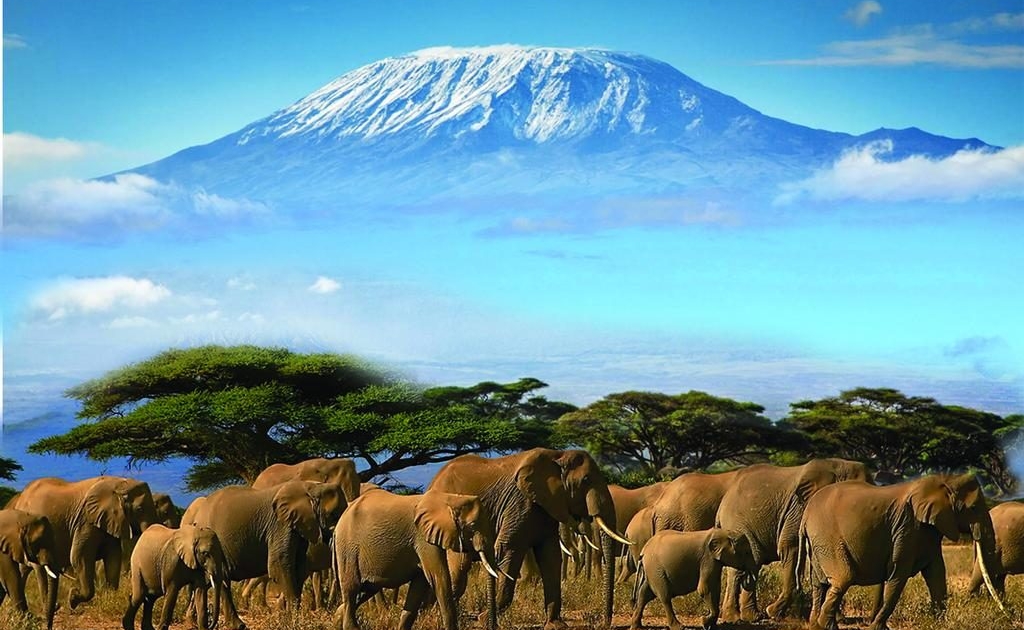
The best national parks for elephants in Kenya split into two very different experiences: raw numbers versus intimacy. Tsavo holds the largest elephant population in the country, an estimated 14,964 individuals as of the last full aerial census, while Amboseli offers something Tsavo’s vast bush can’t — decades of individually known elephant families, photographed against Kilimanjaro, with roughly 1,600-1,900 resident elephants habituated enough for genuinely close, calm viewing. Picture the difference between watching a herd of thirty cross the horizon in Tsavo’s red dust, versus a named matriarch’s family grazing metres from your vehicle with Africa’s tallest mountain behind them. Sense of Adventure builds elephant-focused trips around exactly this distinction.
Numbers or Intimacy — Tell Us Which You Want
Tsavo’s scale or Amboseli’s known family herds — message us to plan your elephant-focused trip.
Two Different Elephant Experiences, Both World-Class
Tsavo’s elephant population has grown steadily from roughly 7,371 in 1994 to nearly 15,000 today, making the Tsavo Conservation Area home to the largest number of elephants anywhere in Kenya — spread across a vast landscape where sightings feel genuinely wild rather than habituated. Amboseli takes the opposite approach: a much smaller resident population, but one of the most intensively studied elephant populations on Earth, with individually named matriarchal families that have been tracked for over 50 years, set against reliable Kilimanjaro backdrops that make Amboseli the single most photographed elephant destination in Africa. Samburu and the wider Laikipia ecosystem round out the picture with strong, river-dependent herds in a genuinely more arid landscape than either Tsavo or Amboseli offer.
In Tsavo we watched a herd of maybe forty elephants moving across red dust plains, genuinely wild and a little wary of the vehicle. Three days later in Amboseli our guide pointed out a matriarch by name and told us her family history going back decades. Completely different, and both were the best wildlife experience of the whole trip.
— Sense of Adventure guest, Tsavo-Amboseli combination safari
The 3 Best Parks for Elephants in Kenya
Tsavo — The Biggest Numbers in Kenya — ~14,964 elephants across Tsavo East and West
Tsavo Conservation Area holds Kenya’s largest elephant population by a wide margin, its numbers having climbed steadily from roughly 7,371 in 1994 to nearly 15,000 today — the park’s famous “red elephants,” dust-bathed in the local ochre soil, are a signature Tsavo sight. Book via our Tsavo East & West Safari.
Amboseli — Known Families, Kilimanjaro Backdrops — 1,600-1,900 elephants, individually studied for 50+ years
Amboseli’s smaller, more concentrated population has been studied continuously since the 1970s, meaning guides can point out specific matriarchs and family lineages by name — combined with Africa’s most reliable Kilimanjaro backdrop, this is the park for elephant photography specifically. See our Amboseli elephants guide and book an Amboseli day safari.
Samburu — River-Corridor Family Groups — strong herds along the Ewaso Nyiro
Samburu’s elephant families concentrate along the Ewaso Nyiro river corridor, especially in the dry season when water draws consistent herds — a genuinely different, more arid-adapted elephant experience alongside Samburu’s “Special Five” species.
Combine Tsavo’s Scale With Amboseli’s Intimacy
Message us to build a trip covering both — the two experiences genuinely complement each other.
Kenya Elephant-Viewing Facts
- Tsavo population: approximately 14,964 elephants as of the last full aerial census, the largest population in Kenya.
- Tsavo growth: up from roughly 7,371 in 1994, a steady multi-decade recovery.
- Amboseli population: roughly 1,600-1,900 resident elephants, among the most studied in the world.
- Amboseli research history: individual elephant families have been tracked continuously since the 1970s.
- Total Kenya population: over 35,000 elephants across all parks, reserves and conservancies.
- Signature sight: Tsavo’s “red elephants,” dust-bathed in the park’s distinctive red-ochre soil.
Building an Elephant-Focused Kenya Safari
Combine both experiences with a Tsavo East & West Safari and an Amboseli day safari back to back. Read our dedicated Amboseli elephants guide and Tsavo red elephants guide for deeper detail on each population.
Kenya’s Two Best Elephant Experiences, One Trip
Message us to combine Tsavo’s scale with Amboseli’s intimate, known family herds.
Frequently Asked Questions
Which Kenyan national park has the most elephants?
Tsavo (East and West combined) has the most elephants in Kenya, with an estimated population of roughly 14,964 as of the last full aerial census — by far the largest elephant population of any park in the country.
Why is Amboseli famous for elephants?
Amboseli is famous for elephants because its smaller, resident population of roughly 1,600-1,900 individuals has been studied continuously since the 1970s, meaning guides can identify specific matriarchs and family lineages, all set against reliable Mount Kilimanjaro backdrops.
How many elephants live in Kenya in total?
Kenya is home to over 35,000 elephants across its national parks, reserves and conservancies, with Tsavo holding the largest single population at roughly 14,964 individuals.
Why are Tsavo’s elephants red?
Tsavo’s elephants appear reddish because they regularly dust-bathe in the park’s distinctive red-ochre volcanic soil, which coats their skin — a signature and widely photographed sight unique to the Tsavo ecosystem.
Can you see elephants in Samburu National Reserve?
Yes — Samburu holds strong elephant family groups concentrated along the Ewaso Nyiro river corridor, particularly reliable during the dry season when water draws consistent herds, alongside the reserve’s other “Special Five” species.