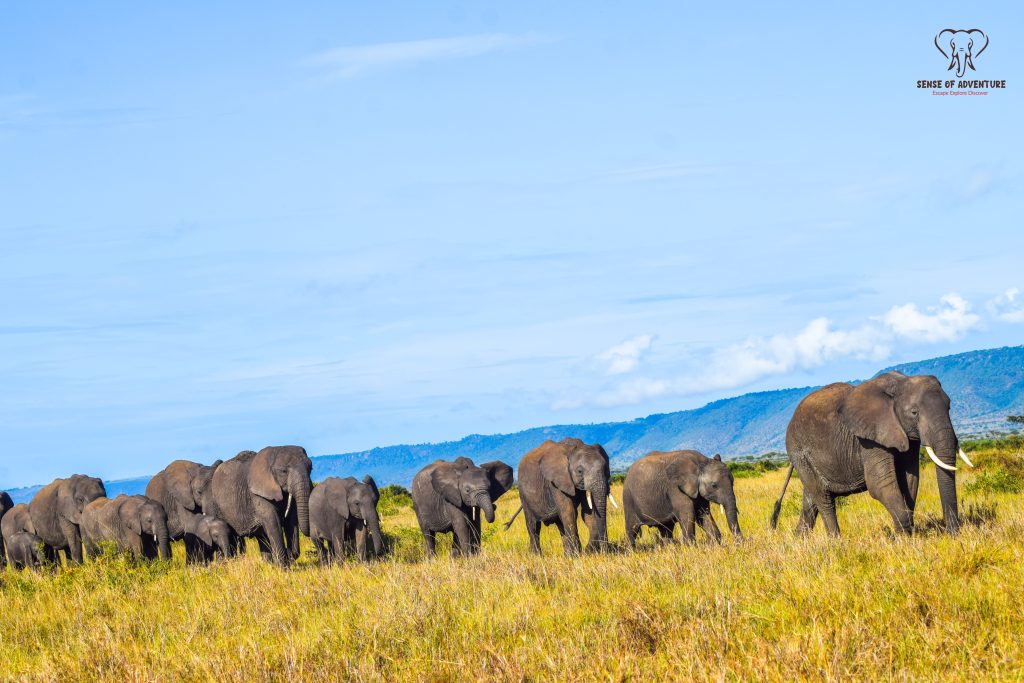
Elephant social structure explains why every herd you see in Kenya is run by an elder female, not the biggest bull: a matriarch who leads her family to food and water using decades of memory, and organises the group’s defence when a threat appears. Family units of related adult cows, their daughters and young sons commonly number from about half a dozen to twenty or more, depending on rainfall and food. Young bulls drift away from the family from around 10 to 15 years old, sometimes later, to live alone or in loose bachelor groups.
Elephants also keep in touch over long distances with low rumbles, much of them too deep for human ears, and carry the longest pregnancy of any land mammal at around 22 months. Once you understand elephant social structure, watching a matriarch decide which way to move her family becomes one of the best moments of a safari, and our guides explain it at every sighting.
✅ Elephant Social Structure: Quick Answer
- Who leads: the matriarch, usually the oldest and most experienced female in the family.
- The family: related cows, their daughters and young sons; related families form bond groups and clans.
- The bulls: leave at around 10–15 years and live alone or in loose bachelor groups.
- Talking: low rumbles that can carry for several kilometres, partly below human hearing.
- Best place to watch: Amboseli, where families have been studied since 1972, plus Samburu and Tsavo.
- Easy option: our 2-Day Amboseli Safari from Nairobi starts at USD 520 per person.
Want to watch a matriarch lead her family? We know where the herds are.
Watch a Matriarch LeadWhy the Matriarch Runs the Herd
At the centre of elephant social structure is the family unit, led by a matriarch, usually the oldest and most experienced female. Her memory of water sources, safe routes and past dangers can decide whether her family gets through a drought. She does not lead alone: other adult females share the work of guarding and raising calves, and the family moves and defends itself as a team.
Research in Amboseli has shown that families with older matriarchs tend to respond better to threats, such as the calls of lions, than families led by younger females. That is why the loss of older females to poaching or drought hits a whole family so hard, and why elephant social structure matters for conservation as well as for safari-goers.
Elephants also show behaviour that researchers describe as grief-like, such as returning to and touching the bones of dead relatives. They have long memories, recognise many other elephants by their calls and solve problems in flexible ways, all of which helps hold elephant social structure together.
How an Elephant Family Actually Works
Elephant social structure is built in layers, from a mother and calf up to clans that share a whole landscape. These are the pieces you will see on a game drive.
The Matriarch — Decades of Memory, Real Authority — the eldest female leads based on experience
The matriarch’s knowledge of water sources, routes and past threats, built over decades, makes her the family’s effective decision-maker: a role earned through experience rather than size or strength.
The Family Unit — Cows, Daughters and Young Sons — commonly from half a dozen to twenty or more
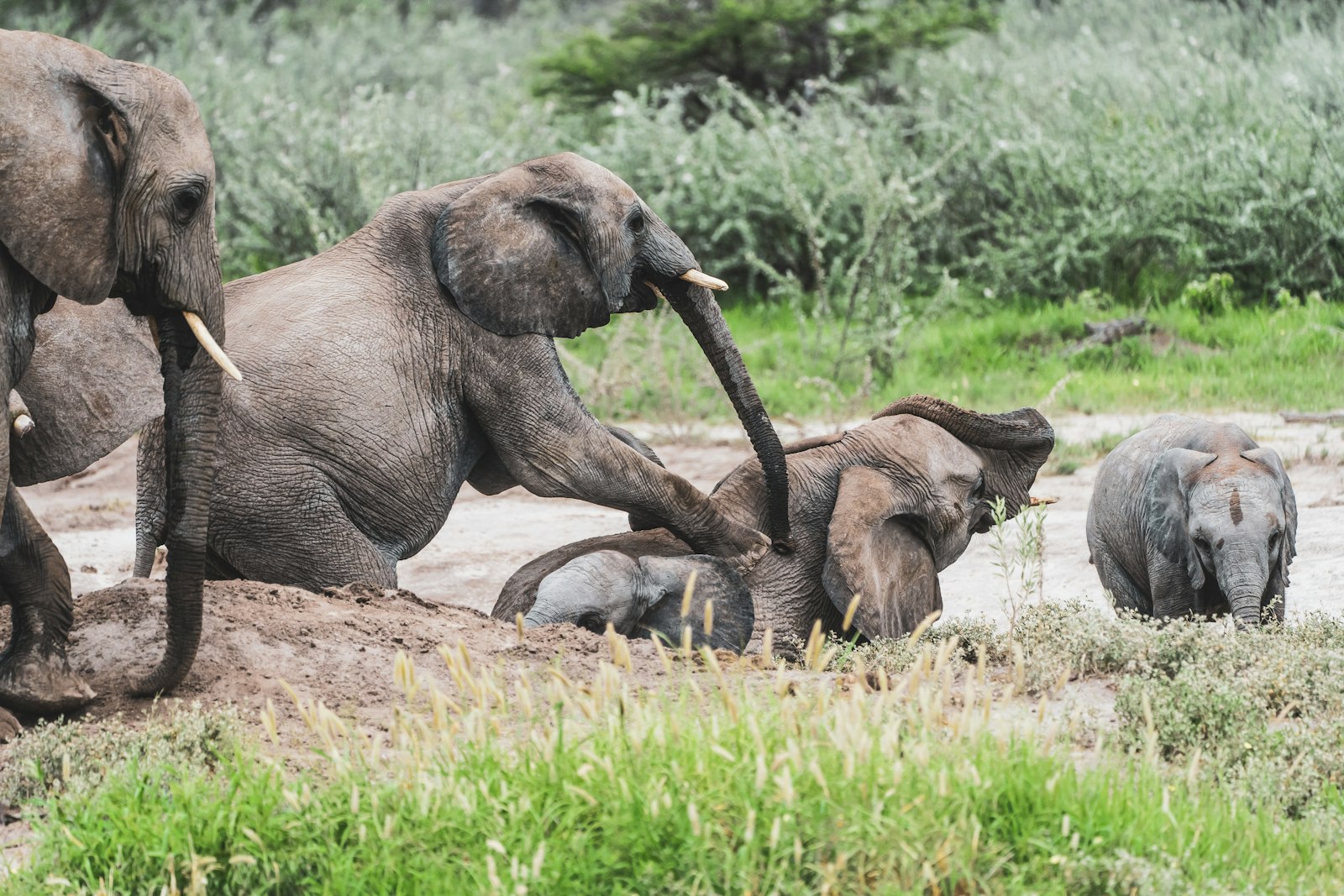
Related females and their offspring form the core social unit, cooperating to raise and defend calves. Group size shifts with rainfall and food, and large families may split when they grow.
Bulls — Leaving From Around 10 to 15 — independent life or loose bachelor groups
Male elephants gradually separate from their birth family as they mature, usually from around 10 to 15 years old and sometimes later. Older bulls often lead younger males and help keep their behaviour in check.
Communication — Rumbles Below Human Hearing — calls that travel for kilometres
Elephants use low-frequency rumbles, much of them too deep for humans to hear, to keep in touch over distances no visual signal could cover. It is a key part of how separated family groups stay coordinated.
Elephant Social Structure From Family to Clan
Above the family unit sit looser layers that researchers in Amboseli have described for decades. Knowing this wider elephant social structure helps you understand why herds merge and split during a day.
Bond groups
Families that are closely related, often because they split from one larger family in the past, form bond groups. They greet each other with loud rumbles, ear-flapping and touching when they meet, and often travel or feed close together.
Clans
Several bond groups that share the same dry-season range make up a clan. In the dry season you may see small families spread out; after rain, many families can come together into large gatherings of a hundred or more.
Calves and allomothers
Calves are born at around 100 kg after a pregnancy of about 22 months, and mothers usually give birth roughly every four to five years. Young females in the family, sometimes called allomothers, help babysit, a key part of elephant social structure, which gives them practice for raising their own calves later.
Elephant social structure among bulls
Bulls have their own hierarchy based on size, age and condition. Adult bulls come into musth, a period of raised hormones and aggression, when they search widely for females. A bull in musth may dribble urine and have swollen, streaming glands on the sides of its head, and your guide will give him extra space.
Elephant Social Structure at a Glance
This table sums up elephant social structure in the way a guide would explain it from the vehicle.
| Level | Who is in it | What to look for |
|---|---|---|
| Mother and calf | A cow and her dependent young | Calf walking under or beside its mother |
| Family unit | Related cows, daughters and young sons, led by the matriarch | A tight group moving in one direction |
| Bond group | Closely related families | Noisy greetings when families meet |
| Clan | Families sharing a dry-season range | Large gatherings after rain |
| Bachelor group | Independent young and adult bulls | Sparring, play-fighting, following older bulls |
| Lone bull | Mature bulls, often in musth | Swollen temple glands, wandering between families |
How to Read Elephant Behaviour on a Game Drive
A few simple signs help you read elephant social structure in real time and understand what a herd is doing and how relaxed it is.
- Finding the matriarch: look for a large, older female near the front when the herd moves, with others watching and following her lead.
- Greetings: trunk-to-mouth touches, rumbles and ear-flapping when families meet show close relationships.
- A bunched herd: calves pushed into the middle and adults facing outwards means the family has sensed a threat.
- Warning signs: ears spread wide, head held high, shaking the head or a short mock charge mean the elephant wants more space.
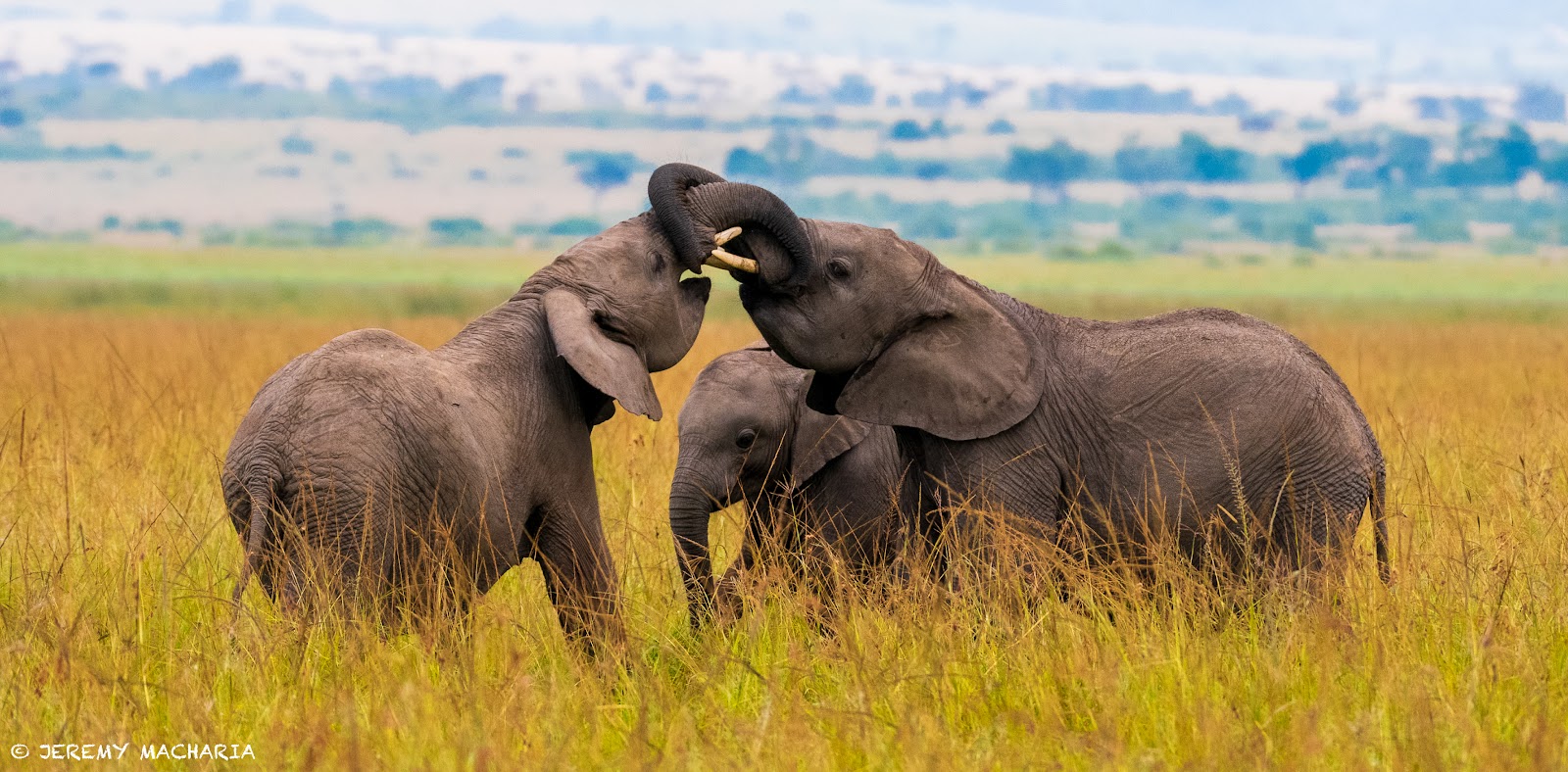
- Sparring bulls: young males pushing trunk to trunk are usually testing strength rather than fighting seriously.
Where to See Elephant Families in Kenya
Elephants live in many Kenyan parks, but these are the best places to watch elephant social structure in action, from tight families to big gatherings.
Amboseli National Park
Amboseli is the classic choice. Its families have been followed by the Amboseli Elephant Research Project since 1972, and Echo, the most famous matriarch, was studied for 36 years until her death in 2009. Herds walk to the swamps each day, so elephant social structure is easy to watch. Read our Amboseli elephants guide.
Samburu National Reserve
Families come to drink and bathe in the Ewaso Ng’iro river, and researchers from Save the Elephants have studied individual elephants here for many years.
Tsavo East and West
Tsavo’s red-dusted elephants live in a huge, wild landscape, where families range widely between water sources. See our Tsavo East and West Safari.
Masai Mara
The Mara’s herds are more spread out, but you will often see families in the woodland and along rivers. Combine them with the big cats on our Masai Mara safari packages, and read our Masai Mara elephants guide.
Nairobi: orphaned elephants
Nairobi National Park has no wild elephants, but the Sheldrick Wildlife Trust runs its orphan elephant nursery inside the park. Our Nairobi Layover Tour, which includes the national park, baby elephants and giraffes, starts at USD 190 per person.
Which Elephant Destination Suits You?
For the clearest view of elephant social structure and family life, choose Amboseli: the land is open, the herds are relaxed and many families are known individually. For a wilder feel with fewer vehicles, pick Tsavo. If you want elephants plus the northern Special Five, go to Samburu, and if you want big cats too, add the Mara.
Photographers who want long, unhurried sightings should consider our Amboseli Elephant Photographic Safari. Our best national parks for elephants in Kenya guide compares all the options.
Amboseli Families or Tsavo’s Wild Herds?
Tell us how many days you have and whether you want to see elephant social structure up close, a wild landscape or elephants with big cats. We will match the right park to your trip.
Best Time to Watch Elephant Families
You can see elephants in Kenya all year, but the season changes elephant social structure on the ground: how herds behave, how large they are and where they gather.
- June to October: the long dry season; families concentrate near swamps and rivers, which makes behaviour easier to watch.
- January to February: a short dry season with good visibility and clear views of Kilimanjaro in Amboseli.
- March to May: the long rains; families spread out to feed on fresh grass, and big gatherings can form.
- November to December: short rains, green landscapes and often young calves.
Best time of day
Early morning and late afternoon bring the best light and the most movement. In Amboseli, families often walk to the swamps from late morning and leave again in the afternoon, dust-bathing on the way. For more detail, see our Kenya weather by month guide.
What an Elephant Safari Costs
The price of a safari built around elephant social structure depends on the park, the number of nights, your camp and the season. Park fees are set by the Kenya Wildlife Service for national parks, and our written quotes always use current rates. Current starting prices on our site include:
- Amboseli Day Safari: from USD 250 per person.
- 2-Day Amboseli Safari from Nairobi: from USD 520 per person.
- Tsavo East and West Safari (3 days): from USD 600 per person.
- Amboseli Elephant Photographic Safari (4 days): from USD 1,800 per person.
- Kenya Classic Safari, Amboseli, Lake Naivasha and Masai Mara (7 days): from USD 1,650 per person.
Dry-Season Elephant Trips Book Early
Lodges near Amboseli’s swamps are popular from June to October. Send your dates and we will reply with a written quote and honest advice on availability for watching elephant social structure at its best.
Quote My Elephant SafariElephant Social Structure: Key Facts
- Matriarch role: the eldest, most experienced female usually leads the family unit based on accumulated memory.
- Family unit size: commonly from about half a dozen to twenty or more, varying with rainfall and ecosystem.
- Bull dispersal age: young males usually leave the family from around 10 to 15 years old, sometimes later.
- Gestation period: approximately 22 months, the longest pregnancy of any land mammal.
- Birth interval: females typically give birth roughly every four to five years.
- Communication: low rumbles, partly below the range of human hearing, that can carry for several kilometres.
- Lifespan: up to around 60–70 years in the wild, allowing matriarchs to build decades of knowledge.
- Status: the African savanna elephant is listed as Endangered on the IUCN Red List.
Elephant Etiquette on Game Drives
- Never drive between a mother and her calf or split a family that is crossing a track.
- Let the herd pass: your guide will stop ahead of the line and switch off the engine.
- Keep voices low and avoid sudden movements, especially near young calves.
- Give lone bulls in musth plenty of room, and back away if an elephant shows warning signs.
To learn more about elephant research and protection, visit the Amboseli Trust for Elephants, Save the Elephants, the Sheldrick Wildlife Trust and the IUCN Red List.

Building an Elephant-Focused Kenya Safari
Amboseli’s elephant families have been individually studied and named for more than 50 years; read our Amboseli elephants guide. Combine with the Mara’s herds via our Masai Mara elephants guide, or book our Tsavo East & West Safari for Tsavo’s larger, wilder landscape.
To spend as long as you like with each family, choose a private Kenya safari with your own vehicle and guide. Before you travel, most visitors need a Kenya eTA from the official Kenya eTA portal.
Watch the Herd Make Real Decisions
We will plan unhurried time with elephant families in Amboseli, Samburu or Tsavo, so you can see elephant social structure for yourself with a guide who reads the herd.
Frequently Asked Questions
Who leads an elephant herd?
An elephant family is led by a matriarch, usually the eldest and most experienced female. Her memory of water sources, routes and past threats makes her the group’s main decision-maker, while other adult females help protect and raise the calves. Adult bulls do not lead family herds.
How big is a typical elephant family in Kenya?
Elephant families commonly range from about half a dozen to twenty or more animals, made up of related adult cows, their daughters and young sons. Size varies with rainfall and food. Large families may split, and related families often join up after rain into gatherings of a hundred or more.
When do male elephants leave their family?
Young bulls usually start to leave their birth family from around 10 to 15 years old, though some stay longer. They then live alone or in loose bachelor groups with other males, often following older bulls, and only return to families briefly, mainly when looking for females to mate with.
How long is an elephant pregnancy?
Elephant pregnancy lasts about 22 months, the longest of any land mammal. Calves weigh around 100 kg at birth and depend on their mothers for several years. Females usually give birth roughly every four to five years, which is one reason elephant populations recover slowly from poaching.
How do elephants communicate over long distances?
Elephants use low-frequency rumbles, much of them below the range of human hearing, that can travel for several kilometres. These calls help separated family members stay in touch, coordinate movement and find mates. Researchers believe elephants may also sense some calls as vibrations through the ground.
What is the elephant social structure in Amboseli?
In Amboseli, elephant social structure has been studied since 1972. Families led by matriarchs link into bond groups and clans, and bulls live separately once they mature. Because researchers know individual elephants, guides can often tell you which family you are watching and a little of its history.
Is it safe to watch elephant families from a vehicle?
Yes, with a good guide who understands elephant social structure. Families are usually relaxed around vehicles that keep a respectful distance and switch off their engines. Guides watch for warning signs, such as spread ears or head-shaking, and give mothers with small calves and bulls in musth extra room, moving away if needed.