
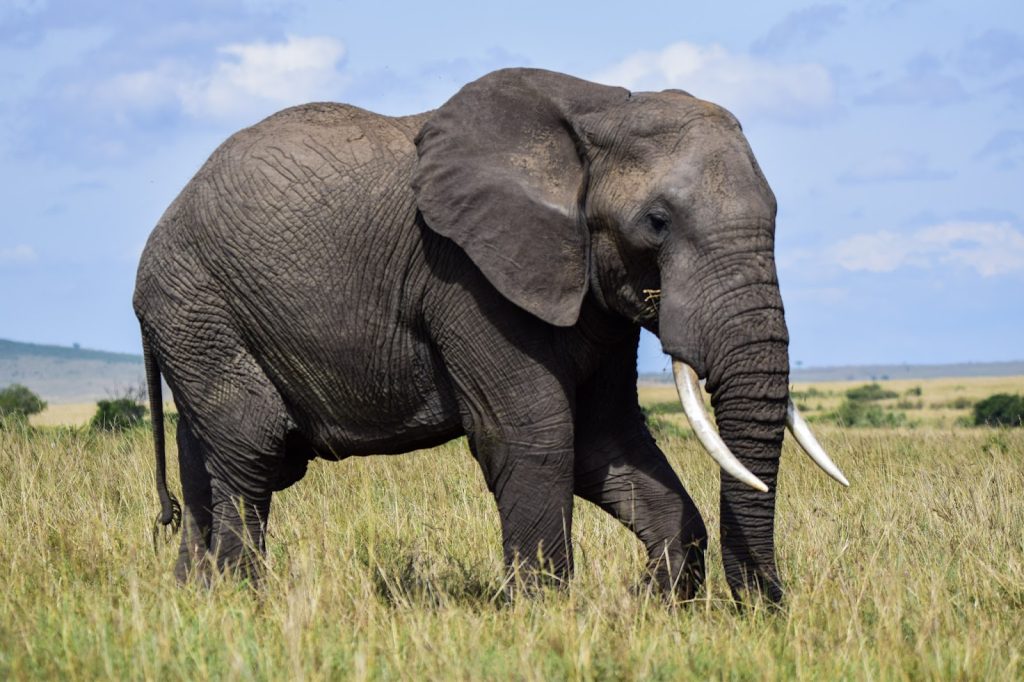
Elephants of Masai Mara country move through the reserve like grey weather systems — matriarch-led families of a dozen, bulls the size of safari trucks, calves hurrying in the herd’s moving shade. The greater Mara ecosystem holds thousands of elephants, and unlike the migration they are here every month of the year, threading between the Mara River forests, the marsh edges and the open plains. Watching a breeding herd close ranks around a newborn, or a big tusker feed one acacia branch at a time, delivers a different emotion from the cats: not adrenaline but awe. Sense of Adventure guides read herd mood expertly, which is what safe, close, engine-off elephant time requires.
Spend Real Time With the Grey Giants
Engine-off herd sightings, river crossings and marsh feeding — tell us elephants are your priority and we’ll plan for them.
Where the Masai Mara’s Elephants Live and Move
Mara elephants follow water and browse. Dawn finds family herds emerging from the riverine forests along the Mara and Talek rivers where they shelter overnight; by mid-morning they string across the open plains toward the marshes — Musiara marsh is famous for exactly this — and the drainage lines where grass stays green. The ecosystem’s population, counted in the thousands and growing, includes impressive tuskers that move between the reserve and surrounding conservancies. Bulls travel alone or in loose bachelor pods; the families, led by matriarchs with decades of route memory, can cover 20 kilometres in a day.
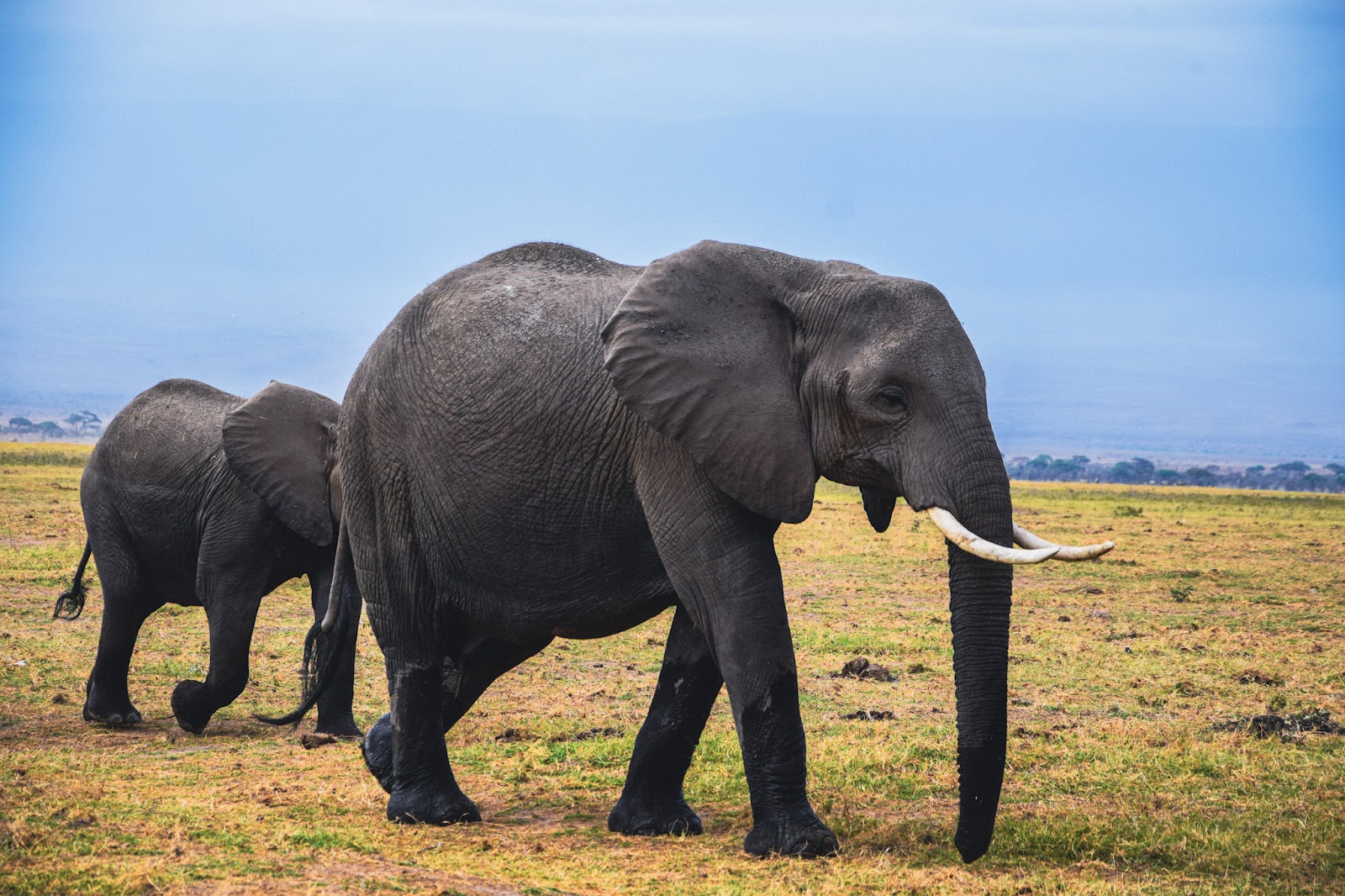
A herd chose to walk past our parked car — maybe thirty of them, close enough to hear stomachs rumbling. The guide had positioned us and switched off five minutes before they arrived; he knew their line. My kids didn’t breathe. Neither did I.
— Sense of Adventure guest, family safari
The 5 Essential Elephant Experiences in the Mara
A Breeding Herd Up Close — family life at walking pace
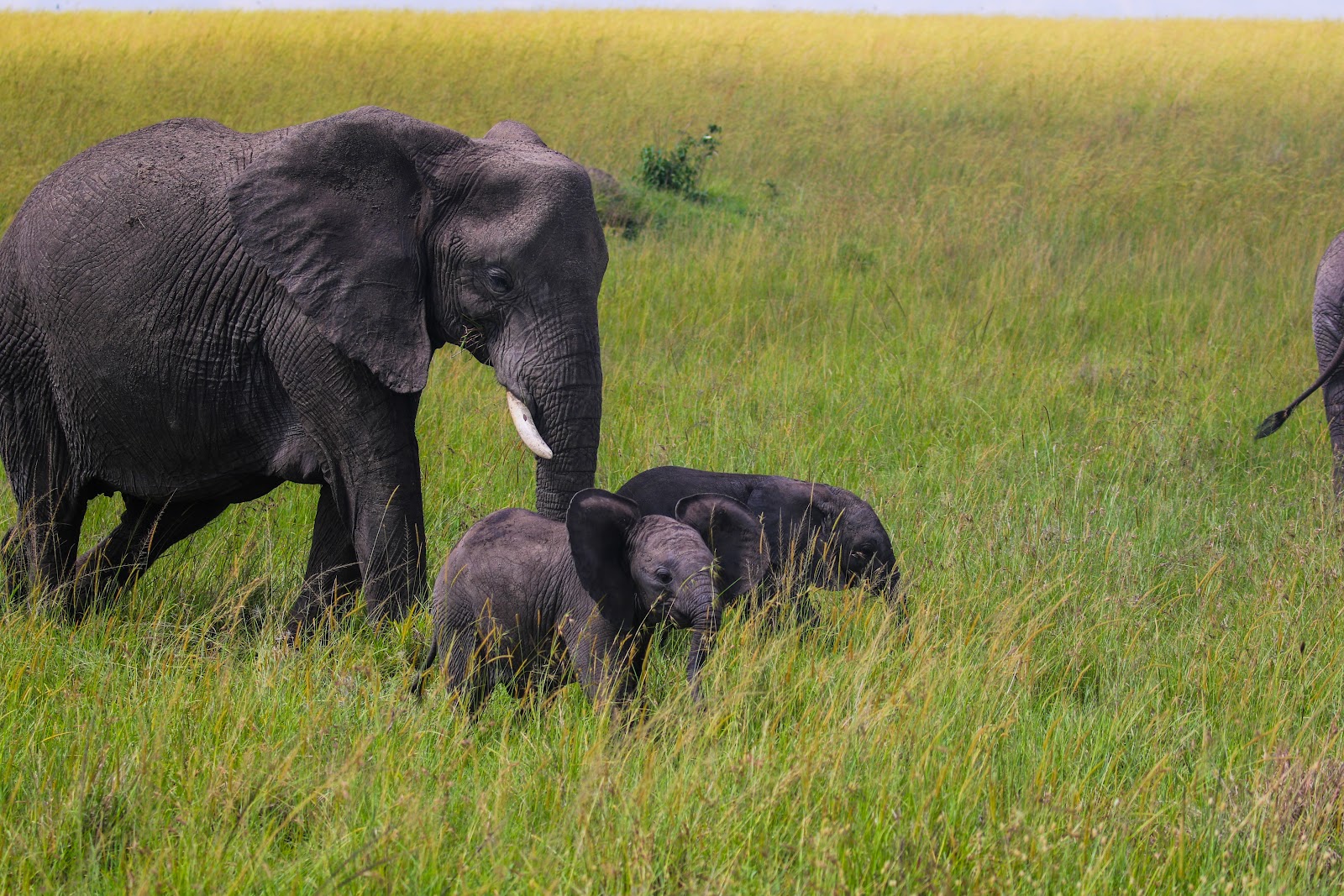
Nothing on safari matches a relaxed family herd flowing around your stationary vehicle — calves tripping over their trunks, teenagers sparring, the matriarch pausing to assess you with one amber eye. The trick is positioning on their line early and going silent. Done right, the herd treats you as landscape; done wrong, you never get within two hundred metres.
The River Crossing — trunks up, calves in the middle
Elephant crossings of the Mara River are quieter than the wildebeest chaos but twice as moving: adults form a wall upstream of the calves, trunks periscope above the current, and everyone boosts the babies up the far bank. Late dry-season months concentrate these crossings. Position at the hippo pools and wait.
The Big Tuskers — walking monuments
The greater Mara still carries bulls with tusks sweeping near the ground — genetics that poaching erased almost everywhere else. Finding one feeding calmly at forty metres, ears fanning, is a privilege that resets your sense of scale permanently. Our guides track the known big bulls’ ranges between the reserve and conservancies.
Marsh Feeding at Musiara — the daily green buffet
The Musiara marsh area draws herds almost daily to dig, pull and hose green sedge — up to 150 kg per adult per day. Feeding elephants are busy elephants, which means long, relaxed sightings and endless behaviour: mud-spraying, tusking the ground, calves imitating badly. It is the most reliable elephant appointment in the reserve.
Dust Baths and Mud Wallows — skincare, elephant edition
After drinking comes the spa: mud slapped on by the trunkful, then a talc-layer of red dust. It protects skin from sun and parasites — and produces the Mara’s most joyful photography, especially when calves commit fully and emerge as chocolate-dipped disasters. Waterholes in late afternoon light are your venue.
Plan an Elephant-Rich Itinerary
Marsh circuits, river crossings and tusker territory — with time budgeted to actually watch, not just tick.
Masai Mara Elephant Facts
- Numbers: the greater Mara ecosystem supports thousands of elephants, with numbers stable-to-growing in recent counts.
- Appetite: an adult eats up to 150 kg of vegetation and drinks up to 200 litres daily — hence the constant movement.
- Matriarchy: herds are led by senior females whose memory maps decades of water and browse routes.
- Gestation: at 22 months, elephants carry the longest pregnancy of any land mammal; calves nurse for years.
- Where: riverine forest at dawn, Musiara marsh by day, open plains in the golden hours — a daily rhythm guides plan around.
- Manners: ears out and a head shake mean back off; guides read these signals so sightings stay calm for everyone.
Elephants Across Kenya — and Beyond the Mara
The Mara’s herds are one chapter of Kenya’s elephant story. Compare them with the swamp-wading giants in our Amboseli safari guide — home of the biggest tuskers — and the red elephants in our Tsavo guide. To photograph herds against Kilimanjaro, see the Amboseli Elephant Photographic Safari, or keep it classic with a 3-day Masai Mara safari.
Stand (Parked) Among Giants
The herds walk the same lines every day. Let us put you gently on one. Message us to plan your elephant days.
Frequently Asked Questions
Are there elephants in the Masai Mara?
Yes — the greater Masai Mara ecosystem holds thousands of elephants, resident year-round. Matriarch-led breeding herds move daily between the riverine forests, the Musiara marsh and the open plains, while impressive lone bulls — including some big tuskers — range across the reserve and conservancies.
Where is the best place to see elephants in the Masai Mara?
The most reliable elephant viewing in the Masai Mara is the Musiara marsh area, where herds feed on green sedge almost daily, plus the forest edges along the Mara and Talek rivers at dawn. Waterholes and river crossing points deliver action in the dry months.
Does the Masai Mara have big tuskers?
Yes — the greater Mara ecosystem still supports bulls carrying very large tusks, moving between the reserve and neighbouring conservancies. They are scarcer than Amboseli’s famous giants, but guides know the ranges of known big-tusked bulls and sightings are regular.
How many elephants live in the Masai Mara?
Recent counts put the greater Masai Mara ecosystem’s elephant population in the low thousands and stable-to-growing — a conservation bright spot. Herds are not confined by fences, moving freely between the reserve, the conservancies and the wider Serengeti-Mara landscape.
Is it safe to be close to elephants on a game drive?
With a professional guide, yes. Masai Mara elephants tolerate calm, well-positioned vehicles, and guides read warning signals — spread ears, head shakes, trunk twists — long before a situation develops. The rules are simple: approach slowly, never split a herd, engine off, and let the elephants set the distance.