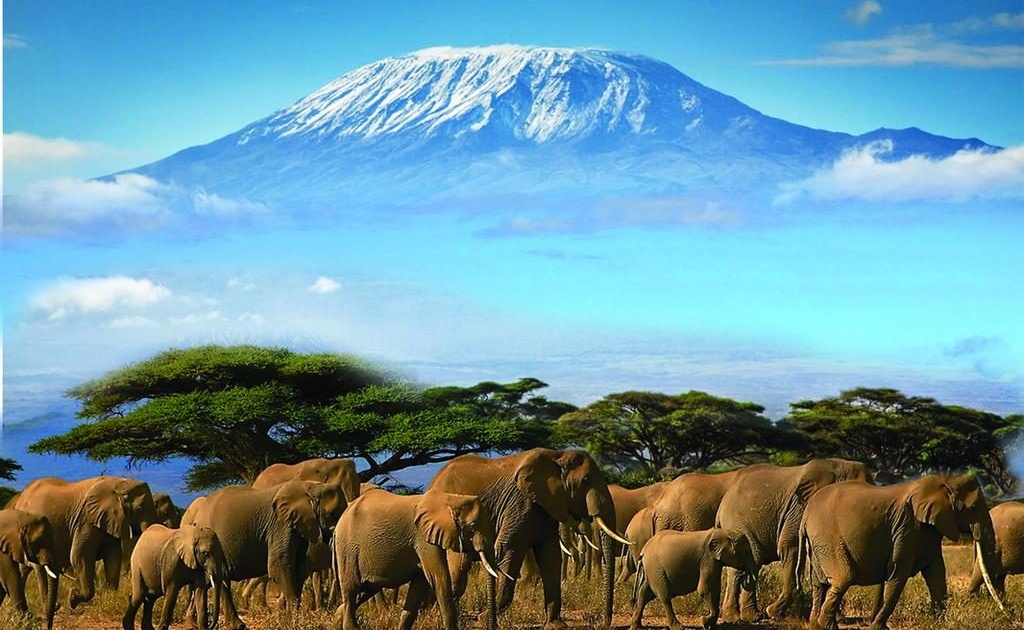
The best national parks for elephants in Kenya offer two very different experiences: raw numbers versus intimacy. Tsavo holds the largest elephant population in the country, an estimated 14,964 in the Tsavo ecosystem at the 2021 national wildlife census, while Amboseli offers something Tsavo’s vast bush cannot: decades of individually known elephant families, seen against Kilimanjaro and relaxed enough for close, calm viewing. Picture a herd of thirty crossing the horizon in Tsavo’s red dust, compared with a known matriarch’s family grazing metres from your vehicle with Africa’s highest mountain behind them. Sense of Adventure builds elephant-focused trips around exactly this difference, and adds Samburu, the Masai Mara and Laikipia for variety.
✅ Best National Parks for Elephants in Kenya: Quick Answer
- Most elephants: Tsavo East and West, home to Kenya’s largest population and the famous red elephants.
- Best photos and closest viewing: Amboseli, with relaxed, well-known families beneath Kilimanjaro.
- Something different: Samburu, where herds gather along the Ewaso Nyiro river in dry country.
- Elephants plus big cats: the Masai Mara and its conservancies.
- Best months: the dry seasons, June to October and January to February, when herds gather at water.
- Classic combination: Amboseli and Tsavo together, from Nairobi or the coast.
Dreaming of elephants under Kilimanjaro? Start your plan here.
Two Different Elephant Experiences, Both World-Class
Tsavo’s elephant population has recovered strongly since the heavy poaching of the 1970s and 1980s, and the Tsavo ecosystem now holds the largest number of elephants in Kenya. They are spread across a huge landscape, so sightings feel truly wild rather than staged.
Amboseli takes the opposite approach: a smaller population, but one of the most closely studied on Earth. The Amboseli Trust for Elephants has followed individual families since 1972, and guides know many matriarchs by name. Samburu and the wider Laikipia area round out the picture with strong, river-dependent herds in a much drier landscape.
The 7 Best Parks for Elephants in Kenya
Tsavo — The Biggest Numbers in Kenya — ~14,964 elephants across the ecosystem
The Tsavo ecosystem holds Kenya’s largest elephant population by a wide margin. Its famous red elephants, coated in the iron-rich red soil they dust and wallow in, are a signature sight. Book our Tsavo East and West Safari (3 days) and read our red elephants of Tsavo guide.
Amboseli — Known Families, Kilimanjaro Backdrops — studied since 1972
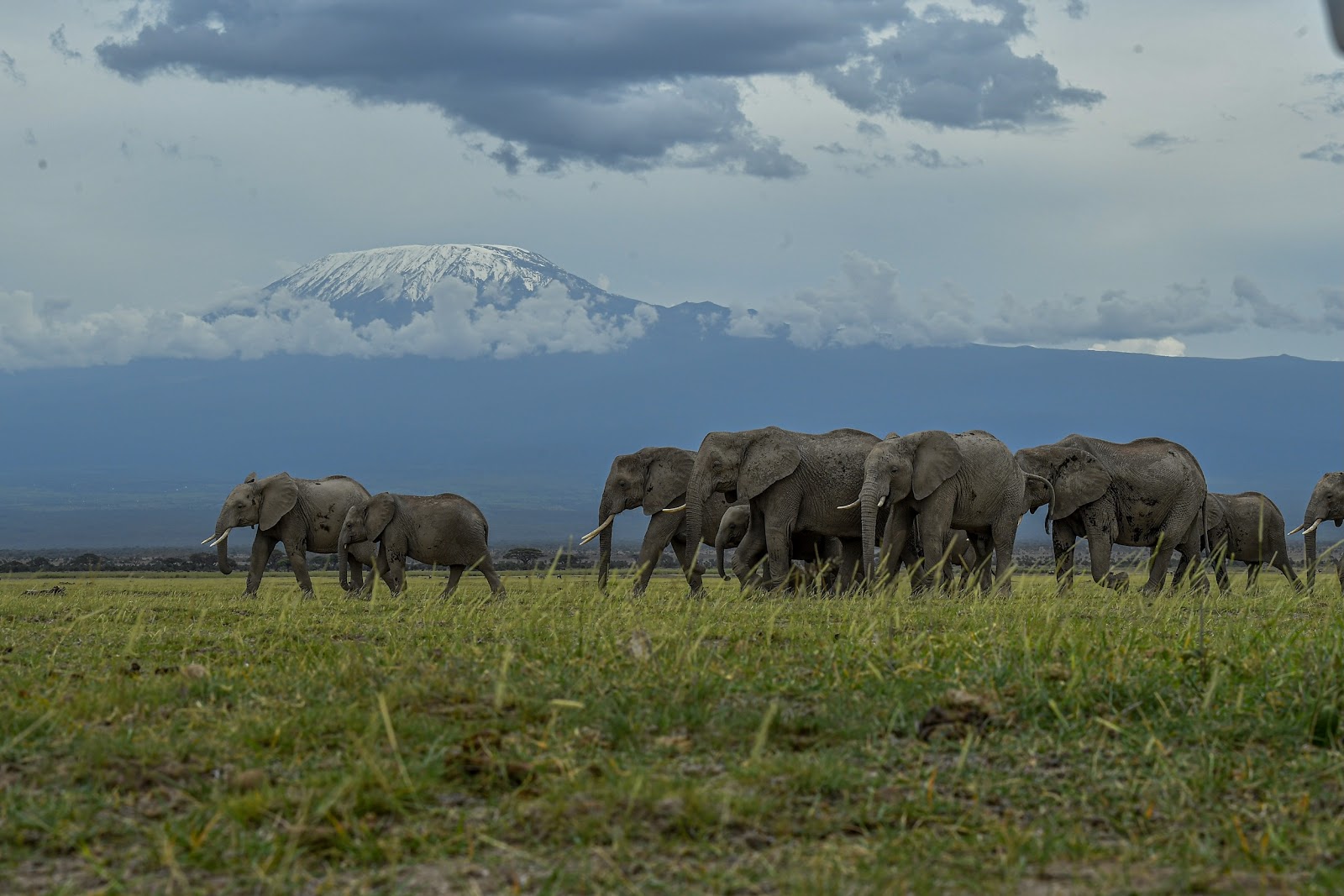
Amboseli’s elephants have been studied continuously since 1972, so guides can point out particular matriarchs and family lines. Combined with the Kilimanjaro backdrop, this is the park for elephant photography. See our Amboseli elephants guide and our 2-Day Amboseli Safari from Nairobi.
Samburu — River-Corridor Family Groups — strong herds along the Ewaso Nyiro
Samburu’s elephant families gather along the Ewaso Nyiro river, especially in the dry season when the water draws them daily. It is a different, desert-edge elephant experience alongside Samburu’s Special Five. See our Samburu safari page.
Masai Mara — Elephants With Big Cats — herds on open plains
The Mara is famous for lions and the migration, but elephant herds are common on its plains and along the river woodlands. You rarely go a day without them. See our Masai Mara safari page.
Laikipia Conservancies — Elephants on the Move — Ol Pejeta, Lewa and beyond
The Laikipia–Samburu ecosystem holds one of Kenya’s largest elephant populations outside the parks, moving between conservancies and ranches. Walking safaris and night drives add variety.
Aberdare National Park — Forest Elephants at Night — waterhole lodges
In the misty Aberdare forest, elephants come to floodlit waterholes after dark. Watching them from a lodge viewing deck is a very different kind of encounter from a savannah game drive.
Shimba Hills — Coastal Forest Elephants — a short trip from Diani
For beach visitors, Shimba Hills National Reserve offers elephants in coastal forest and grassland within easy reach of Diani. Sightings are less predictable, but it fits into a beach holiday. See our Shimba Hills guide.
Best National Parks for Elephants in Kenya Compared
This table sums up what each park offers. Elephant odds reflect a typical two- or three-night stay in the dry season.
| Park | Elephant odds | What makes it special |
|---|---|---|
| Amboseli | Very high | Close, relaxed families; Kilimanjaro views |
| Tsavo East and West | Very high | Largest numbers; red elephants; wilderness |
| Samburu | High | River herds; Special Five |
| Masai Mara | High | Elephants plus big cats and migration |
| Laikipia conservancies | Good | Rhinos, walks, night drives |
| Aberdare | Good at night | Forest elephants at floodlit waterholes |
| Shimba Hills | Moderate | Easy add-on to a Diani beach stay |
How to Choose Your Elephant Park
Picking between the best national parks for elephants in Kenya depends on your starting point, your time and what else you want to see.
For photographers
Choose Amboseli. Flat, open ground, calm elephants and the chance of Kilimanjaro at dawn give you the strongest images. Two nights is the minimum, as the mountain is often hidden by cloud. Our Kilimanjaro view from Amboseli guide explains the best times.
For a wilderness feel
Choose Tsavo. Vast distances, few vehicles and big red herds at waterholes make it feel like old Africa. It also works well from the coast.
For one trip with everything
Combine the Masai Mara with Amboseli, or Samburu with Laikipia. You will see plenty of elephants and also have strong chances of lions, cheetahs and rhinos.
For beach holidaymakers
From Mombasa or Diani, Tsavo East is the easiest big-elephant option, and Shimba Hills is a gentle half-day alternative.
Amboseli, Tsavo or Both?
Tell us where you start, how many nights you have and whether photography or wilderness matters more. We will match the right elephant parks to your trip.
Best Time to See Elephants in Kenya
Elephants are seen all year, but the dry seasons make them easiest to find.
- June to October: long dry season. Herds gather at swamps, rivers and waterholes, especially in Amboseli and Tsavo. This is peak season, and the best lodges book early.
- January to February: short dry season, with hot days, good visibility and often clearer views of Kilimanjaro.
- March to May: long rains. Herds spread out as water is everywhere, but the landscapes are green and prices lower.
- November to December: short rains with lush scenery and many young calves in some areas.
Morning and late afternoon are the best times of day, as elephants walk to and from water. For month-by-month detail, see our Kenya weather by month guide.

Want the Dry-Season Herds?
Amboseli and Tsavo lodges with waterhole views book early for July to October. Send your dates and we will check availability and send a written quote.
Kenya Elephant-Viewing Facts
- National population: Kenya’s 2021 census counted more than 36,000 elephants.
- Tsavo population: about 14,964 elephants in the Tsavo ecosystem in 2021, the largest in Kenya.
- Amboseli population: more than 1,900 elephants in the wider Amboseli ecosystem, among the most studied in the world.
- Amboseli research: individual families have been followed continuously since 1972.
- Signature sight: Tsavo’s red elephants, coated in the park’s iron-rich red soil.
- Conservation status: the African savannah elephant is listed as Endangered on the IUCN Red List.
Elephant-Watching Etiquette
- Give elephants space, especially mothers with calves; let them approach you rather than the other way round.
- Watch for warning signs such as ears spread wide, head shaking or a mock charge, and let your guide reverse calmly.
- Switch off the engine at sightings when your guide says it is safe, and keep voices low.
- Never block an elephant’s path to water or get between members of a family.
- Do not use drones; they are banned for ordinary visitors in Kenya’s parks.
African savannah elephants are listed as Endangered on the IUCN Red List. If you are in Nairobi, the Sheldrick Wildlife Trust nursery lets you see orphaned elephants being raised for release into Tsavo. Parks are managed by the Kenya Wildlife Service.
Building an Elephant-Focused Kenya Safari
Combine both experiences with our Tsavo and Amboseli Safari from Mombasa (4 days), or start in Nairobi with a 2-Day Amboseli Safari and add Tsavo with our Tsavo East and West Safari. Read our Amboseli elephants guide and red elephants of Tsavo guide for deeper detail.
For a fully tailored route, explore a private Kenya safari, or browse our Kenya safari from Nairobi ideas.
Kenya’s Two Great Elephant Experiences, One Trip
Tsavo’s red giants and Amboseli’s known families beneath Kilimanjaro. Tell us your dates and we will design the route, lodges and game drives around the herds.
Frequently Asked Questions
What are the best national parks for elephants in Kenya?
The best national parks for elephants in Kenya are Amboseli and Tsavo, followed by Samburu, the Masai Mara, the Laikipia conservancies, Aberdare and Shimba Hills. Tsavo has the most elephants, while Amboseli gives the closest, most photogenic viewing beneath Kilimanjaro. Many travellers combine the two on one trip.
Which Kenyan national park has the most elephants?
Tsavo has the most elephants in Kenya. The 2021 national wildlife census counted about 14,964 elephants in the Tsavo ecosystem, by far the largest population in the country. The herds are spread across Tsavo East, Tsavo West and surrounding land, so sightings feel wild and unhurried.
Why is Amboseli famous for elephants?
Amboseli is famous for elephants because its families have been studied continuously since 1972, so many matriarchs are known individually. The elephants are relaxed around vehicles, the ground is open and flat, and Mount Kilimanjaro rises behind them on clear days, which makes it Kenya’s top elephant photography park.
How many elephants live in Kenya?
Kenya’s 2021 national wildlife census counted more than 36,000 elephants across national parks, reserves, conservancies and community land. Tsavo holds the largest single population, with other important herds in Laikipia–Samburu, the Masai Mara and Amboseli. Numbers have grown since the poaching crisis of earlier decades.
Why are Tsavo’s elephants red?
Tsavo’s elephants look red because they dust-bathe and wallow in the park’s iron-rich red soil, which coats their skin. The colour protects them from sun and insects. After rain or a swim the grey skin shows again, so the red is not a separate kind of elephant.
Can you see elephants in Samburu National Reserve?
Yes. Samburu has strong elephant family groups along the Ewaso Nyiro river, and they are especially reliable in the dry season when the river draws them daily. You can see them alongside Samburu’s Special Five, including reticulated giraffe, Grevy’s zebra and gerenuk.
When is the best time to see elephants in Kenya?
The dry seasons, June to October and January to February, are best because elephants gather at rivers, swamps and waterholes. In Amboseli, herds stream into the swamps each morning. In the rainy months elephants spread out, but you will still see them, and the landscapes are greener and quieter.