Does Samburu have the Big Five? Not inside the reserve. Samburu National Reserve has four of the five: elephant, lion, leopard and buffalo. Rhinos were poached out of the area by the late 1980s and have not returned to the reserve. You can still complete the Big Five nearby, at Sera Rhino Sanctuary to the north or at Lewa and Ol Pejeta to the south.
Sense of Adventure is a TRA-licensed private safari company based at Mountain Mall on Thika Road, Nairobi. We plan northern Kenya safaris all year, for independent travellers and for overseas travel agents. This guide answers does Samburu have the Big Five in full: the honest wildlife picture, the rhino story, the best months, travel times and the routes that let you see all five without wasting days on the road.
Does Samburu Have the Big Five? Get the Honest Picture
Tell us your dates and we will show you how to pair Samburu with a rhino sanctuary, so you see all five on one private safari.
Does Samburu Have the Big Five? The Short Answer
Samburu National Reserve has four of the Big Five, and the fifth, the rhino, lives in sanctuaries a drive away.
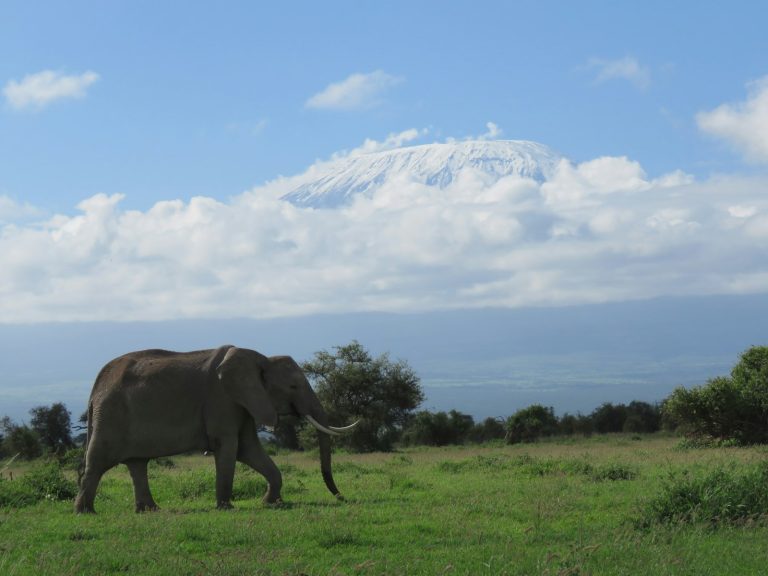
Elephants are the reserve’s headline animal. Leopards are seen often along the Ewaso Ng’iro river. Lions are resident, and buffalo gather near water and swampy ground. Cheetahs are present too. What you will not find inside the reserve is a rhino. The same is true of neighbouring Buffalo Springs and Shaba, which share the same dry-country ecosystem.
So if someone asks you, does Samburu have the Big Five, the fair reply is: almost. That matters only if a full Big Five list is your main goal. Most guests come for something different, the rare northern species known as the Samburu Special Five, and leave delighted.
| Does Samburu have the Big Five? | Inside the reserve? | How likely you are to see it |
|---|---|---|
| Elephant | Yes | Very likely, especially along the river |
| Leopard | Yes | Good chances over two or three days |
| Lion | Yes | Likely, though prides range widely |
| Buffalo | Yes | Likely near water and swamp edges |
| Rhino | No | Only in nearby sanctuaries such as Sera, Lewa or Ol Pejeta |
Sightings are never guaranteed anywhere in the wild. The table reflects typical experience in the reserve, not a promise. For the wider picture across Kenya, see our guide to your real chances of seeing the Big Five in Kenya.
Does Samburu Have the Big Five? Animal by Animal
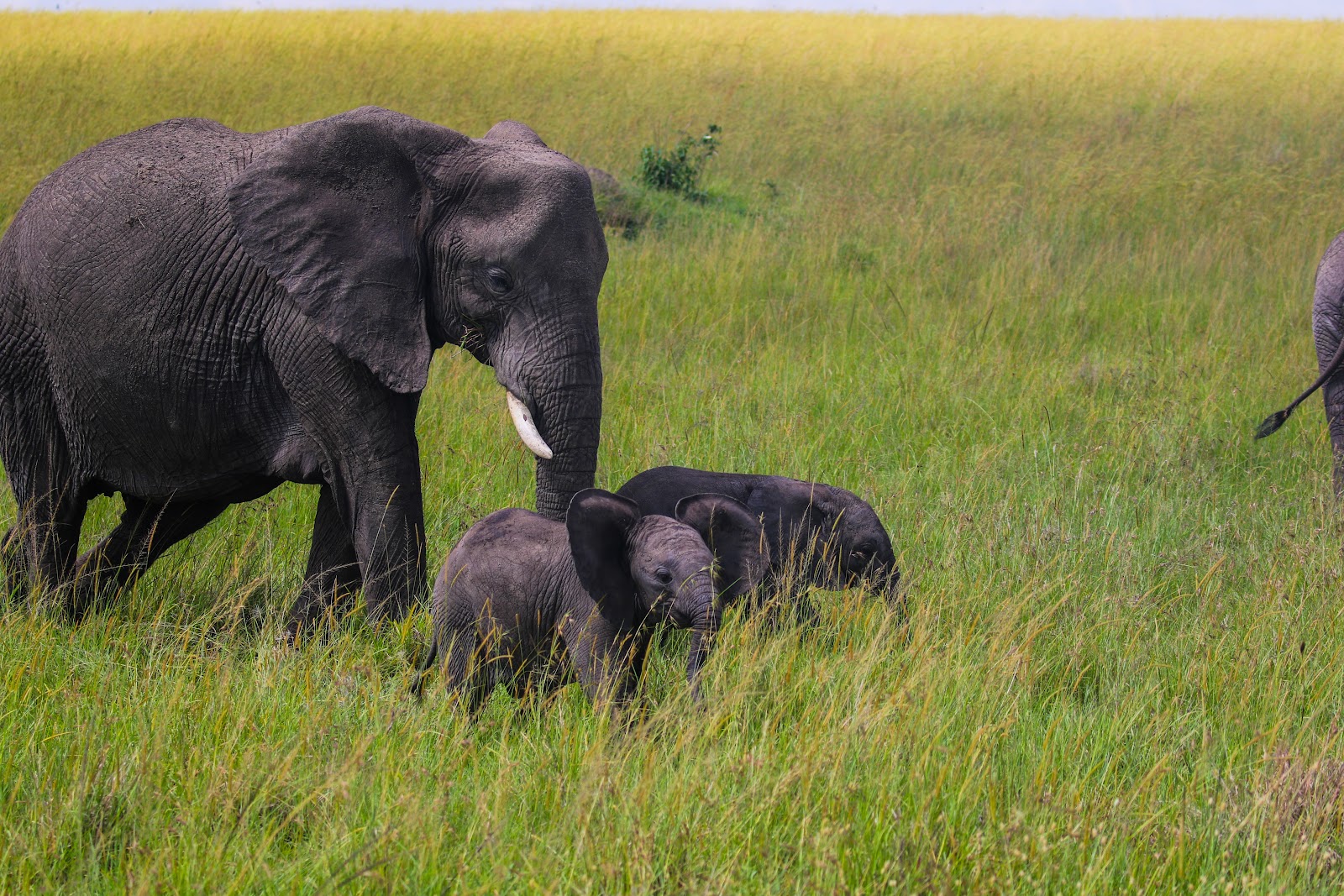
Each of the four Big Five species in Samburu behaves a little differently from its cousins in the Masai Mara, which shapes how and where you find it.
Elephants: Samburu’s Star
The Ewaso Ng’iro river is a lifeline in this semi-arid land, and elephants come to it daily to drink, bathe and dig for water in the sand. The research charity Save the Elephants has run a research camp on the edge of the reserve since 1997 and has identified more than 900 elephants using it. That long study is one reason the herds are so relaxed around vehicles. Does Samburu have the Big Five for elephants? Emphatically yes.
Leopards: Watch the Riverine Trees
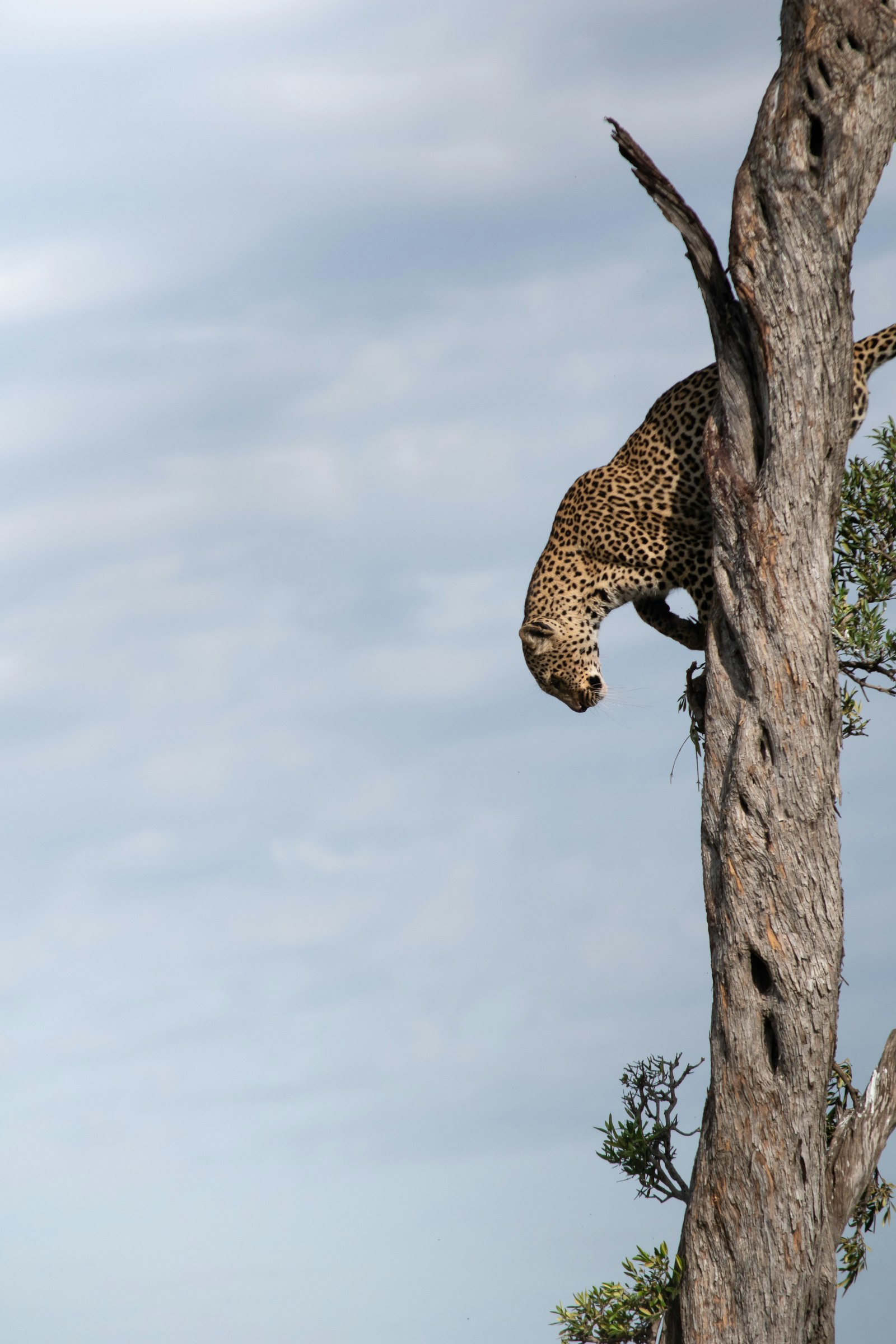
The doum palms and acacias along the river give leopards shade, cover and high branches for resting. Early mornings and late afternoons are best. A good guide will scan the riverbank trees and rocky outcrops rather than open plains. Leopards are shy everywhere, so patience pays. Two or three full days give you a fair chance. Does Samburu have the Big Five for leopards? Yes, and they are a highlight.
Lions: Present but Wide-Ranging
Samburu’s lions live in drier, thicker country than the open Mara grasslands, so they can be harder to locate. Prides move between Samburu, Buffalo Springs and the community land around them. Your guide will read tracks, listen for alarm calls and talk to other guides on the radio. When you find them, there are rarely many other vehicles. Does Samburu have the Big Five for lions? Yes, with effort.
Buffalo: Near Water and Swamps
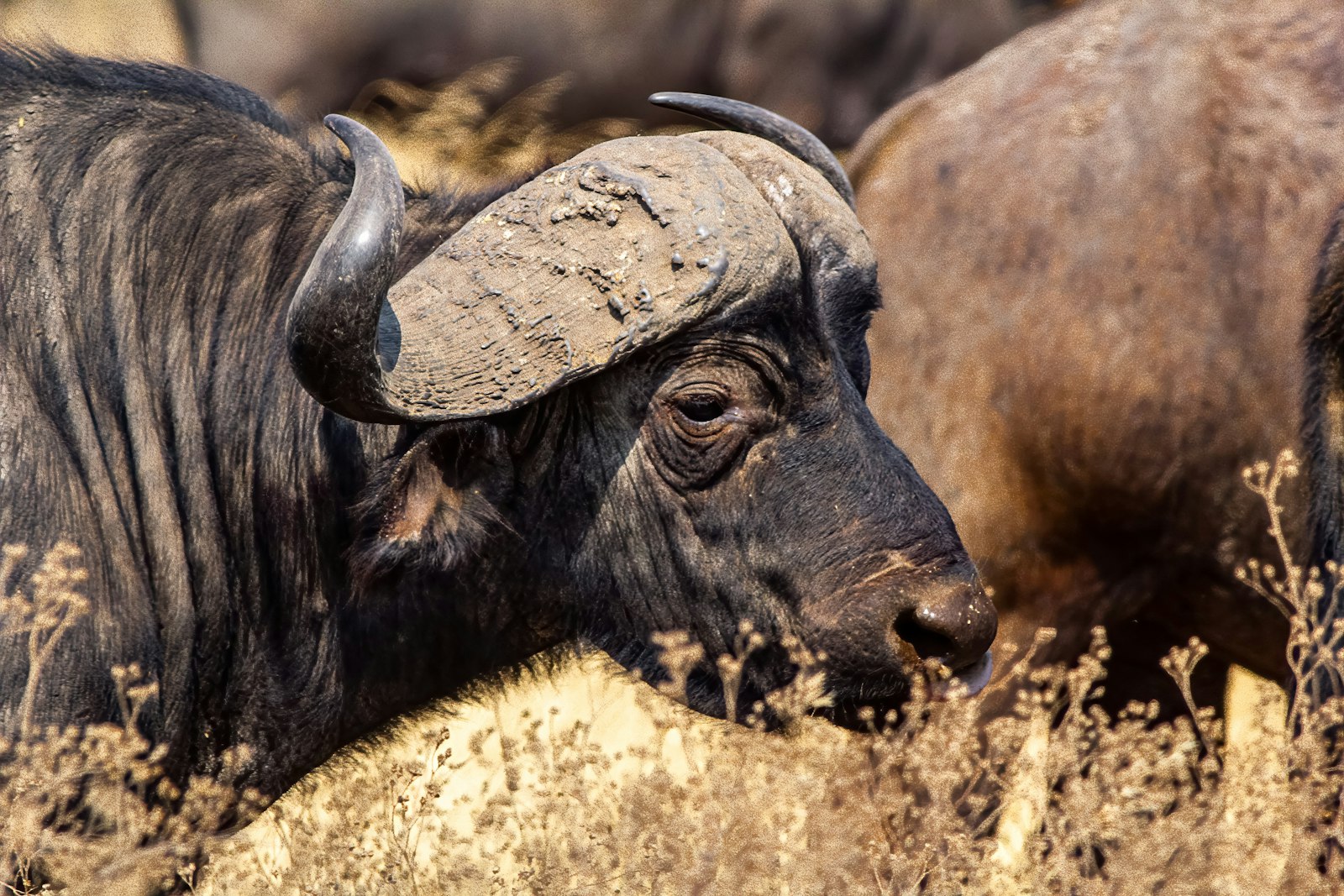
Cape buffalo need to drink regularly, so they stay close to the river and to marshy ground, particularly in Buffalo Springs across the river. Herds here are smaller than in the Mara or Laikipia. Older bulls often rest alone in thick bush, which is why guides treat them with respect. Does Samburu have the Big Five for buffalo? Yes, in smaller numbers.
Rhino: the Missing Fifth
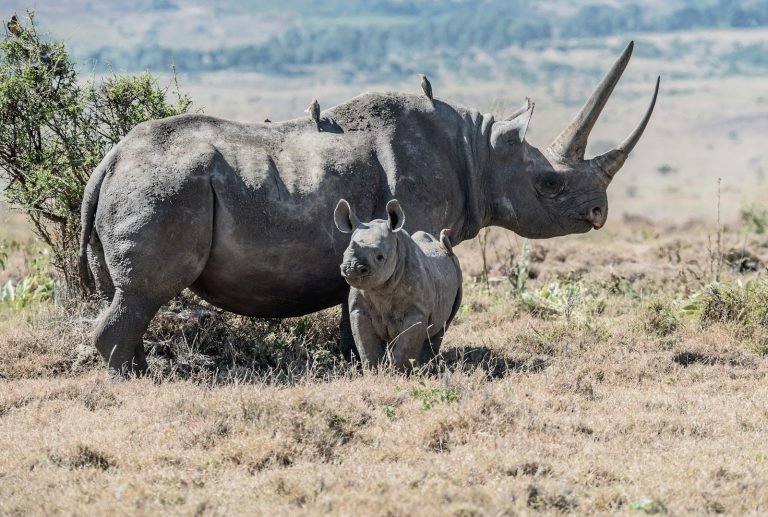
There is no resident rhino population inside Samburu, Buffalo Springs or Shaba today. Isiolo County, which manages Buffalo Springs and Shaba, has publicly asked for rhinos to be returned to its reserves, which tells you how real the gap is. If you want the full answer to does Samburu have the Big Five, the rhino is the honest exception.
What Happened to Samburu’s Rhinos?
Poaching for rhino horn wiped out the region’s rhinos in the 1970s and 1980s, and they were absent from Samburu for around 25 years.
The Poaching Years
Kenya held an estimated 20,000 black rhinos in the 1960s, according to Save the Rhino. Two decades of poaching cut that to fewer than 300. Remote northern areas with little protection were hit hardest, and Samburu’s rhinos had gone by the late 1980s. Kenya’s recovery since then has been built on fenced, heavily guarded sanctuaries such as Lewa, Ol Pejeta and Lake Nakuru.
The Return to Sera in 2015
In 2015, black rhinos were moved from Lewa, Lake Nakuru and Nairobi National Park into a new sanctuary inside Sera Community Conservancy, in Samburu County. It is owned and run by the local Samburu community, with support from the Kenya Wildlife Service, the Northern Rangelands Trust and Lewa. National Geographic describes it as East Africa’s first community-managed black rhino sanctuary.
White Rhinos Join in 2024
In 2024, Lewa moved four southern white rhinos to Sera, the first white rhinos in the area. The sanctuary reports no poaching since the translocations and a growing population of both species. Numbers change with births and moves, so we give you the latest picture when you plan.
Where to See Rhinos Near Samburu
Does Samburu have the Big Five within reach? Yes: Sera lies to the north, with Lewa, Ol Pejeta and the Laikipia Plateau to the south.
Sera Rhino Sanctuary: Tracking on Foot
Sera’s fenced sanctuary covers about 26,000 acres along the Isiolo to Marsabit road, roughly 94 km north of Isiolo town. Here you track black rhinos on foot with community rangers, which is quieter and far more intimate than a vehicle sighting. Activities are arranged through the sanctuary and its partner lodge, and fitness or age rules apply, so we confirm them before you book.
Lewa Wildlife Conservancy: Black and White Rhinos
Lewa covers about 62,000 acres in Meru County, south of Samburu on the way back towards Mount Kenya. It began protecting black rhinos in the 1980s and is part of a UNESCO World Heritage Site. You can see black and white rhinos here on game drives. Read our Lewa Wildlife Conservancy guide for camps and activities.

Ol Pejeta and the Laikipia Plateau
Ol Pejeta, near Nanyuki, holds a large black rhino population, white rhinos and the last northern white rhinos. It sits on the main road between Nairobi and Samburu, so it slots in naturally. See our Ol Pejeta Conservancy safari guide, the Laikipia Plateau safari guide and our comparison of Ol Pejeta vs Lewa.
| Does Samburu have the Big Five nearby? | Rhino species | How you see them | Best for |
|---|---|---|---|
| Sera Rhino Sanctuary | Black and southern white | On foot with rangers | Adventure, conservation, remote north |
| Lewa | Black and southern white | Game drives, some walks | Easy add-on south of Samburu |
| Ol Pejeta | Black, southern white, northern white | Game drives | Families, first safaris, road trips |
| Lake Nakuru | Black and southern white | Game drives | Routes heading on to the Masai Mara |
Not sure how the two species differ? Our guide to the black rhino vs white rhino explains how to tell them apart in the field. Either species settles does Samburu have the Big Five on your trip.
Does Samburu Have the Big Five? Add a Rhino Stop and It Does
We build private routes that pair Samburu with Sera, Lewa or Ol Pejeta, timed so you are never rushing between camps.
The Samburu Special Five: Samburu’s Real Signature
Samburu’s true draw is a set of five northern species you will not see in the Masai Mara or Amboseli.
Meet the Special Five
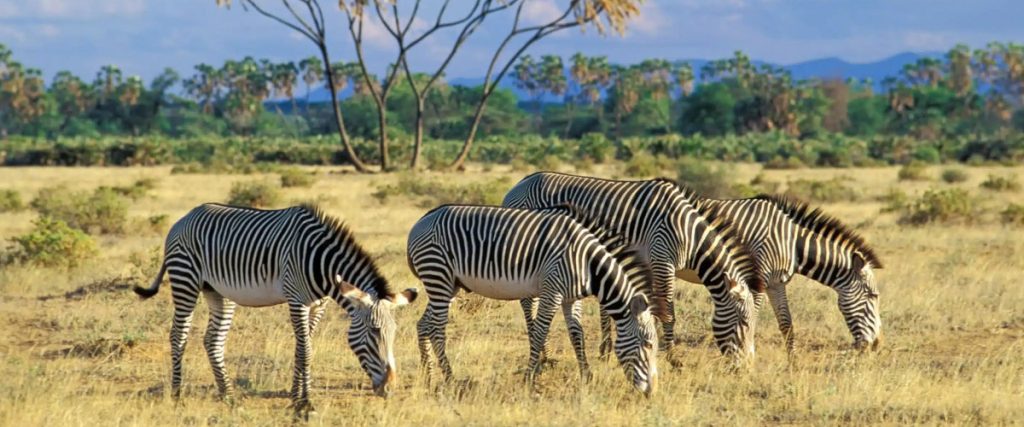
- Grevy’s zebra: tall, narrow-striped and endangered. Read more in our guide to zebra species in Kenya.
- Reticulated giraffe: crisp, liver-red patches outlined in white.
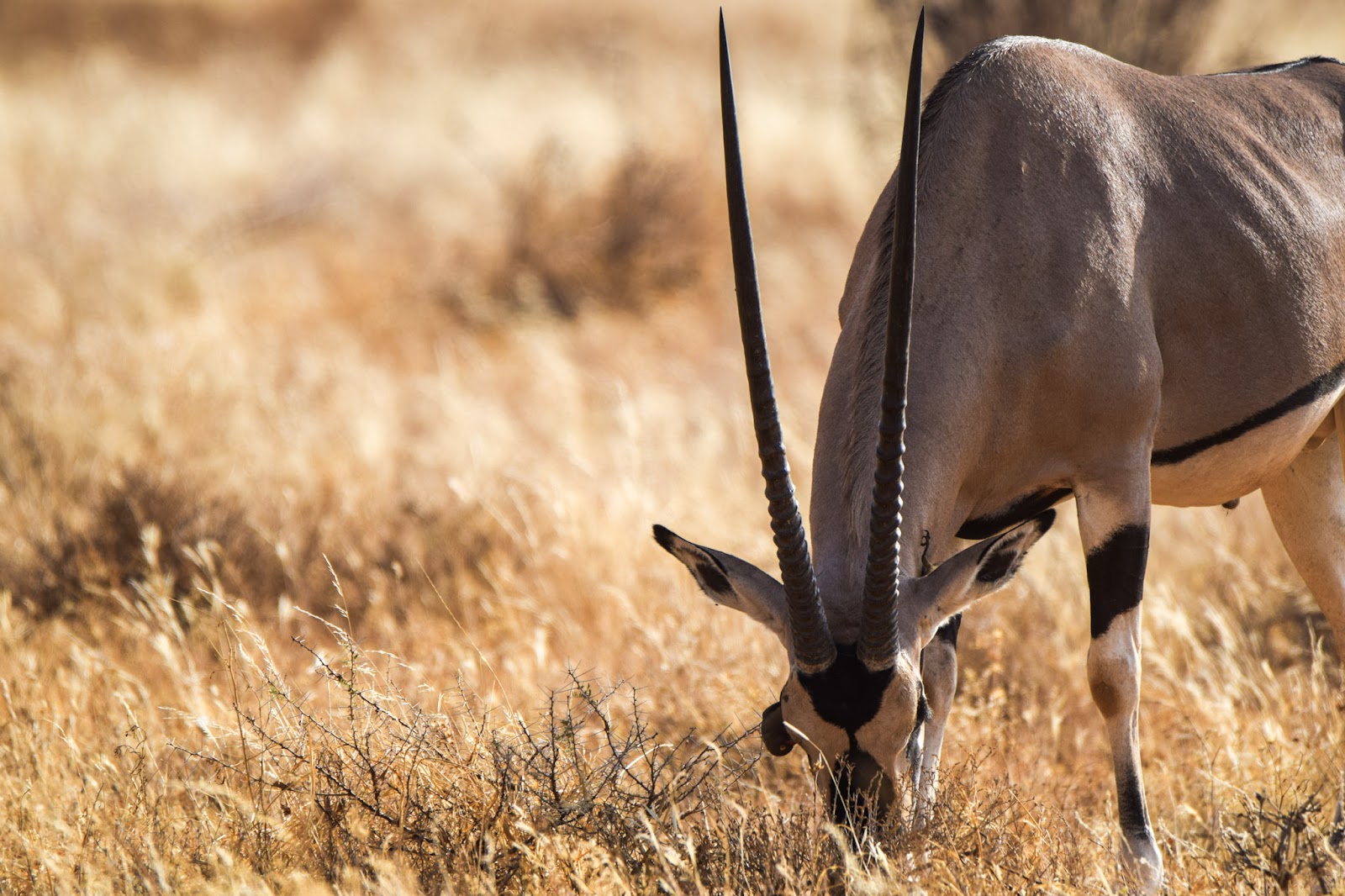
- Beisa oryx: a desert antelope with long, straight horns.
- Gerenuk: the long-necked antelope that stands on its hind legs to browse. See our gerenuk facts.
- Somali ostrich: the males have blue-grey necks and legs.
These animals are adapted to heat and scarce water. Seeing all five on a single drive is common, which is rare for any wildlife checklist. Add the elephants and big cats, and you can see why so many guests rank Samburu as their highlight. Does Samburu have the Big Five? Four, plus five you cannot see further south.
Samburu Culture and Community Conservancies
The reserve is surrounded by community conservancies where Samburu herders and wildlife share the land. Many camps offer guided walks and cultural visits there. In conservancies, some camps can also arrange night drives, which are not permitted inside the reserve. Our guide to Samburu culture and village visits explains how to do this respectfully.
Best Time to Visit Samburu for the Big Five
The dry months, roughly late December to March and June to October, give you the best Big Five viewing because animals gather at the river.
Dry Seasons
When the land dries out, the Ewaso Ng’iro becomes the main water source. Elephants, buffalo and the predators that follow prey all concentrate along it. Vegetation thins, so leopards and lions are easier to spot. Days are hot, often well above 30°C at midday, so game drives start early and finish late. Does Samburu have the Big Five all year? The four are resident, but dry months are easiest.
Rainy Seasons
The long rains usually fall in April and May and the short rains in November and early December. The land turns green, birdlife is excellent and there are fewer visitors. Animals spread out, so sightings take more effort, and some tracks can become muddy. Rain patterns vary year to year. Our month-by-month guide on the best time to visit Samburu has the detail.
Getting There and How Many Days You Need
Samburu is about 350 km north of Nairobi, reached by a full-day drive or a short scheduled flight from Wilson Airport.
By Road
The tarmac road runs north through Nanyuki and Isiolo to the reserve gates near Archer’s Post. Allow most of a day with stops. The drive passes Ol Pejeta and Lewa, which is why a rhino stop on the way costs so little extra time. Travelling with us, you have your own Land Cruiser and guide for the whole trip.
By Air
Scheduled light aircraft fly from Nairobi’s Wilson Airport to airstrips serving Samburu and Lewa, sometimes with a stop on the way. Flying saves a long day on the road and suits shorter trips. Soft bags with a strict weight limit are required on these flights, so pack accordingly.
How Many Days to Allow
Give Samburu at least two full nights, ideally three, for a fair chance at leopard and lion. Add one or two nights at Lewa or Ol Pejeta for rhinos, or two nights at Sera for tracking on foot. Five to six days covers Samburu and a rhino sanctuary comfortably, and settles does Samburu have the Big Five for good. Reserve and conservancy fees apply to each area, so check our Kenya park entrance fees for 2026 guide and remember that Samburu’s fees are set by the county.
Expert tip from our Nairobi team
Put the rhino sanctuary on the way north or the way south, not as a separate trip. Ol Pejeta or Lewa fits neatly between Nairobi and Samburu, so you break a long drive and add the fifth animal at the same time. If you choose Sera for tracking on foot, book it early, keep a spare morning in case the rhinos take time to find, and bring sturdy closed shoes. That way, does Samburu have the Big Five stops being a question.
Does Samburu Have the Big Five? How to Complete the Set
The simplest way to complete the Big Five is to pair Samburu with a Laikipia or Lewa rhino stop, then add the Masai Mara if time allows.
Sample 6-Day Northern Route
- Days 1 to 2 (the rhino answer to does Samburu have the Big Five): Nairobi to Ol Pejeta or Lewa. Rhinos, elephants and buffalo.
- Days 3 to 5: Samburu. Elephants, leopards, lions and the Special Five.
- Day 6: Drive or fly back to Nairobi.
For a longer trip, continue to Lake Nakuru and the Masai Mara. Our 9-day Kenya Highlights Safari links Samburu, Ol Pejeta, Lake Nakuru and the Mara. For a shorter northern trip, see the 5-day Samburu and Laikipia safari or the 10-day luxury safari via Samburu, Solio, Nakuru and the Mara.
Does Samburu Have the Big Five on a Short Trip?
On a two or three-night Samburu stay you can expect elephants, a good chance of the big cats and buffalo, and the Special Five. To be clear, does Samburu have the Big Five on a short trip? Only if you add a rhino stop on the way. Our 3-day Samburu wildlife and cultural experience is a good base to build on.
Who Samburu Suits, and Who Should Add More
Samburu suits travellers who value rare species, space and atmosphere over a quick checklist. If you are still asking does Samburu have the Big Five, these lists will help.
Samburu Is Ideal If You Want
- Relaxed elephant herds and good leopard chances.
- Northern species found nowhere in southern Kenya.
- Fewer vehicles at sightings than in the busiest parts of the Mara.
- Cultural contact with Samburu communities.
- A second or repeat Kenya safari with a different landscape.
Add a Rhino Sanctuary If You Want
Does Samburu have the Big Five for first-timers? Not on its own, so add Lewa, Ol Pejeta or Sera if a complete set matters to you, if you are travelling with children who have a list to tick off, or if this is your first safari. Families and older travellers usually find Ol Pejeta or Lewa easiest. Active travellers who want something unforgettable should consider tracking at Sera. Our private Samburu safari page shows how we build these trips.
Before You Travel
Check the latest UK government travel advice for Kenya, or your own government’s advice, before you book and again before you fly. Advice for northern counties can change. We monitor road conditions and local news, and we will tell you if anything affects your route.
Does Samburu Have the Big Five FAQs
Does Samburu have the Big Five?
Samburu National Reserve has four of the Big Five: elephant, lion, leopard and buffalo. Rhinos were poached out of the area by the late 1980s and do not live in the reserve today. You can complete the Big Five at nearby Sera Rhino Sanctuary, Lewa or Ol Pejeta on the same safari.
Are there rhinos in Samburu National Reserve?
No. There is no resident rhino population in Samburu National Reserve or in neighbouring Buffalo Springs and Shaba. Black rhinos returned to Samburu County in 2015 at Sera Rhino Sanctuary, a community-run sanctuary further north, and southern white rhinos joined them in 2024. Lewa and Ol Pejeta are other nearby options.
Can you track rhinos on foot near Samburu?
Yes. At Sera Rhino Sanctuary in Samburu County you can track black rhinos on foot with trained community rangers. It is one of the most intimate rhino experiences in Kenya. Age and fitness rules apply and numbers are limited, so it is best booked well ahead through an operator who knows the sanctuary.
What is the Samburu Special Five?
The Samburu Special Five are Grevy’s zebra, reticulated giraffe, Beisa oryx, gerenuk and Somali ostrich. They are adapted to the hot, dry north and are not found in the Masai Mara or Amboseli. Many visitors see all five in a single day, alongside Samburu’s elephants, leopards and lions.
How many days do you need in Samburu?
Plan at least two full nights in Samburu, ideally three, to give yourself a fair chance of leopard and lion as well as the Special Five. Add one or two nights at Lewa or Ol Pejeta for rhinos. Five to six days covers Samburu and a rhino sanctuary without rushing.
What is the best time to visit Samburu?
The dry seasons, roughly late December to March and June to October, are best because wildlife gathers along the Ewaso Ng’iro river and vegetation is thinner. The rainy months of April, May and November are greener and quieter, with good birding, but animals are more spread out and some tracks can be muddy.
Is Samburu better than the Masai Mara?
They are different rather than better. The Mara offers open plains, dense big cat numbers and, from about July to October, the Great Migration. Samburu offers rare northern species, superb elephants, fewer vehicles and a dramatic dry landscape. Many travellers combine both on one private safari for the widest variety.
Does Samburu have the Big Five all year round?
Elephant, lion, leopard and buffalo live in Samburu all year, so four of the five are possible in any month. The dry seasons, roughly late December to March and June to October, make them easiest to find. Rhinos are absent all year, so add Sera, Lewa or Ol Pejeta for the fifth.
Does Samburu Have the Big Five? Let Us Plan the Complete Answer
Kenya-based experts. Real local knowledge. Transparent pricing.
Sense of Adventure is a TRA-licensed Nairobi safari company. Message us and we will plan your Samburu and rhino safari. Email: reservations@senseofadventure.co.ke