A Kenya safari from USA airports is easier to plan than most Americans expect. Every year, thousands of American travellers make the journey to Kenya for safari — and those who go almost universally describe it as the most extraordinary travel experience of their lives. The Masai Mara, Amboseli, Samburu — these are destinations that live up to every expectation, and in our experience as a Kenyan operator, American guests often find the reality exceeds even their most optimistic imagination.
This guide covers everything a US traveller needs to know to plan a Kenya safari from the USA in 2026: flights, entry requirements, currency, health requirements, recommended itineraries, and why Kenya consistently delivers at the top of the safari-destination rankings for North American visitors.
Quick answer: to plan a Kenya safari from USA cities, apply for an approved Kenya Electronic Travel Authorisation (eTA) online, see a travel clinic about malaria tablets and routine vaccines, fly to Nairobi with one connection (or non-stop where available), and allow at least seven to eight days on the ground for the Masai Mara and Amboseli. July to October is peak migration season; January to February is quieter and better value.
Planning a Kenya Safari from USA: Step by Step
Most of the planning for a Kenya safari from USA homes can be done online over a few weeks. This is the order we recommend to our American guests:
- Choose your dates around school breaks, public holidays and the wildlife you want to see.
- Choose your style: a road safari, a fly-in safari, a family trip, a honeymoon or a combined Kenya and Tanzania holiday.
- Book your safari and camps first, especially for July to October and the Christmas holidays, when the best camps fill early.
- Book international flights once your safari dates are confirmed.
- Visit a travel clinic six to eight weeks before departure.
- Apply for your Kenya eTA a few weeks before you fly.
- Buy travel insurance with medical evacuation cover.
Flights from the USA to Kenya
A nonstop service between New York JFK and Nairobi has operated in recent years, but schedules change, so check whether it runs on your dates. Most US travellers connect once, and several one-stop routings keep total travel time reasonable:
- Via a European hub (such as Amsterdam, London, Paris or Frankfurt): one of the most popular options for East Coast and Midwest travellers, with daily Europe to Nairobi departures. Total journey usually about 15 to 18 hours.
- Via a Gulf hub (such as Dubai or Doha): particularly convenient from the West Coast and Texas, with several daily Gulf to Nairobi departures. Total journey usually about 17 to 20 hours depending on your home airport.
- Via Addis Ababa: a long-standing one-stop routing from several US gateways, often competitively priced for travellers in the Southeast and on the East Coast.
- Via New York: fly domestically to JFK and connect to the nonstop service on days when it operates.
Return flight costs from USA to Nairobi: Typically USD $1,200–$2,200 per person in economy, depending on origin city, airline, and booking timing. Business class ranges from $4,000–$8,000+ return. Booking 3–4 months ahead of your travel dates typically secures better fares. Peak travel windows (July-August, Christmas-New Year, spring break) see higher demand and prices.
Choosing the Best Route for a Kenya Safari from USA Cities
Your home airport usually decides the most comfortable routing. As a rough guide:
- East Coast (New York, Boston, Washington): a non-stop service if one is operating, or one connection via Amsterdam, London, Doha or Dubai.
- Southeast (Atlanta, Miami): connections via Europe or Addis Ababa are often the best value.
- Midwest and Texas (Chicago, Dallas, Houston): one connection through a European or Gulf hub.
- West Coast (Los Angeles, San Francisco, Seattle): Gulf hubs such as Dubai and Doha, or a European hub, usually work best.
Try to land in Nairobi in the morning or early evening, rest overnight, and start your game drives the next day. Our Nairobi airport (JKIA) guide explains what to expect on arrival.
Do Americans Need a Visa for Kenya?
US passport holders need an approved Electronic Travel Authorisation (eTA) to enter Kenya. Kenya replaced its old visa system with the eTA in January 2024, so the former e-visa portal is no longer used for tourist trips. Apply only through the official Kenya eTA website, where the current fee, processing times and requirements are shown. Apply at least 2–3 weeks before travel to allow buffer time.
Since 5 October 2026, the eTA application also includes Kenya’s mandatory travel health insurance, the Kenyan Government inbound travel health policy, at about USD 44 plus small fees per traveller (children included), valid for 90 days. A US policy cannot be uploaded or used instead, so keep your own insurance for evacuation, cancellation and wider cover.
Required for the application: valid US passport (6+ months validity), passport photo, return flight booking, hotel/safari camp confirmation, and a payment card. The process is fully online, with no embassy visit required. Before you book, we talk you through your route and current travel conditions.
If your itinerary includes Uganda or Rwanda alongside Kenya, the East Africa Tourist Visa covers those three countries and can be useful for gorilla trekking. Tanzania is not included, so a combined Kenya and Tanzania safari needs separate entry permission for Tanzania. Read more in our guide to Kenya visa requirements and the eTA.
Health Requirements and Recommendations
Yellow Fever: A Yellow Fever vaccination certificate is required if you are arriving from a country with risk of Yellow Fever transmission. For most US travellers arriving directly (US → Europe/Gulf → Nairobi), this is typically not required, but confirm with your travel doctor as requirements can depend on layover countries. If your routing includes a stopover in a Yellow Fever endemic country, you will need the certificate.
Malaria: The Masai Mara is a malaria-risk area. Prophylaxis is strongly recommended. Atovaquone-proguanil (Malarone) is the most commonly prescribed option for short-term visitors given its minimal side effects. Begin taking it 1–2 days before entering the malaria zone and continue for 7 days after leaving. Consult your doctor or a travel medicine clinic at least 6–8 weeks before your trip; the CDC’s Kenya travel health page lists current recommendations.
Routine vaccinations: Hepatitis A and typhoid are recommended for most Kenya visitors. Ensure all standard US vaccinations (MMR, tetanus-diphtheria) are current.
Travel insurance: For any Kenya safari from USA airports, keep your own comprehensive travel insurance with medical evacuation and cancellation cover as well as Kenya’s mandatory policy, which does not replace it. Every safari we run also includes complimentary AMREF Flying Doctors emergency evacuation cover. Our Kenya travel insurance guide explains what to check.
Currency and Money
Handling money is easy on a Kenya safari from USA cities. The Kenyan Shilling (KES) is the local currency, but USD is widely accepted at safari camps, lodges, and Nairobi hotels. Carry a supply of USD cash in good condition (no torn, excessively marked, or pre-2009 bills — some establishments in Kenya are particular about this) for tips, optional purchases, and any transactions in safari areas where card payment is unavailable.
Tipping is customary and genuinely appreciated: budget approximately $15–$25 per person per day covering your guide and camp staff combined. See our Kenya safari cost guide for a full breakdown of all costs.
Time Zone and Jet Lag
Jet lag is the one part of a Kenya safari from USA cities that catches people out. Kenya operates on East Africa Time (EAT), which is UTC+3. This means Kenya is 8 hours ahead of Eastern Standard Time and 11 hours ahead of Pacific Standard Time (adjust for daylight saving). The time difference is manageable, particularly for the east-to-west direction (flying home from Kenya tends to be easier for jet lag adjustment). Many travellers find the early morning game drive schedule — departing at 06:00–06:30 — helps reset their body clock quickly, as it aligns naturally with waking early after westbound sleep disruption.
How Much Does a Kenya Safari from USA Cost?
The total cost of a Kenya safari from USA cities has two parts: your international flights and the safari itself. Flights are covered above. On the ground, the main costs are accommodation, park fees, your vehicle and guide, and any light aircraft flights between parks.
For guidance, these are the starting prices on our own published packages, per adult sharing. Each is a “from” price; the final cost depends on season, camps and group size:
- Masai Mara & Lake Nakuru Camping Safari (4 Days) — from USD 590.
- Kenya Group Safari – Masai Mara, Lake Nakuru & Naivasha (6 Days) — from USD 1,390.
- Kenya Classic Safari – Amboseli, Lake Naivasha & Masai Mara (7 Days) — from USD 1,650.
- Fly-in Masai Mara Luxury Safari (4 Days) — from USD 3,200 per person.
- Kenya & Tanzania Classic Safari (10 Days) — from USD 3,500.
Season matters most: July to October and the Christmas holidays are the busiest and most expensive times, while the green season months usually offer better value. For a full breakdown, read our budget safari Kenya guide, or compare private and luxury routes in our Kenya safari packages from the USA.
Recommended Itineraries for US Travellers
8 Days / 7 Nights — Classic Kenya (most popular for US visitors):
Day 1: Arrive Nairobi. Overnight at a Nairobi hotel.
Day 2: Morning: Giraffe Centre and David Sheldrick Elephant Orphanage. Afternoon: Fly to Masai Mara.
Days 3–5: Masai Mara (3 full days of game drives + optional balloon safari on Day 4).
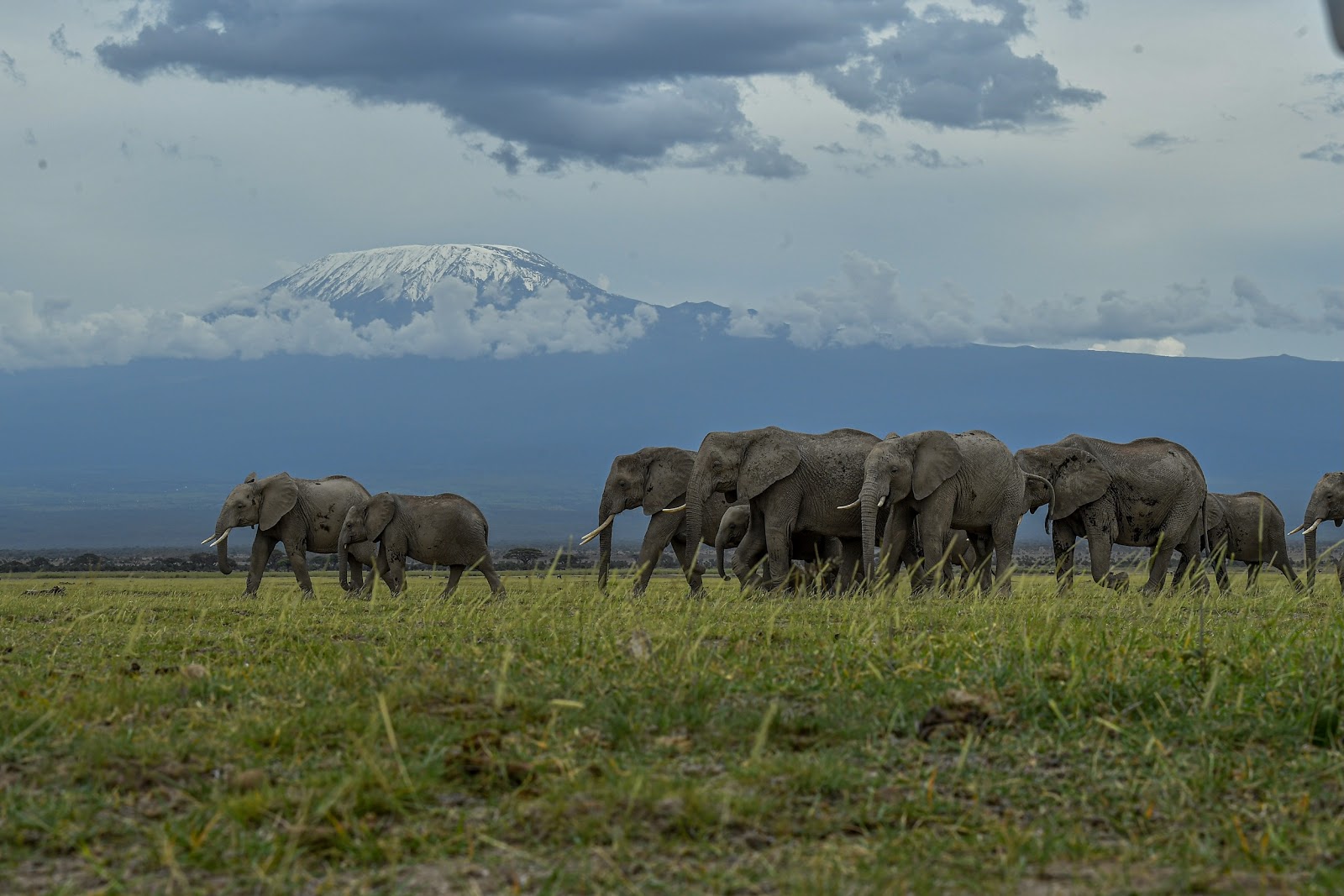
Day 6: Fly to Amboseli. Afternoon game drive with Kilimanjaro.
Day 7: Full day in Amboseli.
Day 8: Morning drive, fly to Nairobi for international departure.
11 Days / 10 Nights — Kenya and Tanzania:
Days 1–2: Nairobi.
Days 3–6: Masai Mara (4 nights — ideal for migration season July-October).
Days 7–9: Northern Serengeti and Ngorongoro, Tanzania.
Days 10–11: Zanzibar (beach recovery).
Adding a Beach or Gorillas to a Kenya Safari from USA
Because the flights are long, many Americans make the most of a Kenya safari from USA cities by adding a second experience. Diani Beach on Kenya’s south coast is a short flight from Nairobi and makes a relaxing finale. Mountain gorilla trekking in Rwanda or Uganda fits neatly before or after the Masai Mara; our Kenya & Rwanda Safari (8 Days) combines both. For the logistics of a beach add-on, see our guide to combining a safari with a beach holiday.
Best Time for a Kenya Safari from USA
Kenya is a year-round destination, but your timing changes the experience and the price. These are the windows that suit American holiday calendars best:
- Summer vacation (late June to August): dry season and the start of the Great Migration in the Masai Mara. River crossings are most likely from August. It is peak season, so book camps six to twelve months ahead.
- Fall (September to October): still excellent for the migration, with slightly fewer families travelling once US schools return.
- Thanksgiving (November): the short rains bring green landscapes, fewer visitors and lower rates. Showers usually fall in the afternoon.
- Christmas and New Year: very popular and festive; the best camps fill early.
- January to February: mostly dry, quieter and good value, with excellent predator viewing.
- Spring break (March to April): the long rains usually start around late March, so prices fall but some roads become muddy.
For month-by-month detail, read our guide to the best time to visit Masai Mara.
What a Day on a Kenya Safari from USA Looks Like
Many first-time visitors ask what a typical day involves once the long flights are behind them. On most days of a Kenya safari from USA, travellers wake before sunrise, with tea or coffee brought to the tent or room, then head out on a morning game drive while the air is cool and predators are most active. Some camps serve a picnic breakfast in the bush; others return to camp mid-morning.
The middle of the day is for lunch, a rest, a swim or a nap, because the animals also shelter from the heat. In the late afternoon you set out again, often ending with a sundowner drink as the light turns golden. Dinner is usually served at the lodge or around a campfire, and most guests are in bed early, ready to do it all again.
In the Masai Mara, a full-day drive with a packed lunch is a good option during the migration season, when the herds can be far from camp. For a closer look at game drive routines, read our Masai Mara game drive guide.
Why American Travellers Love Kenya
Beyond the extraordinary wildlife, several factors make a Kenya safari from USA homes particularly popular. The country is English-speaking, making communication effortless. The safari infrastructure is well developed, with scheduled light-aircraft flights between parks, excellent camps and professional English-speaking guides. Before you book, we talk you through your route and current travel conditions.
The Kenyan people are warm, welcoming, and proud of their country’s extraordinary natural heritage. And the experience of sitting on the open savannah at dawn, watching a cheetah prepare to hunt across golden grass, with no sound but the wind — that experience is simply not replicable anywhere else on earth.
Practical Tips for American Travellers
- Plugs: Kenya uses UK-style three-pin (Type G) sockets at 240 volts, so bring an adaptor and check that your chargers are dual-voltage.
- Luggage: if any leg is by light aircraft, pack in a soft bag of about 15 kg. Our safari luggage weight limits guide has the details.
- Clothing: neutral colours, layers for chilly early drives, a hat and sunscreen. See our African safari packing list.
- Phones: local SIM cards are easy to buy at Nairobi airport with your passport, and coverage is good in most safari areas.
- Measurements: Kenya uses metric units and drives on the left.
- Plastic bags: single-use plastic carrier bags are banned in Kenya, so avoid packing them.
For destination ideas beyond the parks, the official Magical Kenya tourism website is a helpful resource.
Kenya Safari from USA: Frequently Asked Questions
How long is the flight from the USA to Kenya?
Expect around 15 to 20 hours of total travel time with one connection, depending on your home airport and layover. East Coast travellers connecting through Amsterdam or London are at the shorter end. Where a non-stop New York to Nairobi service is operating, the flight takes roughly 14 to 15 hours.
Do US citizens need a visa for a Kenya safari?
US citizens need an approved Kenya Electronic Travel Authorisation (eTA) rather than a traditional visa. Apply online through the official etakenya.go.ke website a few weeks before travel and check the current fee there (from about USD 30). Since October 2026 the application also includes Kenya’s mandatory travel health insurance, about USD 44 plus small fees. Carry a copy of your approval with your passport when you fly.
How many days do I need for a Kenya safari from USA?
Because the flights are long, we suggest at least seven to eight days on the ground, plus travel days. That allows a Nairobi rest night, three nights in the Masai Mara and two in Amboseli. Ten to twelve days lets you add Tanzania, a beach stay or gorilla trekking without rushing.
What do I need to arrange before flying to Kenya from the USA?
Each traveller needs a valid US passport, an approved Kenya eTA and Kenya’s mandatory travel health insurance, bought in the same online application at etakenya.go.ke. Keep your own travel insurance too. Before you book, we talk you through your route and current travel conditions.
What is the best month for a Kenya safari from USA?
For the Great Migration, August and September are usually best, with river crossings in the Masai Mara. For fewer crowds and better value, January and February are excellent. If your holidays fall at Thanksgiving, November brings green landscapes and lower rates, with mostly afternoon showers.
Can I use US dollars on safari in Kenya?
Yes. US dollars are widely accepted at safari camps, lodges and many Nairobi hotels, and are commonly used for tips. Bring clean, undamaged bills printed in 2009 or later. Cards work in Nairobi and most lodges, but carry some cash for remote areas and small purchases.
Or call us: +254 799 160 081 — we are happy to help plan your safari.