The heat lifts a little as the sun drops behind the Nguruman Escarpment. You are sitting on the bank of the Ewaso Ng’iro, feet in cool brown water, while a herd of zebra picks its way down to drink on the far side. Somewhere in the reeds a fish eagle calls. Your Maasai guide points to fresh lion tracks in the sand, pressed in since the morning, and says softly that the pride crossed here at first light.
Shompole Conservancy is a Maasai community conservation area in Kenya’s South Rift, near Lake Magadi and the Tanzanian border at Lake Natron. Together with neighbouring Olkiramatian it protects about 450 km² of river, swamp and volcanic plain, with lions, walks, night drives and river tubing, about four hours from Nairobi.
Sense of Adventure is a Nairobi-based safari company at Mountain Mall on Thika Road, licensed by Kenya’s Tourism Regulatory Authority (TRA1/47/C01/77087). We send travellers down the Magadi road all year, and the Shompole Conservancy is our favourite answer when someone asks for raw Rift Valley wilderness close to the city. This guide covers the landscape, the Maasai landowners, wildlife and honest odds, things to do, fees, access, seasons, rules, where to stay and a sample itinerary. For the soda lake on the way, read our Lake Magadi day trip guide.
Table of Contents
✅ Shompole Conservancy: The Quick Answer
- Where: the South Rift in Kajiado County, about 25 to 35 km beyond Magadi town, on the Ewaso Ng’iro river just north of Lake Natron.
- Best for: lions, walking safaris, night drives, river tubing, birding and Maasai community conservation, with almost no other vehicles.
- Best time: June to October and late December to March; the long rains of April and May make tracks hard.
- Entry fee: no public fee table is published; the conservancy fee is normally included in your camp rate, and we confirm it in your quote.
- How long to stay: two or three nights, or a night on the way to the Masai Mara or Amboseli.
- Getting there: about four hours by road from Nairobi via Kiserian and Magadi, or a short charter flight from Wilson Airport.
🦁 Wild Rift Valley Lions, Four Hours From Nairobi?
Tell us your dates and how you like to travel, and we will plan your Shompole stay, road transfer or charter flight.
🌋 Plan My South Rift EscapePrefer to talk first? 💬 WhatsApp Us Now or call +254 799 160 081
What Is the Shompole Conservancy?
The Shompole Conservancy is land that Maasai families on the Shompole Group Ranch set aside for wildlife, while keeping the rest of their ranch for homes and cattle.
According to an IUCN case study, the Shompole Group Ranch, home of the Shompole Conservancy, covers 629 km² and is home to more than 16,000 people. In 2000 the community set aside a 300 km² conservation area. In 2002 its neighbour, Olkiramatian Group Ranch, now known to visitors as the Olkiramatian Conservancy, which covers 216 km², set aside a further 150 km². Together they form a core of about 450 km² for wildlife, one of the oldest community conservation areas in southern Kenya.
Sizes quoted elsewhere vary, because people measure the lodge area, the core area or the whole ranch. What matters on the ground is simple: there are no fences, cattle and wildlife share the wider landscape, and the core is kept for animals.
Shompole and Olkiramatian: two conservancies, one ecosystem
Shompole lies to the south, running down to the swamps above Lake Natron. Olkiramatian lies to the north, around the Lale’enok Resource Centre and the foot of the Nguruman Escarpment. The river links both, and wildlife moves freely between them. Camps sit on either side, so most visitors to the Shompole Conservancy explore both during a stay.
How the land is zoned
Researchers describe four zones: a conservation core, a seasonal buffer, seasonal grazing land and permanent settlement. Group ranch committees decide when herders may graze each area. Livestock enter the core only in drought, and building there is discouraged. This careful planning keeps grass for wildlife and gives families a reserve in hard years.
The Shompole Conservancy landscape: river, swamp and volcano
The Shompole Conservancy sits on the floor of the Great Rift Valley, between the Nguruman Escarpment and the volcanic hills around Lake Magadi.
The Ewaso Ng’iro is the only permanent river here. It flows south through the conservancy into the Shompole swamp and then into Lake Natron in Tanzania. Along its banks grow fig and acacia woodland, while the plains beyond are dry, open and dotted with lava. The extinct volcano of Mount Shompole rises over the land. The Nguruman Escarpment stands above the valley as a long blue-green wall.
Why the Ewaso Ng’iro River matters
In a land that gets only 400 to 600 mm of rain a year, the river is life. Elephants, buffalo and plains game come to drink, hippos live in the deeper pools, and birds crowd the swamp. For you, on a Shompole Conservancy safari, it means shade, cool water to sit in after a walk, and some of the best evening light in Kenya.
On the drive in you pass Lake Magadi, the saltiest of the Rift Valley lakes, where pink flamingos feed on the soda flats and hot springs bubble at the southern end.
The People of the South Rift: Maasai Landowners and SORALO
The Shompole Conservancy belongs to the Maasai families of the group ranch, who chose to protect wildlife alongside their cattle.
Many conservancy partners work with the South Rift Association of Land Owners (SORALO), founded in 2004, which supports community land across about 1.5 million hectares. Shompole and Olkiramatian were among its first partner communities. A community scout programme began in 2008 with six scouts on each ranch. Today SORALO reports 117 community scouts across the wider South Rift.
The Lale’enok Resource Centre
Lale’enok, in Olkiramatian, began as a researchers’ campsite. It is now SORALO’s field base and is owned by the Olkiramatian Reto Women’s Group. Here Maasai resource assessors collect data on grass, water and wildlife, which helps the committees plan grazing. Researchers, students and some visitors stay here, and its income supports the women’s group.
How your visit helps
When you stay in a camp, part of what you pay goes to the community through lease fees and per-guest conservancy fees. Reports on the 2022 Great Plains Conservation agreement describe an annual lease fee that rises each year, plus a fee for each guest. This Shompole Conservancy income pays for scouts and makes it worthwhile for families to keep land open for wildlife.
Expert tip from our Nairobi team: ask your guide how the grazing plan works this season. Guides here are often from local families, and hearing how decisions are made under the acacia trees will change the way you see every cow and every lion on the plains.
Wildlife in the Shompole Conservancy: What You Will See
The Shompole Conservancy is best known for lions, river wildlife and real wilderness, rather than huge herds or long lists of ticks.
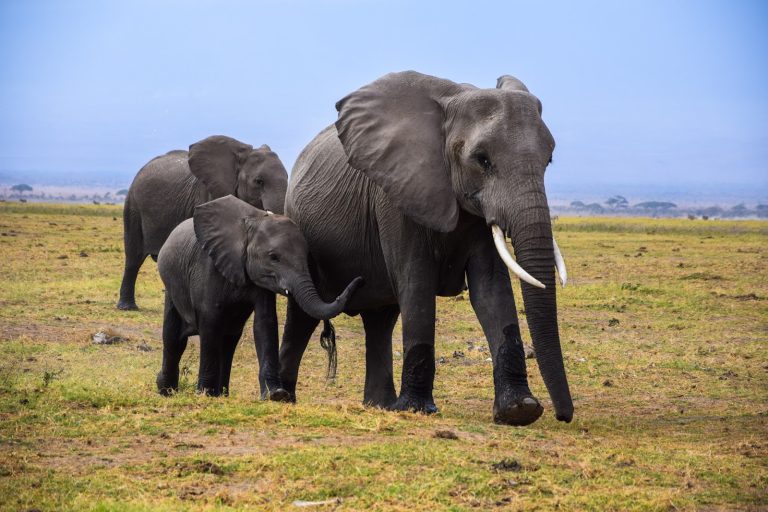
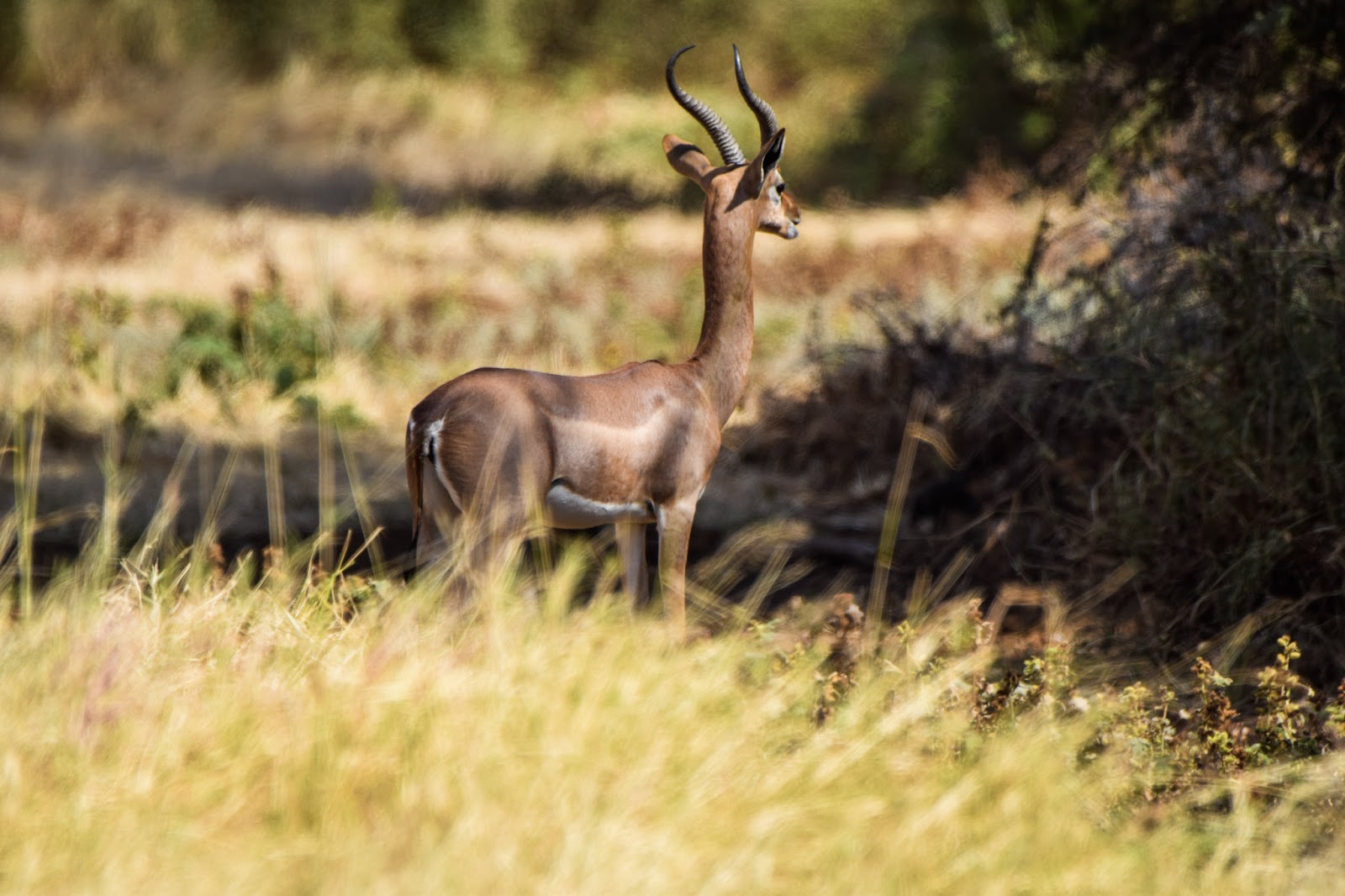
Researchers have recorded 21 carnivore species in the area, including lion, spotted hyena, leopard, cheetah and African wild dog. The IUCN lists elephant, striped hyena, hippo, zebra, wildebeest, impala, Grant’s gazelle, eland and Beisa oryx, and gerenuk are also reported. In the Shompole Conservancy, wildlife numbers rise and fall with the rains, as animals move between the river, the escarpment and Tanzania.
A lion success story
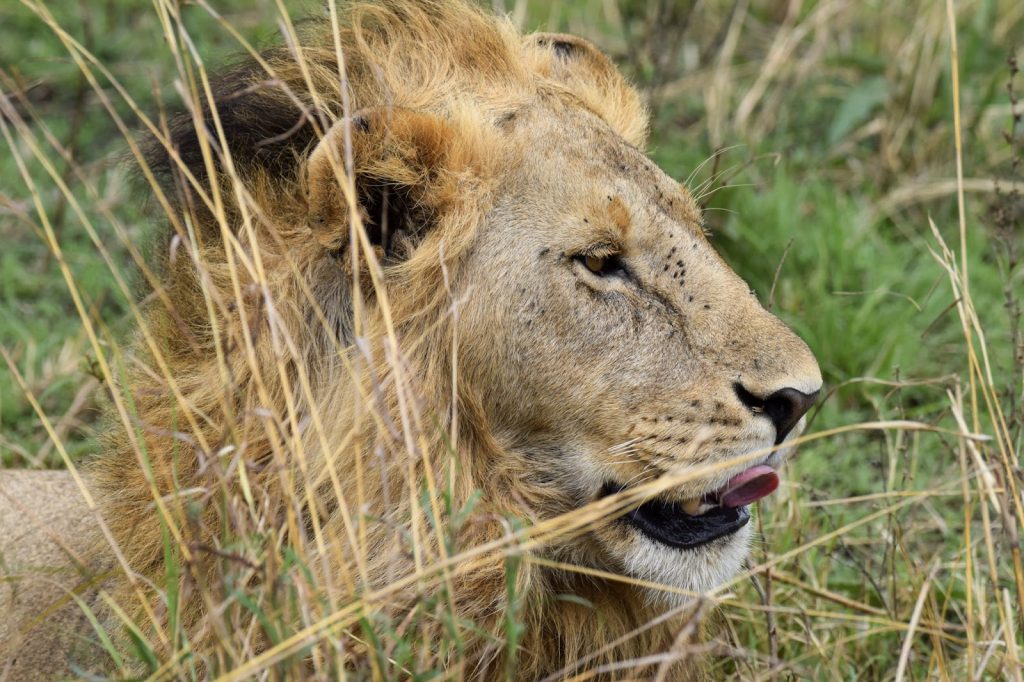
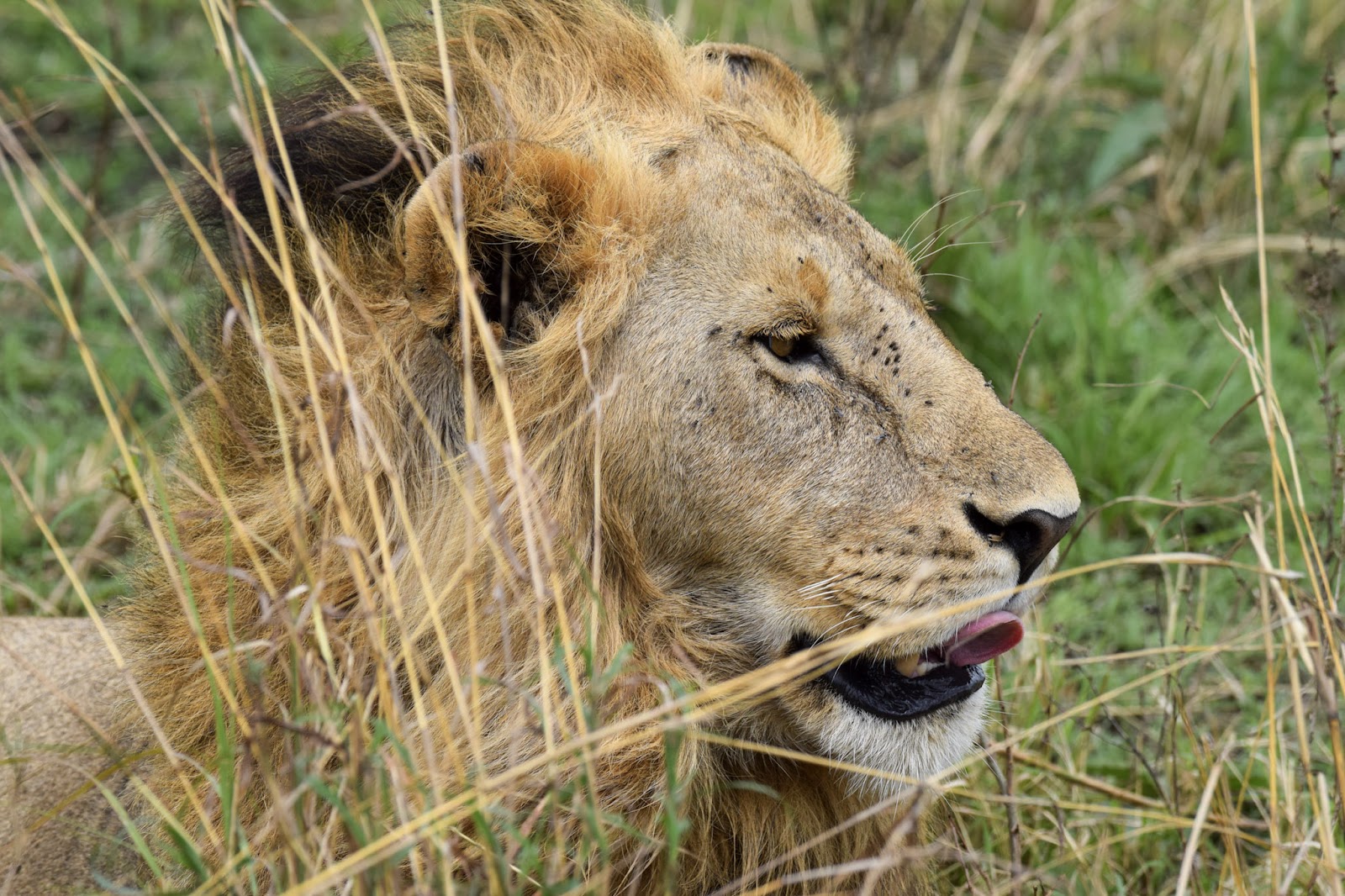
A study from 2008 to 2011 collared six lions and identified 34. It measured about 0.136 lions per km² over 250 km², a density the researchers compared with the Serengeti. No lions were killed by local people during the study, and hyenas, not lions, caused most livestock losses. SORALO’s Rebuilding the Pride project now warns herders when lions are near and helps them claim compensation.
Honest sighting odds in the Shompole Conservancy
| Species | Chance on a 3-night stay | Notes |
|---|---|---|
| Zebra, wildebeest and impala | Very high | Plains and river edges |
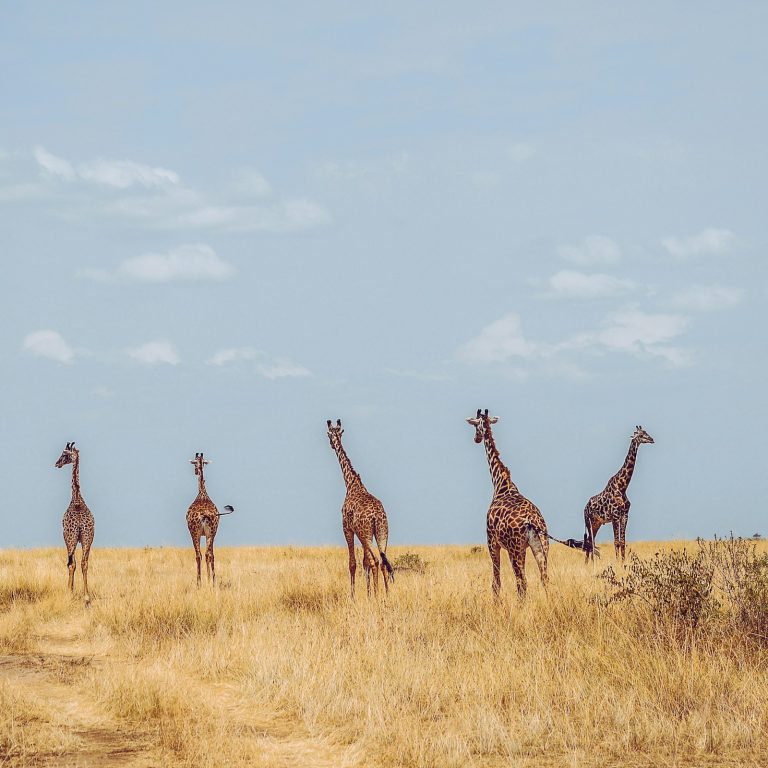
| Giraffe | High | Acacia woodland near the river |
| Hippo | High | Deeper pools of the Ewaso Ng’iro |
| Lion | Good | Present all year; signs are common, sightings not guaranteed |
| Spotted hyena | Good | Most often at night or on night drives |
| Elephant | Fair | Seasonal; more likely in the dry months |
| Leopard | Low to fair | Shy; best chance from hides or at night |
| Cheetah and wild dog | Low | Wide-ranging; a real bonus |
| Flamingos | High at Lake Magadi | Numbers change with water levels |
These are our honest estimates, not promises. If seeing every member of the Big Five is your priority, pair this conservancy with the Masai Mara or Amboseli.
Birds of the South Rift
Birding is excellent, especially around the swamp and river. Lodges report more than 400 species for the wider region. Look for fish eagles, kingfishers, herons and, at Magadi and Natron, greater and lesser flamingos. Our guide to flamingos in Kenya explains where the pink flocks gather.

Things to Do in the Shompole Conservancy
The Shompole Conservancy is community land, not a national park, so you can walk, drive at night, float down the river and sleep out under the stars.
Walking safaris with Maasai guides
Walks are the heart of a Shompole Conservancy visit. You set off at dawn, before the heat, reading tracks in the sand and learning which plants the Maasai use for medicine. Some camps also offer walks to watch a habituated baboon troop, a rare chance to see their family life up close.
Night drives and hides
Night drives are not allowed in most national parks, so they are a real reason to choose the Shompole Conservancy. With a spotlight you may find hyenas, genets, bushbabies and, with luck, a leopard or lion. Camps have built hides at waterholes and on the plains, including an underground hide at Lentorre Lodge, where elephants and lions can come within metres.
River tubing and cooling off
In the afternoon heat, camps take guests tubing or floating down a safe stretch of the Ewaso Ng’iro. Your guide chooses the stretch and checks it first. It is fun, cooling and very much a South Rift speciality.
Day trips nearby
- Lake Magadi: flamingos, soda flats and hot springs; see our Lake Magadi guide.
- Olorgesailie: a National Museums of Kenya site famous for Stone Age hand axes, about 90 km from Nairobi on the Magadi road.
- Nguruman Escarpment: the forested wall above the valley; ask your camp which walks and viewpoints are open during your stay.
- Lake Natron: the soda lake just across the Tanzanian border, where the Ewaso Ng’iro ends its journey.
🚣 Walks, River Tubing or a Night in the Hide?
Tell us which experiences excite you and we will match you with the camp that does them best, with honest advice for families and first-timers.
🐾 Match Me to My ActivitiesGetting to the Shompole Conservancy
You reach the Shompole Conservancy by road from Nairobi through Kiserian and Magadi, or by charter flight from Wilson Airport to a camp airstrip.
By road from Nairobi
From Nairobi, take the Magadi road south through Kiserian, dropping down into the Rift past Olorgesailie. It takes about two and a half hours to reach Lake Magadi from Karen, then more time on rough tracks to the camps. Allow about four hours in all. A 4×4 is essential beyond Magadi. Read our Kenya safari from Nairobi guide for more short trips.
By air
Camps arrange charter flights from Wilson Airport, which take roughly 35 to 40 minutes. There are no regular scheduled flights, so this works best for couples or small groups sharing a plane. Pack to the strict soft-bag rules; see our guide to safari luggage weight limits.
| Route | Typical time | Notes |
|---|---|---|
| Nairobi to Lake Magadi by road | About 2.5 hours | Tarmac most of the way |
| Nairobi to Shompole camps by road | About 4 hours | 4×4 needed after Magadi |
| Charter flight from Wilson | 35 to 40 minutes | Private airstrip; arranged by the camp |
| Shompole to the Masai Mara | Long drive or charter | Best by air |
| Shompole to Amboseli | Long drive via Nairobi or charter | Best by air |
Shompole Conservancy Fees and Costs in 2026
The Shompole Conservancy does not publish a public fee table, and conservancy fees are usually built into your camp’s nightly rate.
Unlike national parks run by the Kenya Wildlife Service, community conservancies set their own fees. At the time of writing we could not find an official 2026 fee schedule for Shompole or Olkiramatian, so we do not quote a figure. We confirm the current fee with your camp and show it clearly in your written quote. For national park fees on other days of your trip, see Kenya national parks entrance fees 2026.
| Cost item | How it works | Where to check |
|---|---|---|
| Conservancy fee | Per person per night; set by the community and camp | Confirmed in your quote |
| Camp rate | Usually full board with activities | Camp or your safari planner |
| Charter flight | Priced per plane or per seat | Arranged by the camp or us |
| Day visits to Lake Magadi | Local fees may apply | Ask on arrival |
| Olorgesailie site | Entry, camping and bandas set by NMK | National Museums of Kenya |
📅 Get a Free, No-Obligation Safari Quote
Send us your dates and group size, and we will reply with a written Shompole plan showing the conservancy fee, camp, transfers and every activity.
✉ Send Us Your Dates on WhatsAppBest Time to Visit the Shompole Conservancy
The best time to visit the Shompole Conservancy is June to October and late December to March, when the tracks are dry and wildlife stays close to the river.
The Shompole Conservancy lies in one of the hottest corners of Kenya. Rain falls mainly from March to May, with short rains in November and December. October and November can be very hot. The green season brings migrant birds and fewer visitors, but some tracks become hard to drive. See Kenya weather by month for the wider picture.
| Months | Conditions | What to expect |
|---|---|---|
| January to February | Hot and mostly dry | Good game near the river; clear skies |
| March | Hot; rains may start | Still good, but watch the forecast |
| April to May | Long rains | Green and quiet; tracks difficult |
| June to August | Dry and a little cooler | Best walking weather; great game |
| September to October | Dry and getting hotter | Wildlife concentrated on the river |
| November to December | Short rains, very hot at times | Fresh grass, migrant birds, fewer visitors |
Expert tip from our Nairobi team: plan your days around the heat. Walk at dawn, rest or float in the river at midday, and save your game drive for the late afternoon and early night, when the valley cools and the animals move.
Rules, Safety and Packing for the Shompole Conservancy
The Shompole Conservancy is wild, unfenced land, so you follow your guide’s lead at all times.
- Guided activities only: walks, night drives and river tubing are led by trained guides.
- Respect the community: ask before photographing people, homes or cattle.
- Keep your distance: never approach or feed wild animals, and stay quiet near wildlife.
- Drones: do not fly a drone without the permits Kenya requires and the conservancy’s consent.
- Heat and health: drink plenty of water, wear sun protection and take your doctor’s advice on malaria.
- Driving: do not self-drive beyond Magadi without a 4×4, a local guide and good local knowledge.
Kajiado County is not among the areas named in the UK government’s regional warnings for Kenya, but always read the latest UK Foreign Office travel advice for Kenya before you go.
What to pack for a South Rift safari
For the Shompole Conservancy, pack for strong heat by day, warm nights and walking on rough ground.
- Loose, light clothes in khaki, olive or tan, with long sleeves for sun.
- A wide-brimmed hat, sunglasses and high-factor sunscreen.
- Sturdy walking shoes and sandals or water shoes for the river.
- Swimwear and a quick-dry towel for tubing.
- A light fleece for night drives.
- Binoculars, a head torch and a camera with a zoom lens.
- Insect repellent and any malaria medication your doctor advises.
See our full what to pack for an African safari list.
Where to Stay in the Shompole Conservancy
Accommodation in the Shompole Conservancy is small, owner-run and close to the river, with only a few camps across both conservancies.
- Shompole Wilderness: a family-run tented camp opened in 2015, known for river tubing, a plains hide where you can sleep out, a bird hide, baboon walks and night drives.
- Lentorre Lodge: in Olkiramatian, with four villas and two family units for up to 16 guests and an underground hide at the waterhole.
- Great Plains Conservation: signed a 35-year lease with the Shompole community in November 2022 for a new camp. Its official Shompole page gives different opening dates, so we confirm status before booking.
For a full comparison of rooms, styles and prices, read our Lake Magadi and Shompole luxury lodge guide. To learn how community stays pay landowners, see community conservancy lodges in Kenya.
🏕 Shompole Wilderness or Lentorre?
Tell us your budget, travel style and who is coming, and we will help you choose the South Rift camp that fits, with family options checked.
🛖 Help Me Pick a CampCombining the Shompole Conservancy With Nearby Parks
The Shompole Conservancy is a superb first or last stop on a Kenya safari because it is so close to Nairobi.
- Masai Mara: the classic big-game finale; read our Masai Mara National Reserve guide.
- Amboseli: elephants beneath Kilimanjaro; see our Amboseli National Park guide.
- Mount Longonot and Hell’s Gate: hiking and cycling in the central Rift; read our Mount Longonot National Park guide.
- Nairobi National Park: lions on the edge of the city; see our Nairobi National Park guide.
Sample 3-Day Shompole Conservancy Itinerary
This plan shows a relaxed Shompole Conservancy safari by road from Nairobi.
- Day 1, Nairobi to Shompole: morning drive down the Magadi road, a stop at Olorgesailie, flamingos at Lake Magadi, then lunch at camp and an evening drive along the river.
- Day 2, the conservancy in depth: dawn walk with Maasai guides, river tubing in the heat, a visit to Lale’enok, and a night drive or hide session after dinner.
- Day 3, return or fly on: early walk or drive, then back to Nairobi by road, or a charter to the Masai Mara.
Short on time? Our Olorgesailie and Lake Magadi Day Trip from Nairobi gives you a taste of the South Rift in one day. For overnight stays, message us for a quote, or ask for a private Kenya safari or luxury Kenya safari built around Shompole.
How many days do you need in the Shompole Conservancy?
Two or three nights in the Shompole Conservancy is ideal for most travellers.
Two nights in the Shompole Conservancy gives you a walk, a night drive and an afternoon on the river. Three nights adds a hide session, a visit to Lale’enok or a day trip to Lake Magadi and Olorgesailie. Many guests then fly on to the Masai Mara, which makes this a perfect South Rift safari add-on. For help with a longer route, read how many days you need on a Kenya safari.
Shompole Conservancy FAQs
Where is Shompole Conservancy?
Shompole lies in the South Rift Valley in Kajiado County, south-west of Nairobi, about 25 to 35 km beyond Magadi town. It sits on the Ewaso Ng’iro river between the Nguruman Escarpment and Lake Natron on the Tanzanian border, next to Olkiramatian Conservancy.
How do you get to Shompole from Nairobi?
Most visitors drive down the Magadi road through Kiserian and past Olorgesailie and Lake Magadi. The trip takes about four hours, and a 4×4 is needed beyond Magadi. Camps also arrange charter flights from Wilson Airport, which take roughly 35 to 40 minutes.
What animals can you see in Shompole?
Shompole has lion, spotted and striped hyena, leopard, cheetah, wild dog, elephant, hippo, giraffe, zebra, wildebeest, eland, impala and Beisa oryx. Researchers have recorded 21 carnivore species. Lions and plains game are seen often, while cheetah and wild dog are rare bonuses.
What is the difference between Shompole and Olkiramatian?
They are two neighbouring Maasai group ranches. Shompole set aside a 300 km² conservation area in 2000 and Olkiramatian a 150 km² area in 2002. Together they form one unfenced ecosystem on the Ewaso Ng’iro, with camps on both sides and shared wildlife.
How much are Shompole conservancy fees?
No official public fee table is published for Shompole or Olkiramatian. The conservancy fee is normally charged per person per night and included in your camp rate. We confirm the current fee with the camp and show it clearly in your written quote.
What is the best time to visit Shompole?
June to October and late December to March are best, when tracks are dry and wildlife stays near the river. The long rains fall from March to May and the short rains in November and December. It is hot all year, so plan walks for early morning.
Can you walk and do night drives in Shompole?
Yes. Because Shompole is community land, not a national park, camps offer guided walks with Maasai guides, night drives, hides and river tubing on the Ewaso Ng’iro. These activities are led by trained guides and are a big reason people choose the South Rift.
Can you see flamingos near Shompole?
Yes. Greater and lesser flamingos feed on Lake Magadi, which you pass on the road to Shompole, and on Lake Natron just across the Tanzanian border. Numbers change with water levels and season, so your guide will advise where the flocks are.
🏕 Plan Your Shompole Conservancy Safari With Sense of Adventure
Kenya-based experts. Real local knowledge. Transparent pricing.
We plan South Rift safaris from Nairobi and know how to make the most of Shompole’s walks, river and night drives. Tell us your dates and we will arrange your camp, road transfer or charter and every activity.
💬 Start My Shompole Safari✉ Email Our South Rift TeamCall or WhatsApp: +254 799 160 081 · Email: info@senseofadventure.co.ke
💬 WhatsApp Us — Start Planning Today
Related Safari Guides
- › Lake Magadi and Shompole Luxury Lodges
- › Lake Magadi Day Trip from Nairobi
- › Kimana Wildlife Sanctuary Guide
- › Masai Mara Reserve vs Conservancies
- › Complete List of Kenya National Parks and Reserves
Official travel & park resource: Kenya Wildlife Service ↗ · Community partner: South Rift Association of Land Owners ↗ · Tourism board: Magical Kenya ↗