
Kenya’s Rift Valley lakes are not one flamingo stop but a chain of very different waters. Lake Turkana is the largest and deepest, Lake Magadi the most saline, Lake Bogoria the most geothermal, Lake Nakuru the best for rhinos, and Lakes Naivasha and Baringo the freshwater pair. Flamingo numbers move between the soda lakes.
Sense of Adventure is a TRA-licensed private safari company based at Mountain Mall on Thika Road, Nairobi. We route guests through the Rift Valley every week, matching lakes to what you want to see. This guide ranks the lakes honestly, corrects some common myths, and helps you choose which ones to visit, when to go and how many days you need.
Kenya’s Rift Valley lakes: the quick answer
- Largest and deepest: Lake Turkana, in the far north.
- Saltiest: Lake Magadi, a soda pan south of Nairobi.
- Most geothermal: Lake Bogoria, with hot springs and geysers.
- Best for wildlife: Lake Nakuru, with black and white rhinos.
- Freshwater: Lake Naivasha and Lake Baringo, both with hippos and boat trips.
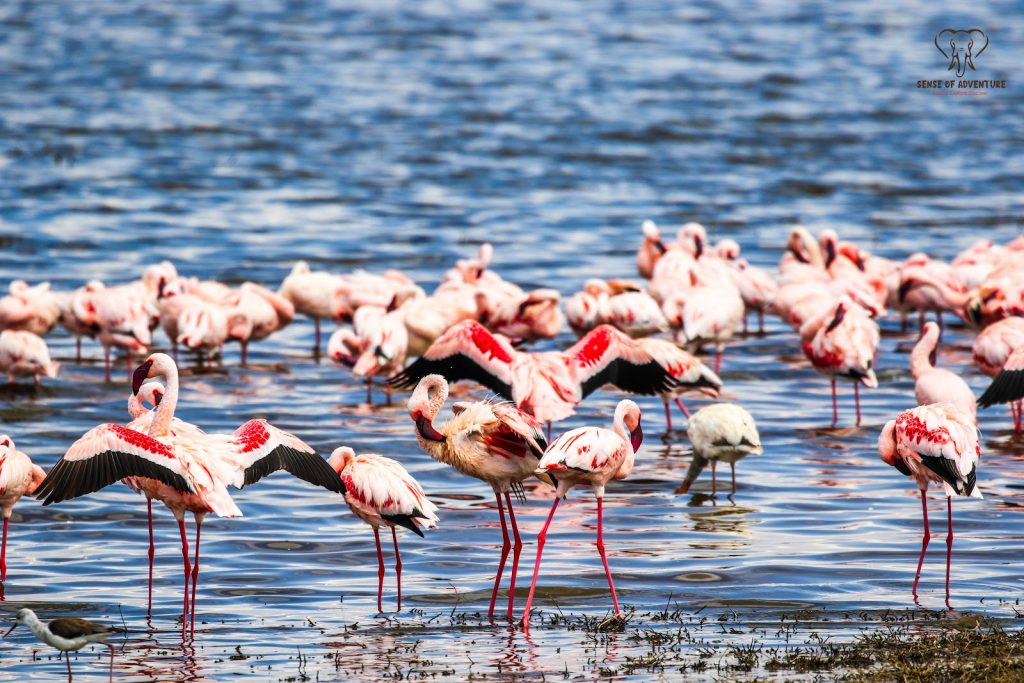
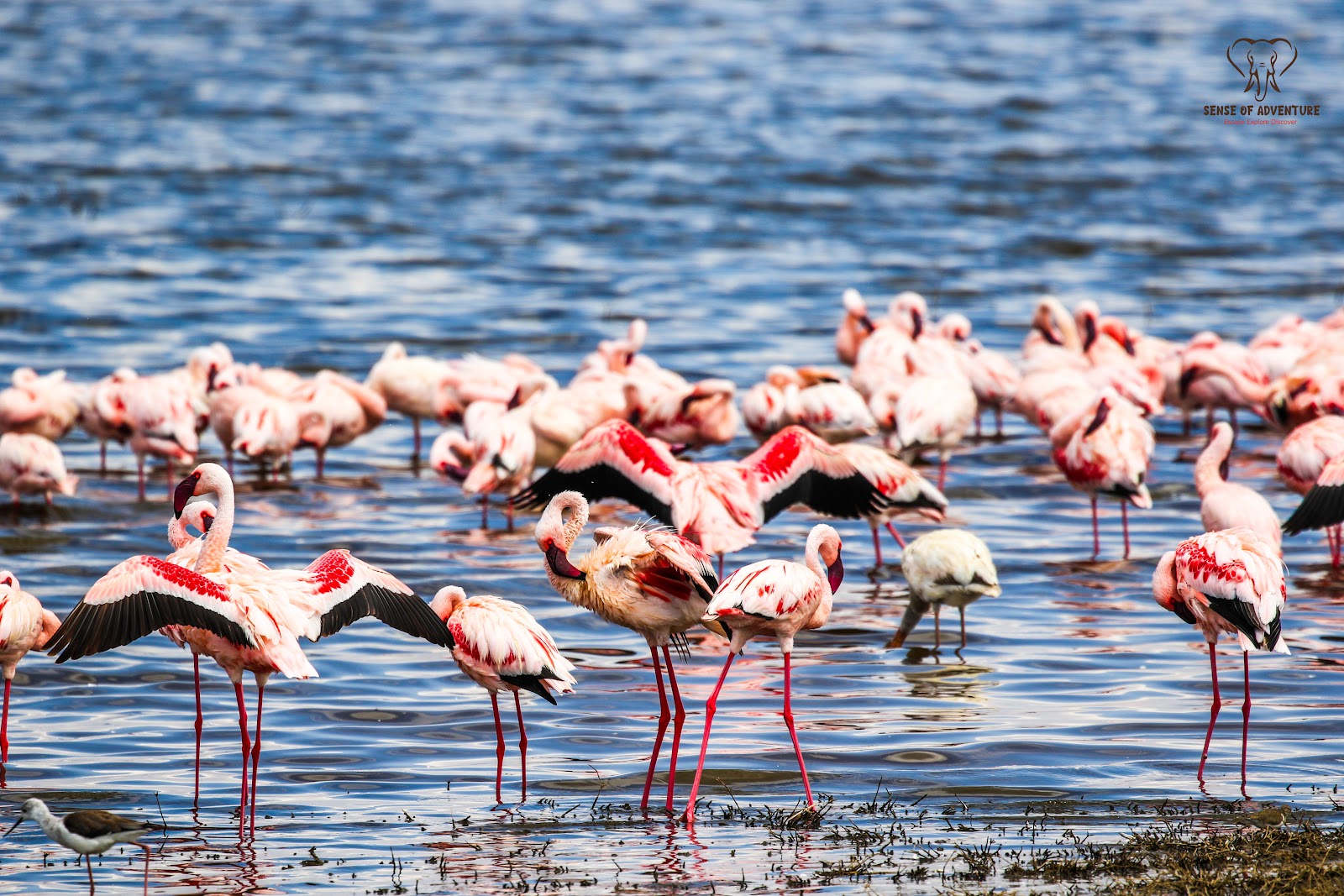
- Flamingos: numbers shift; recently Bogoria and Elementaita have often been better than Nakuru.
Want flamingos, rhinos and a lake boat trip in one route? Tell us your dates and we will check where the birds are now.
Check flamingo lakes nowWhat Are Kenya’s Rift Valley Lakes?
The Rift Valley lakes are a line of lakes on the floor of the Great Rift Valley, running from Lake Turkana near Ethiopia to Lake Magadi near Tanzania.
The valley floor has few outlets, so many lakes collect minerals and become alkaline soda lakes. Those soda lakes grow the blue-green algae that lesser flamingos eat. A few lakes, such as Naivasha and Baringo, stay fresh because of underground outflow or river inflow, so they support fish, hippos and very different birdlife.
Three of the soda lakes, Bogoria, Nakuru and Elementaita, are protected together as the Kenya Lake System in the Great Rift Valley UNESCO World Heritage Site. Lake Turkana’s national parks are a separate UNESCO site. The Magical Kenya Rift Valley page gives a good overview of the region.
Rift Valley Lakes Ranked: The Quick Comparison
Each of the Rift Valley lakes is the extreme of something, so the right one depends on what you want from the day.
| Lake | Known for | Water | Distance from Nairobi | Best for |
|---|---|---|---|---|
| Turkana | Largest and deepest; the Jade Sea | Alkaline | Far north; charter flight or long overland trip | Remote adventure and culture |
| Magadi | Most saline; soda crust and hot springs | Soda | About two to three hours south | Raw landscapes and flamingos |
| Bogoria | Hot springs and geysers | Soda | About five hours | Flamingos and geothermal drama |
| Nakuru | Rhinos in a fenced park | Soda | About three hours | Big game and birds |
| Elementaita | Shallow, quiet soda lake | Soda | About two and a half hours | Peaceful birding |
| Naivasha | Hippos, Crescent Island, Hell’s Gate | Fresh | About two hours | Boats, walks and cycling |
| Baringo | Birding and crocodiles | Fresh | About five hours | Bird lovers |
Largest and Deepest: Lake Turkana
Lake Turkana is the largest and deepest of Kenya’s Rift Valley lakes, a vast alkaline lake in the desert of the far north.
Its colour gives it the nickname the Jade Sea. The lake is described as the world’s largest permanent desert lake, and its deepest point exceeds 100 metres. Lake Turkana National Parks are listed by UNESCO for their fossil sites and their role as a stopover for migratory birds. Getting there is a serious journey, best by charter flight or a multi-day overland expedition, and it suits travellers who want remoteness more than wildlife.
Our guide to the Chalbi Desert and Lake Turkana covers the heat, the people and how to plan the journey north.
Saltiest: Lake Magadi
Lake Magadi is the most saline of the Rift Valley lakes in Kenya, a shimmering soda pan in the hot south of the valley.
Hot springs feed the lake, and in the dry season much of it becomes a pink and white crust of trona, a soda mineral that is mined here. Flamingos often feed in the shallow lagoons, and the drive down past the Ngong Hills and Olorgesailie is spectacular. It is very hot by midday, so go early and carry plenty of water. Of all the Rift Valley lakes, Magadi feels the most raw and empty, which is exactly why photographers and geology lovers seek it out.
Visiting Magadi From Nairobi
Magadi works as a long day trip, often combined with the prehistoric site at Olorgesailie. For more time, the Shompole area to the south has lodges overlooking the Nguruman escarpment. See our Lake Magadi day trip guide, our Lake Magadi lodges guide and our bookable Olorgesailie and Lake Magadi tour.
Most Geothermal: Lake Bogoria
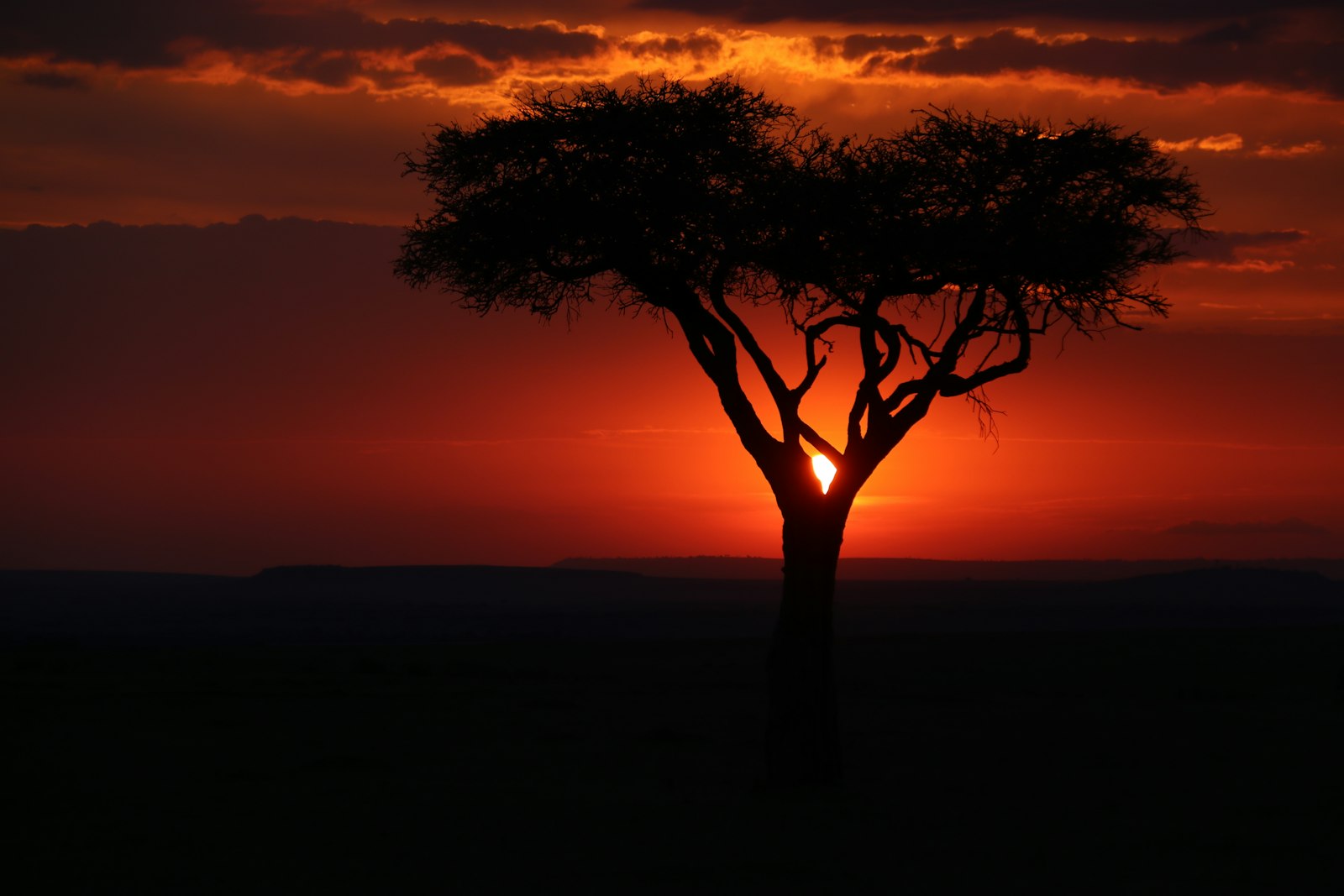
Lake Bogoria is the most dramatic of the Rift Valley lakes for geothermal activity, with boiling springs and spouting geysers along its western shore.
Steam rises beside the water while flamingos feed in the shallows, a combination you will not find elsewhere in Kenya. The lake sits in Lake Bogoria National Reserve, managed by Baringo County, beneath a steep escarpment. Greater kudu live in the bush on the eastern side. The springs are scalding, so stay on paths and keep children close.
In recent years, as water levels changed at Lake Nakuru, Bogoria has often held some of the largest flamingo gatherings. Numbers still vary, so we check recent reports before planning your day. Our why are flamingos pink guide explains the algae behind the colour.
Bogoria, Nakuru or Elementaita?
Flamingos move between these lakes. Tell us your dates and whether rhinos or flamingos matter more, and we will route you to the right shore.
Best for Wildlife: Lake Nakuru and Lake Elementaita
Lake Nakuru is the only one of the Rift Valley lakes set inside a fenced national park full of big game.
Lake Nakuru National Park
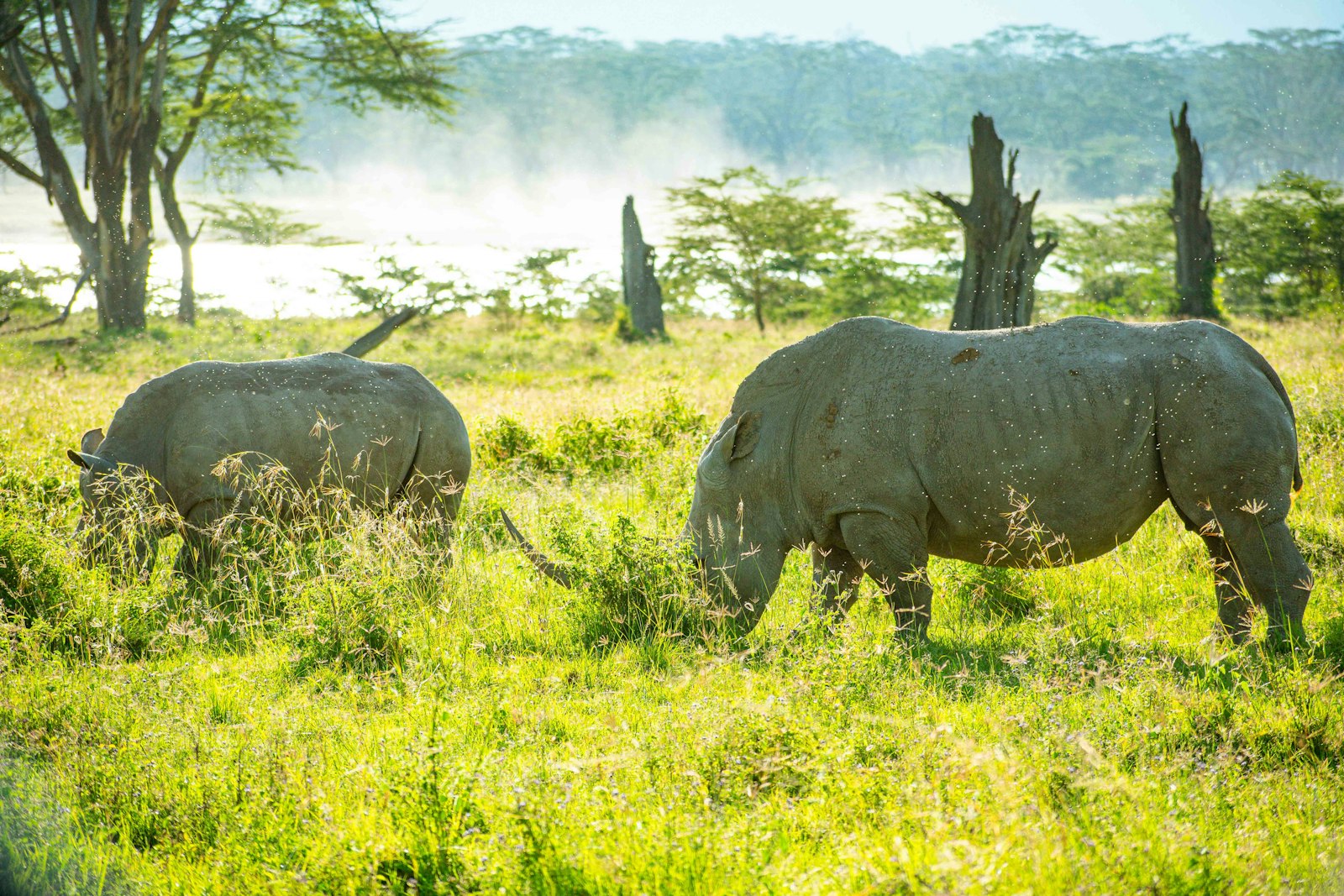
Lake Nakuru National Park protects black and white rhinos, Rothschild’s giraffe, lions, leopards, buffalo and a huge variety of birds, all within a compact park managed by the Kenya Wildlife Service. Rising water levels over the past decade flooded parts of the shoreline and dispersed many flamingos, so treat flamingos as a bonus here and rhinos as the reason to come.
Read our Lake Nakuru rhinos guide, our honest flamingos in Lake Nakuru update and our Lake Nakuru safari tips.
Lake Elementaita
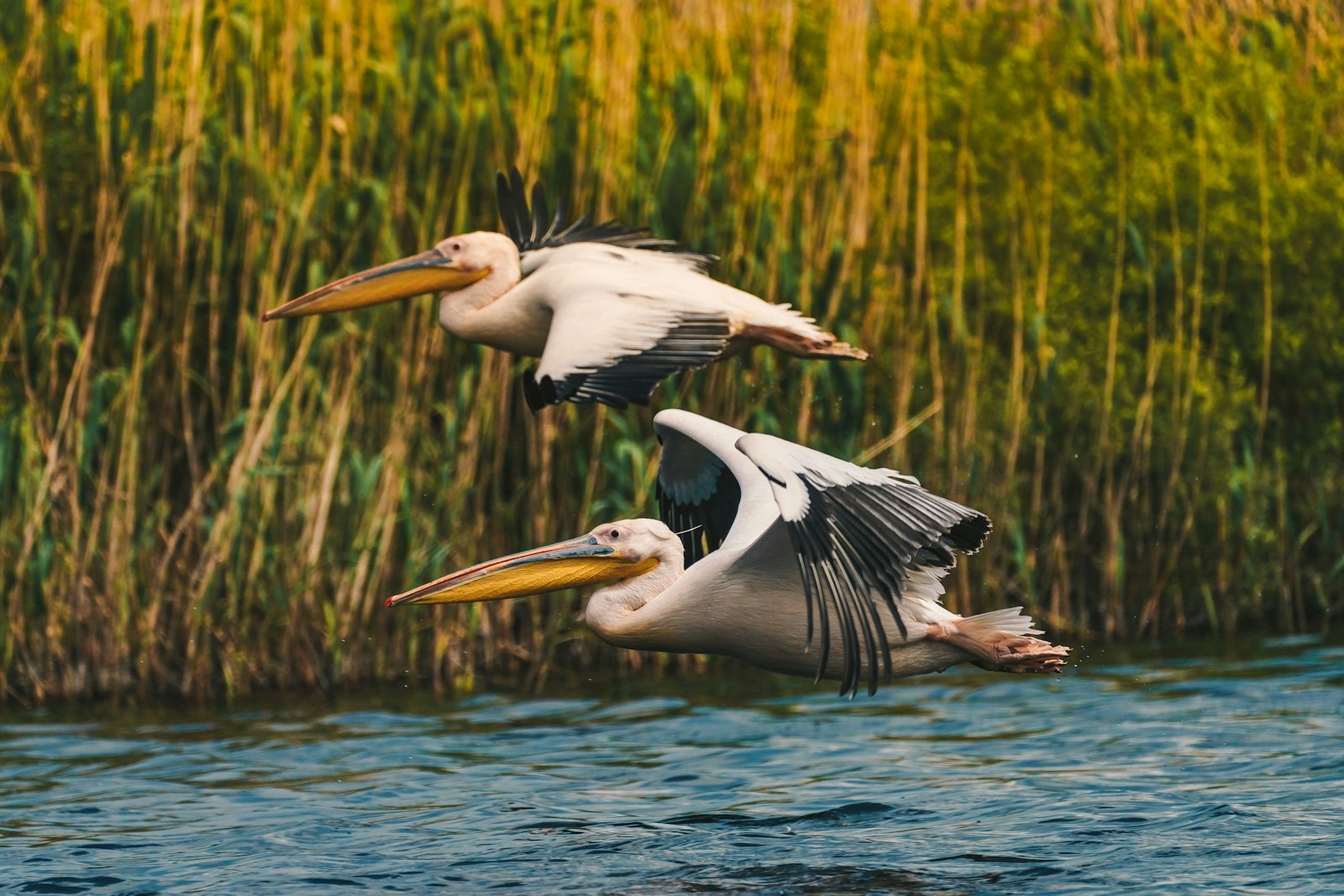
Elementaita is a small, shallow soda lake between Naivasha and Nakuru, part of the same UNESCO site. It is quieter than its neighbours, with flamingos, pelicans and views of the Sleeping Warrior hill. It suits a relaxed lunch stop or a night at a lakeside lodge. Soysambu Conservancy borders much of the shore and protects Rothschild’s giraffe, zebra and other wildlife, so the drive in often brings sightings of its own. Our Lake Elementaita guide has details.
Freshest: Lake Naivasha and Lake Baringo
Naivasha and Baringo are the freshwater Rift Valley lakes, which is why they have hippos, fish and boat trips instead of flamingo crowds.
Lake Naivasha
Naivasha is the easiest lake to reach from Nairobi and the most varied. Take a boat among hippos and fish eagles, walk among giraffe on Crescent Island, and cycle Hell’s Gate National Park nearby. The lake averages only a few metres deep, with its deepest water in the crater lagoon at Crescent Island. See our Lake Naivasha boat safari guide.
Lake Baringo
Baringo, just north of Bogoria, is one of Kenya’s great birding lakes. Boat trips find fish eagles, herons, kingfishers and crocodiles, and dry bush around the lake holds species found in few other places. Il Chamus and Pokot communities live around its shores. It pairs naturally with Bogoria on a two-night trip. See our Kenya birding safari guide.
Expert tip from our Nairobi team
Do not plan a lakes trip around a photograph from ten years ago. Flamingos follow their food, and lake levels have changed a great deal. Ask us for a current view a few weeks before you travel, and keep one flexible half-day so you can switch lakes if the birds have moved.
How to Combine the Rift Valley Lakes
Most travellers combine two or three Rift Valley lakes over two to four days, usually on the way to or from the Masai Mara.
| Trip length | Suggested lakes | Who it suits |
|---|---|---|
| 1 day | Naivasha, or Magadi with Olorgesailie | Short stays and layovers |
| 2 days | Naivasha and Nakuru | First-timers wanting rhinos and hippos |
| 3 days | Naivasha, Elementaita and Nakuru | Families and relaxed travellers |
| 4 days | Nakuru, Bogoria and Baringo | Birders and flamingo lovers |
| 5 days or more | Add Lake Turkana by charter | Adventurers and repeat visitors |
Bookable options include our Lake Nakuru day safari, the 5-day Masai Mara, Nakuru and Naivasha safari and the Kenya birding tour. We tailor any of them as a private Kenya safari from Nairobi.
Getting Between the Rift Valley Lakes
Most of the central Rift Valley lakes lie along good tarmac roads north-west of Nairobi, so a private vehicle with a pop-up roof is the easiest way to link them. Naivasha, Elementaita and Nakuru sit close together on the main road towards Nakuru town, which is why they combine so well on a short trip. Bogoria and Baringo lie further north, beyond Nakuru, so they suit travellers with an extra night or two.
Magadi is on its own road south of Nairobi, so it rarely fits the same circuit and works best as a separate day trip. Lake Turkana is the real exception: reaching it by road takes several days through northern Kenya, so most visitors fly by charter and treat it as an expedition in its own right.
Pairing the Lakes With the Masai Mara
Lake Naivasha is a natural first stop on the road from Nairobi towards the Masai Mara, and a night there breaks up the long drive. A popular pattern is Naivasha for a boat trip, Nakuru for rhinos, then on to the Mara for big cats, with a flight back to Nairobi at the end. Tell us your Mara dates and we will suggest which Rift Valley lakes fit around them without rushing.
Best Time to Visit the Rift Valley Lakes
The lakes can be visited all year, but the drier months from late December to March and June to October give easier roads and clearer views.
- January to March: warm and mostly dry; good for birds, with migrant species from Europe still present.
- April to May: long rains; green, quiet and sometimes muddy on side roads.
- June to October: dry and cooler; pairs well with the Mara migration.
- November to December: short rains and the arrival of migrant birds.
Check seasonal outlooks with the Kenya Meteorological Department. Park and reserve fees differ between KWS and county-run areas such as Bogoria, so see our Kenya national parks entrance fees 2026 guide.
Get your lakes circuit quoted
Lakeside lodges fill early in July, August and over Christmas. Send your dates and we will send a written quote with every park and reserve fee listed.
Safety, Packing and Responsible Visits
The Rift Valley lakes are safe and easy to enjoy with a guide, but heat, hot springs and hippos all deserve respect.
Staying Safe at the Lakes
- Hippos: keep well back from the shore at dusk and after dark, when hippos leave the water to graze.
- Hot springs: at Bogoria and Magadi the water can scald; stay on paths and never let children run ahead.
- Boats: use operators with life jackets for everyone, and keep a respectful distance from hippo pods.
- Heat: Magadi, Bogoria and Turkana are very hot by midday, so start early and drink plenty of water.
What to Pack for the Rift Valley Lakes
Bring a wide-brimmed hat, sun cream, sunglasses and a light long-sleeved shirt for the hot soda lakes, plus a fleece for cool mornings at Naivasha and Nakuru. Binoculars make a huge difference for birds. A zoom lens of 300 mm or more helps with flamingos, which are easily disturbed if you walk too close.
Respect the communities who live around the Rift Valley lakes. Ask before photographing people, buy crafts directly where you can, and follow local guides at cultural sites. Fees paid at Bogoria go to the county, and those at Nakuru support KWS rangers.
Rift Valley Lakes FAQs
Which Rift Valley lake in Kenya has the most flamingos?
It changes from year to year. Lake Nakuru was famous for flamingos, but rising water levels have dispersed many birds, and Lake Bogoria and Lake Elementaita have often held larger flocks recently. Flamingos follow the algae they eat, so ask a local operator for current reports a few weeks before you travel.
Which is the deepest lake in Kenya’s Rift Valley?
Lake Turkana in the far north is the largest and deepest lake in Kenya’s Rift Valley, with its deepest point more than 100 metres down. It is a vast alkaline desert lake known as the Jade Sea. Most other Rift Valley lakes, including Naivasha and Nakuru, are shallow by comparison.
Are any Kenyan Rift Valley lakes freshwater?
Yes. Lake Naivasha and Lake Baringo are the main freshwater lakes in Kenya’s Rift Valley. Fresh water supports fish, hippos, crocodiles and rich birdlife, and both lakes offer boat trips. The soda lakes, such as Bogoria, Nakuru, Elementaita and Magadi, are alkaline and attract flamingos instead.
Can you swim in the Rift Valley lakes?
Swimming is not recommended. Naivasha and Baringo have hippos and, at Baringo, crocodiles, while the soda lakes are highly alkaline and the hot springs at Bogoria and Magadi can scald. Enjoy the lakes by boat, on foot with a guide or from a lodge pool instead.
How many days do you need for the Rift Valley lakes?
Two days covers Naivasha and Nakuru comfortably, with a boat trip, Crescent Island and a rhino game drive. Allow three to four days to add Elementaita, Bogoria and Baringo. Lake Turkana needs a separate trip of several days, usually by charter flight from Nairobi.
Which Rift Valley lakes are UNESCO World Heritage Sites?
Lakes Bogoria, Nakuru and Elementaita are protected together as the Kenya Lake System in the Great Rift Valley World Heritage Site. Lake Turkana National Parks form a separate UNESCO site in the far north, listed for fossil discoveries and their importance for birds and wildlife.
Seven lakes, one smooth route
From hippos at Naivasha to geysers at Bogoria, we plan private Rift Valley journeys around what is happening on the lakes right now. Sense of Adventure is a TRA-licensed safari company in Nairobi.
Kenya-based experts. Real local knowledge. Transparent pricing.