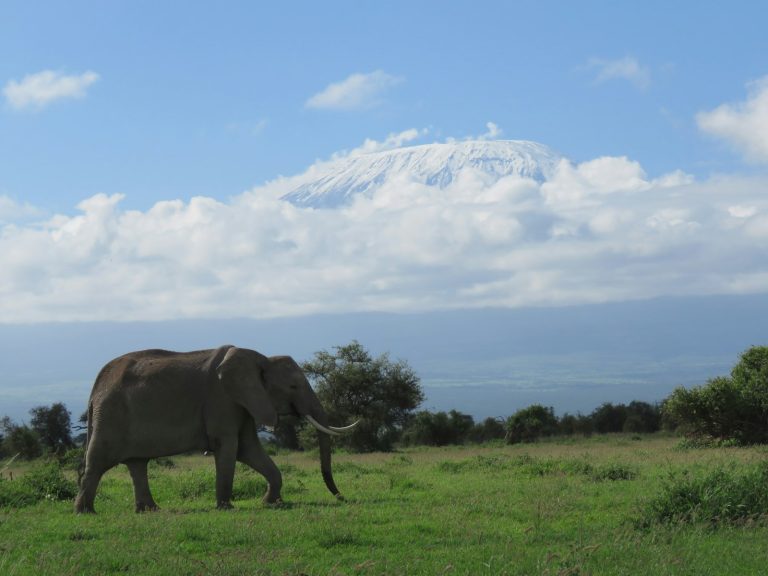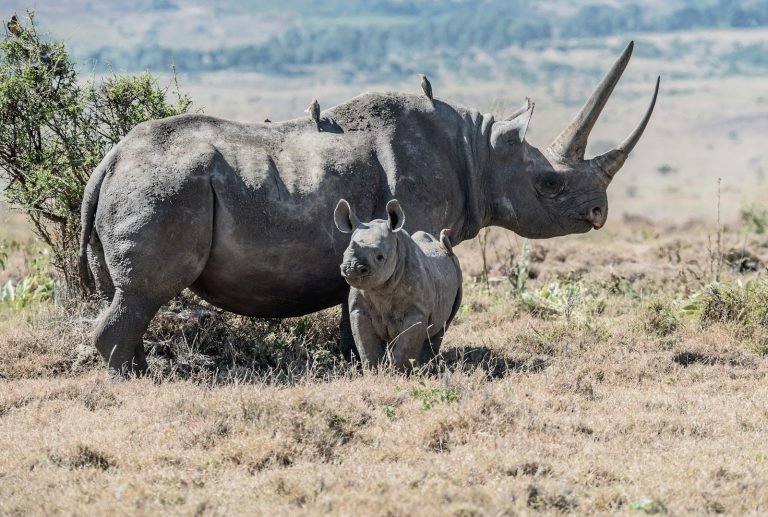
Meru vs Amboseli is a choice between solitude and spectacle. Meru is a wild, river-cut park east of Mount Kenya with all of the Big Five, including a fenced sanctuary for black and white rhinos, and very few vehicles. Amboseli is smaller and busier, but gives you relaxed elephant herds beneath Kilimanjaro. It has no rhinos.
Sense of Adventure is a TRA-licensed private safari company based at Mountain Mall on Thika Road, Nairobi. We plan trips to both parks, and we hear this question often from travellers who want the Big Five without the crowds. This Meru vs Amboseli guide compares the two honestly: landscape, wildlife, rhinos, crowds, access, seasons, fees, lodges and routes. By the end, you will know which park fits your trip, or whether you should see both.
Meru vs Amboseli? Let Our Nairobi Team Help You Choose
Tell us your dates and the wildlife you most want to see. We will reply with an honest recommendation and a private itinerary.
Meru vs Amboseli at a Glance
Amboseli wins on elephants, Kilimanjaro views and easy access, while Meru wins on solitude, rivers and rhinos. Both are national parks run by Kenya Wildlife Service (KWS), and both suit a private safari. The table sets out the key differences.
| Meru vs Amboseli | Meru National Park | Amboseli National Park |
|---|---|---|
| Size (KWS) | 870 km², gazetted 1966 | 392 km², gazetted 1974 |
| Landscape | Rivers, doum palms, tall grass, thick bush | Open plains, swamps, a dry lake bed, Kilimanjaro |
| Big Five | All five, with patience | Four; leopard rare, no rhino |
| Rhino | Black and white rhino in a fenced sanctuary | None |
| Crowds | Very few vehicles | Busy at peak times around the swamps |
| From Nairobi (KWS) | About 348 km by road | About 204 km to Iremito gate |
| Non-resident adult fee | USD 70 per day | USD 90 per day |
| Best combined with | Samburu, Laikipia, Mount Kenya | Tsavo West, Masai Mara, the coast |
| Ideal stay | 2–3 nights | 2 nights; 3 for photographers |
Fees are KWS conservation fees for 2026 and can change. Check the latest figures in our guide to Kenya national parks entrance fees for 2026.
Meru vs Amboseli Landscape: Rivers or a Mountain
On landscape, Meru vs Amboseli is a contrast: Meru feels like a hidden river valley, green and tangled, while Amboseli is a wide, open stage with Africa’s highest mountain as its backdrop.
Meru: rivers, palms and tall grass
Meru National Park lies east of Mount Kenya and covers 870 km², according to the KWS Meru park page. Thirteen rivers and many mountain-fed streams cross it. They feed doum palm groves, swamps and riverine forest, with the Tana River and Adamson’s Falls in the south. On a clear morning, you can see Mount Kenya from the park.
Meru is part of the wider Meru Conservation Area, which includes neighbouring Kora National Park. The result is real remoteness. You can drive for long stretches without meeting another vehicle, which is rare in Kenya today. Our Meru National Park safari guide covers the park in depth.
Amboseli: swamps beneath Kilimanjaro
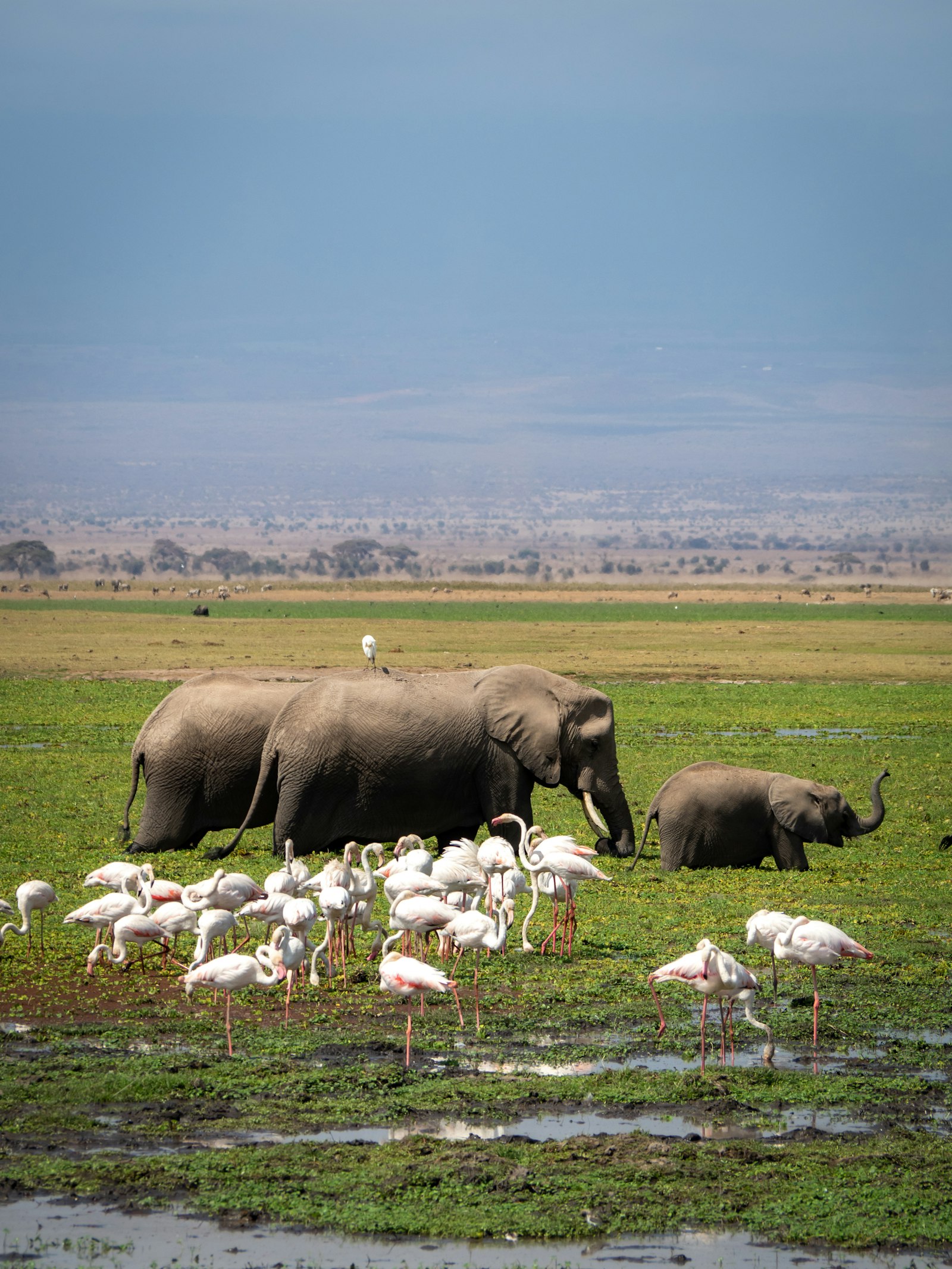
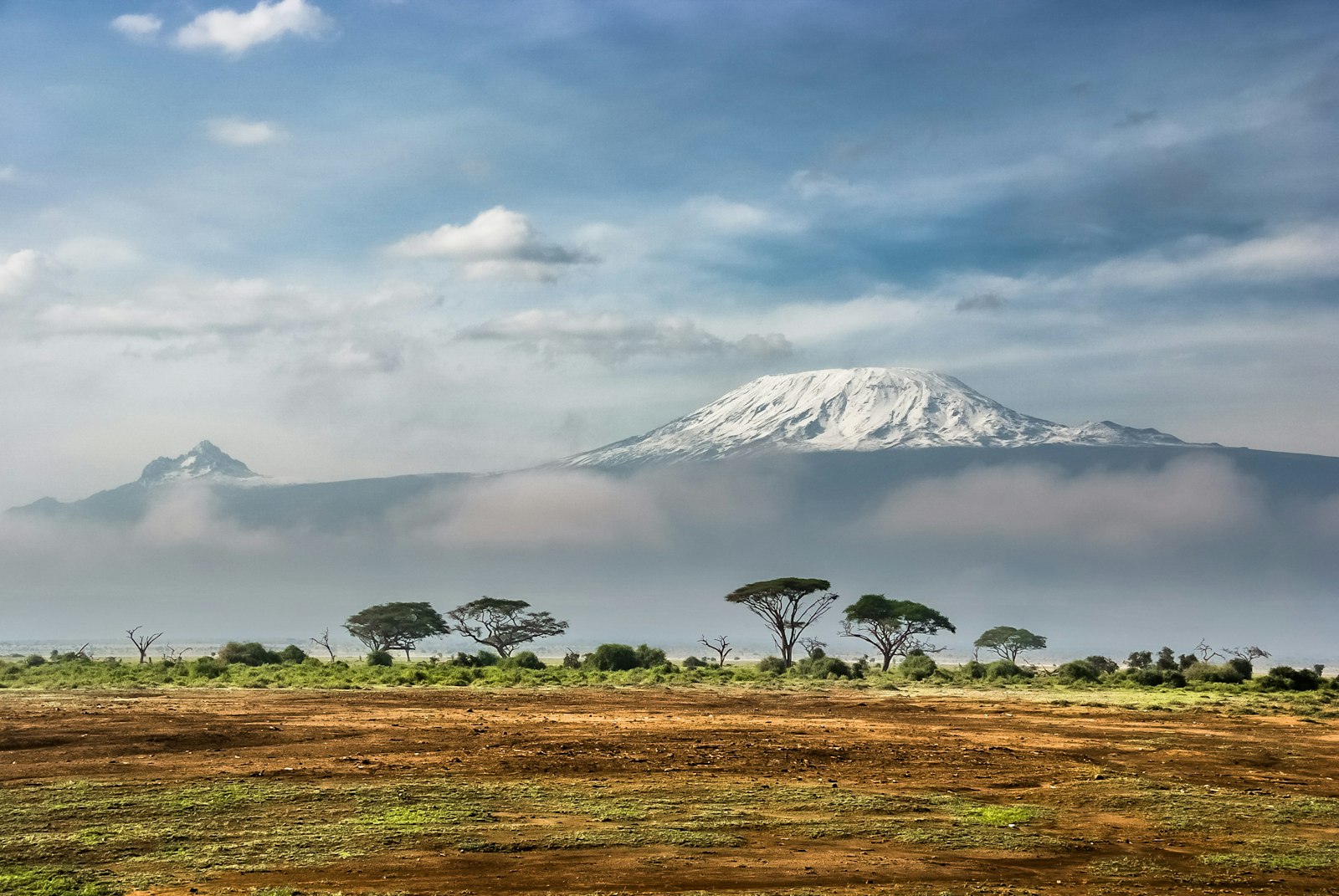
Amboseli is compact, flat and open. Most of it is grassland and an old lake bed, usually dry and white. Its life comes from underground: water from Kilimanjaro seeps through volcanic rock and rises in springs that feed green swamps. In the dry season those swamps draw elephants, buffalo, hippos and birds. The KWS Amboseli park page notes it is also a UNESCO Man and Biosphere reserve.
Kilimanjaro rises just across the border in Tanzania. Clouds often hide the summit by mid-morning, so the clearest views come at dawn and in the late afternoon. Read our full Amboseli National Park guide for the detail.
The Big Five in Meru vs Amboseli
Meru holds all of the Big Five, while Amboseli holds four: it has no rhinos, and leopards are rarely seen there.
This is the most important correction to make about Meru vs Amboseli. Many sites say both parks offer a complete Big Five. They do not. If seeing all five matters to you, Meru can deliver it in one park, while Amboseli needs a partner park for rhino. Our guide will I see the Big Five in Kenya? gives honest odds by park.
Meru vs Amboseli for elephants
Meru vs Amboseli winner: Amboseli. Amboseli is one of the best places in Africa to watch elephants at close range. Research on its elephant families began in 1972 and is described by KWS as the longest-running study of wild elephants anywhere. The herds are calm around vehicles, so your guide can switch off the engine and let them walk past. Meru’s elephants are fewer and shyer, often seen in the river forests.
Meru vs Amboseli for rhinos
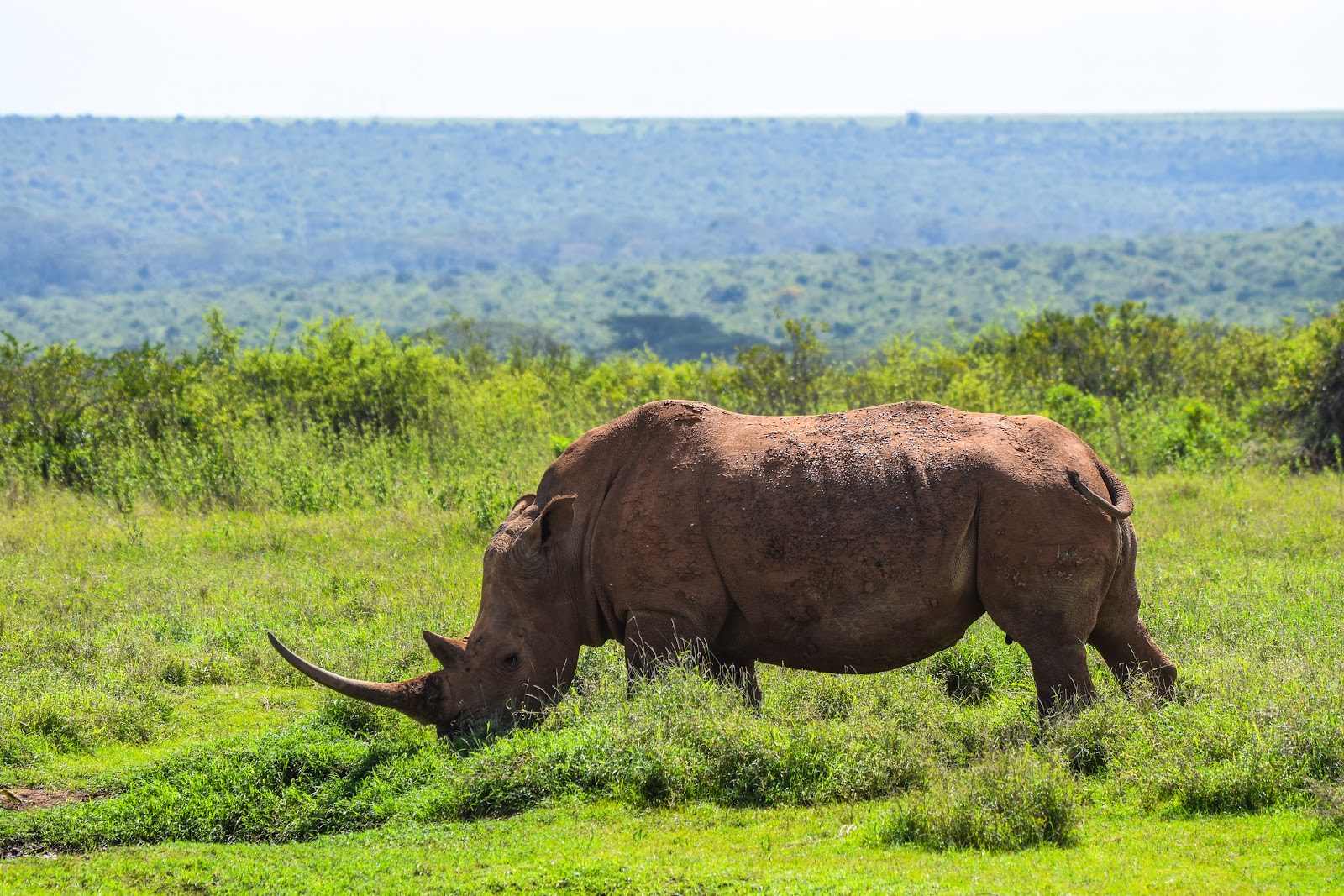
Meru vs Amboseli winner: Meru, clearly. Meru was once a stronghold for Kenya’s eastern black rhino. Poaching hit it hard in the 1970s, and by around 2000 both rhino species were locally extinct, according to the Sheldrick Wildlife Trust. A fenced sanctuary brought them back. The Trust reported around 100 white and 45 black rhinos there in 2024, guarded around the clock by KWS rangers.
Amboseli has no rhinos today. If you base your trip on Amboseli, add a rhino park such as Ol Pejeta or Lake Nakuru. Compare those options in Amboseli vs Ol Pejeta and Lake Nakuru vs Ol Pejeta.
Meru vs Amboseli for lions, leopards and buffalo
Meru vs Amboseli result: a draw. Lions live in both parks. Amboseli’s open plains make them easier to spot when they are present, though prides move in and out of the park. Meru’s thick bush hides its cats, so sightings take more patience. Leopards are rare in Amboseli and present but elusive in Meru. Buffalo are common in both, especially near water. For more on the toughest of the five, see the best national parks for buffalo in Kenya.
Meru vs Amboseli for birds and other wildlife
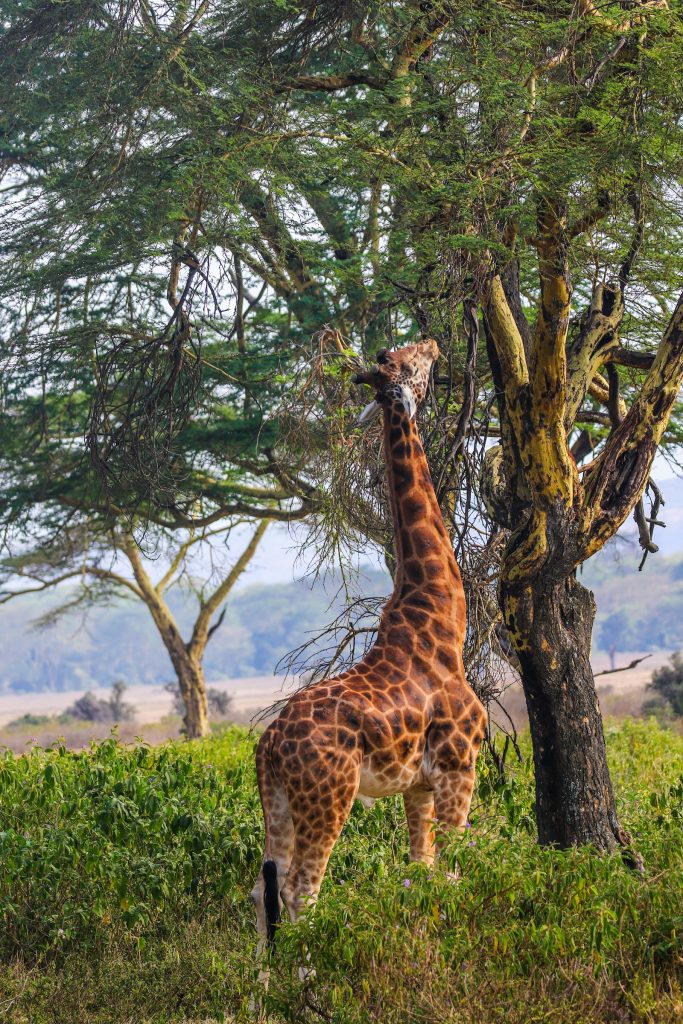
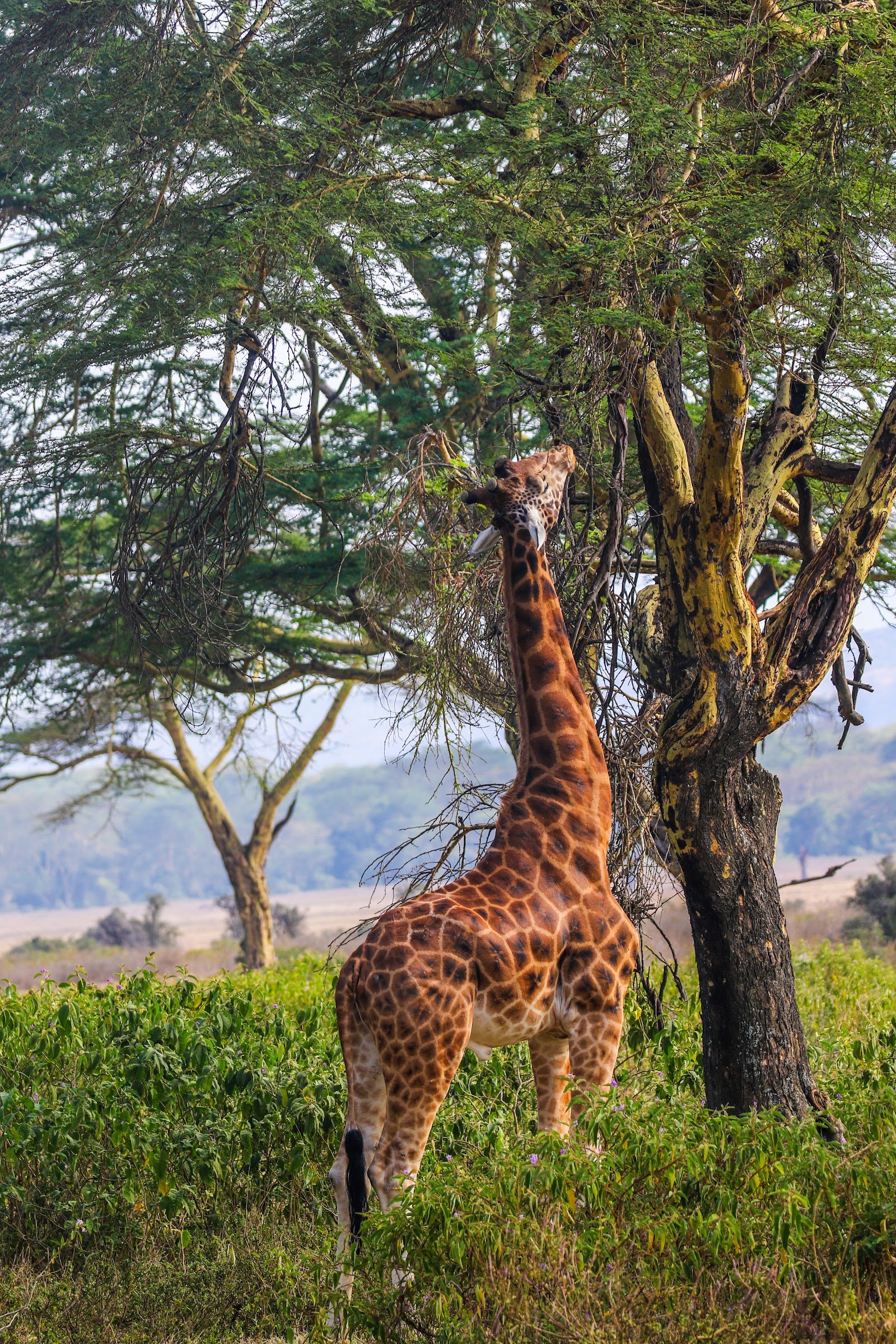
Meru vs Amboseli winner: Meru, for variety. KWS lists Grevy’s zebra, reticulated giraffe, cheetah, hippo, eland and waterbuck in Meru, with more than 400 bird species, including Peter’s finfoot along the rivers. Amboseli also records over 400 bird species, with pelicans, crowned cranes and, after rain, flamingos. It adds cheetah, spotted hyena and gerenuk. Our guide to giraffe species in Kenya explains the reticulated giraffe you can see in Meru.
Meru vs Amboseli for Crowds and History
On crowds, Meru vs Amboseli is clear-cut: Meru gives you wilderness almost to yourself, while Amboseli gives you famous scenery that you will share with other vehicles.
How busy is each park?
Amboseli is close to Nairobi and on Kenya’s classic southern circuit, so it is popular. At peak times, several vehicles may gather at a good sighting near the swamps. Meru is further away and far less visited. That brings a different feel: slow drives along rivers, long silences and the sense that you have found somewhere few people know. Neither is better. It depends on what you value.
Born Free and the elephant researchers
Meru is the setting of Joy Adamson’s book Born Free, about her and George Adamson’s work returning Elsa the lioness to the wild. Elsa is buried in the park, and KWS marks her grave. George Adamson later continued his lion work in neighbouring Kora. Read more in our guides to Meru and the Born Free legacy and Kora National Park.
Amboseli’s story is about elephants and people. Most of its ecosystem lies outside the park on Maasai community land, where elephants, lions and zebras roam at night and in the wet season. Community conservancies and conservation groups work with landowners to keep those corridors open. Your fees help make that possible.
Still Weighing Up Meru vs Amboseli?
Send us your travel month and your must-see animals. We will suggest the right park, or a route that includes both.
Getting There: Meru vs Amboseli Access
Amboseli is the easier park to reach, at around four to five hours by road, while Meru takes most of a day by road or a short light-aircraft flight.
Reaching Amboseli
The usual road route runs south-east on the Nairobi to Mombasa highway to Emali, then on tarmac to Iremito gate, about 204 km from Nairobi according to KWS. A second route goes via Namanga to Meshanani gate. Kimana gate in the east links Amboseli to Tsavo West. Light aircraft also fly from Wilson Airport to airstrips in and around the park.
Reaching Meru
KWS puts Meru about 348 km from Nairobi by road. The main entrance is Murera gate, about 35 km from Maua town. Plan on most of a day, with a lunch stop on the slopes of Mount Kenya. Light aircraft can land at the park’s airstrips, including Mulika and Elsa’s Kopje. Flight schedules change, so we confirm options when you book.
Getting around: Meru’s roads are rougher and its bush is thicker, so a good guide matters even more there. A private 4×4 with a pop-up roof and an experienced driver-guide is standard on every private Kenya safari we run.
Best Time to Visit Meru vs Amboseli
Timing barely separates Meru vs Amboseli: the best time for both parks is the dry season, from June to October and from January to February, when animals gather near water and tracks are easier to drive.
Kenya usually has long rains from about March to May and short rains in November and December, though patterns vary each year. Rain affects Meru more: grass grows tall, game is harder to see and some tracks become difficult. Amboseli stays drivable on most routes, but clouds hide Kilimanjaro more often in the wet months.
| Meru vs Amboseli by month | Meru | Amboseli |
|---|---|---|
| January–February | Dry; very good game viewing | Hot and mostly dry; mountain often clear at dawn |
| March–May | Long rains; tall grass, harder driving | Long rains; green and quiet, often cloudy |
| June–October | Dry; best of the year along the rivers | Dry; big elephant gatherings at the swamps |
| November–December | Short rains; lush, very few visitors | Short rains; clear spells after storms |
Expert tip from our Nairobi team
In Amboseli, be out at first light: that is when Kilimanjaro is most likely to be clear and the elephants walk from the woodland to the swamps. In Meru, plan drives around the rivers and the rhino sanctuary, and give yourself at least two full days, because thick bush rewards slow, patient searching rather than a rushed visit.
Park Fees, Lodges and Costs
On fees, Meru vs Amboseli favours Meru, which is cheaper to enter, but your total safari cost depends far more on lodges, transport and trip length.
Meru vs Amboseli park fees
Under the KWS conservation fee schedule in force since October 2025, Amboseli is a Premium Park at USD 90 per non-resident adult per day, with children at USD 45. Meru is a Wilderness Park at USD 70 for adults and USD 40 for children. Fees are paid cashless through eCitizen, and every quote we send includes them.
A note on Amboseli’s management: in 2025 the national government moved to hand management of Amboseli to Kajiado County, and the transfer has since been challenged in the High Court. KWS still lists the park and its fees, but arrangements could change. We confirm current fees for every booking.
Where you stay
Amboseli has the wider choice, from lodges inside the park close to the swamps to quieter tented camps on the community land around it. See our guide to luxury lodges in Amboseli. Meru has far fewer properties, so the best rooms fill early in the dry season. Browse our Kenya lodges collection, then ask us which camp suits your style.
For a full breakdown of what drives the price of a trip, read our guide to Kenya safari costs. We never quote a figure without your dates, lodge choice and group size.
Who Each Park Suits: The Meru vs Amboseli Verdict
Choose Amboseli for elephants, Kilimanjaro and easy logistics; choose Meru for solitude, rivers and the chance to see all of the Big Five in one park.
Choose Amboseli if you
- Dream of photographing elephants with Kilimanjaro behind them.
- Are on your first safari and want reliable, easy game viewing.
- Have limited time and want a park within a few hours of Nairobi.
- Plan to continue to Tsavo West, the Masai Mara or the coast.
- Prefer a wide choice of lodges and camps.
Choose Meru if you
- Want a quiet park where other vehicles are rare.
- Would like to see black and white rhino in one park.
- Are interested in Born Free history and the Adamsons.
- Want northern species such as Grevy’s zebra and reticulated giraffe.
- Have been on safari before and want something new.
Our Meru vs Amboseli verdict: for a first safari, Amboseli is the easier and more iconic choice. For a second safari, or for travellers who value solitude and rhinos, Meru is the more special experience. With ten days or more, you can enjoy both. See how they fit with the rest of the country in our national parks in Kenya overview.
How Many Days and How to Combine Them
Once you have settled Meru vs Amboseli, plan two nights in Amboseli and two to three nights in Meru, and pair each park with its natural neighbours, because they sit on opposite sides of Nairobi.
Amboseli lies south of Nairobi and Meru lies to the north-east. Linking them directly means driving back through Nairobi or taking a charter flight. That is easy to arrange, but it shapes your route. Our guide to how many days you need for a Kenya safari explains the pacing.
A southern route with Amboseli
Amboseli fits neatly between Nairobi, Tsavo and the beach, or with the Masai Mara to the west. Our 2-Day Amboseli Safari suits a short break, our Amboseli Elephant Photographic Safari is built around the light, and our Tsavo and Amboseli safari heads for the coast. Browse all our Amboseli safari options.
A northern route with Meru
Meru pairs naturally with Samburu, Laikipia and Mount Kenya. A strong week might be two nights in Meru, two in Samburu and two in a Laikipia conservancy. Read about our Samburu safari, find out whether Samburu has the Big Five, and see how Meru compares with another quiet giant in Tsavo vs Meru.
Seeing both on one trip
With ten to fourteen days, you can do both: start in the north with Meru and Samburu, return through Nairobi, then finish in Amboseli and Tsavo or the Mara. If you prefer fewer long drives, a light-aircraft hop between regions saves most of a day. Tell us your priorities through our plan my safari page and we will suggest the smoothest order.
Safety and travel advice
Both parks are visited safely every year on guided safaris. The UK government advises against travel to some areas near the Somali border and parts of the north-east coast, well away from the routes in this guide. Advice changes, so check the FCDO Kenya travel advice before you book, and make sure your insurance covers medical evacuation.
Meru vs Amboseli FAQs
Meru vs Amboseli: which park is better for a first safari?
For most first-time visitors, Amboseli is easier. It is closer to Nairobi, game viewing on its open plains is simple, and the elephants with Kilimanjaro behind them are unforgettable. Meru suits travellers who want solitude, rivers and rhinos. With ten days or more, you can enjoy both on one trip.
Does Amboseli have the Big Five?
Not quite. Amboseli has elephant, buffalo and lion, and leopards are present but rarely seen. There are no rhinos in Amboseli today. Travellers who want all five usually add a rhino park such as Ol Pejeta, Lake Nakuru or Meru National Park, which has a fenced sanctuary for both rhino species.
Does Meru National Park have the Big Five?
Yes. Meru has lion, leopard, elephant and buffalo, and its fenced sanctuary protects both black and white rhinos. The bush is thick and visitor numbers are low, so sightings take patience. A good private guide, early morning drives and two or three nights give you the best chance of seeing all five.
How far is Meru National Park from Nairobi?
KWS puts Meru National Park about 348 km from Nairobi by road. The main entrance is Murera gate, about 35 km from Maua town. Plan on most of a day for the drive, with a lunch stop. Light aircraft can also land at the park’s airstrips, which turns the journey into a short flight.
Is Meru National Park worth visiting?
Yes, especially if you have been on safari before or dislike crowds. Meru offers rivers, palm forests, Born Free history, Grevy’s zebra, reticulated giraffe and a two-species rhino sanctuary. Big cat sightings take more patience than in open parks, but the sense of having the wilderness to yourself is exceptional.
Meru vs Amboseli: which park is cheaper to visit?
Meru has the lower entry fee, at USD 70 per non-resident adult per day under the KWS schedule in force since October 2025, against USD 90 for Amboseli. Amboseli is often cheaper to reach because it is closer to Nairobi. Your lodge choice and trip length matter far more than the fee difference.
Can I visit Meru and Amboseli on the same trip?
Yes, with enough time. The parks sit on opposite sides of Nairobi, so most travellers visit Meru with Samburu or Laikipia, return through Nairobi, then continue to Amboseli. A route of ten to fourteen days works well. A light-aircraft flight between regions can save most of a day of driving.
Ready to Settle Meru vs Amboseli? Plan With Us
Kenya-based experts. Real local knowledge. Transparent pricing.
Sense of Adventure is a TRA-licensed Nairobi safari company. Share your dates and we will build a private safari around the park that suits you best. Email: reservations@senseofadventure.co.ke