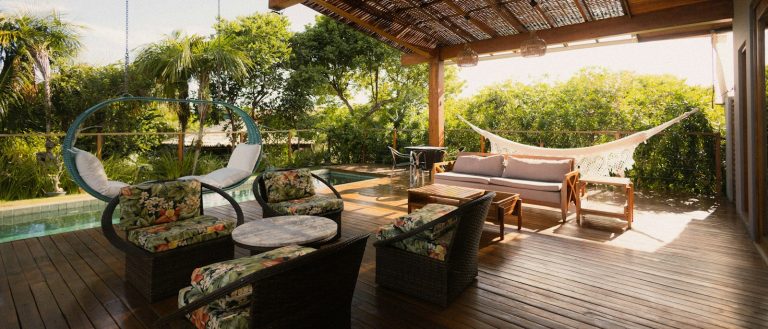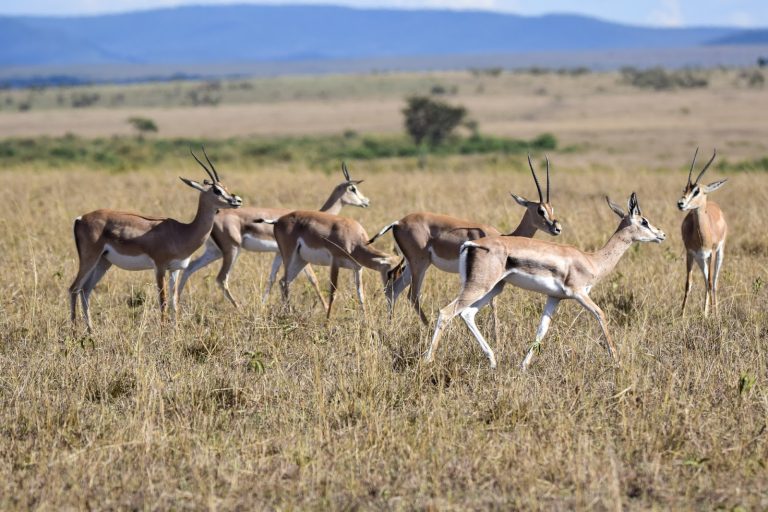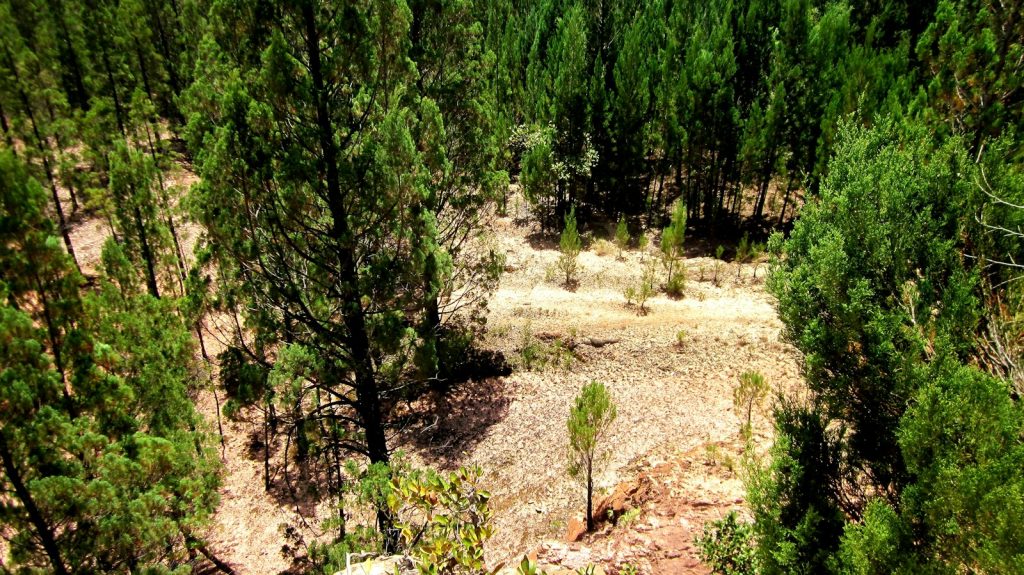
Mist hangs in the canopy at first light. Somewhere above you a troop of black-and-white colobus crashes through the branches, a turaco calls with a deep, rolling croak, and the air smells of wet leaves and old trees. Your forest guide stops, points up and whispers: there, a red-tailed monkey, watching you back.
Kakamega Forest lodges are simple, comfortable bases rather than five-star safari camps. Inside the forest you can stay at the KWS guest houses at Isukuti and Udo in the northern reserve or at the historic Rondo Retreat Centre in the south. For a pool and full hotel service, Golf Hotel Kakamega is about 18 km away in town.
Sense of Adventure is a Nairobi-based safari company at Mountain Mall on Thika Road, licensed by Kenya’s Tourism Regulatory Authority (TRA1/47/C01/77087). We plan luxury Kenya safaris and birding trips that reach the parts of Kenya most visitors miss. This guide covers Kakamega accommodation honestly, with trade-offs, the people who guide you, the best months, fees and a sample plan.
✅ Kakamega Forest Lodges: The Quick Answer
- Top pick overall: Rondo Retreat Centre, a 1940s forest house in the southern forest near Isecheno, with gardens, full board and dawn walks.
- Best for couples: KWS Udo Guest House, four self-catering units for two inside the northern national reserve.
- Best for families: KWS Isukuti Guest House, four self-catering units that sleep three each, in the Buyangu area.
- Best value luxury: Golf Hotel Kakamega, 60 rooms with a pool, if you prefer hotel comfort and day visits.
- Best time to go: December to February and June to September, the drier spells in a forest that sees rain all year.
🌿 Dreaming of Kenya’s Rainforest?
Tell us whether you want to sleep inside the forest or in town, and how keen a birder you are. We will plan the right Kakamega stay and a local forest guide.
🦜 Plan My Kakamega Stay or call +254 799 160 081Why Stay at Kakamega Forest Lodges?
Kakamega Forest lodges let you wake up inside Kenya’s only tropical rainforest, a habitat unlike anything on the classic safari circuit.
The Kenya Wildlife Service calls Kakamega Kenya’s only tropical rainforest and the last remnant of the Guineo-Congolian rainforest in the country. UNESCO’s tentative list entry describes it as the easternmost outlier of the Congo Basin forests. In other words, you are standing at the edge of a forest belt that reaches across central Africa.
According to KWS, the forest holds more than 300 bird species, over 400 butterflies, more than 380 tree species and about seven primate species, including De Brazza’s monkey. Many of these birds and monkeys are found nowhere else in Kenya.
The honest trade-off: Kakamega Forest lodges are modest, and the forest is a long way from Nairobi. If you want high-end comfort as well, stay in town or combine Kakamega with a luxury camp elsewhere. Our Kakamega Forest National Reserve guide covers the forest itself in more depth.
Two Forests in One: North and South
Kakamega is managed in two main parts, and which part you sleep in shapes your stay.
For Kakamega Forest lodges, the key split is this: the northern block around Buyangu is the Kakamega Forest National Reserve, run by KWS. KWS gives its area as about 4,468 hectares and says it was first gazetted as a trust forest in 1933 and as a national reserve in 1985. The KWS guest houses are here.
The southern forest around Isecheno is managed by the Kenya Forest Service. Rondo Retreat Centre, the southern Kakamega Forest lodges and community guides work from this side. Both halves are rich in birds and primates, and many visitors spend a day in each.
Expert tip from our Nairobi team: if you only have one full day, start at dawn in one block and spend the afternoon in the other. Forest birds are most active early, and you double your chances of seeing the specialities.
The Best Kakamega Forest Lodges and Places to Stay
Here are the Kakamega Forest lodges and nearby stays we can confirm from official or reliable sources, from simple forest cottages to a town hotel.
1. Rondo Retreat Centre: The Classic Rainforest Lodge Kenya Birders Love
Why we love it: Rondo is a forest house built in 1948 by a sawmiller beside a giant Elgon olive tree, according to the Nation. It later passed to a Christian trust and is run by Trinity Fellowship. Of all the Kakamega Forest lodges, it has the most character, with gardens that run straight into the trees.
Best for: birders, seniors and couples who like peace and history. The moment you’ll remember: a dawn walk up to Lirhanda Hill for sunrise over the canopy, with turacos and colobus in the trees around the gardens.
Practical facts: Rondo sleeps up to about 35 guests in single, double and triple rooms on half or full board. It is a Christian retreat with no alcohol served and no picnics in the grounds. Rondo has no official website, so we confirm availability, rooms and rates directly before booking. Message us for current rates.
2. KWS Isukuti Guest House: Self-Catering Inside the National Reserve
Why we love it: Isukuti puts you inside the northern reserve, a short walk from the trails. KWS lists four self-catering units, each sleeping three, with a double and a single bed, a kitchen, fridge, gas cooker and TV, and a caretaker on site.
Best for: families and small groups who are happy to cook. The moment you’ll remember: hearing the forest wake up from your own veranda before the first visitors arrive.
Practical facts: the KWS 2025 rate card lists Isukuti at USD 60 per unit per night for non-residents (2025 rate, varies; 2026 rates to be confirmed). Bookings go through KWS reservations. Bring or buy supplies in Kakamega town, or ask us to arrange a cook.
3. KWS Udo Guest House: Simple Cottages for Two
Why we love it: Udo Guest House, previously marketed as Udo’s Bandas, offers four self-catering units for two people each, close to the Udo campsite in the northern reserve. It is the most affordable rainforest lodge Kenya offers inside a national reserve, and the simplest way to sleep among the trees.
Best for: couples, students and budget-minded birders. The moment you’ll remember: a guided night walk with a forest guide, looking for chameleons, bushbabies and forest frogs.
Practical facts: the KWS 2025 rate card lists Udo at USD 50 per unit per night for non-residents (2025 rate, varies). KWS also runs the Udo and Biota public campsites, with water, toilets and a kitchen area. Like most Kakamega Forest lodges, expect simple comforts and limited power.
4. Golf Hotel Kakamega: Kakamega Accommodation With a Pool
Why we love it: if you prefer hotel comfort, the Magical Kenya listing for Golf Hotel Kakamega describes 60 rooms including two suites, a swimming pool, a children’s pool, the Turaco Restaurant and airport transfers. It is about 18 km from the forest.
Best for: families, seniors and travellers who want a full hotel with day trips into the forest. The moment you’ll remember: a cool swim after a humid morning on the forest trails.
Practical facts: the hotel is owned by Kakamega County and the Kenya Development Corporation and listed as three-star. It is not a safari lodge, so you drive into the forest for walks. Rates are not published on an official site, so message us for current rates.
5. Isecheno Guest Houses and Homestays
Why we include them: around the Isecheno forest station in the south, the local guide association lists a small guest house, a campsite, a community homestay and a forest resort within walking distance of the trails.
Best for: travellers who want the most local of the Kakamega Forest lodges, a community experience and the lowest prices. Our advice: standards vary, and the old KFS Forest Rest House has been closed for renovation, so we check each place before suggesting it.
Kakamega Forest Lodges Compared
This table compares the Kakamega Forest lodges and nearby stays at a glance. Price bands run from $ (simple) to $$$$$ (top end).
| Lodge | Setting | Style and size | Best for | Signature experience | Price band |
|---|---|---|---|---|---|
| Rondo Retreat Centre | South forest, near Isecheno (KFS) | 1940s house, up to about 35 guests, full board | Birders, seniors | Lirhanda Hill sunrise walk | $$ |
| KWS Isukuti Guest House | North reserve, Buyangu (KWS) | 4 self-catering units, sleep 3 each | Families, groups | Early trails from the door | $ |
| KWS Udo Guest House | North reserve (KWS) | 4 self-catering units for 2 | Couples, budget | Night walks | $ |
| Golf Hotel Kakamega | Kakamega town, 18 km | 60 rooms, pool, 3-star | Families, comfort seekers | Pool after forest walks | $$ |
| Isecheno guest houses | South forest edge | Small guest houses, homestay | Community travellers | Local village life | $ |
🌳 Forest Cottage, Retreat or Town Hotel?
Rondo suits birders who want character, the KWS houses suit families who cook, and Golf Hotel suits anyone who wants a pool. Tell us how you travel and we will pick the right base.
🧭 Choose My Forest Base📅 Check Availability at These Lodges
Kakamega Forest lodges are small, and Rondo is popular with groups and retreats, so dates can fill early. ✉ Send Us Your Dates on WhatsApp
The People Behind the Stay
At Kakamega Forest lodges, the stars of your stay are the local forest guides, rangers and foresters who know every trail and call.
Many guides belong to the Kakamega forest guide association, whose community-run website describes itself as an initiative of the reserve’s guides. They grew up in the villages around the forest and can identify birds by call, find chameleons on a leaf and explain which trees the community uses for medicine.
KWS rangers protect the northern reserve, and Kenya Forest Service officers manage the southern forest. The forest is surrounded by farmland and some of Kenya’s most densely settled countryside, so the people who live on its edge are central to its future.
Staying at Kakamega Forest lodges and paying for an official guide, a reserve entry fee and a night inside the forest is one of the most direct ways to show that a standing forest is worth more than cleared land. Your visit supports guiding jobs, local suppliers and the agencies that patrol the trails.
Expert tip from our Nairobi team: always walk with an official guide. Trails are not always signed, the forest is easy to get lost in, and a guide will show you ten times more than you would see alone.
Kakamega Birding and Forest Experiences
Kakamega birding and primate walks are the reason to come, and Kakamega Forest lodges are set up around early starts and guided trails.
Kakamega Birding: Turacos, Hornbills and Forest Specials
With more than 300 species recorded, Kakamega birding is very different from savannah birding. You listen first and look second, as your guide picks out calls in the canopy. Turacos, hornbills and many West African species are the prizes. Read our Kenya birding safari 2027 guide for wider planning.
Primates and Night Walks
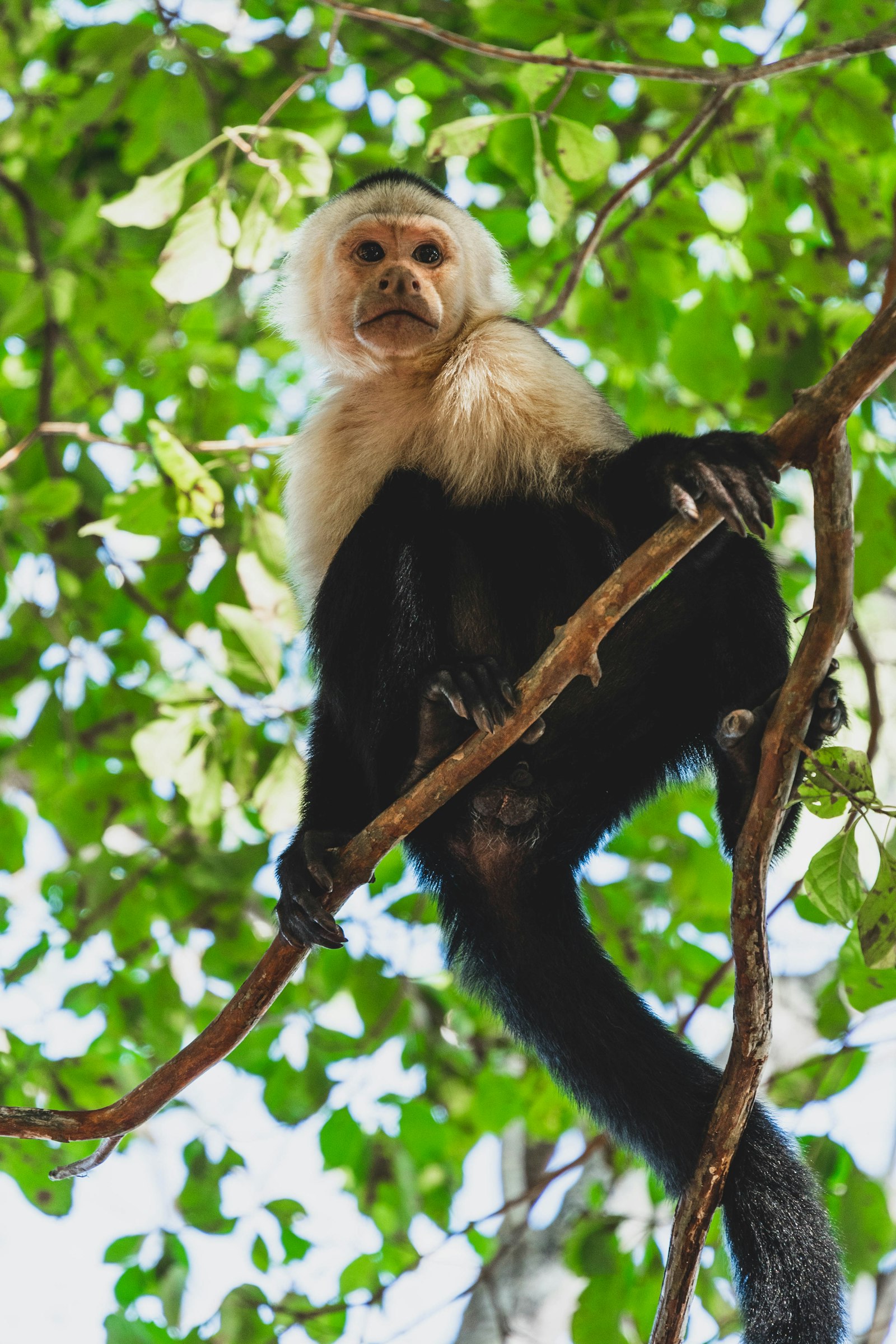
Around Kakamega Forest lodges, black-and-white colobus and red-tailed monkeys are common, while De Brazza’s monkey is present in smaller numbers. Night walks reveal bushbabies, chameleons and insects that hide by day. Ask your guide which trails are best at dusk.
Hills, Butterflies and Trees Near Kakamega Forest Lodges
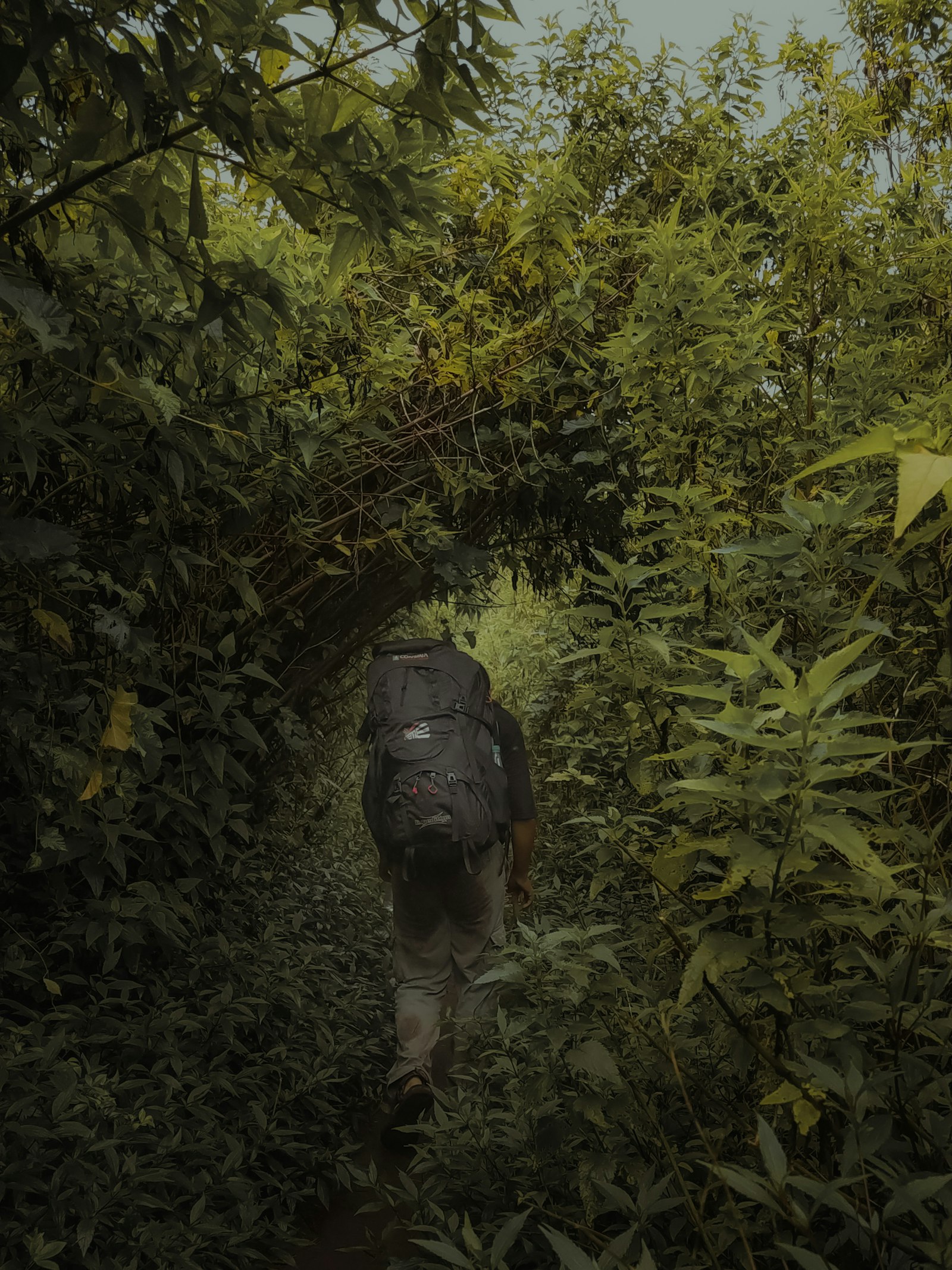
From Kakamega Forest lodges in the south, a short climb to Lirhanda Hill gives you views over the canopy at sunrise. On sunny mornings, the trails flicker with butterflies, and your guide will show you giant trees and their uses.
Choosing Kakamega Forest Lodges by Traveller Type
The right choice among the Kakamega Forest lodges depends on whether you want character, privacy or hotel comforts.
- Honeymooners and couples: Rondo for gardens and quiet evenings, or Udo for a simple cottage. For romance elsewhere, see our best honeymoon lodges in Kenya.
- Families: Isukuti’s three-bed units or Golf Hotel’s pools.
- Photographers and birders: Rondo or Isukuti, so you are on the trails at first light.
- Seniors: Rondo, with meals provided and gentle garden walks, or Golf Hotel with day visits.
- Celebration groups: Rondo’s larger capacity suits a group, with notice.
Not sure about canvas or walls? Our tented camp vs lodge guide explains the styles, and our eco-lodges guide covers more low-impact stays.
How We’d Plan It: 4 Nights From Kisumu to the Rainforest
Kakamega Forest lodges are easiest to reach by flying to Kisumu, and they combine well with Lake Baringo or the Masai Mara.
- Day 1: fly from Nairobi to Kisumu and drive north to the forest, with a late-afternoon walk.
- Day 2: dawn birding in the northern reserve, a rest at midday and a night walk.
- Day 3: Lirhanda Hill sunrise and the southern trails around Isecheno.
- Day 4: drive east to Lake Baringo lodges for boat birding, or south towards the Mara.
- Day 5: continue to the Masai Mara or return to Nairobi.
Prefer a ready-made route? Our 8-day Kenya birding tour links the Rift Valley lakes, Kakamega and the Masai Mara with a specialist bird guide, from USD 2,050 per adult sharing. We can build any of these lodges into a tailor-made private Kenya safari, subject to availability. See also our Kenya safari from Nairobi page and Masai Mara safari packages.
Best Time to Visit Kakamega Forest Lodges
Kakamega Forest lodges are open all year, but December to February and June to September are usually the drier, easier months for walking.
- December–February: drier spells, good walking and Palearctic migrant birds.
- March–May: the heaviest rains; trails turn muddy but the forest is lush and quiet.
- June–September: generally drier, with active birds and comfortable temperatures.
- October–November: more rain returns; afternoon storms are common.
Rain can fall in any month at Kakamega Forest lodges, so plan walks for the morning, when showers are less likely. Our Kenya weather by month guide has more detail.
🗓 Lock In Your Rainforest Dates
The two KWS guest houses have only eight units between them, and Rondo is popular with groups. Send us your dates for a written quote with flights to Kisumu, guides and reserve fees.
📝 Get My Kakamega QuoteGetting There and Reserve Fees
Most guests reach Kakamega Forest lodges by flying to Kisumu and driving north, or by a long drive from Nairobi.
By Air and Road
KWS gives the road distance from Nairobi to the reserve as 418 km via Nakuru and Kapsabet, and the reserve is 18 km from Kakamega town. KWS suggests flying to Kakamega, Kisumu or Eldoret and transferring by road. If you fly, check our safari luggage weight limits guide.
Kakamega Forest National Reserve Fees
Under the KWS fees regulations in Legal Notice No. 160 of 2025, effective from 1 October 2025, non-resident adults pay USD 50 and children or students USD 25 per day. KWS vehicle fees and guide fees are extra, and the southern KFS forest charges its own entry. See our Kenya national parks entrance fees 2026 guide.
What Is Included and What to Pack
What is included at Kakamega Forest lodges ranges from full board at Rondo to self-catering at the KWS houses.
Ask whether meals, guides and reserve fees are included. Our full board vs all-inclusive guide explains the terms. We include guides and fees in our written quotes for Kakamega Forest lodges.
- A light waterproof jacket and quick-dry clothing.
- Closed walking shoes or boots with good grip for muddy trails.
- Binoculars and a field guide to East African birds.
- Insect repellent and malaria advice from your doctor.
- A head torch for night walks and a dry bag for your camera.
Kakamega Forest lodges are a long way from major hospitals, so make sure your insurance includes emergency evacuation cover, and read the UK government Kenya travel advice.
Kakamega Forest Lodges FAQs
Are there luxury lodges in Kakamega Forest?
There are no five-star luxury lodges inside Kakamega Forest. The options are simple and comfortable: the KWS Isukuti and Udo guest houses in the northern reserve, the historic Rondo Retreat Centre in the south and local guest houses. For hotel comfort with a pool, Golf Hotel Kakamega is about 18 km away.
Where is the best place to stay in Kakamega Forest?
For birders and nature lovers, Rondo Retreat Centre in the southern forest has the most character and serves meals, while the KWS Isukuti Guest House puts you inside the northern national reserve. Families who want a pool may prefer Golf Hotel Kakamega and day trips into the forest.
How much is the entrance fee to Kakamega Forest?
Under KWS fees regulations effective from 1 October 2025, non-resident adults pay USD 50 and children or students USD 25 per day to enter Kakamega Forest National Reserve. Kenyan citizens and residents pay shilling rates. Vehicle and guide fees are extra, and the southern KFS forest has its own charge.
How do you get to Kakamega Forest from Nairobi?
KWS gives the road distance from Nairobi as 418 km via Nakuru and Kapsabet, so most travellers fly to Kisumu instead and drive north. The reserve is 18 km from Kakamega town. KWS also mentions flights to Kakamega and Eldoret, followed by a road transfer to the forest.
What animals can you see in Kakamega Forest?
Kakamega is famous for primates and birds. KWS records about seven primate species, including black-and-white colobus, red-tailed monkeys and De Brazza’s monkey, plus more than 300 bird species, over 400 butterflies and 36 snakes. Night walks from Kakamega Forest lodges can reveal bushbabies and chameleons.
How many days do you need in Kakamega Forest?
Two nights is the ideal minimum. It gives you one full day for dawn birding in the northern reserve and a night walk, plus time for Lirhanda Hill and the southern trails. Keen birders often stay three nights to find the forest specialities found nowhere else in Kenya.
Is Kakamega Forest worth visiting?
Yes, if you enjoy birds, primates and walking. Kakamega is Kenya’s only tropical rainforest and the easternmost outlier of the Congo Basin forests, so it holds species you will not see on a savannah safari. It is less suited to travellers who only want the Big Five or high-end lodges.
🏕 Plan Your Luxury Safari With Sense of Adventure
Kenya-based experts. Real local knowledge. Transparent pricing.
Tell us which of the Kakamega Forest lodges caught your eye, and we will plan your guides, flights and walks, then link them to Baringo or the Masai Mara.
💬 Start My Rainforest Trip ✉ Email Us About KakamegaCall or WhatsApp: +254 799 160 081 · Email: info@senseofadventure.co.ke
Related Safari Guides
- › Kakamega Forest National Reserve Guide
- › Lake Baringo Lodges
- › Kenya Birding Safari 2027
- › Migratory Birds of Kenya
- › Eco-Lodges and Sustainable Safari Camps
Official travel & park resource: Kenya Wildlife Service ↗ · Magical Kenya ↗