The sky is turning from grey to pink when you climb onto the viewing platform. Below you, the waterhole is still. Then, out of the whistling thorn, comes a gerenuk, standing on its hind legs to reach the leaves. Far beyond it, the clouds pull back and the snow dome of Kilimanjaro floats above the plain. Your Maasai guide hands you a mug of coffee and whispers that elephants came to drink here just before dawn.
Selenkay Conservancy is a private, unfenced conservancy of about 12,500 acres on Maasai land north of Amboseli National Park, in Kajiado County, Kenya. Set up in 1997, it offers Kilimanjaro views, elephants, lions, cheetahs and dry-country species such as gerenuk and lesser kudu, with walks and night drives and no crowds.
Sense of Adventure is a Nairobi-based safari company at Mountain Mall on Thika Road, licensed by Kenya’s Tourism Regulatory Authority (TRA1/47/C01/77087). We run Amboseli safaris from Nairobi throughout the year, and the Selenkay Conservancy is our answer for travellers who want Amboseli’s mountain and elephants with walking, night drives and real quiet. This guide covers the land and its owners, wildlife and honest odds, things to do, fees, access, seasons, rules, where to stay and a sample itinerary. For the park next door, read our Amboseli National Park guide.
Table of Contents
✅ Selenkay Conservancy: The Quick Answer
- Where: on the Eselenkei Group Ranch north of Amboseli National Park, about 45 minutes’ drive from the park.
- Best for: Kilimanjaro views, elephants, cheetah, gerenuk, walks with Maasai guides, night drives and a private-feeling safari.
- Best time: June to October and January to March; the camp closes from mid-April to the end of May.
- Entry fee: no public conservancy fee is published; it is built into the camp rate. Amboseli park fees apply if you drive into the park.
- How long to stay: two to three nights, with a full day in Amboseli National Park.
- Getting there: about four hours by road from Nairobi via Emali, or a 45-minute light-aircraft flight.
🏔 Amboseli Elephants Without the Crowds?
Tell us your dates and we will plan your Selenkay stay, with Kilimanjaro mornings, walks and a full day in Amboseli.
🐘 Plan My Selenkay StayPrefer to talk first? 💬 WhatsApp Us Now or call +254 799 160 081
What Is the Selenkay Conservancy?
The Selenkay Conservancy is Maasai community land that is leased for low-impact tourism, so wildlife can use it while landowners earn a steady income.
It lies on the Eselenkei Group Ranch, which covers nearly 190,000 acres and has more than 3,400 registered members, according to a 2023 land-use report published by Kenya’s National Environment Management Authority. Within the ranch, about 12,500 acres are set aside as the conservancy. It was created in 1997 by the Maasai community and the safari company Gamewatchers, and it is often described as one of Kenya’s first conservancies where a safari company leased community land outside a national park.
Part of the Amboseli ecosystem
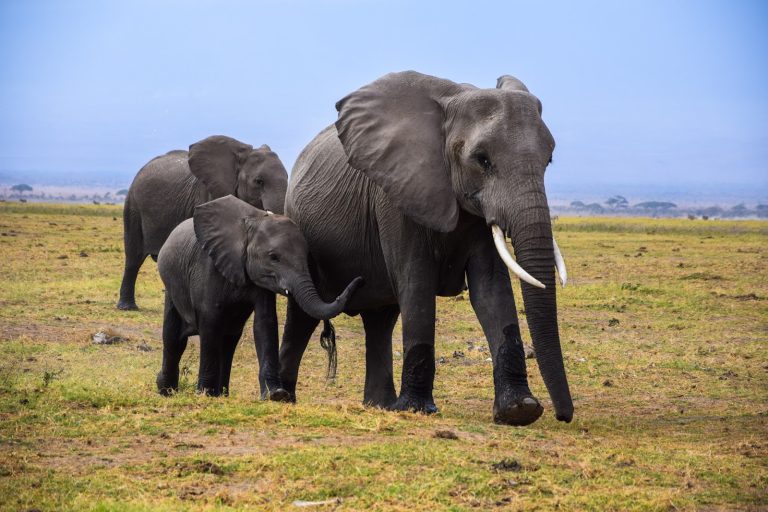
Amboseli National Park is small, and most of its animals spend much of the year outside it. The Selenkay Conservancy is part of that wider Amboseli ecosystem, a dispersal area where elephants, zebra and wildebeest move to find grass. Elephants returned to the area after an absence of about 20 years, a sign that protection is working.
The landscape
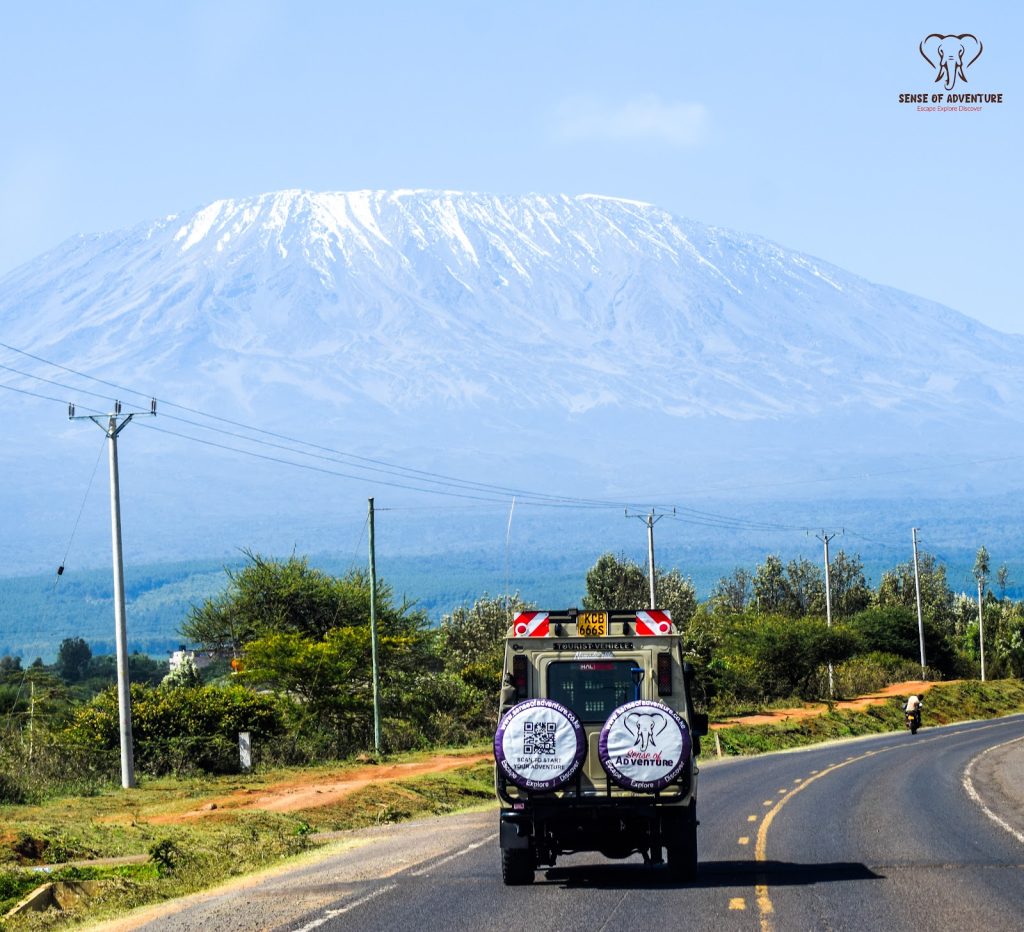
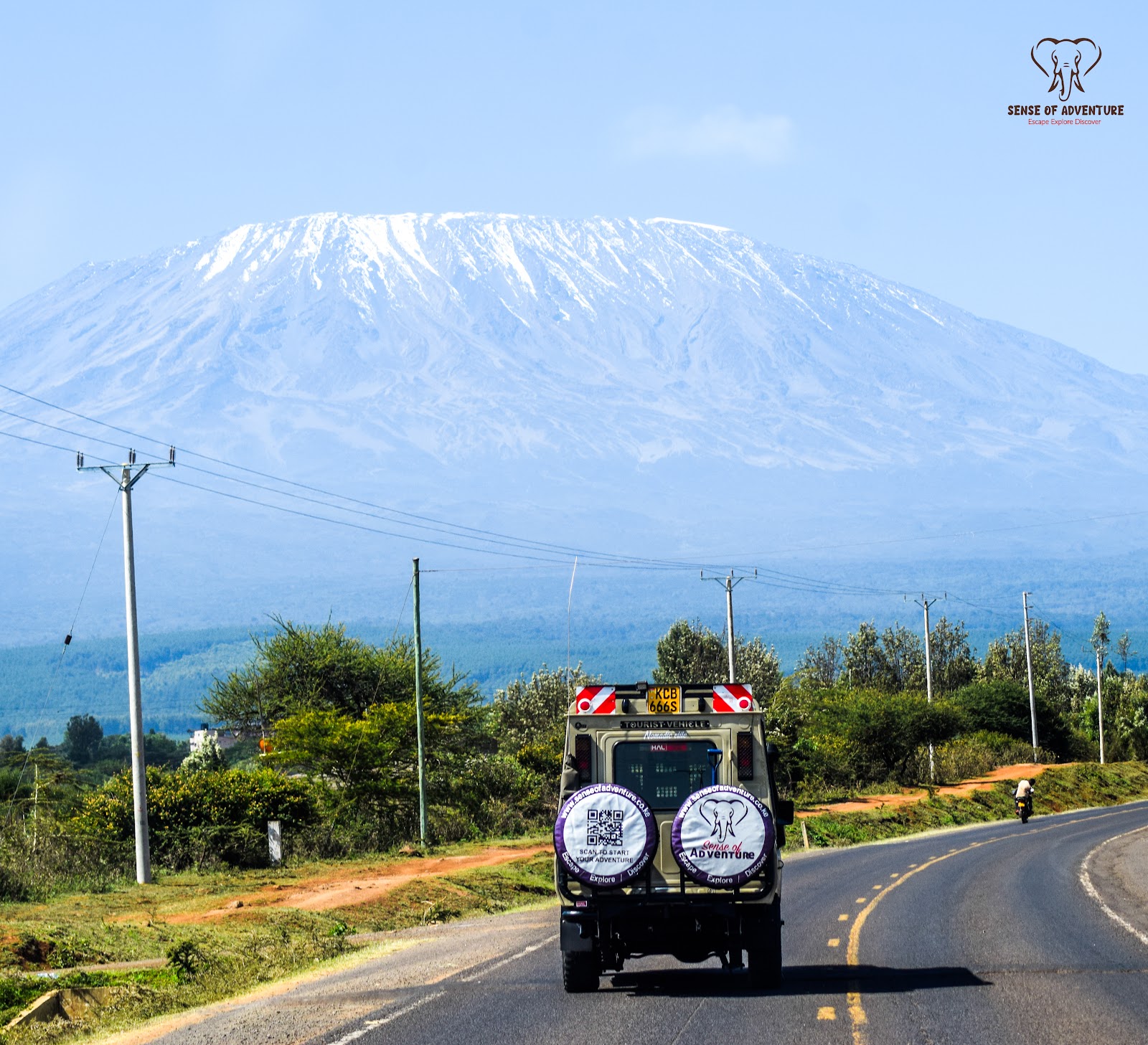
This is semi-arid country of acacia bush and open glades. On clear days, especially early and late, Kilimanjaro rises over the plains. The camp’s waterhole and viewing platform make an easy place to watch animals come and go.
The Maasai Landowners of the Selenkay Conservancy
The Selenkay Conservancy belongs to Maasai families of the Eselenkei Group Ranch, and their income from tourism is what keeps the land open for wildlife.
The model is simple. The safari camp pays the community for the use of the land and a fee for each guest night. It also pays for a warden and rangers to protect the area. Published figures show cash payments to the community of about US$308,000 in 2023, US$352,000 in 2024 and US$423,000 in 2025. In 2025 the programme won the title World’s Leading Conservation Programme at the World Sustainable Travel and Hospitality Awards.
Guides from the community
Many guides and staff come from the surrounding villages, and Maasai warriors lead the walks. In 2025 a guide who grew up in Selenkay graduated with distinction from the Wildlife Tourism College of Maasai Mara, the former Koiyaki Guiding School, on a scholarship from the camp’s owners. That is the kind of local career your stay supports.
How your fees help
Tourism income here funds school, health and water projects, as well as ranger salaries. To learn more about how this kind of arrangement works, read our guide to eco-lodges and how conservation fees work in Kenya.
Expert tip from our Nairobi team: book the village and school visit with an open mind and a few questions ready. Ask how the lease money is shared and what families have built with it. It turns a cultural visit into a real conversation.
Wildlife in the Selenkay Conservancy: What You Will See
The Selenkay Conservancy mixes Amboseli’s big game with dry-country species that are hard to find inside the park.
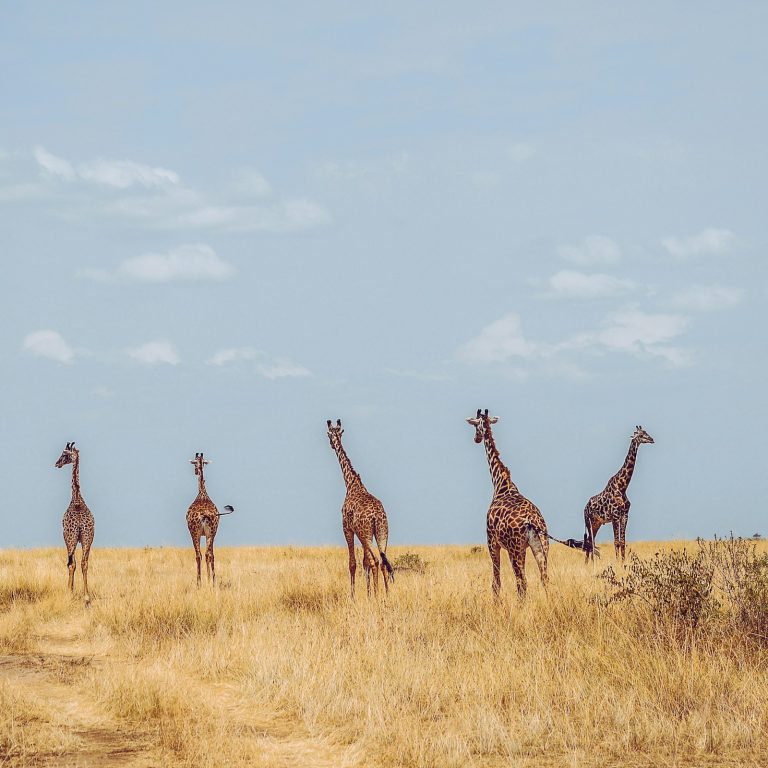
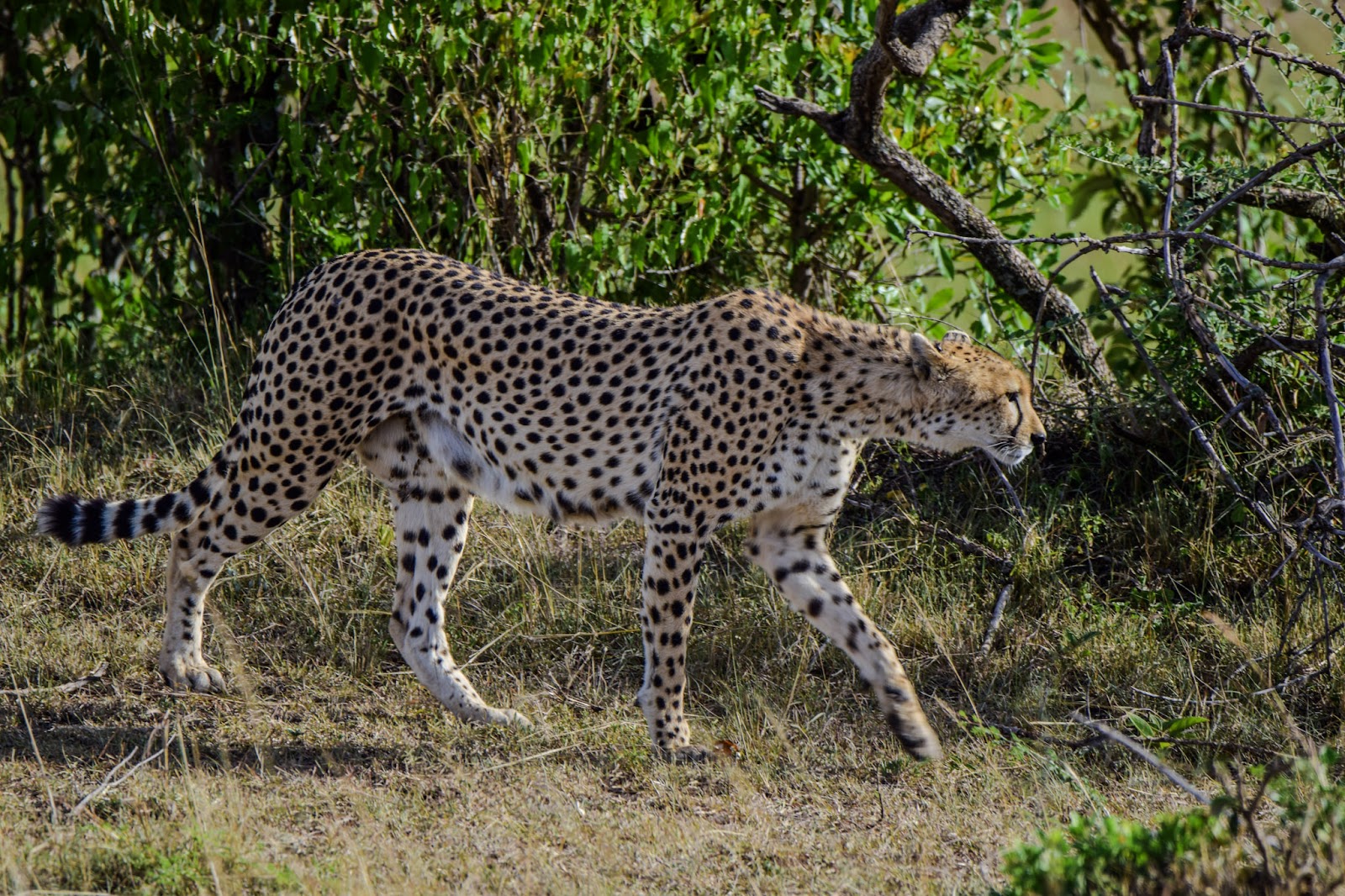
The conservancy lists lion, cheetah, leopard, elephant, giraffe and zebra, as well as Thomson’s and Grant’s gazelle, gerenuk, lesser kudu and bat-eared fox. Other sources add striped hyena, caracal and African wild cat. Wildlife moves with the seasons, so numbers rise when the rains bring fresh grass and fall when animals head for the Amboseli swamps.
Honest sighting odds in the Selenkay Conservancy
| Species | Chance on a 3-night stay | Notes |
|---|---|---|
| Giraffe and zebra | Very high | Seen on most drives |
| Thomson’s and Grant’s gazelle | Very high | Open glades |
| Gerenuk | High | A Selenkay speciality in the bush |
| Elephant | Good to high | More common in the wet season; very likely in nearby Amboseli |
| Lion | Fair to good | Present but wide-ranging |
| Cheetah | Fair | Open areas; sightings vary |
| Lesser kudu | Fair | Shy; best early morning |
| Bat-eared fox | Fair | Often near dens at dawn and dusk |
| Leopard | Low to fair | Best chance on night drives |
| Striped hyena and caracal | Low | Nocturnal and rare; a real bonus |
These are our honest estimates, not promises. For big elephant herds, your full day in Amboseli National Park fills the gap. See our comparison of Masai Mara vs Amboseli if you are choosing where to focus.
Birds
Over 200 bird species have been recorded in the conservancy, and the wider Amboseli area holds many more. Look for hornbills, starlings, rollers, bustards and birds of prey in the bush, and visit the park’s swamps for waterbirds.
Things to Do in the Selenkay Conservancy
The Selenkay Conservancy is private land, so you can walk, drive off-road and go out at night, none of which is allowed inside Amboseli National Park.
Game drives with few vehicles
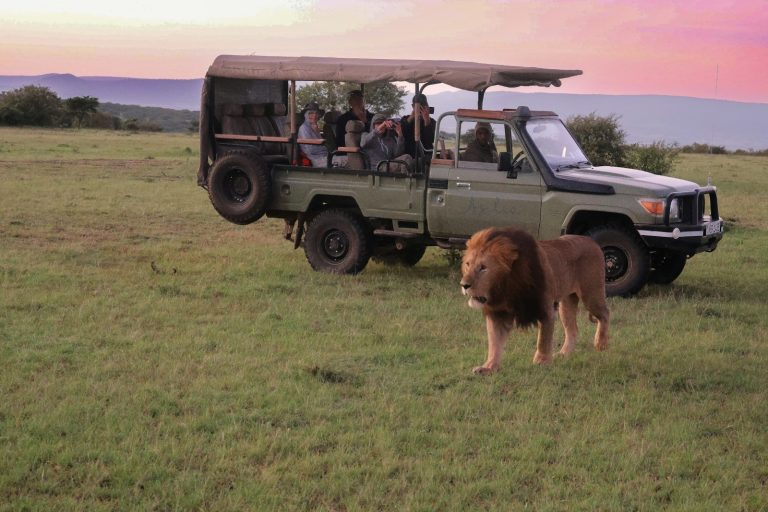
Drives use open 4×4 vehicles with a maximum of six guests each. The camp says it is the only camp in the conservancy and that no other tourist vehicles are allowed, so sightings are yours alone. Guides may drive off-road to get closer, following conservancy rules.
Walks with Maasai guides
Guided nature and bird walks show you tracks, dung, plants and insects you would never notice from a vehicle. Maasai guides explain how their families use the land and read the bush around them.
Night drives, sundowners and stars
After sunset, a spotlight drive may reveal bat-eared foxes, hyenas, genets and, with luck, a leopard. Evenings bring sundowners, bush meals and some of the clearest star-gazing in southern Kenya.
A full day in Amboseli National Park
Most stays include a full-day drive into the park, with its swamps, huge elephant herds and the classic view of Kilimanjaro over Lake Amboseli. Read our Amboseli National Park guide for what to expect.
🌙 Walks by Day, Spotlight by Night?
Tell us what you most want from Selenkay, from gerenuk on foot to a night drive or a village visit, and we will shape your days around it.
🔦 Design My Selenkay DaysGetting to the Selenkay Conservancy
You can reach the Selenkay Conservancy by road from Nairobi in about four hours, or by light aircraft in about 45 minutes.
By road
From Nairobi, take the Mombasa road to Emali, then turn south towards Amboseli. The camp gives the distance as about 200 km and the drive as roughly four hours, longer with stops. The last section is on rough tracks, so a 4×4 is best. See our Kenya safari from Nairobi guide for more ideas.
By air
Light aircraft reach the Selenkay airstrip, about ten minutes from camp, in roughly 45 minutes from Nairobi. Scheduled flights land at Amboseli’s main airstrip, about 90 minutes from camp by road. Ask us which works best for your dates, and pack soft bags within the safari luggage weight limits.
| Route | Typical time | Notes |
|---|---|---|
| Nairobi to Selenkay by road | About 4 hours | About 200 km via Emali |
| Flight to the Selenkay airstrip | About 45 minutes | About 10 minutes to camp |
| Scheduled flight to Amboseli airstrip | Check schedule | About 90 minutes to camp |
| Selenkay to Amboseli National Park | About 45 minutes | Longer with wildlife stops |
| Amboseli to Tsavo West | Several hours by road | Popular onward route |
Selenkay Conservancy Fees and Amboseli Park Fees 2026
The Selenkay Conservancy fee is not published separately; it is included in your camp rate, while Amboseli National Park charges its own KWS fees.
If you drive into Amboseli National Park, Kenya Wildlife Service fees apply for each 24-hour entry. The rates below come from the KWS fee regulations, Legal Notice 160 of 2025, in force from October 2025. Fees can change, so check before you travel and see our Kenya national parks entrance fees 2026 guide.
| Amboseli National Park visitor | Adult | Child or student |
|---|---|---|
| Non-resident | US$90 | US$45 |
| Kenya resident | KES 2,025 | See KWS schedule |
| East African citizen | KES 1,500 | See KWS schedule |
| Children aged 5 and under | Free | Free |
| Selenkay Conservancy fee | Included in camp rate | Included in camp rate |
📅 Get a Free, No-Obligation Safari Quote
Send us your dates and group size, and we will reply with a written Selenkay and Amboseli plan with camp, park fees and transfers shown.
✉ Send Us Your Dates on WhatsAppBest Time to Visit the Selenkay Conservancy
The best time to visit the Selenkay Conservancy is June to October for game and January to March for the clearest Kilimanjaro views.
The camp closes from 15 April to 31 May for the long rains. November and December bring short rains, green landscapes and migrant birds, and fewer visitors. Kilimanjaro is often hidden by cloud in the middle of the day, so early mornings are your best chance of a clear view. See Kenya weather by month for more.
| Months | Conditions | What to expect |
|---|---|---|
| January to March | Warm and mostly dry | Clear Kilimanjaro mornings; good game |
| Early April | Rains begin | Green and quiet |
| 15 April to 31 May | Long rains | Camp closed |
| June to October | Dry season | Peak game viewing; cool mornings |
| November to December | Short rains | Green landscapes, migrant birds, fewer visitors |
Expert tip from our Nairobi team: set an alarm for sunrise every day. Kilimanjaro is most likely to show itself in the first hour of light, and that is also when gerenuk and lesser kudu are most active.
Rules and Safety in the Selenkay Conservancy
The Selenkay Conservancy is wild, unfenced land, so all activities are guided and follow conservancy rules.
- Age limits: the camp welcomes children over 8.
- Guided only: walks and night drives are led by trained guides.
- Respect the community: ask before photographing people or homes.
- Keep your distance: never approach or feed wild animals.
- Drones: do not fly a drone without Kenyan permits and the conservancy’s consent.
- Health: take your doctor’s advice on malaria and use repellent in the evenings.
- Travel advice: read the latest UK Foreign Office advice for Kenya before you go.
What to pack for Selenkay and Amboseli
- Light, neutral clothes and a warm layer for early mornings and night drives.
- Comfortable closed shoes for walking.
- A hat, sunglasses and sunscreen; Amboseli can be dusty, so bring a buff or scarf.
- Binoculars, a zoom lens and a head torch.
- A soft bag if you fly in.
See our full what to pack for an African safari list.
Where to Stay in the Selenkay Conservancy
Porini Amboseli Camp is the main place to stay in the Selenkay Conservancy.
Porini Amboseli Camp has nine guest tents and one family tent, for a maximum of 18 guests. It is solar powered and holds a Gold eco-rating. Meals, activities and the conservancy fee are normally included. Another small camp linked to it has been listed in the past, but we could not confirm it is operating in 2026, so we check when you book. To compare other private stays in the area, read our Amboseli conservancy lodges guide.
⛺ Is Porini Amboseli Camp Right for You?
Tell us who is travelling and how you like to stay, and we will tell you honestly whether Selenkay or another Amboseli camp suits you best.
🏕 Help Me Choose My CampCombining the Selenkay Conservancy With Nearby Parks
The Selenkay Conservancy sits at the start of several classic southern Kenya routes.
- Kimana and the southern group ranches: more conservancy country; read our Kimana Wildlife Sanctuary guide.
- Chyulu Hills: green volcanic hills to the east; see our Chyulu Hills National Park guide.
- Tsavo West: Mzima Springs and lava country; read our Tsavo West National Park guide.
- Masai Mara: big cats and the migration; see our Masai Mara National Reserve guide.
- Shompole: walks and river tubing in the South Rift; read our Shompole Conservancy guide.
Sample 3-Day Selenkay Conservancy Itinerary
This plan shows a three-day Selenkay Conservancy safari by road from Nairobi.
- Day 1, Nairobi to Selenkay: drive via Emali, lunch at camp, an afternoon game drive and sundowners, then a night drive.
- Day 2, Amboseli National Park: early start for Kilimanjaro views, a full day in the park with its elephant herds and swamps, and a picnic lunch.
- Day 3, walk and return: dawn walk with Maasai guides, a village or school visit, then drive back to Nairobi or continue to Tsavo West.
Short on time? Our 2-Day Amboseli Safari from Nairobi and Amboseli Elephant Photographic Safari (4 Days) can be adapted to include Selenkay. Message us for a quote, or ask for a private Kenya safari or luxury Kenya safari.
How many days do you need in the Selenkay Conservancy?
Two or three nights in the Selenkay Conservancy is ideal: one day for the conservancy, one for Amboseli and time for a walk. Add a night if photography or birding is your focus. For a longer plan, read how many days you need on a Kenya safari.
Selenkay Conservancy FAQs
Where is Selenkay Conservancy?
Selenkay lies on the Eselenkei Group Ranch in Kajiado County, north of Amboseli National Park in southern Kenya. It is an unfenced part of the Amboseli ecosystem, about 45 minutes’ drive from the park and roughly 200 km, or four hours by road, from Nairobi.
How big is Selenkay Conservancy?
The conservancy covers about 12,500 acres, or roughly 5,000 hectares, within the much larger Eselenkei Group Ranch of nearly 190,000 acres. It was set up in 1997 by the Maasai landowners and a safari company, which leases the land for low-impact tourism.
Can you see Kilimanjaro from Selenkay?
Yes. Kilimanjaro is visible from many parts of the conservancy when the weather is clear, usually in the early morning and late afternoon. January to March often gives the clearest views. The mountain is frequently hidden by cloud in the middle of the day.
What animals can you see in Selenkay Conservancy?
Selenkay has elephant, lion, cheetah, leopard, giraffe, zebra, Thomson’s and Grant’s gazelle, gerenuk, lesser kudu and bat-eared fox, with striped hyena and caracal seen more rarely. Over 200 bird species are recorded. Elephants are most reliable on a day in nearby Amboseli National Park.
Can you do night drives and walks in Selenkay?
Yes. Because Selenkay is a private conservancy, guests can take guided walks with Maasai guides, night drives and off-road drives, none of which are allowed in Amboseli National Park. Vehicles carry a maximum of six guests, and the camp says no other tourist vehicles use the conservancy.
How do you get to Selenkay from Nairobi?
Drive about four hours via Emali on the Mombasa road, with a 4×4 for the last section. Or fly by light aircraft in about 45 minutes to the Selenkay airstrip, ten minutes from camp. Scheduled flights land at Amboseli’s main airstrip, about 90 minutes away by road.
When is Porini Amboseli Camp closed?
Porini Amboseli Camp closes from 15 April to 31 May each year for the long rains. It is open the rest of the year, with June to October best for game and January to March best for clear Kilimanjaro views. Children over 8 are welcome.
How much are Amboseli National Park fees in 2026?
Under KWS Legal Notice 160 of 2025, non-resident adults pay US$90 and children or students US$45 per 24-hour entry. Kenya residents pay KES 2,025 and East African citizens KES 1,500 per adult. Children aged 5 and under enter free. Check KWS before you travel.
🏕 Plan Your Selenkay Conservancy Safari With Sense of Adventure
Kenya-based experts. Real local knowledge. Transparent pricing.
We run Amboseli safaris from Nairobi throughout the year and know how to pair Selenkay’s walks and night drives with the best of the park. Tell us your dates and we will arrange your camp, transfers or flights and park days.
💬 Start My Kilimanjaro Safari✉ Email Our Amboseli TeamCall or WhatsApp: +254 799 160 081 · Email: info@senseofadventure.co.ke
💬 WhatsApp Us — Start Planning Today
Related Safari Guides
- › Amboseli National Park Guide
- › Amboseli Conservancy Lodges
- › Kimana Wildlife Sanctuary Guide
- › Chyulu Hills National Park Guide
- › Complete List of Kenya National Parks and Reserves
Official travel & park resource: Kenya Wildlife Service ↗ · Tourism board: Magical Kenya ↗ · Conservancies association: Kenya Wildlife Conservancies Association ↗