

Kenya and Tanzania safari animals include the Big Five, the fastest cat on Earth, the great herds of the migration and rare species found nowhere else in Africa. This guide introduces 20 of them with a photo and a short description each, and shows the parks where you have the best chance of seeing every one.
Sense of Adventure is a safari operator based at Mountain Mall on Thika Road in Nairobi and licensed by Kenya’s Tourism Regulatory Authority. We plan private safaris across Kenya and Tanzania in our own pop-up roof 4×4 Land Cruisers with English-speaking driver-guides. Use this page as your field guide to Kenya and Tanzania safari animals: pick the animals you most want to see, note the parks beside them, and we will build a route that puts you in the right place at the right time.
Kenya and Tanzania Safari Animals at a Glance
- Big Five: lion, leopard, elephant, Cape buffalo and rhino. The Masai Mara, the Serengeti and the Ngorongoro Crater give the best chance of all five on one trip.
- Big cats: lions and cheetahs are most reliable on the open plains of the Mara and the Serengeti; leopards reward patient searching along rivers and rocky outcrops.
- The Great Migration: wildebeest and zebras move between the Serengeti and the Masai Mara, usually reaching the Mara from about July to October.
- Rare northern species: reticulated giraffe, beisa oryx, Grevy’s zebra and gerenuk live in Samburu and northern Kenya.
- Primates: wild chimpanzees live in western Tanzania’s Gombe Stream and Mahale Mountains.
- Best overall months: the dry seasons, roughly June to October and January to February, when animals gather near water.
Have a list of animals you dream of seeing? Send it to us and we will match each one to the parks and months that give you the best chance.
Match My Wildlife Wish ListHow to Use This Guide to Kenya and Tanzania Safari Animals
Each of the Kenya and Tanzania safari animals below has a photo, a short description of what makes it special and the parks where guides find it most often. Wildlife is wild, so no sighting can be promised, but choosing the right parks and giving yourself enough time changes your odds more than anything else. For the full picture of every park in the region, see our East Africa national parks guide.
The Big Five
The Big Five began as a hunting term for the five animals hardest to hunt on foot; today it is simply the most famous checklist of Kenya and Tanzania safari animals. Our guide on why it is called the Big Five tells the story, and your real chances of seeing the Big Five in Kenya are set out park by park.
1. Lion
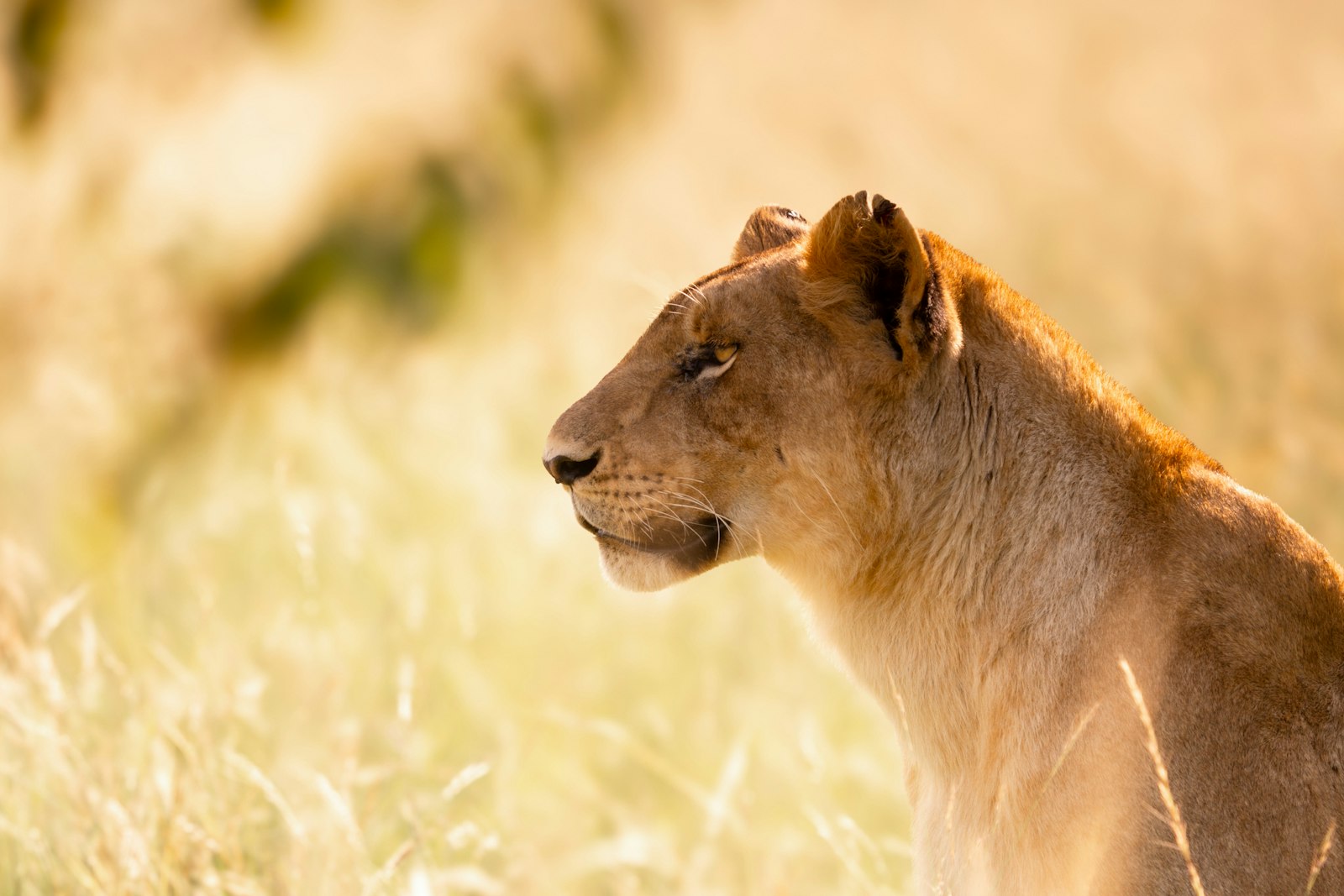
Lions are the only big cats that live in prides, groups of related females with their cubs and one or more resident males. Of all Kenya and Tanzania safari animals, lions draw the most questions from first-time guests. They rest for much of the day and come alive in the cool hours after dawn and before dusk, when hunting and the deep roars that carry across the plains are most likely. Males in Tsavo are known for short or patchy manes, while lions in Lake Manyara and parts of the Serengeti are sometimes seen lounging in trees.
Where to see lions: the Masai Mara and its conservancies in Kenya; the Serengeti and the Ngorongoro Crater in Tanzania, with Tsavo and Ruaha as wilder alternatives.
2. Leopard
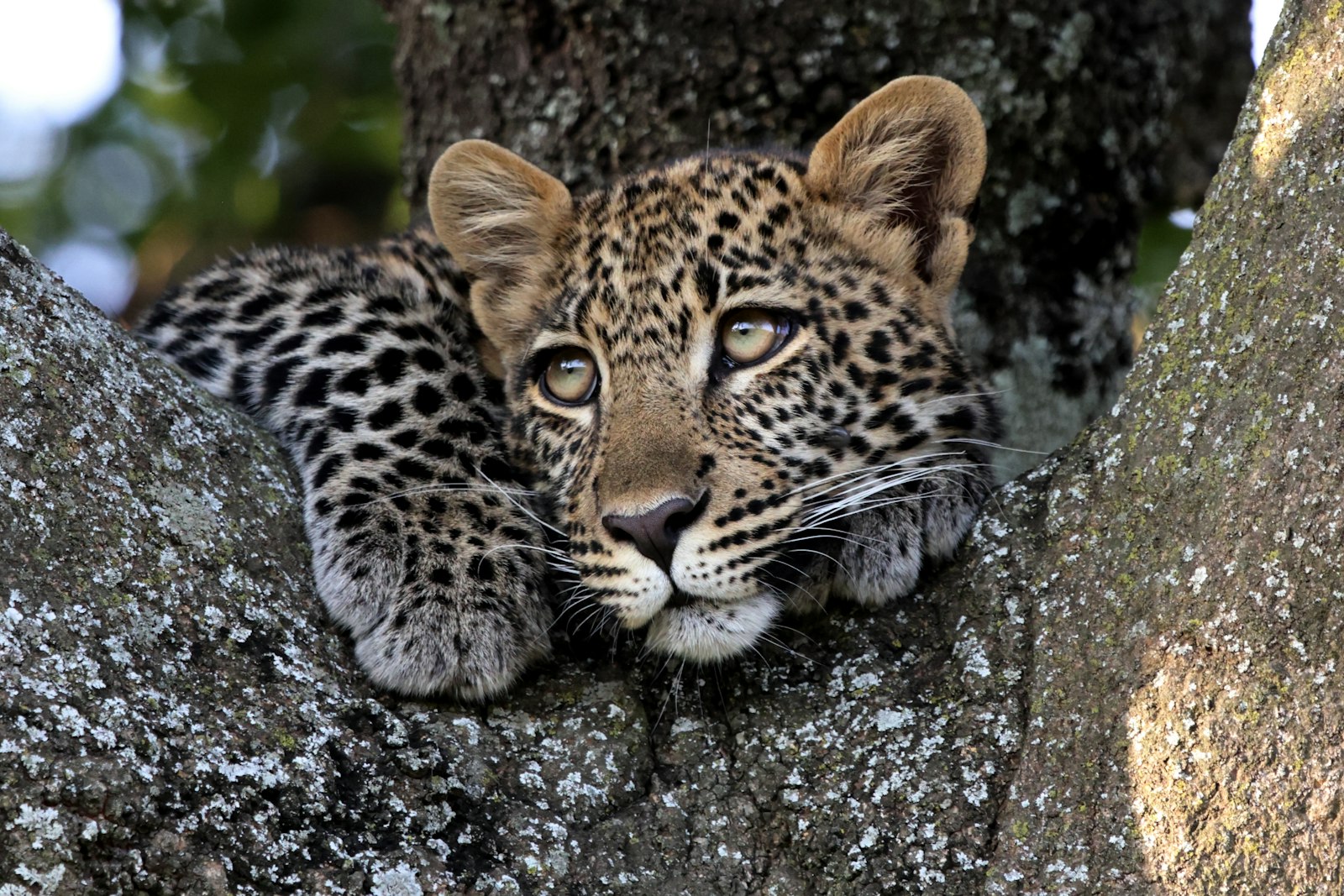
The leopard is the most secretive of the Big Five and the hardest of the Kenya and Tanzania safari animals to plan for. It lives alone, hunts mostly at night and often hauls its kill into a tree, out of reach of lions and hyenas. Spotted coats vanish in dappled shade, so sightings come from slow driving along rivers, scanning branches and rocky kopjes, and listening for alarm calls from monkeys and birds.
Where to see leopards: the riverine woodland of the Masai Mara, the Samburu river belt and the Seronera Valley in the central Serengeti. Conservancies that allow night drives add another chance; our guide to night drives on safari explains how they work.
3. African Elephant
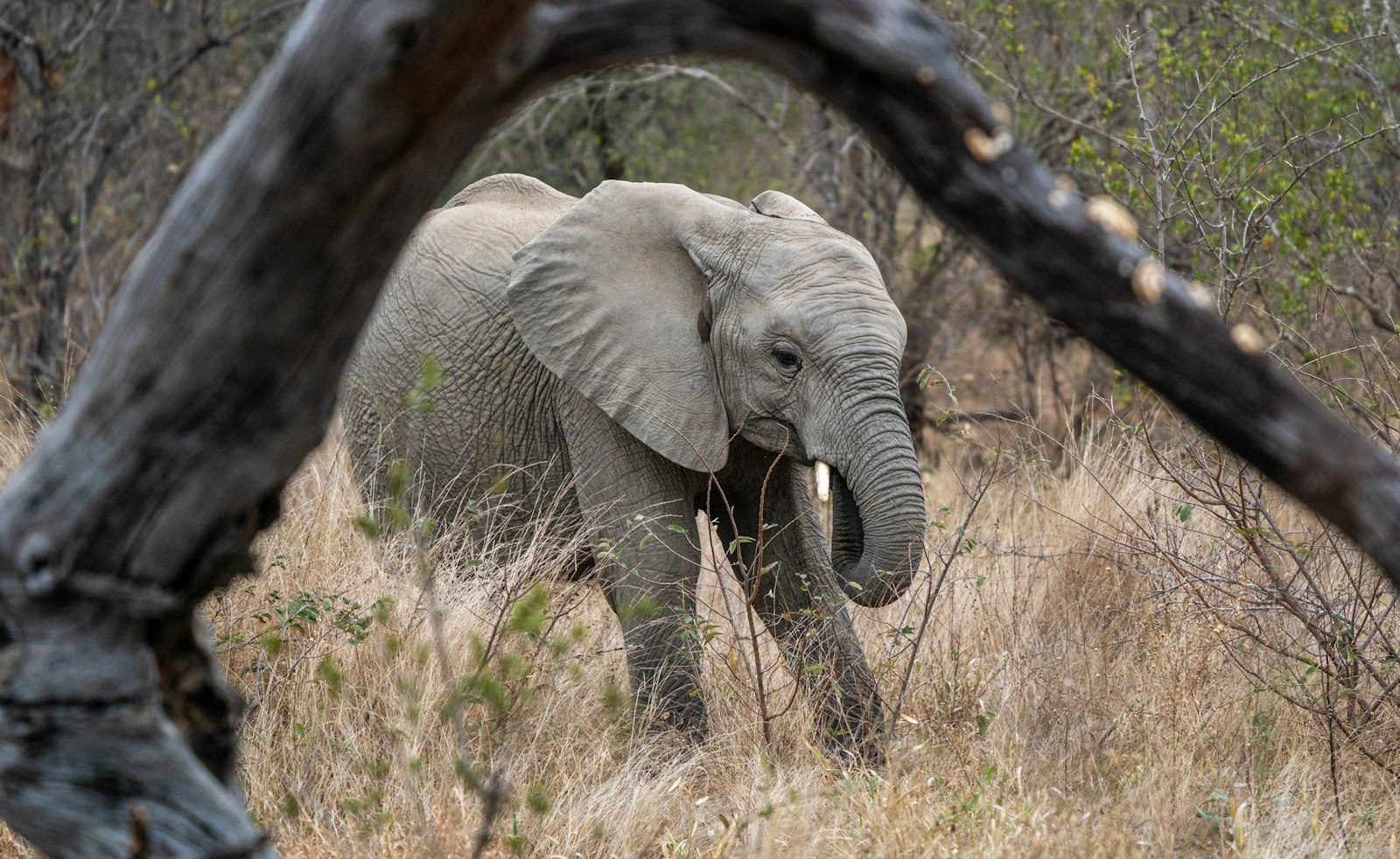
Elephants live in close family herds led by an experienced older female, the matriarch, while adult bulls roam alone or in loose bachelor groups. Watching a herd drink, dust-bathe and guard its calves is one of the most moving sights on any safari, and among Kenya and Tanzania safari animals few are easier to spend a long, quiet hour with.
Where to see elephants: Amboseli, with Kilimanjaro behind the herds; Tsavo, where red dust colours their skin; and Tarangire in Tanzania, where herds gather along the river in the dry season. Read more in how many elephants live in Kenya.
4. Cape Buffalo
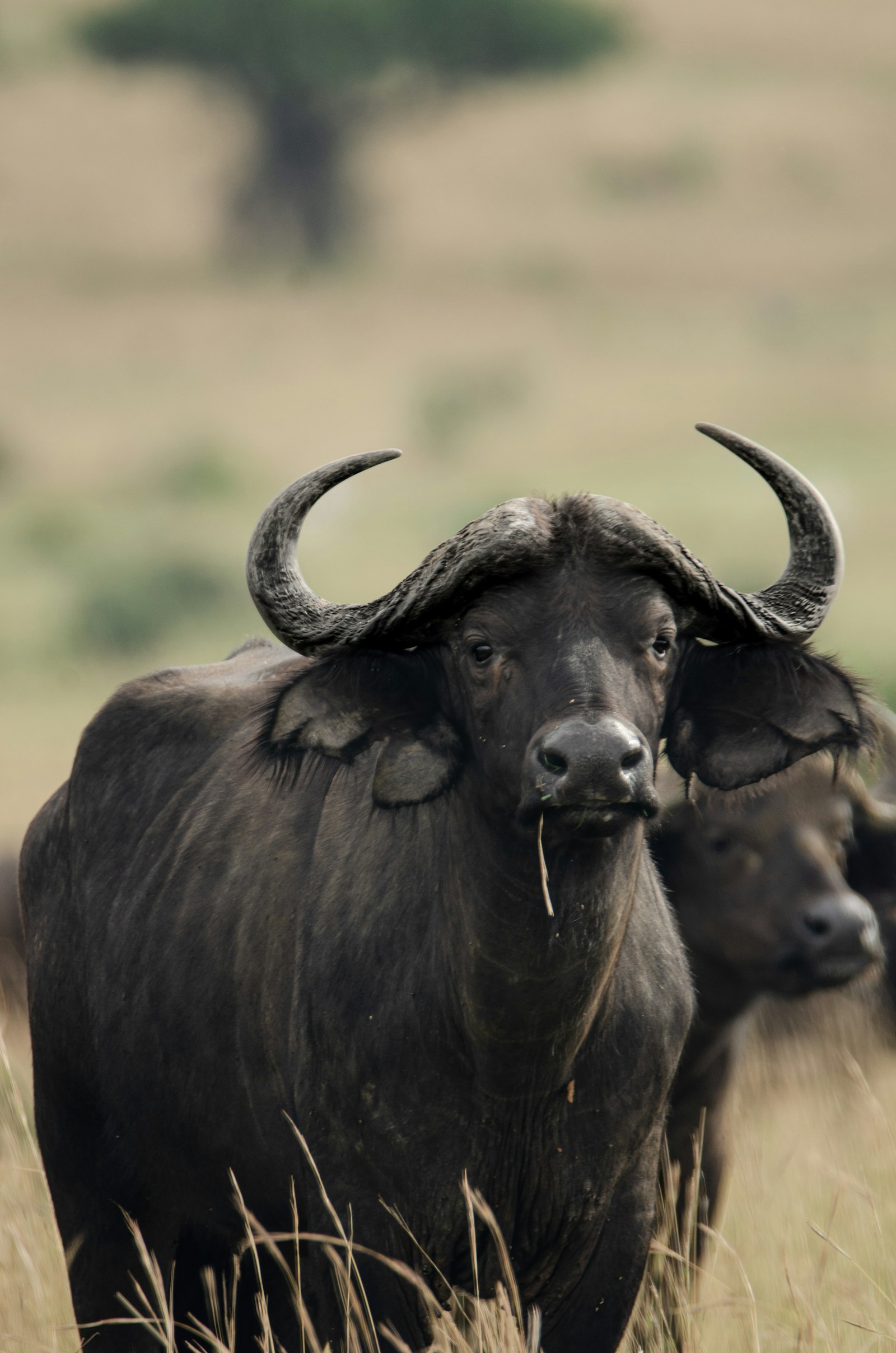
Cape buffalo look like cattle but behave nothing like them, and guides rank them among the most unpredictable Kenya and Tanzania safari animals. Herds can number in the hundreds and defend one another fiercely against lions, while older bulls, often caked in mud, live apart in small groups. Look for the thick boss where the horns meet across the forehead, and for oxpeckers riding on their backs.
Where to see buffalo: almost every savanna park, with large herds in the Masai Mara, the Ngorongoro Crater, Tarangire and the forests of the Aberdares.
5. Rhinoceros
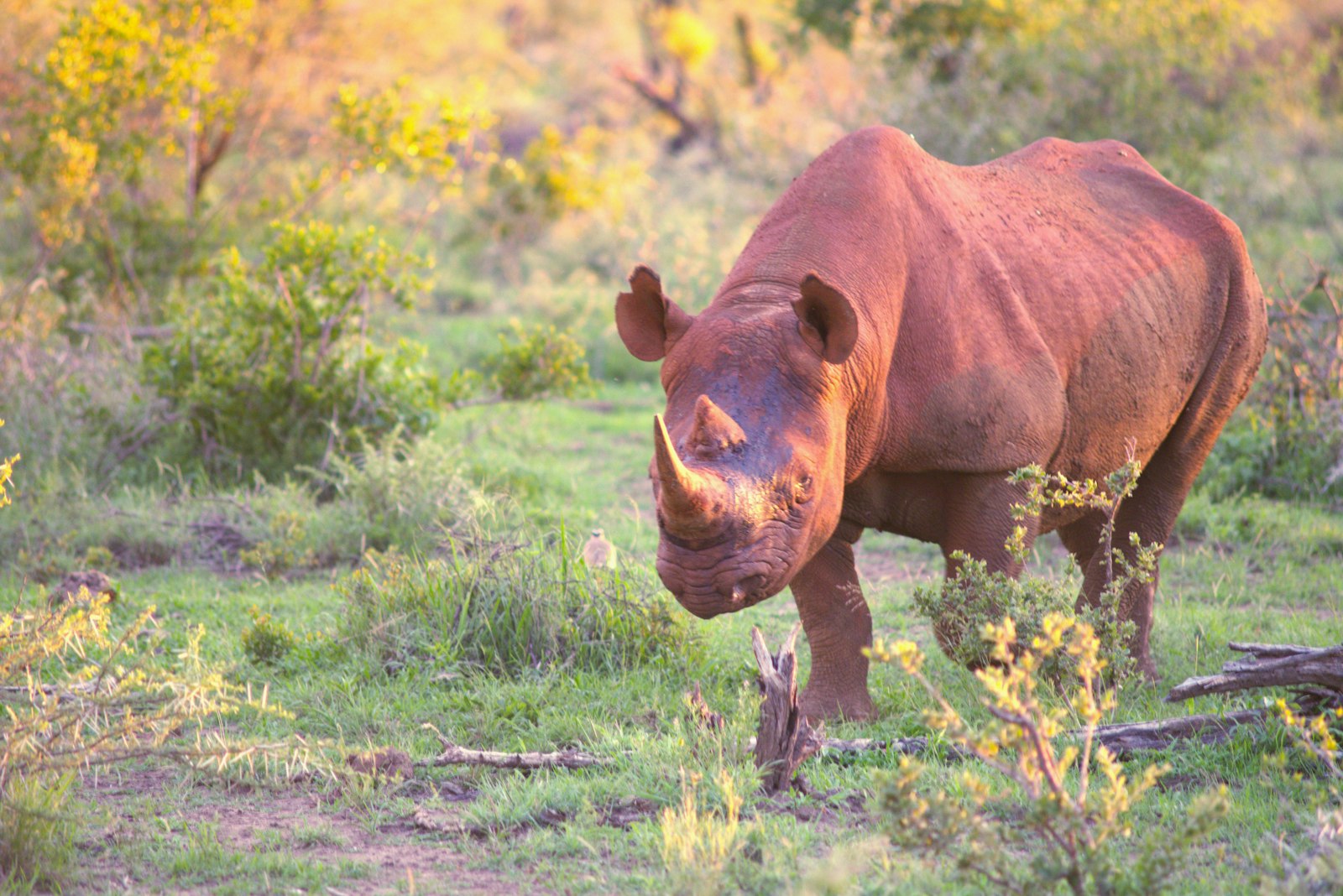
Two rhino species live in the region, and they are the rarest of the Big Five among Kenya and Tanzania safari animals. The black rhino is a browser with a hooked upper lip, shy and often hidden in thick bush; the white rhino is a larger grazer with a broad, square mouth. Both depend on intensive protection, which is why Kenya’s best rhino viewing is in guarded sanctuaries and conservancies. Ol Pejeta is also home to the last two northern white rhinos on Earth.
Where to see rhinos: Lake Nakuru, Ol Pejeta, Lewa, Meru and Nairobi National Park in Kenya; the Ngorongoro Crater in Tanzania. Our guide to rhino sanctuary lodges in Kenya shows where to sleep nearby.
Nairobi team tip: plan the Big Five around one rhino stop
Lions, elephants and buffalo turn up on most routes, and leopards come with time. The rhino is the one that needs planning, so we build Big Five itineraries around Lake Nakuru or Ol Pejeta in Kenya, or a full day in the Ngorongoro Crater in Tanzania.
Other Great Predators
Beyond the Big Five, three more hunters complete the predator story of Kenya and Tanzania safari animals. Smaller hunters such as servals, caracals and honey badgers have their own guide: small predators of Kenya.
6. Cheetah
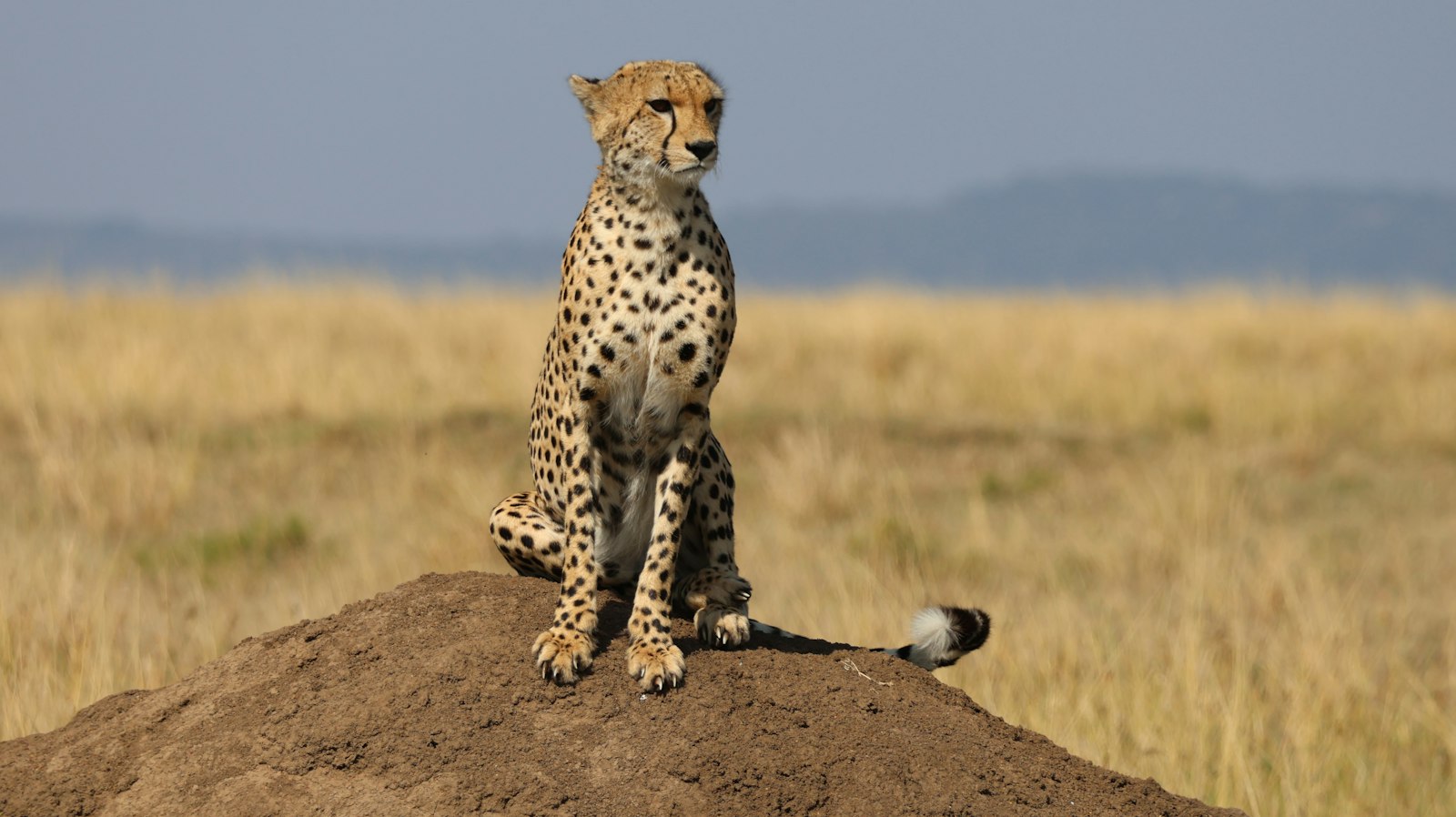
Built for speed rather than strength, the cheetah is the fastest land animal, with a slim body, long legs and black tear-marks running from its eyes. It hunts by day to avoid lions and hyenas, often using a mound or a fallen tree to scan the grass. Among Kenya and Tanzania safari animals, it is the cat most often seen hunting in daylight. Mothers raise cubs alone, and a family on the move is one of the great safari moments.
Where to see cheetahs: the open plains of the Masai Mara and its conservancies, the southern Serengeti and Ndutu area in the calving season, and the quieter plains around Amboseli.
7. Spotted Hyena
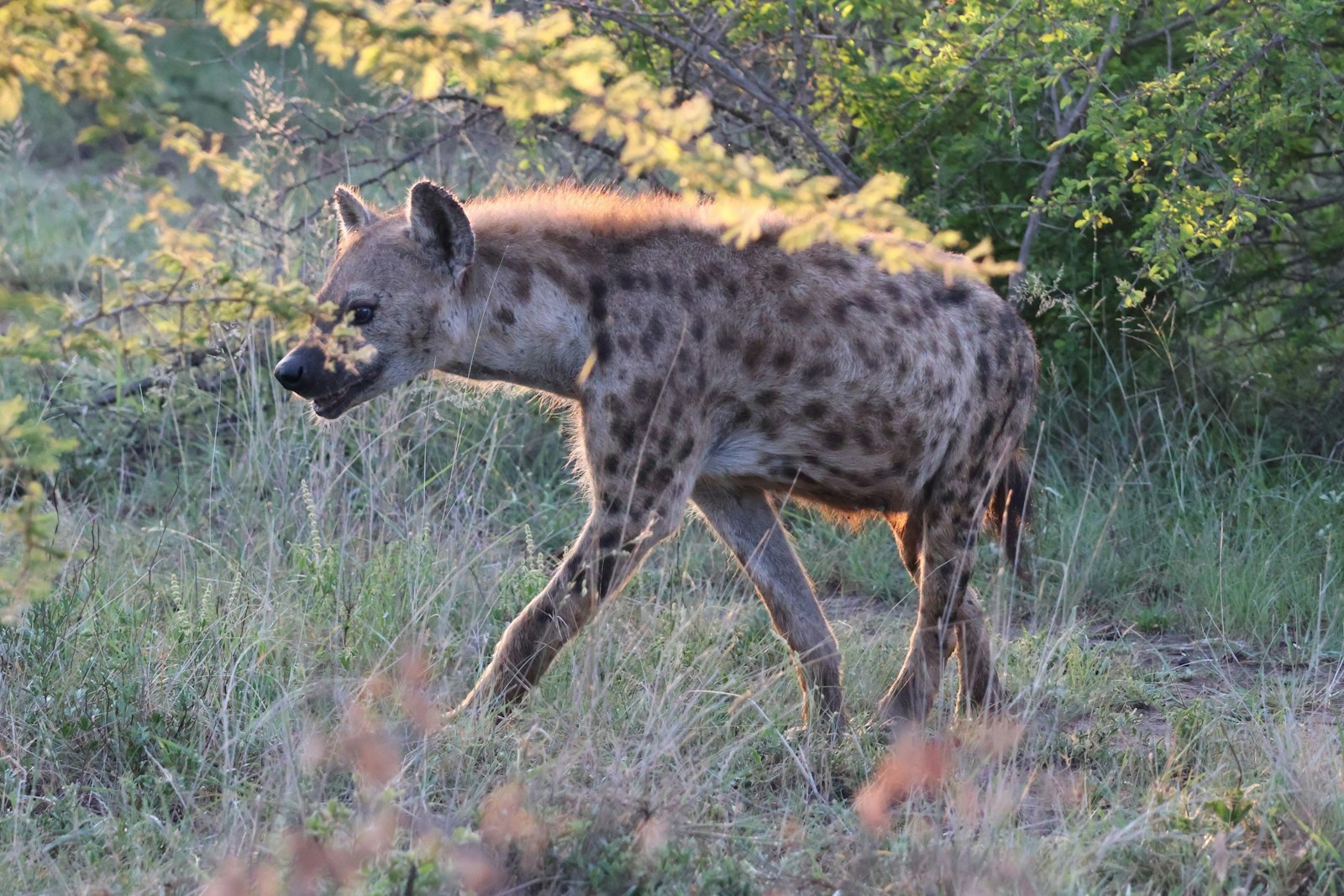
Spotted hyenas live in clans led by females and hunt much of their own food, chasing prey over long distances before the clan closes in. Their whooping calls are the soundtrack of safari nights, and no other Kenya and Tanzania safari animals are as misunderstood. Watching cubs tumble around a den at dawn shows a far gentler side than their reputation suggests.
Where to see hyenas: the Masai Mara, the Serengeti and the Ngorongoro Crater, where clans are large and active in daylight.
8. African Wild Dog
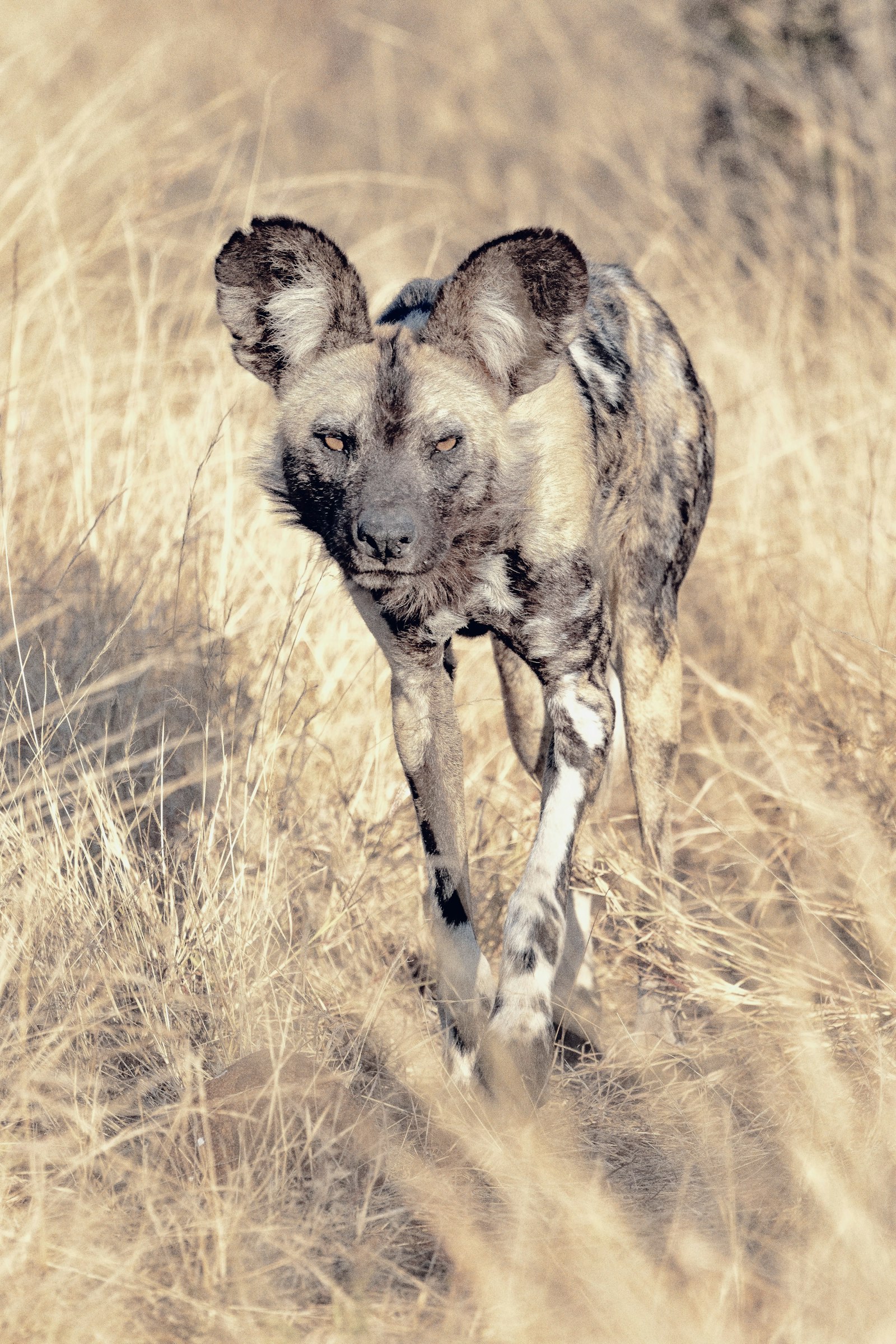
Also called the painted wolf, the African wild dog is listed as Endangered and is one of the rarest predators on the continent. Packs cooperate closely, share food with pups and injured members, and range over huge areas, so sightings are never guaranteed. Among Kenya and Tanzania safari animals, few are as hard to find. Seeing a pack on the move is a highlight for even the most experienced guides.
Where to see wild dogs: the Laikipia plateau in Kenya, and Ruaha and Nyerere in southern Tanzania.
Dreaming of big cats and predators?
Tell us which hunters you most want to watch, from lions to wild dogs, and how many days you have. We will suggest the parks and camps that give you the best odds.
Find My Big Cat ParksGiants and Grazers of the Plains
The plains game are the Kenya and Tanzania safari animals you will see every day, often in their hundreds. They feed the predators, shape the grasslands and give every game drive its sense of life.
9. Masai Giraffe
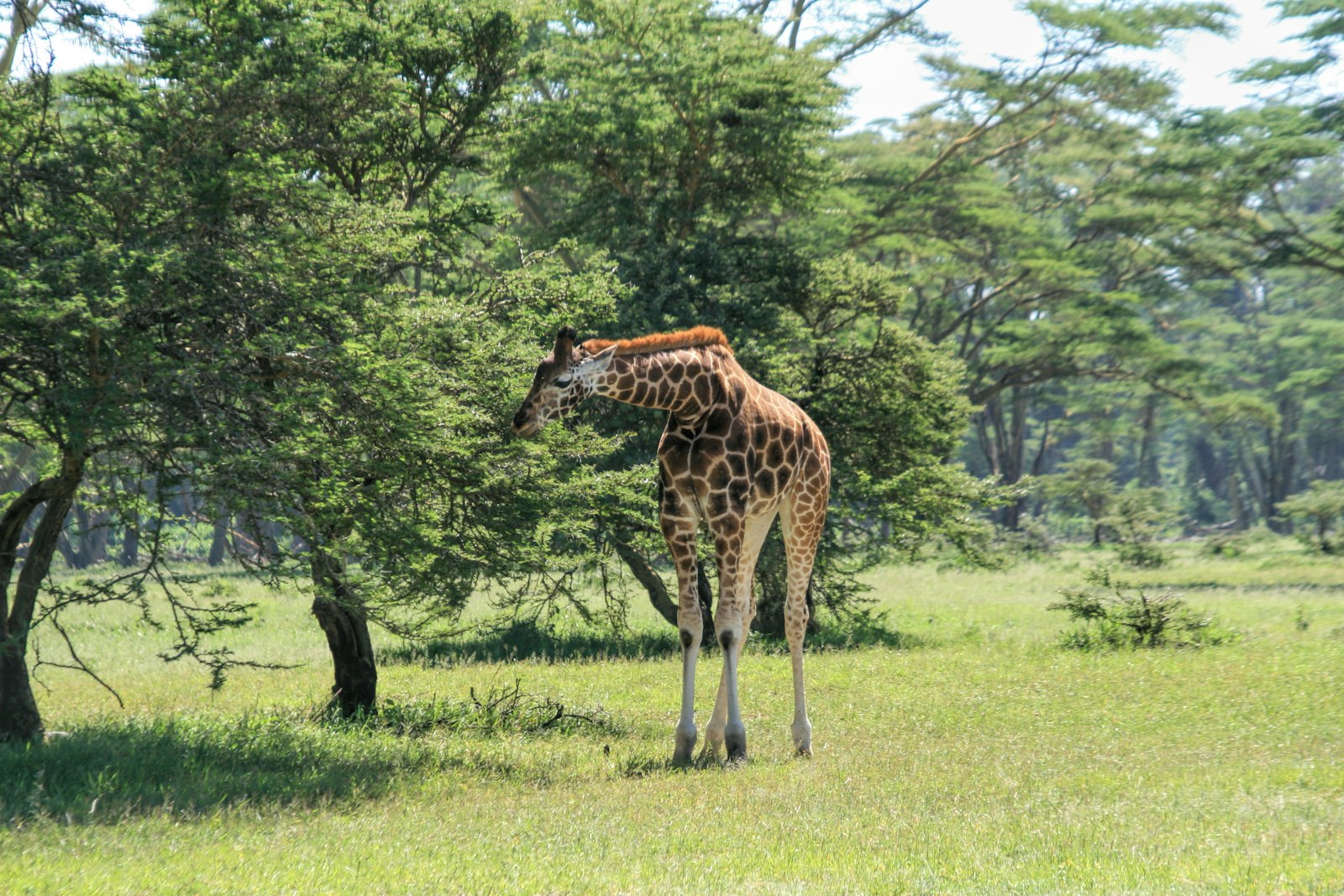
The tallest animal on Earth browses the tops of acacia trees that nothing else can reach, using a long, dark tongue to strip leaves from between the thorns. Of the Kenya and Tanzania safari animals, it is often the one that makes guests gasp first. The Masai giraffe has jagged, leaf-shaped patches and is the giraffe of southern Kenya and northern Tanzania. Curious about how such a tall animal rests? Read our guide to how giraffes sleep.
Where to see Masai giraffes: the Masai Mara, Amboseli, Nairobi National Park, the Serengeti and Tarangire. For Rothschild’s giraffe, visit Lake Nakuru.
10. Plains Zebra
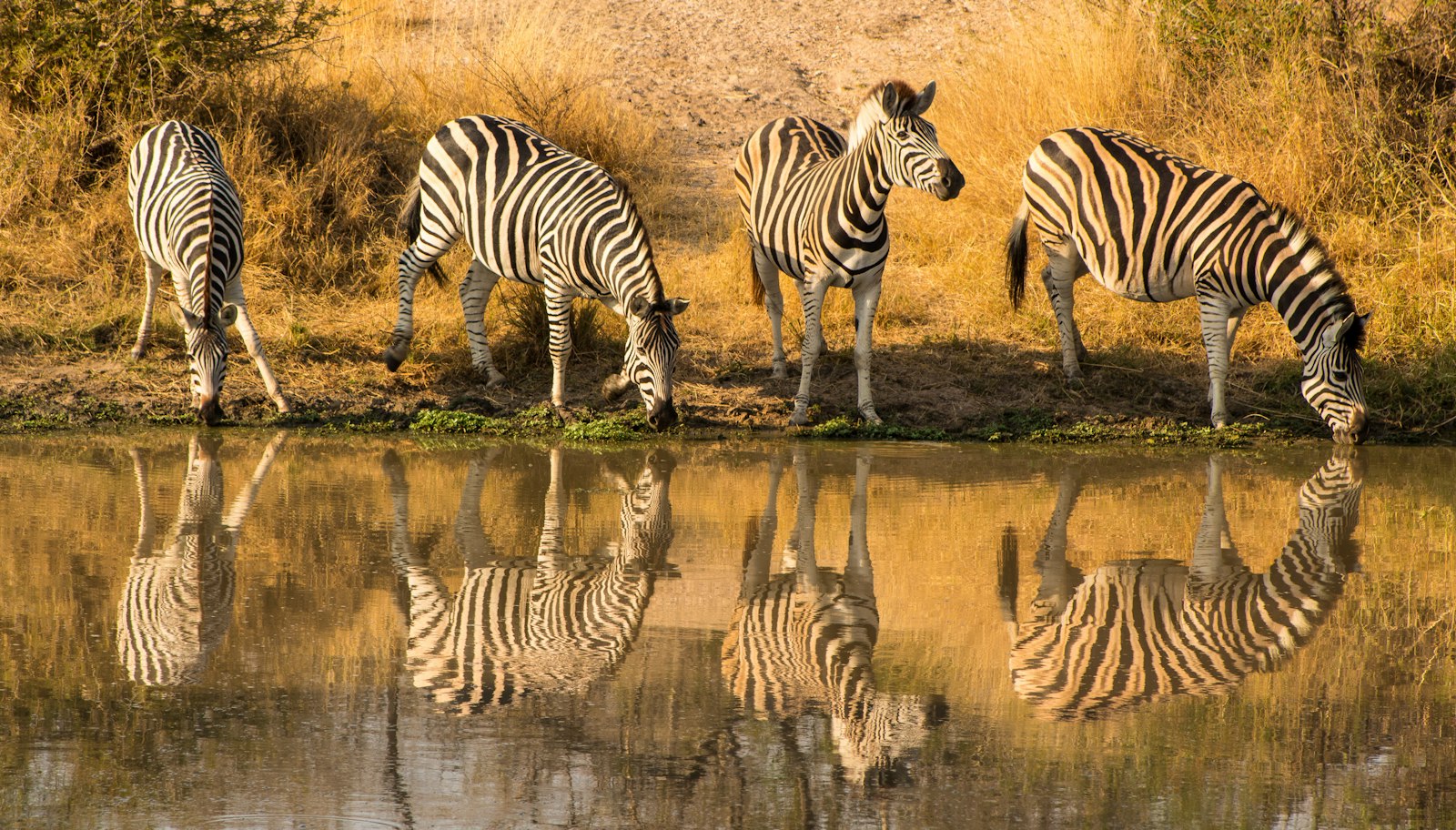
Plains zebras live in family groups of a stallion with several mares and their foals, gathering into much larger herds on good grazing. No two zebras share the same stripe pattern, which makes them some of the most photographed Kenya and Tanzania safari animals. Scientists have long debated why they are striped; our guide to the truth about zebra stripes ranks the theories by evidence.
Where to see zebras: almost every savanna park, and in huge numbers with the migration in the Serengeti and the Masai Mara.
11. Wildebeest
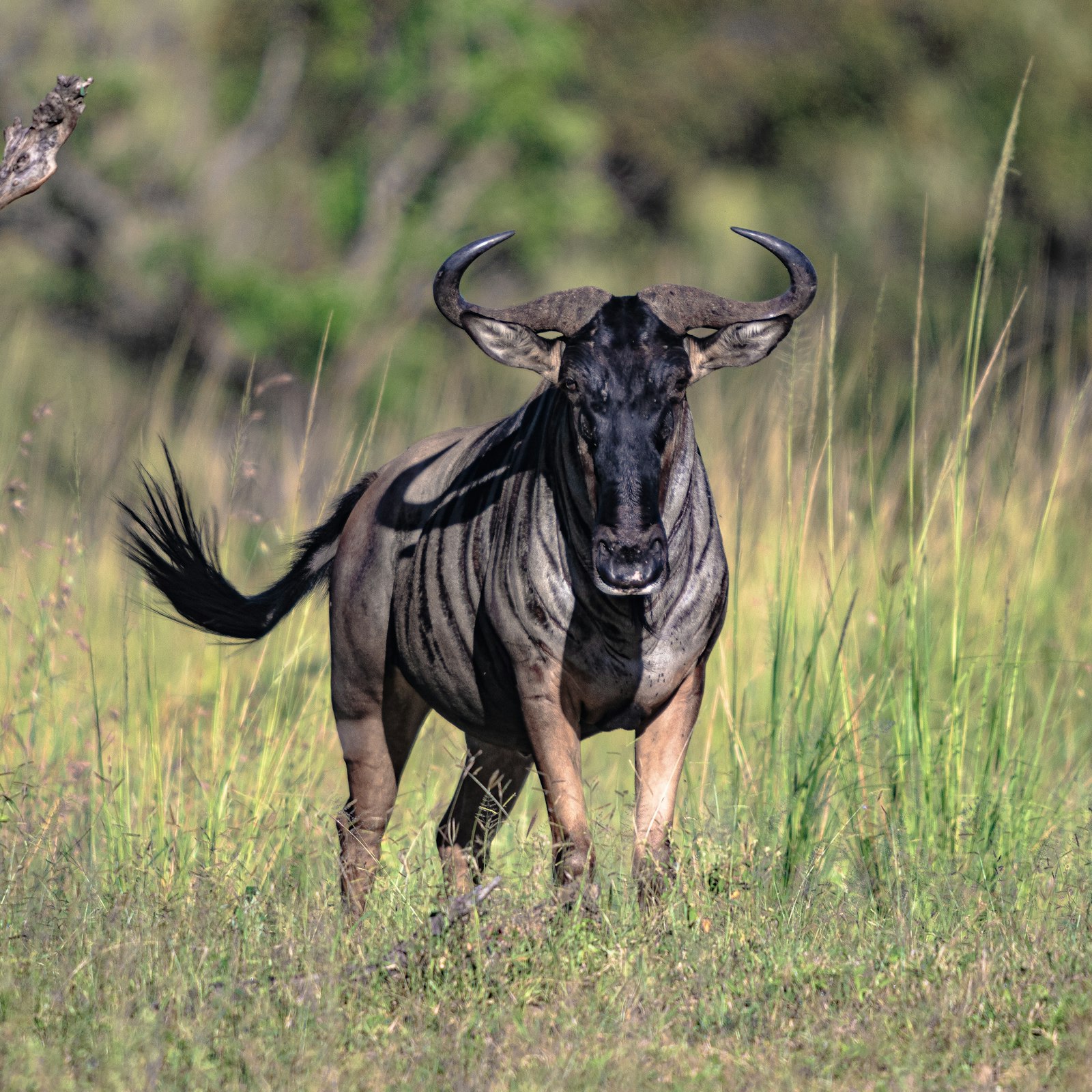
The wildebeest, or gnu, is the engine of the Great Migration. Vast herds follow the rains in a loop between Tanzania’s Serengeti and Kenya’s Masai Mara, giving birth on the southern Serengeti plains early in the year and crossing the Mara River in the dry season. For many travellers, wildebeest are the Kenya and Tanzania safari animals that define the whole trip. These crossings, with crocodiles waiting below the banks, are among the most dramatic wildlife events on the planet.
Where to see wildebeest: the southern Serengeti and Ndutu around calving time, roughly January to March; the northern Serengeti and the Masai Mara from about July to October. Our guide to crossing from the Masai Mara to the Serengeti shows how to combine both.
12. Impala
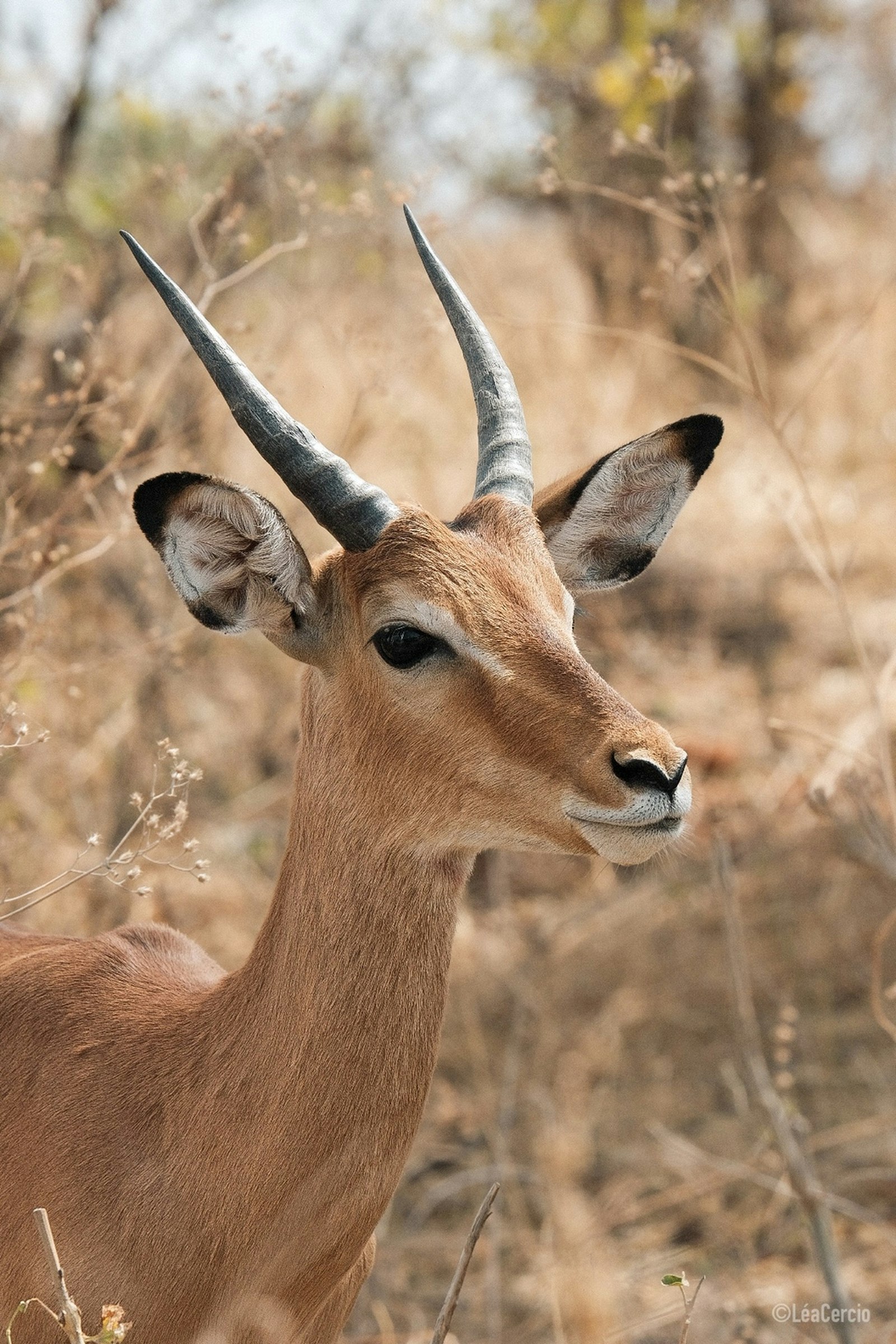
Impala are the graceful, golden antelope of bush edges and open woodland. Rams carry sweeping lyre-shaped horns and gather harems of females in the breeding season, while startled herds scatter in spectacular high leaps. Because they are among the most common Kenya and Tanzania safari animals, they are often overlooked, yet they are central to the diet of leopards and wild dogs.
Where to see impala: nearly every park with woodland, including Nairobi National Park, the Masai Mara, Lake Nakuru, Tarangire and Lake Manyara.
13. Warthog
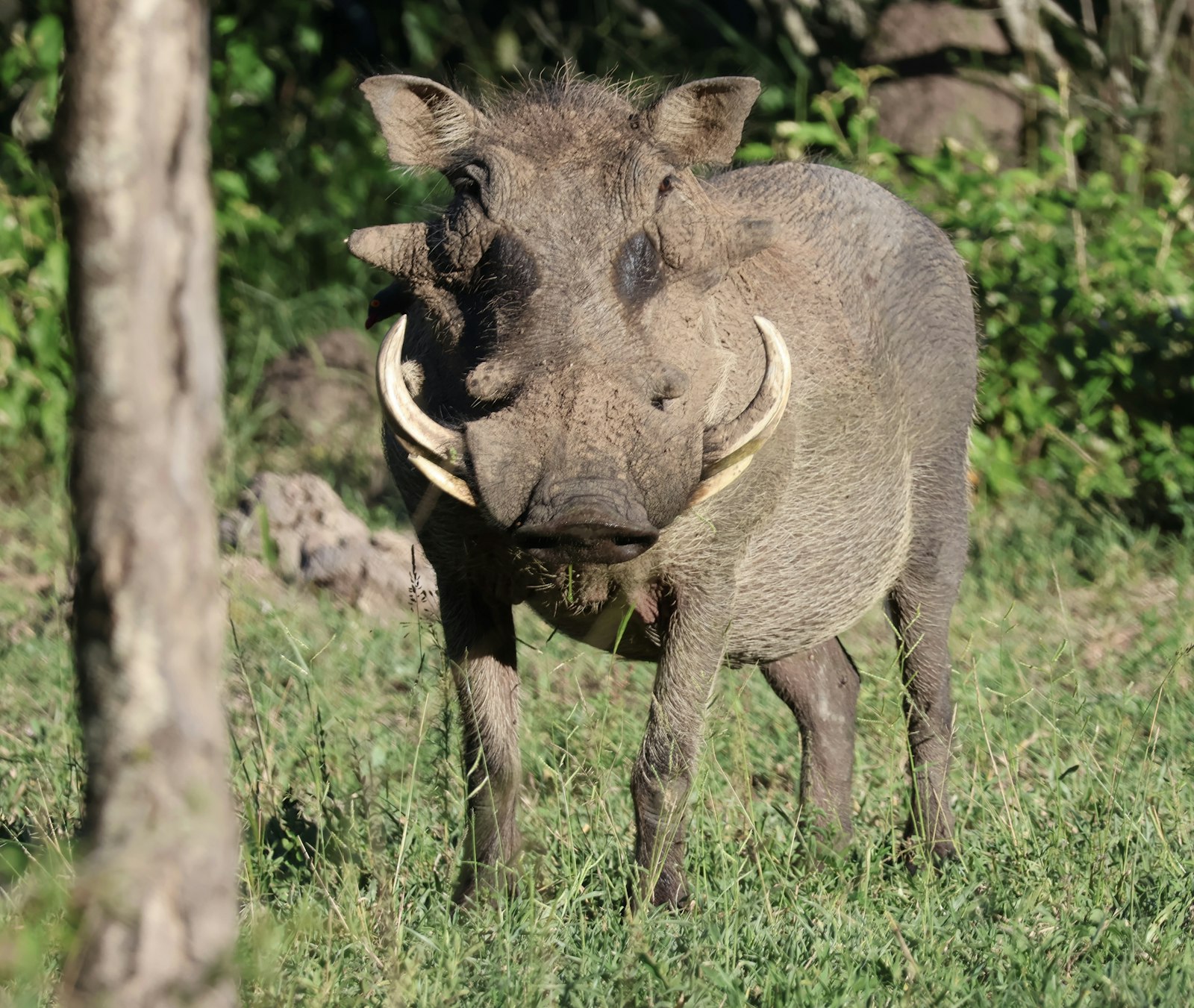
Warthogs graze kneeling on their padded front knees, trot off with their thin tails held straight up like aerials and back into old burrows at night, tusks facing outward. Families with piglets are the Kenya and Tanzania safari animals children often remember best. Our guide to surprising warthog facts explains the warts and the habits.
Where to see warthogs: most savanna parks, especially Nairobi National Park, the Masai Mara, Lake Nakuru and the Serengeti.
14. Ostrich
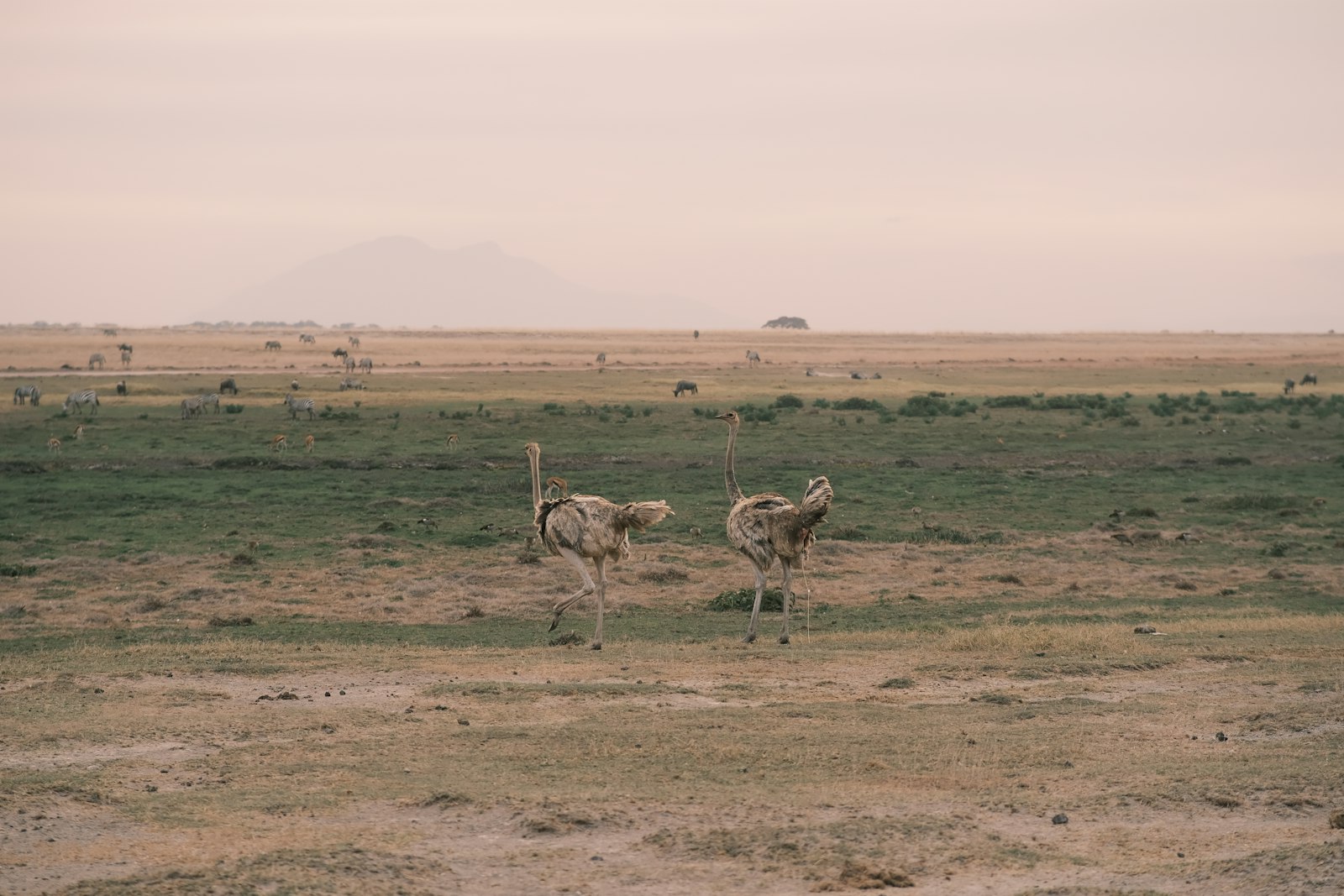
Among Kenya and Tanzania safari animals, the ostrich is the largest bird alive, flightless but a powerful runner on long, two-toed legs. In southern Kenya and Tanzania, breeding males of the common ostrich show pink necks and thighs, while the Somali ostrich of the north has blue-grey skin. And no, they do not bury their heads in sand: our guide to the ostrich head-in-sand myth explains where that idea came from.
Where to see ostriches: the Masai Mara, Amboseli, Nairobi National Park and the Serengeti; Somali ostriches in Samburu.
Nairobi team tip: give the plains game time
Guests often rush past zebras and impala to look for cats. Ask your guide to slow down: alarm snorts from impala and a zebra herd staring in one direction are often the first sign that a predator is close.
Rivers, Lakes and Waterbirds
Water draws Kenya and Tanzania safari animals in, and some of them rarely stray far from it. A boat trip or a riverside picnic stop adds a different rhythm to a safari.
15. Hippopotamus
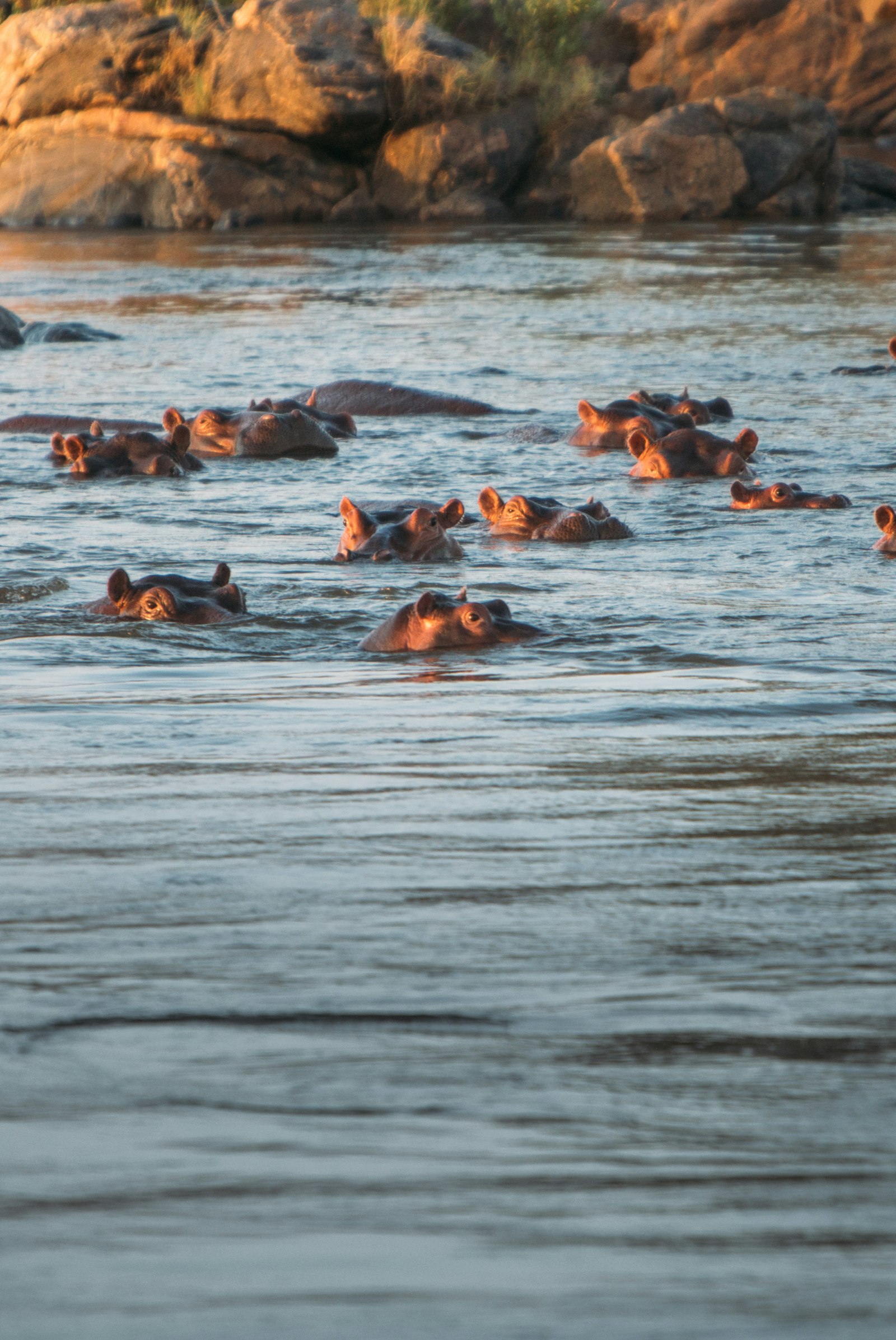
Hippos spend the hot hours in rivers and lakes, with only eyes, ears and nostrils showing, and leave the water after dark to graze, sometimes walking several kilometres. Their grunting choruses carry far across the water. Hippos cause more trouble for people than most Kenya and Tanzania safari animals. Despite their sleepy look they are fiercely territorial, so guides always keep a respectful distance.
Where to see hippos: the Mara River, Lake Naivasha by boat, Mzima Springs in Tsavo West, the Retima hippo pool in the Serengeti and the Rufiji River in Nyerere.
16. Nile Crocodile
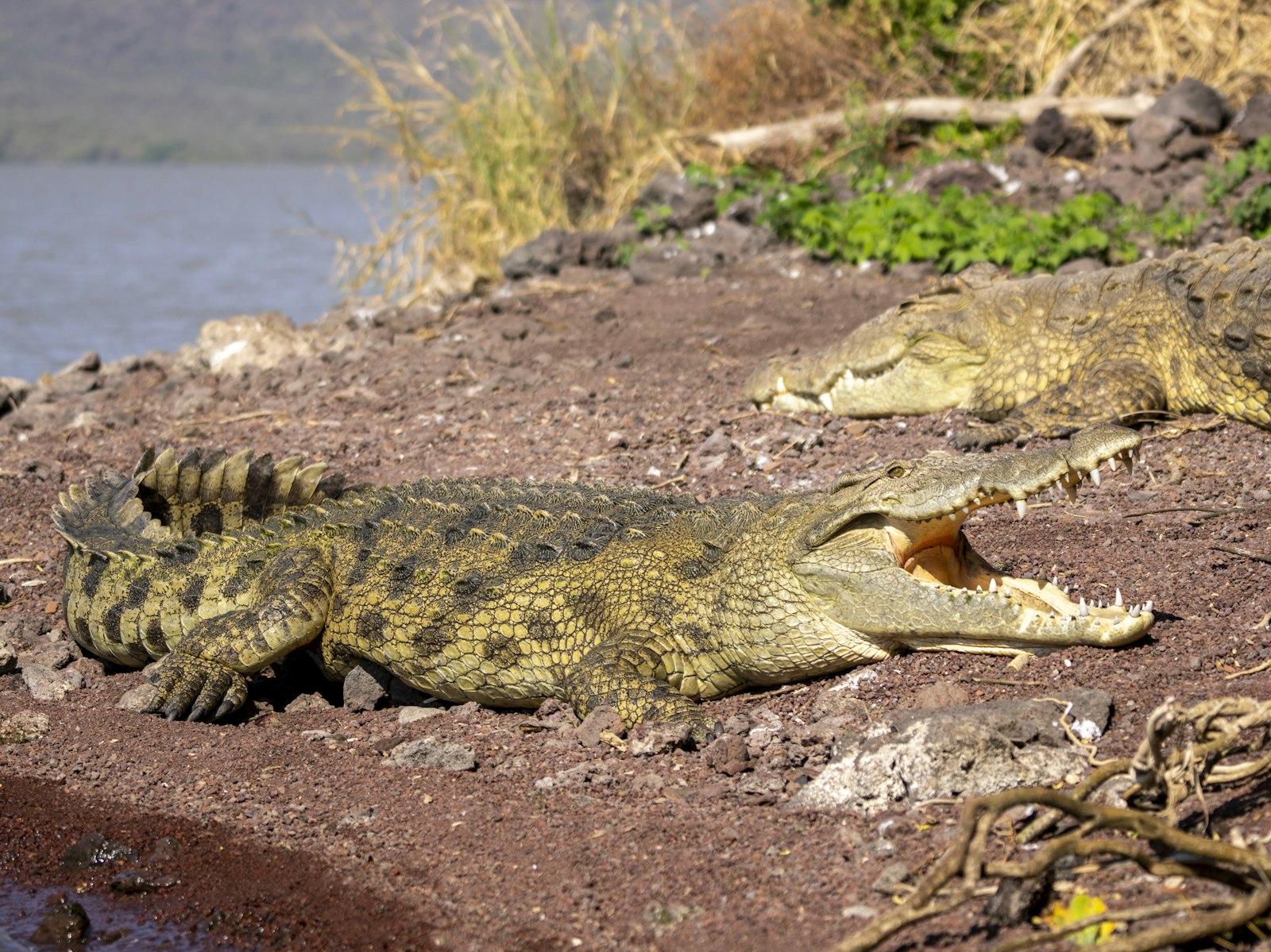
Africa’s largest reptile is the oldest-looking of all Kenya and Tanzania safari animals. It spends long hours basking with its jaws open to cool down, then waits motionless in the shallows. During the migration, big crocodiles gather at the river crossings, which is why every crossing is such a tense spectacle.
Where to see crocodiles: the Mara and Grumeti rivers, the Galana River in Tsavo East, the Ewaso Ng’iro in Samburu and the Rufiji in Nyerere.
17. Flamingo
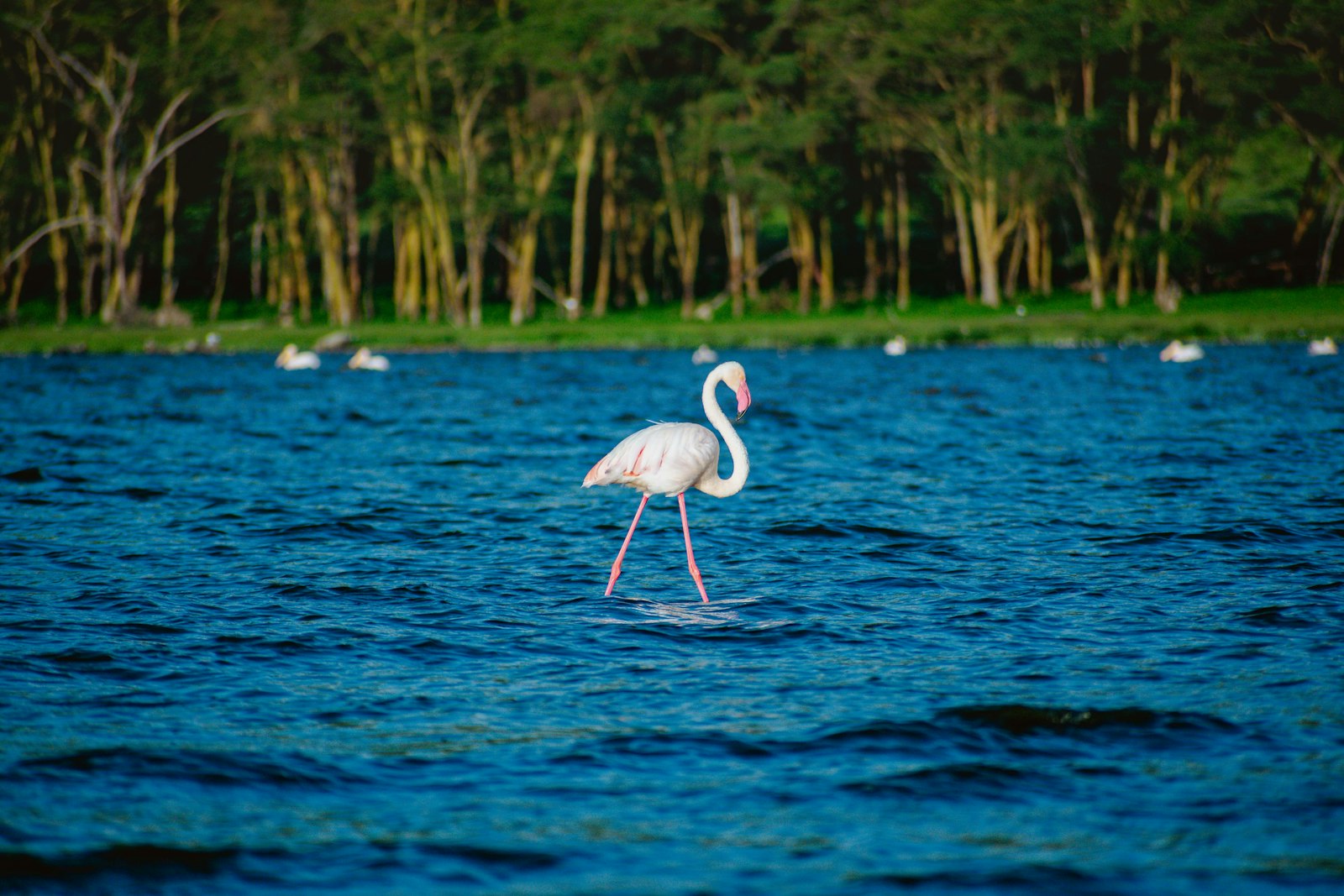
Both lesser and greater flamingos live on the alkaline lakes of the Rift Valley, filtering food from the water with their upside-down bills. Flamingos are the most colourful Kenya and Tanzania safari animals on the water. Flocks move between lakes as water levels and food supplies change, so the best lake can differ from one year to the next. Lake Natron in Tanzania is the main breeding site for lesser flamingos. Find out why flamingos are pink.
Where to see flamingos: Lakes Nakuru, Bogoria and Elementaita in Kenya; Lake Natron, Lake Manyara and the crater lake in the Ngorongoro Crater in Tanzania. We check current numbers before we plan your route.
Rare Species of Northern Kenya
The hot, dry north of Kenya is home to Kenya and Tanzania safari animals you will not find on the southern plains. Five of them, the reticulated giraffe, beisa oryx, Grevy’s zebra, gerenuk and Somali ostrich, make up the Samburu Special Five.
18. Reticulated Giraffe
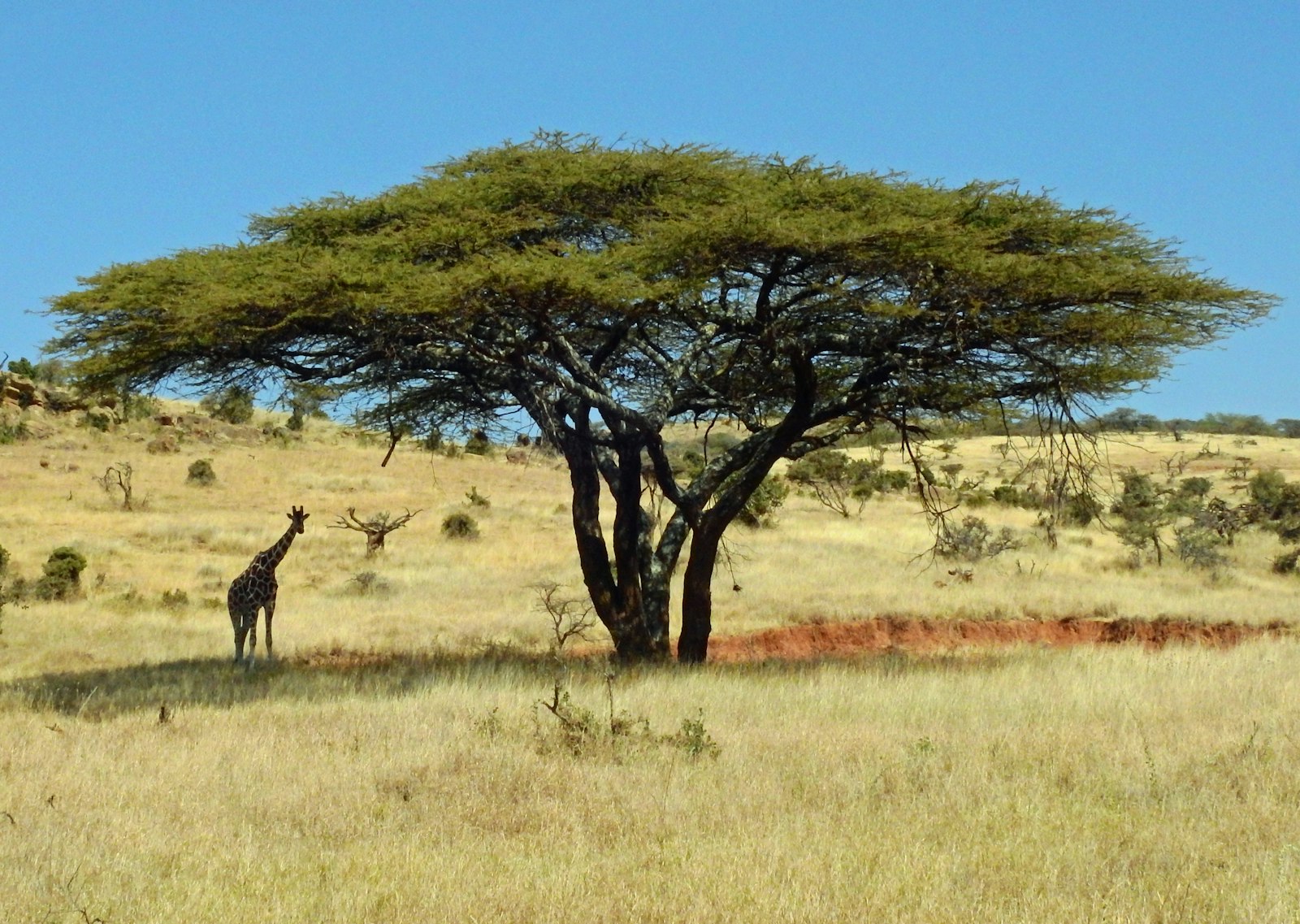
The reticulated giraffe wears the most striking coat of any giraffe: large orange-brown patches outlined by clean, bright white lines, like a net. It is one of the rarest Kenya and Tanzania safari animals for first-time visitors because it lives only in northern Kenya and neighbouring dry country, where it browses on acacia and other thorny trees along the rivers.
Where to see reticulated giraffes: Samburu, Buffalo Springs and Shaba, and the conservancies of Laikipia and Lewa.
19. Beisa Oryx
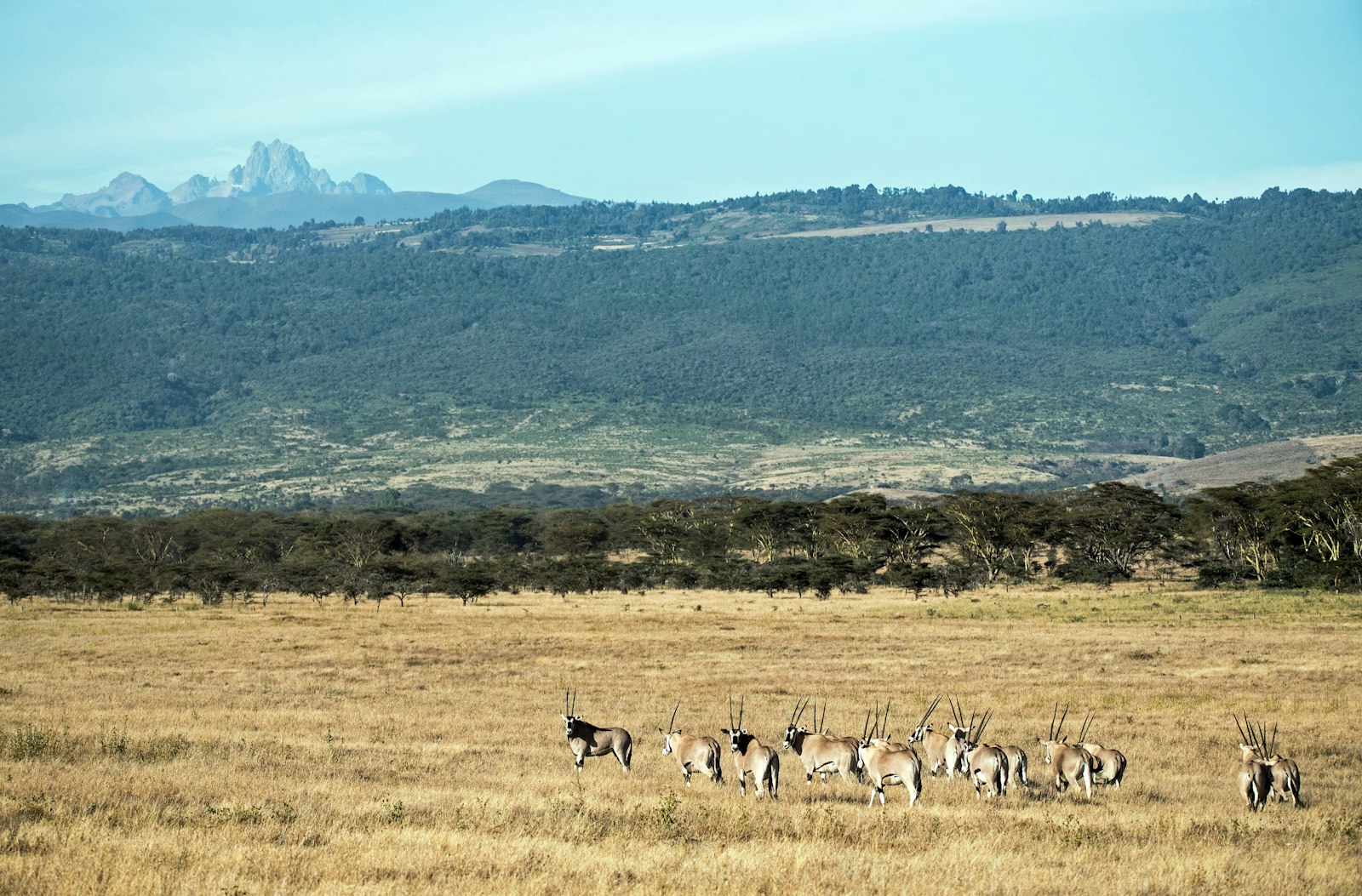
The beisa oryx is a desert-adapted antelope with long, straight, rapier-like horns and bold black-and-white face markings. It is one of the hardiest Kenya and Tanzania safari animals and can go a long time without drinking, getting much of its water from plants. In Tsavo and in Tanzania’s Tarangire you may find its close relative, the fringe-eared oryx. The gerenuk, which stands on its hind legs to browse, shares the same dry country; see our gerenuk facts guide.
Where to see beisa oryx: Samburu, Buffalo Springs, Shaba and Lewa, often on open dry plains.
Primates
Olive baboons, vervet monkeys and black-and-white colobus are the easiest primates among Kenya and Tanzania safari animals, seen in many parks. One primate needs a dedicated journey.
20. Chimpanzee
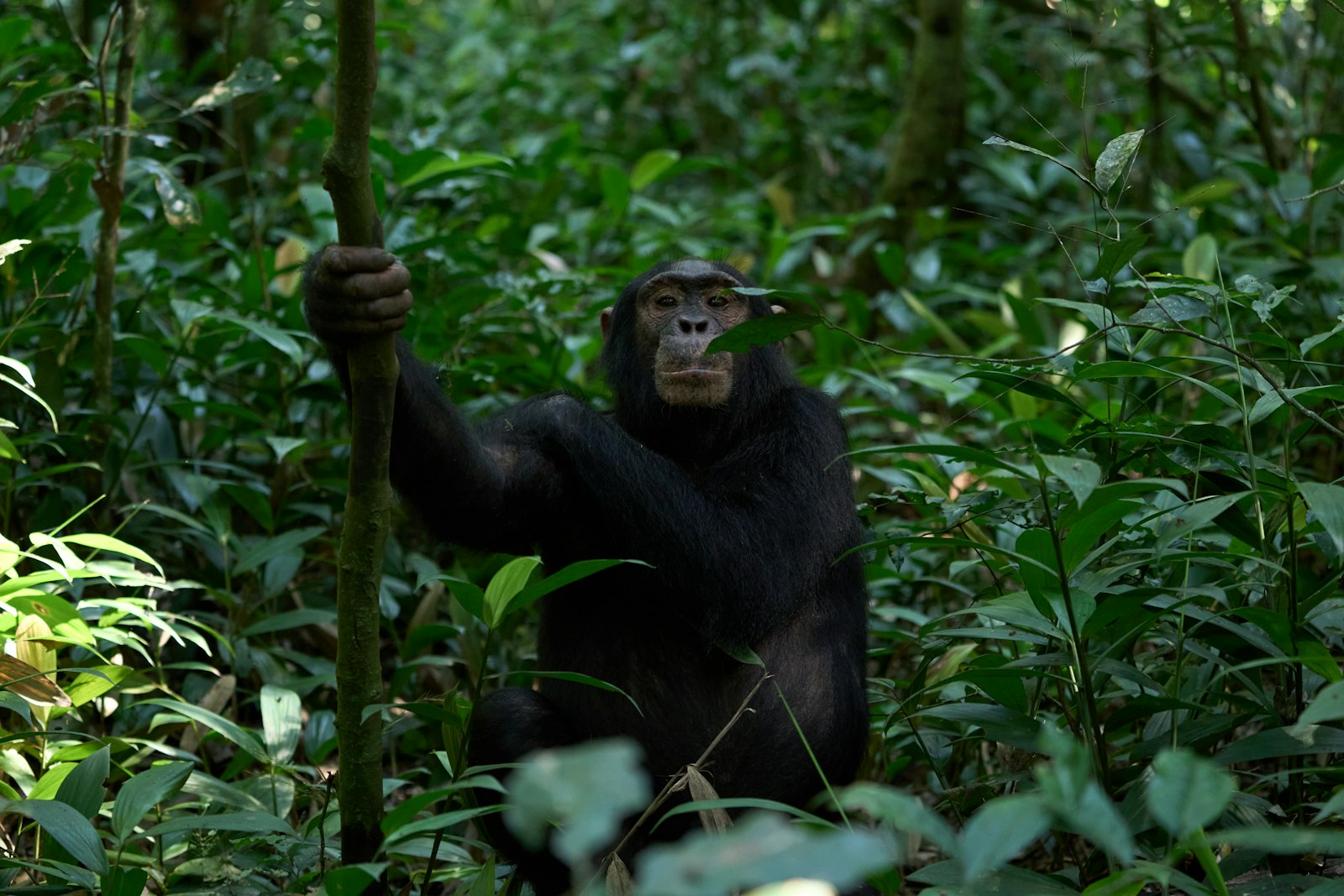
Our closest living relatives are the Kenya and Tanzania safari animals that need the most effort to reach. They live in noisy, complex communities and use tools to crack nuts and fish for termites. In Tanzania, wild chimpanzees live in the forests of Gombe Stream, where Jane Goodall began her famous research in 1960, and the Mahale Mountains, both on the shores of Lake Tanganyika and usually reached by light aircraft. Kenya has no wild chimpanzees; the Sweetwaters Chimpanzee Sanctuary on Ol Pejeta cares for rescued animals.
Where to see chimpanzees: Gombe Stream and the Mahale Mountains in western Tanzania. For gorillas, which do not live in Kenya or Tanzania, see our guide to animals you won’t see on a Kenya safari.
Where to See Kenya and Tanzania Safari Animals: Quick Park Finder
Use this table to match the Kenya and Tanzania safari animals on your list to the parks most likely to deliver them. To see a wide range of Kenya and Tanzania safari animals, most first safaris combine two to four of these parks in a week to ten days.
| Animal | Best in Kenya | Best in Tanzania |
|---|---|---|
| Lion | Masai Mara, Tsavo | Serengeti, Ngorongoro, Ruaha |
| Leopard | Masai Mara, Samburu | Central Serengeti (Seronera) |
| Elephant | Amboseli, Tsavo, Samburu | Tarangire, Ruaha |
| Cape buffalo | Masai Mara, Aberdares | Ngorongoro, Tarangire |
| Rhino | Lake Nakuru, Ol Pejeta, Lewa, Meru, Nairobi NP | Ngorongoro Crater |
| Cheetah | Masai Mara, Amboseli | Southern Serengeti, Ndutu |
| Wild dog | Laikipia | Ruaha, Nyerere |
| Wildebeest migration | Masai Mara (about July to October) | Serengeti (all year, moving) |
| Hippo and crocodile | Mara River, Lake Naivasha, Tsavo West | Serengeti, Nyerere |
| Flamingo | Lakes Nakuru, Bogoria, Elementaita | Lake Natron, Lake Manyara |
| Reticulated giraffe and beisa oryx | Samburu, Laikipia, Lewa | Not found |
| Chimpanzee | Not found in the wild | Gombe Stream, Mahale Mountains |
For park entry rules and official information, see the Kenya Wildlife Service and Tanzania National Parks. Our Kenya national parks and Tanzania national parks guides cover each country in depth.
When to Go for the Animals You Want
Most Kenya and Tanzania safari animals can be seen all year, but the seasons change where they gather and how easy they are to find.
- June to October: the long dry season. Grass is short, animals gather near water and the migration is usually in the northern Serengeti and the Masai Mara.
- January to March: a shorter dry spell in many areas and calving season on the southern Serengeti plains, which draws cheetahs, lions and hyenas.
- April and May: the long rains. Parks turn green and quiet, many animals have young, and birdlife is excellent; some roads and camps are affected.
- November and early December: the short rains. Showers are usually brief, prices are often lower and the plains recover fast.
Kenya or Tanzania: Which Suits Your Wildlife List?
Both countries share most Kenya and Tanzania safari animals, so the choice comes down to style. Choose Kenya if you want shorter drives between parks, the best rhino sanctuaries, the rare northern species of Samburu and private conservancies with night drives and walks. Choose Tanzania for the vast Serengeti, the Ngorongoro Crater, the calving season, wild southern parks and chimpanzees on Lake Tanganyika. To see the widest range of Kenya and Tanzania safari animals, many guests combine both on one trip, following the migration across the border. Browse our Kenya and Tanzania safari packages for sample routes.
Watching wildlife responsibly
Good sightings of Kenya and Tanzania safari animals depend on calm, undisturbed wildlife. Our guides keep to park tracks, switch off engines at sightings, keep voices low and never crowd or chase an animal. Your park and conservancy fees fund the rangers and community programmes that protect the Kenya and Tanzania safari animals you have come to see. For species status, the IUCN Red List is the global reference.
Want the migration, the Big Five or the Special Five?
Tell us your travel month and the animals at the top of your list. We will send a private Kenya and Tanzania route with two comfort levels and a clear written quote within 24 hours.
Build My Wildlife RouteKenya and Tanzania Safari Animals FAQs
What animals can you see on a Kenya and Tanzania safari?
You can see the Big Five (lion, leopard, elephant, Cape buffalo and rhino), cheetahs, hyenas, wild dogs, giraffes, zebras, wildebeest, hippos, crocodiles, many antelope, ostriches and flamingos. Northern Kenya adds reticulated giraffe, beisa oryx, Grevy’s zebra and gerenuk, and western Tanzania has wild chimpanzees.
Where is the best place to see the Big Five in Kenya and Tanzania?
The Masai Mara in Kenya and the Ngorongoro Crater in Tanzania give strong chances of four of the five, with rhino sightings most reliable in the Ngorongoro Crater, Lake Nakuru and Ol Pejeta. A route that adds one rhino park to the Mara or the Serengeti gives you the best odds of all five.
When is the best time to see animals in Kenya and Tanzania?
The dry seasons, roughly June to October and January to February, are best for most animals because vegetation is thinner and wildlife gathers near water. The Masai Mara usually hosts the migration from about July to October, and the southern Serengeti has calving season from about January to March.
Can you see rhinos in Tanzania?
Yes. The Ngorongoro Crater is the most reliable place in Tanzania to see black rhinos, though they are few and often seen at a distance. Kenya offers more rhino sanctuaries, including Lake Nakuru, Ol Pejeta, Lewa, Meru and Nairobi National Park.
Are there chimpanzees or gorillas in Kenya and Tanzania?
Wild chimpanzees live in Tanzania’s Gombe Stream and Mahale Mountains on Lake Tanganyika. Kenya has no wild chimpanzees, only rescued chimps at the Sweetwaters sanctuary on Ol Pejeta. Neither country has gorillas; for gorilla trekking you add Rwanda or Uganda to your trip.
How many days do I need to see most safari animals?
Seven to ten days visiting three or four contrasting parks gives most travellers a strong range of species, including most of the Big Five. Adding Samburu, a rhino sanctuary or a southern Tanzanian park widens the list further.
Your Wildlife List, Turned Into a Safari
From the Big Five in the Masai Mara to reticulated giraffes in Samburu and chimpanzees on Lake Tanganyika, our Nairobi team will plan a private safari around the animals you most want to meet, with a day-by-day plan and a clear written price within 24 hours.
Start My Wildlife Safari Call +254 799 160 081
Prefer email? Write to reservations@senseofadventure.co.ke
Escape. Explore. Discover.