
Do you need an expensive camera for safari is a worry that quietly stops some travelers from booking at all, convinced that without a $3,000 telephoto lens the whole trip will feel wasted next to everyone else’s professional gear. The truth is considerably more forgiving: positioning, light and patience produce a far better photograph than raw megapixels ever will, and a modern smartphone with a steady hand and good guide-chosen timing captures genuinely shareable images. A dedicated camera absolutely helps once you get serious about wildlife photography specifically, but it is an upgrade, not a prerequisite, and plenty of guests who arrive with nothing but a phone leave with photos they are proud of. Sense of Adventure guides position every vehicle for the shot regardless of what equipment is in a guest’s hands.
Come as You Are, Camera or Not
Message us to plan a Kenya safari where our guides handle the positioning, whatever gear you bring.
What Actually Makes a Great Safari Photo
Positioning the vehicle correctly relative to both the animal and the light does more for a photograph than any lens upgrade, which is exactly why an experienced guide who angles the vehicle toward golden-hour light produces better results across an entire group regardless of whose camera is pointed out the window. Patience matters just as much: waiting an extra five minutes for a lion to lift its head or a cheetah to look toward the vehicle turns an average frame into a genuinely striking one, a skill no equipment purchase can substitute for. A smartphone used well, held steady, timed to the light, framed by a guide who knows to pause the vehicle, regularly outperforms an expensive camera used poorly.
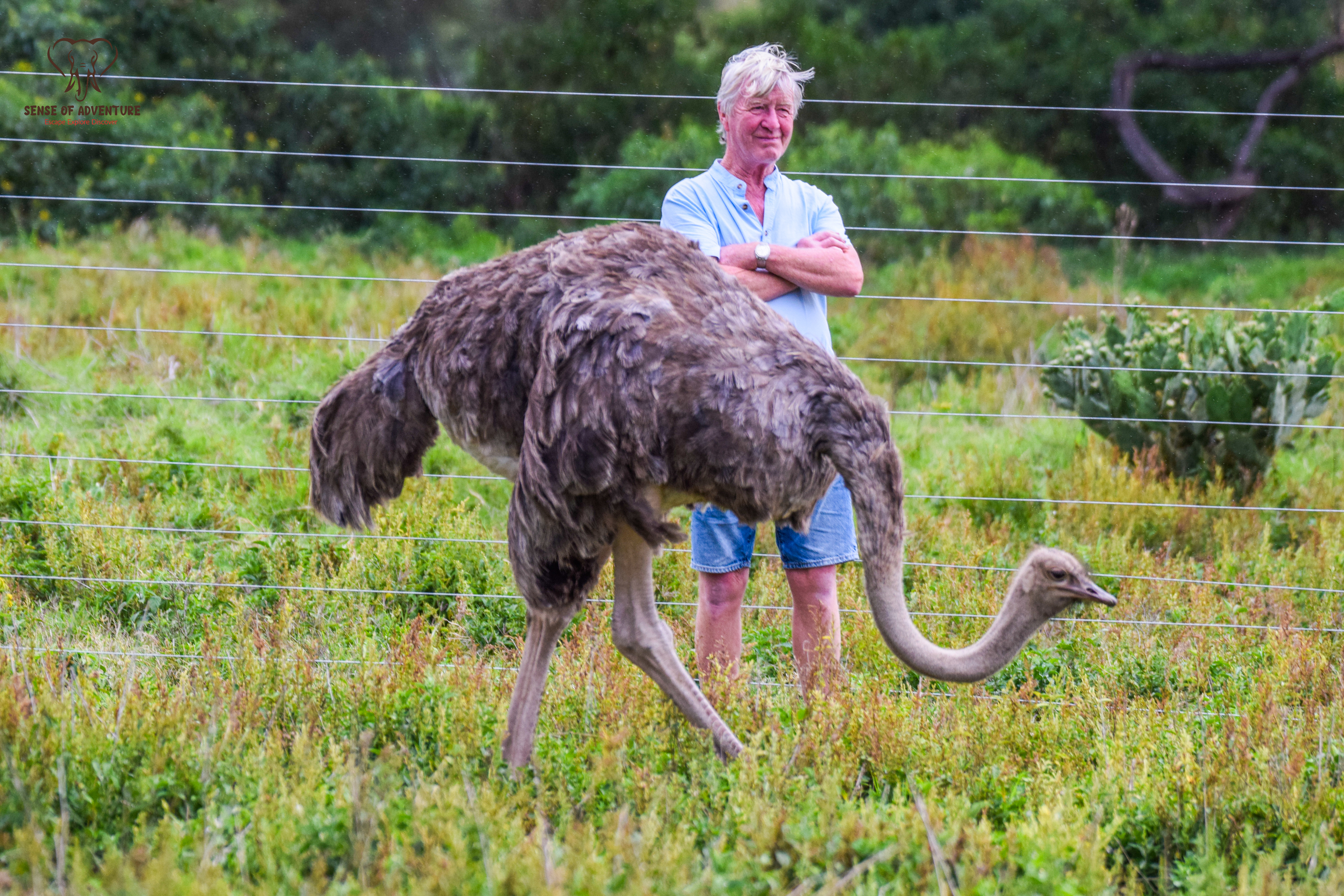
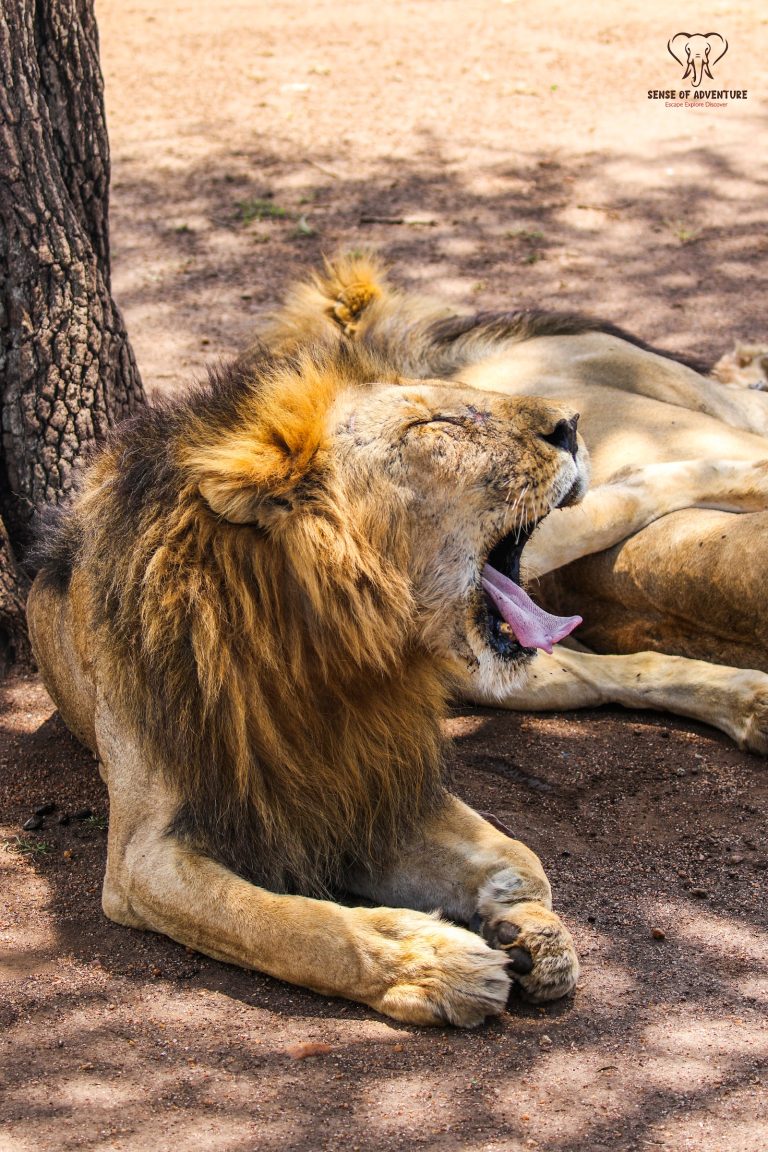
I nearly did not book at all, convinced I needed proper camera equipment to justify the trip, and ended up bringing only my phone out of pure stubbornness. Our guide angled the vehicle perfectly into the evening light for a lion sighting and the photo I got that way still gets more compliments than anything my friend shot with her expensive lens that same week.
— Sense of Adventure guest, Masai Mara safari
7 Truths About Safari Photography Gear
1. A Smartphone Genuinely Works
Modern phone cameras, used with a steady hand and good light, capture genuinely shareable wildlife photos, especially for wider shots that do not require heavy zoom.
2. Golden Hour Light Beats Any Lens Upgrade
Early morning and late afternoon light dramatically improves colour and contrast in any photo, mattering more than the specific equipment capturing it.
3. Vehicle Positioning Is the Guide Job, Not Yours
A good guide angles the vehicle toward the light and the animal automatically, meaning every guest benefits from correct positioning regardless of camera skill.
4. A Basic Zoom Camera Is the Real Upgrade Threshold
If you want closer detail shots of distant animals, a mid-range camera with decent zoom offers most of the benefit without the cost of professional wildlife lenses.
5. Binoculars Matter More Than a Camera for the Experience
For actually seeing detail in real time rather than just capturing it, a decent pair of binoculars improves the overall safari experience more than camera gear ever will.
6. Serious Photographers Do Have Real Advantages
Dedicated photographic safaris with beanbag supports and specialised timing genuinely benefit from a proper DSLR or mirrorless camera with a long lens, but that is a choice, not a requirement.
7. Patience Is Free and Genuinely the Biggest Factor
Waiting a few extra minutes for an animal to look up, move, or catch better light improves a photo more than any equipment ever could, and it costs nothing.
Book a Photography-Friendly Safari
Our Big Cats Photographic Safari is built for serious photographers, but a phone is genuinely enough too.
Why This Worry Stops People From Booking at All
The fear of showing up under-equipped is a genuinely common, rarely discussed reason some travelers delay or skip booking a safari entirely, comparing themselves in advance to imagined fellow guests with professional gear who, in reality, make up a small minority of any given group. Most safari vehicles carry a mix of phones, mid-range cameras and the occasional serious photographer, and nobody actually compares equipment once the group is watching a lion together. The trip itself, the sighting, the light, the guide’s knowledge, is the actual product being purchased; the camera is simply how you choose to remember it, in whatever form that takes.
Safari Photography Gear: Quick Reference
- Minimum requirement: none, a smartphone genuinely works.
- Biggest factor: light, specifically golden hour, not equipment.
- Guide’s role: positioning the vehicle correctly for every guest, regardless of gear.
- Real upgrade threshold: a mid-range zoom camera for detail shots.
- Most valuable non-camera item: a decent pair of binoculars.
- Free factor that matters most: patience.
Getting the Most From Whatever Gear You Bring
Whatever camera you bring, technique matters more than the model number. Our Safari Photography Tips guide and Masai Mara Photography Guide cover the practical settings and timing that make the real difference.
Bring Whatever Camera You Have
Message us today and we will build a Kenya safari with photography opportunities for any gear level.
Frequently Asked Questions
Do I need an expensive camera for a Kenya safari?
No, a smartphone with a steady hand and good light captures genuinely shareable wildlife photos. An expensive camera helps for serious close-up wildlife photography specifically, but it is an upgrade, not a requirement.
What matters more than camera equipment on safari?
Light, vehicle positioning and patience matter more than equipment. Golden hour light and a guide who positions the vehicle correctly improve photo quality far more than a lens upgrade would.
Should I bring binoculars if I don’t have a good camera?
Yes, binoculars genuinely improve the real-time viewing experience more than camera gear does, letting you see detail in distant wildlife even if your photos are captured on a phone.
Is it worth buying a camera specifically for one safari trip?
It depends on your interest in photography long-term. A mid-range zoom camera offers a meaningful upgrade over a phone for detail shots, but a one-time purchase is only worth it if you expect to use it beyond this single trip.
Do professional photographers get better safari photos than casual guests?
Not necessarily just from equipment. While serious photographic safaris with specialised timing and positioning do benefit dedicated photographers, casual guests using a phone well, at the right light and with patience, often capture equally memorable images.