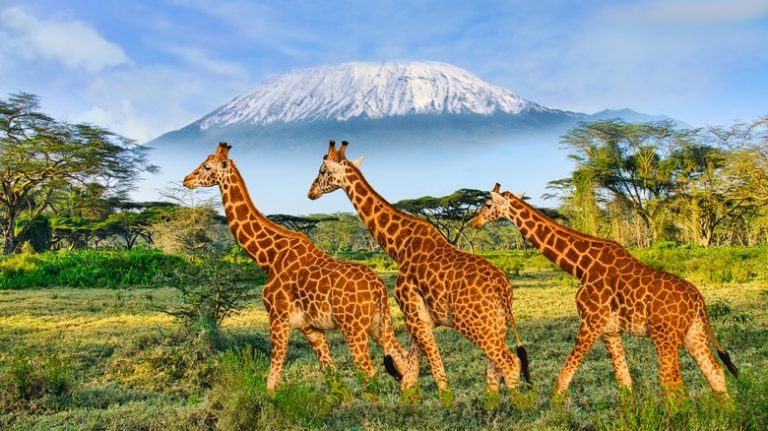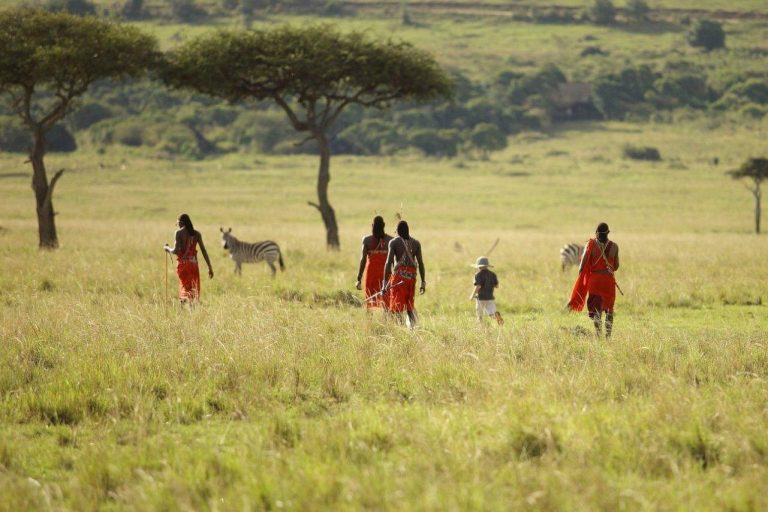

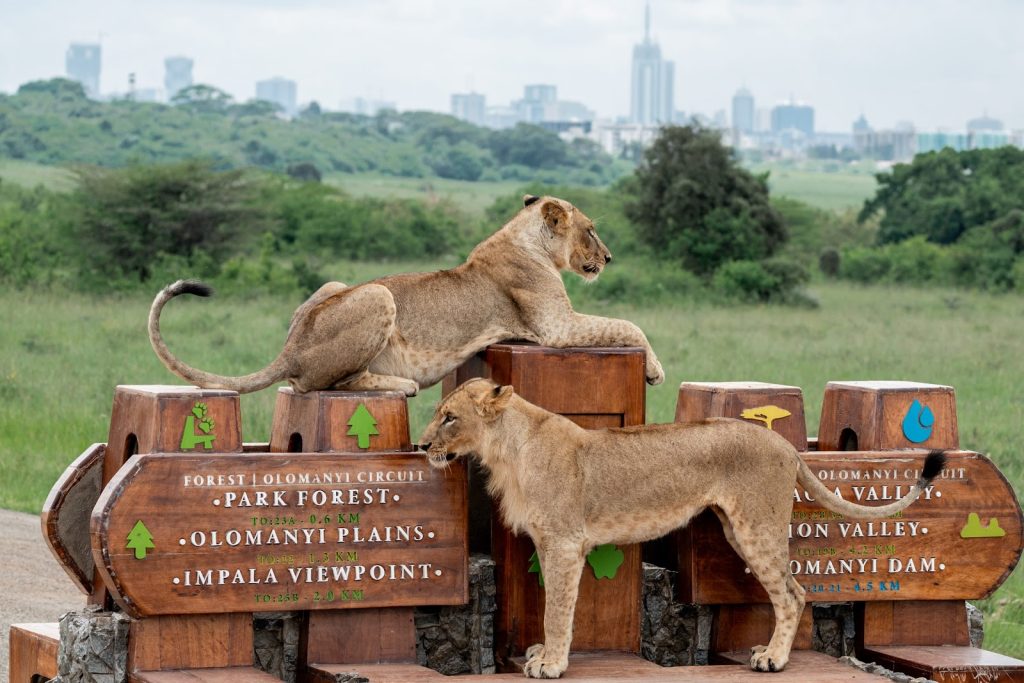
Nairobi National Park and the Maasai Mara aren’t really competing for the same trip — one is a 20-minute drive from the city centre, the other is a 13-times-larger reserve five to six hours away, and most travellers end up wanting some version of both. The comparison people actually need isn’t “which is better,” it’s “which one fits the time and budget I actually have.” Nairobi National Park delivers a genuinely wild half-day safari with real lions and one of Africa’s best rhino sanctuaries, minutes from Jomo Kenyatta International Airport. The Maasai Mara delivers the full safari experience — elephants, leopards, cheetahs, and, in season, the Great Migration — but it needs real time and a real budget to do properly. Here’s the honest, side-by-side breakdown.
Not Sure Which Fits Your Trip? Ask Us
Message us your dates and budget and we’ll tell you honestly whether Nairobi National Park, the Maasai Mara, or both make sense.
The Real Difference Isn’t Wildlife Quality — It’s Scale and Time
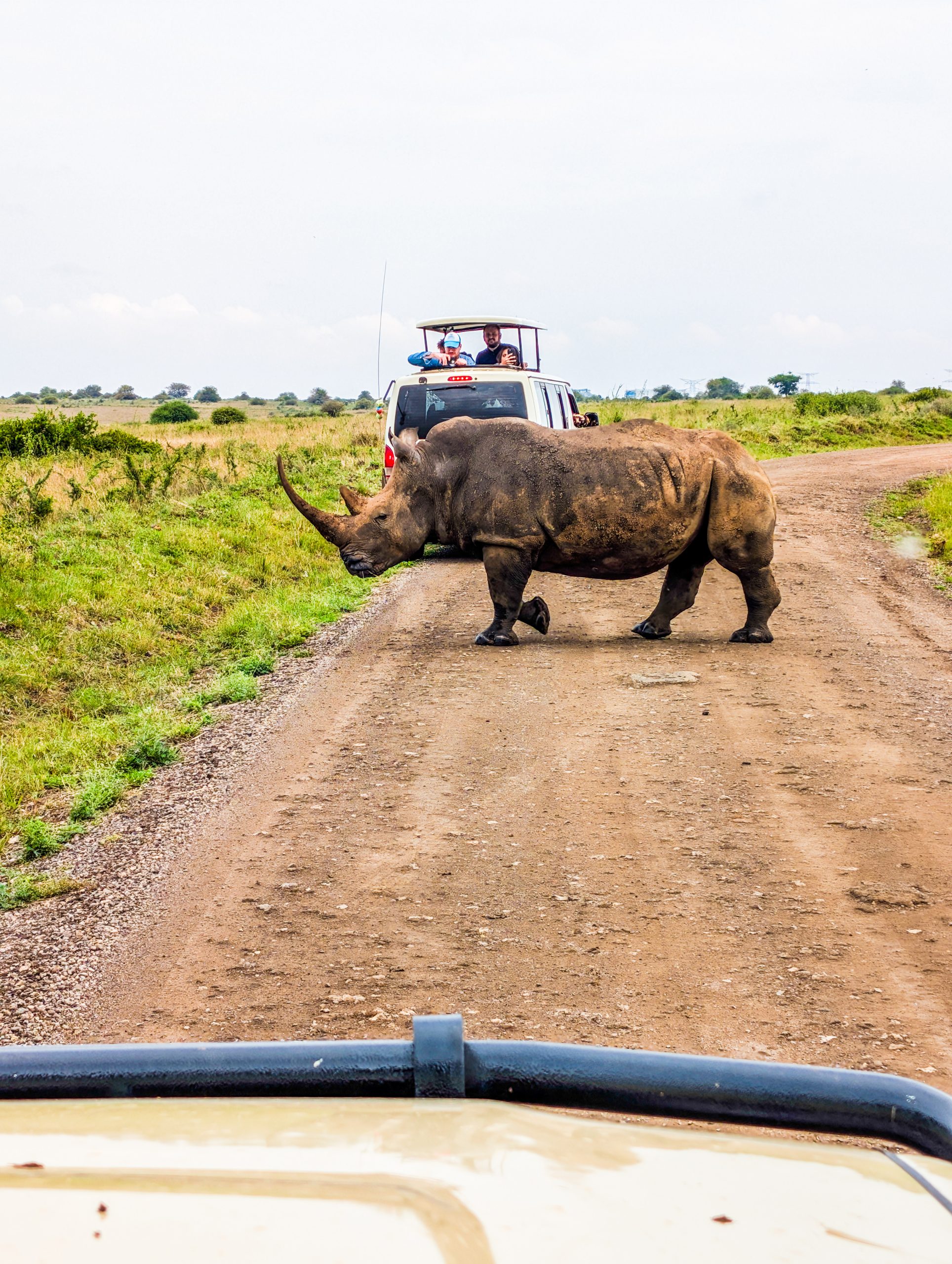
Nairobi National Park is a genuine, unscripted safari, not a zoo — lions hunt, rhinos wander, and giraffes browse metres from the city’s skyscrapers — but its small, largely fenced footprint means one major animal is missing: elephants, relocated decades ago because the park simply isn’t big enough to support their daily 100-150kg of vegetation and near-constant movement. The Maasai Mara solves that entirely: at 1,510km², roughly thirteen times the size of Nairobi National Park, it supports the full Big Five, far higher predator density, and — from July to October — the wildebeest and zebra herds of the Great Migration crossing the Mara River. That scale comes at a cost: where a Nairobi National Park visit is a half-day and a modest entrance fee, a proper Maasai Mara trip needs a minimum of two to three days and, in peak season (July-December), a non-resident entrance fee that doubles to $200 per adult per day, compared with $100 in the January-June low season.
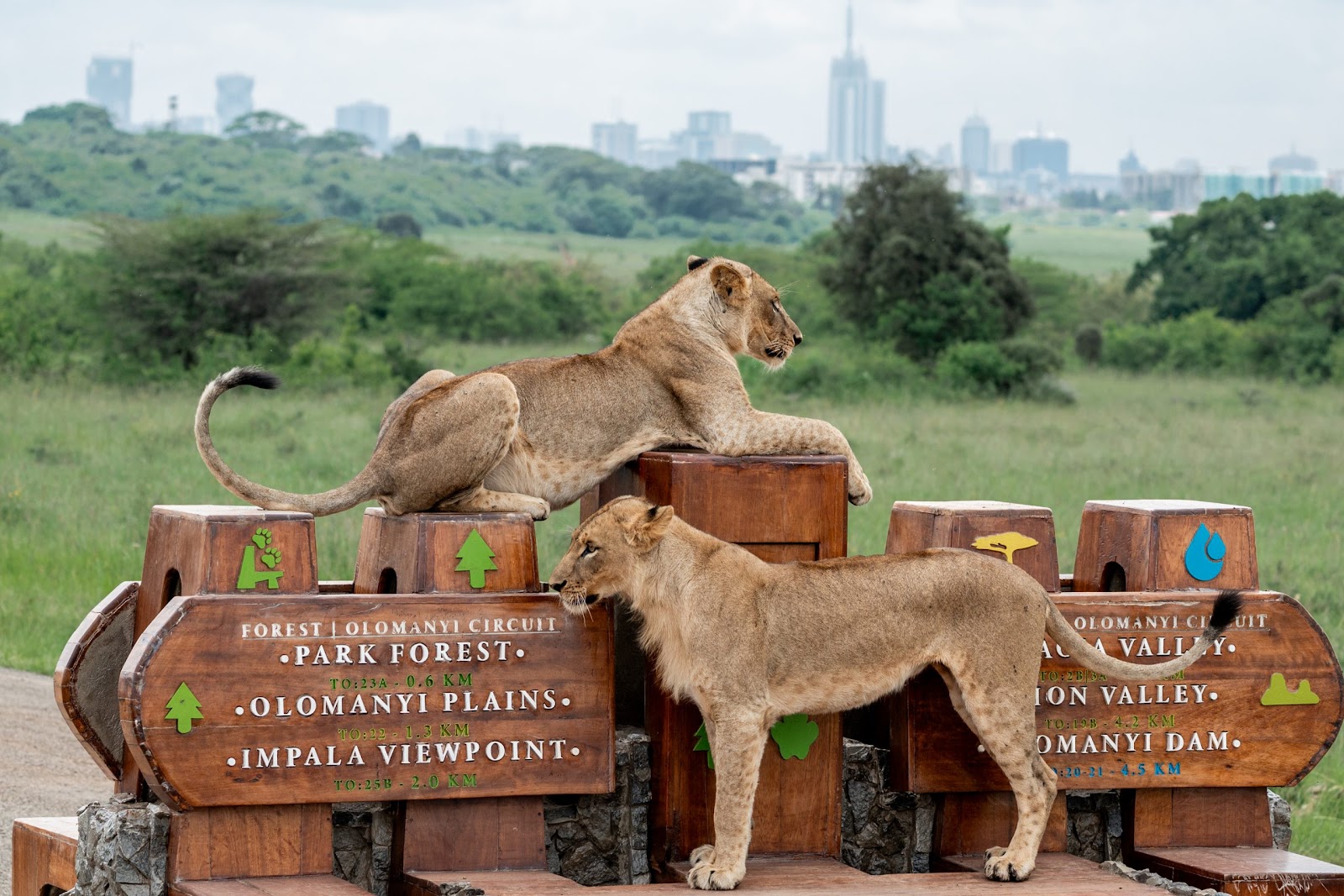
We did Nairobi National Park the morning we landed, purely to kill jet lag before our flight to the Mara two days later — and honestly it set the bar high, three lions and a black rhino before lunch. The Mara was a completely different scale of experience once we got there, but I’m glad we didn’t skip the city park thinking it would be a letdown.
— Sense of Adventure guest, Nairobi + Maasai Mara combined itinerary
How to Choose
Choose Nairobi National Park If Time Is Tight — layovers, half-day safaris, budget-conscious trips
Best for a JKIA layover, a spare morning before a flight, or a first taste of safari without committing days or a large budget. You’ll see lions, one of Africa’s best black rhino sanctuaries, giraffes, buffalo and 500+ bird species — genuinely wild, just without elephants. Book our Nairobi National Park Day Safari.
Choose the Maasai Mara If You Want the Full Safari — Big Five, migration season, multi-day immersion
Best if you have at least two to three days and want the complete experience — elephants, leopards, cheetahs, denser predator populations, and, from July to October, the Great Migration river crossings. Book our Fly-in Masai Mara Luxury Safari.
Do Both on the Same Trip — Nairobi as a bookend, the Mara as the main event
The most common real-world itinerary: a Nairobi National Park half-day on your arrival or departure day, either side of a longer Maasai Mara safari — no wasted time, and no need to choose one over the other.
We Can Build the Trip That Includes Both
Message us your dates and we’ll route a Nairobi National Park half-day around a Maasai Mara safari.
Nairobi National Park vs Maasai Mara Facts
- Size: Nairobi National Park 117km² vs Maasai Mara National Reserve 1,510km² — the Mara is roughly 13 times larger.
- Distance from Nairobi: Nairobi National Park is a 20-minute drive from the CBD; the Maasai Mara is 5-6 hours by road or about 45 minutes by light aircraft.
- Elephants: absent from Nairobi National Park (relocated due to the park’s small, fenced footprint); present in strong numbers in the Maasai Mara.
- Great Migration: exclusive to the Maasai Mara, roughly July to October, when wildebeest and zebra cross the Mara River.
- Minimum time needed: a half-day covers Nairobi National Park; the Maasai Mara needs a minimum of 2-3 days to be worthwhile.
- Entrance fees: Maasai Mara non-resident fees are seasonal — $100/adult (Jan-Jun) rising to $200/adult (Jul-Dec); Nairobi National Park fees stay flat year-round.
Planning Either (or Both)
If Nairobi National Park fits your trip, check our entrance fees breakdown and best time to visit guide. Heading to the Mara? Our Masai Mara from Nairobi guide covers the fly-vs-drive decision in detail.
Nairobi National Park, the Maasai Mara, or Both — We’ll Build It
Message us your travel dates and we’ll put together the right combination for your trip.
Frequently Asked Questions
Is Nairobi National Park worth visiting if I’m also going to the Maasai Mara?
Yes — they offer different experiences rather than overlapping ones. Nairobi National Park is a genuine half-day safari minutes from the airport, commonly used as a bookend on arrival or departure days around a longer Maasai Mara trip.
Why doesn’t Nairobi National Park have elephants?
The park’s small, largely fenced 117km² footprint can’t support elephants’ need for vast roaming range and 100-150kg of daily vegetation, so the population was relocated decades ago; elephants remain abundant in the much larger Maasai Mara.
How much bigger is the Maasai Mara than Nairobi National Park?
The Maasai Mara National Reserve, at roughly 1,510km², is about 13 times larger than Nairobi National Park’s 117km².
How long do I need for each park?
Nairobi National Park is comfortably covered in a half-day (3-4 hours); the Maasai Mara needs a minimum of 2-3 days to be worthwhile given the travel time and scale of the reserve.
Is it cheaper to visit Nairobi National Park than the Maasai Mara?
Yes — Nairobi National Park’s entrance fees stay flat year-round, while Maasai Mara non-resident fees are seasonal, doubling from $100 per adult (January-June) to $200 per adult (July-December) during peak migration season.