Laikipia vs Masai Mara is a choice between rhinos and space or big cats and drama. Laikipia’s private conservancies give you Kenya’s strongest rhino sanctuaries, night drives, walks and very few vehicles. The Masai Mara gives you dense lion, leopard and cheetah populations and, from roughly July to October, the Great Migration. With a week, you can enjoy both.
Sense of Adventure is a TRA-licensed safari company based at Mountain Mall on Thika Road, Nairobi. We plan private safaris to Laikipia and the Mara throughout the year, for independent travellers and for overseas travel agents. This guide sets out the wildlife, activities, seasons, access, cost drivers and sample routes, so you can decide where your safari days are best spent.
Laikipia vs Masai Mara: Not Sure Which Fits You?
Share your dates and interests. Our Nairobi team will weigh up Laikipia vs Masai Mara for you, or plan a private safari that combines both.
Laikipia vs Masai Mara at a Glance
Laikipia is a high plateau of private and community conservancies north of Nairobi, while the Masai Mara is a savannah reserve and conservancy belt in the south-west on the Tanzanian border. The table below sets out the differences that matter most when you plan.
| Laikipia vs Masai Mara | Laikipia | Masai Mara |
|---|---|---|
| Type of area | Patchwork of private and community conservancies and ranches | National reserve managed by county authorities, ringed by Maasai-owned conservancies |
| Location | Laikipia County, north-west of Mount Kenya, near Nanyuki | Narok County, south-western Kenya, bordering the Serengeti |
| Signature sightings | Black and southern white rhino, the last northern white rhinos, Grevy’s zebra, wild dog | Lion prides, leopard, cheetah, the Great Migration |
| Big Five | Yes, in conservancies such as Ol Pejeta and Lewa; rhino is the easiest | Yes, but rhino sightings are uncommon |
| Night drives and walks | Widely offered by conservancy camps | Not in the reserve; offered in the private conservancies |
| Crowds | Low; vehicle numbers set by each conservancy | Busy in the reserve in migration season; quieter in conservancies |
| Climate | Higher and drier; cool mornings, sunny days | Warm days, cool nights, greener grassland |
| From Nairobi | About 3 to 4 hours by road, or a short flight to Nanyuki or a conservancy airstrip | About 5 to 6 hours by road, or a short flight to a Mara airstrip |
| Ideal stay | 2 to 3 nights | 3 nights or more |
Laikipia vs Masai Mara in one line: go to Laikipia for rhinos, rare northern species and activities on foot; go to the Mara for big cats and the migration.
How Laikipia and the Masai Mara Are Run
In Laikipia vs Masai Mara, the biggest practical difference is ownership: Laikipia is almost entirely private and community land, while the heart of the Mara is a public reserve.
Laikipia: a Plateau of Conservancies
Laikipia sits on a high, open plateau between Mount Kenya and the edge of the Rift Valley. Former cattle ranches have become wildlife conservancies, often still working alongside livestock. Each conservancy sets its own rules, fees and guest numbers. Ol Pejeta, Lewa, Borana, Solio, Loisaba, Segera and Ol Jogi are among the best known. Ol Pejeta itself says the Laikipia region has the richest diversity of wildlife in Kenya outside the Maasai Mara.
Because the land is private, camps are small and spread out. You rarely share a sighting with more than one or two other vehicles. Many lodges are exclusive-use houses or intimate tented camps, which suits families and couples who want privacy. Our Laikipia Plateau safari guide covers the region conservancy by conservancy.
The Masai Mara: Reserve Plus Conservancies
The Masai Mara National Reserve is managed by Narok County, with the Mara Triangle in the west run by a non-profit operator on the county’s behalf. Around the reserve, Maasai landowners lease their land to conservancies such as Mara North, Naboisho and Olare Motorogi. These cap guest numbers and pay lease fees to local families.
The reserve has the open plains and the famous river crossings. The conservancies give you off-road driving, night drives, walks and far fewer vehicles. Our guide to Mara North vs Naboisho vs Olare Motorogi compares the main options, and choosing a Masai Mara camp location explains how location changes your days.
Big Five Compared: Laikipia vs Masai Mara Wildlife
Both regions hold the Big Five, but the Mara wins on big cats and Laikipia wins clearly on rhino.
Big Cats: Laikipia vs Masai Mara
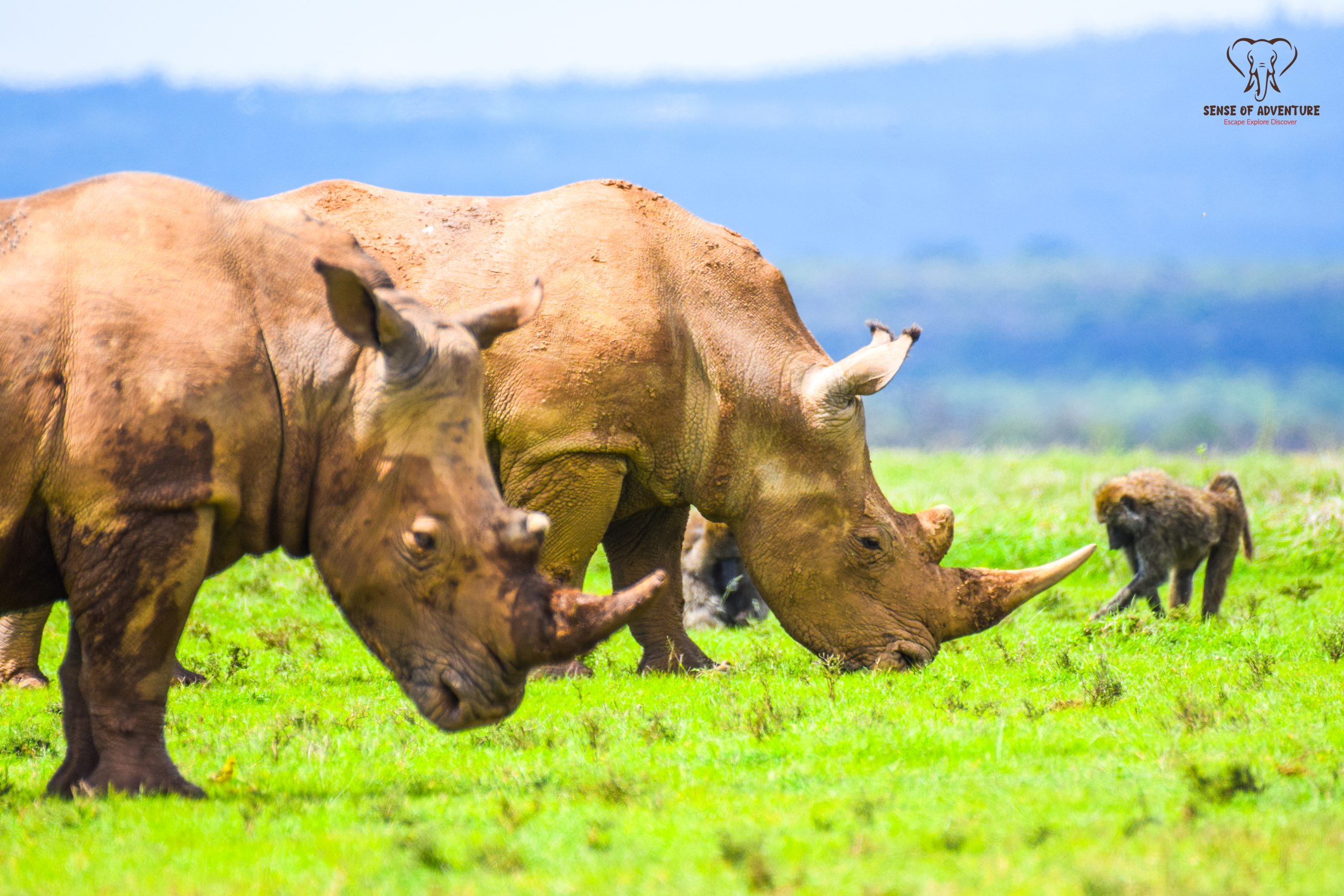
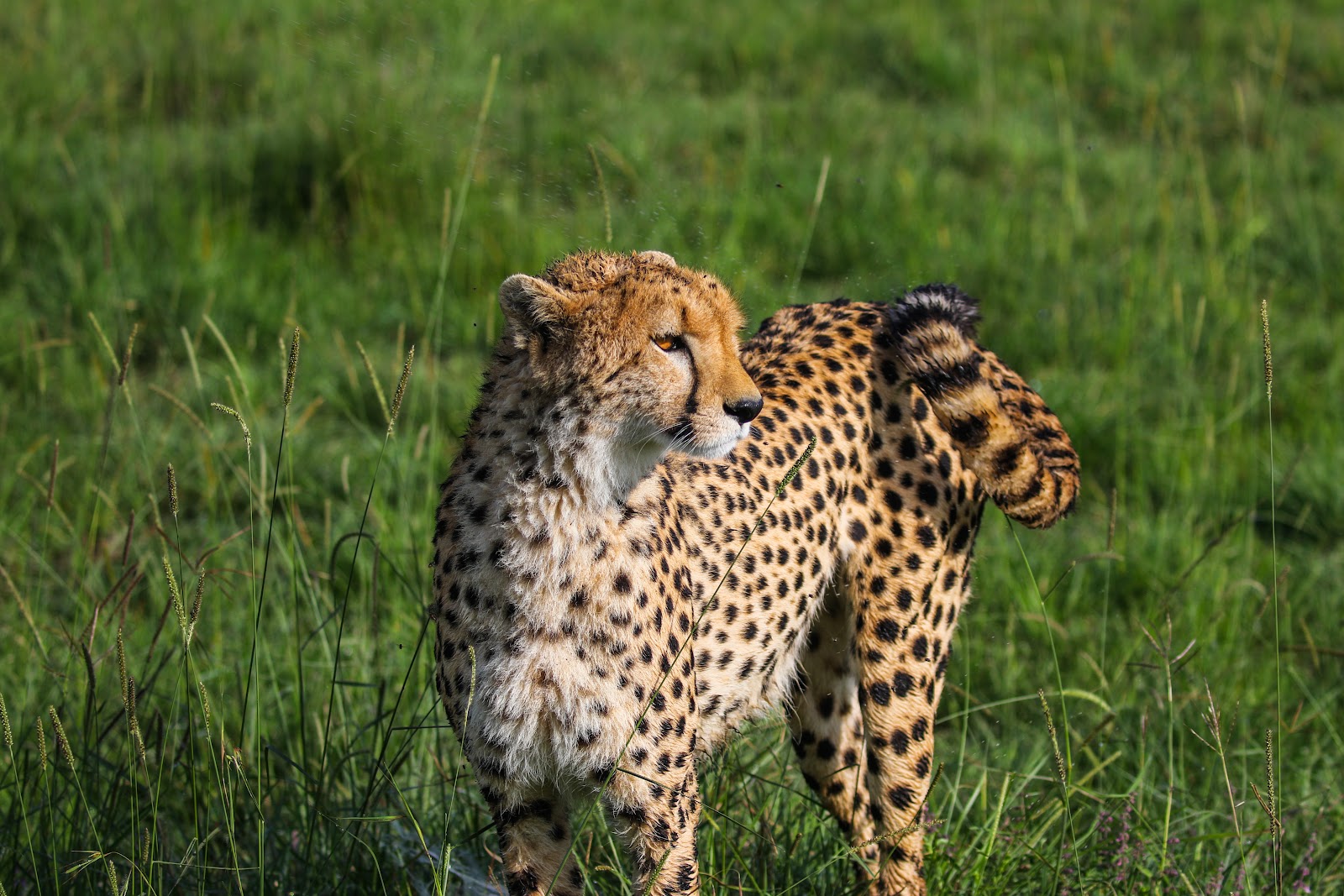
The Masai Mara is one of Africa’s great big-cat landscapes. Lion prides are seen on most game drives, leopards are regular along the riverine woodland, and cheetahs hunt on the short-grass plains. If seeing a hunt matters to you, the Mara gives you the best odds in Kenya.
Laikipia has lions, leopards and cheetahs too, but in thicker bush and at lower densities. Sightings take more searching and feel more personal when they come. Laikipia is also one of Kenya’s best regions for African wild dogs, which range widely and are never guaranteed.
Rhinos: Laikipia vs Masai Mara
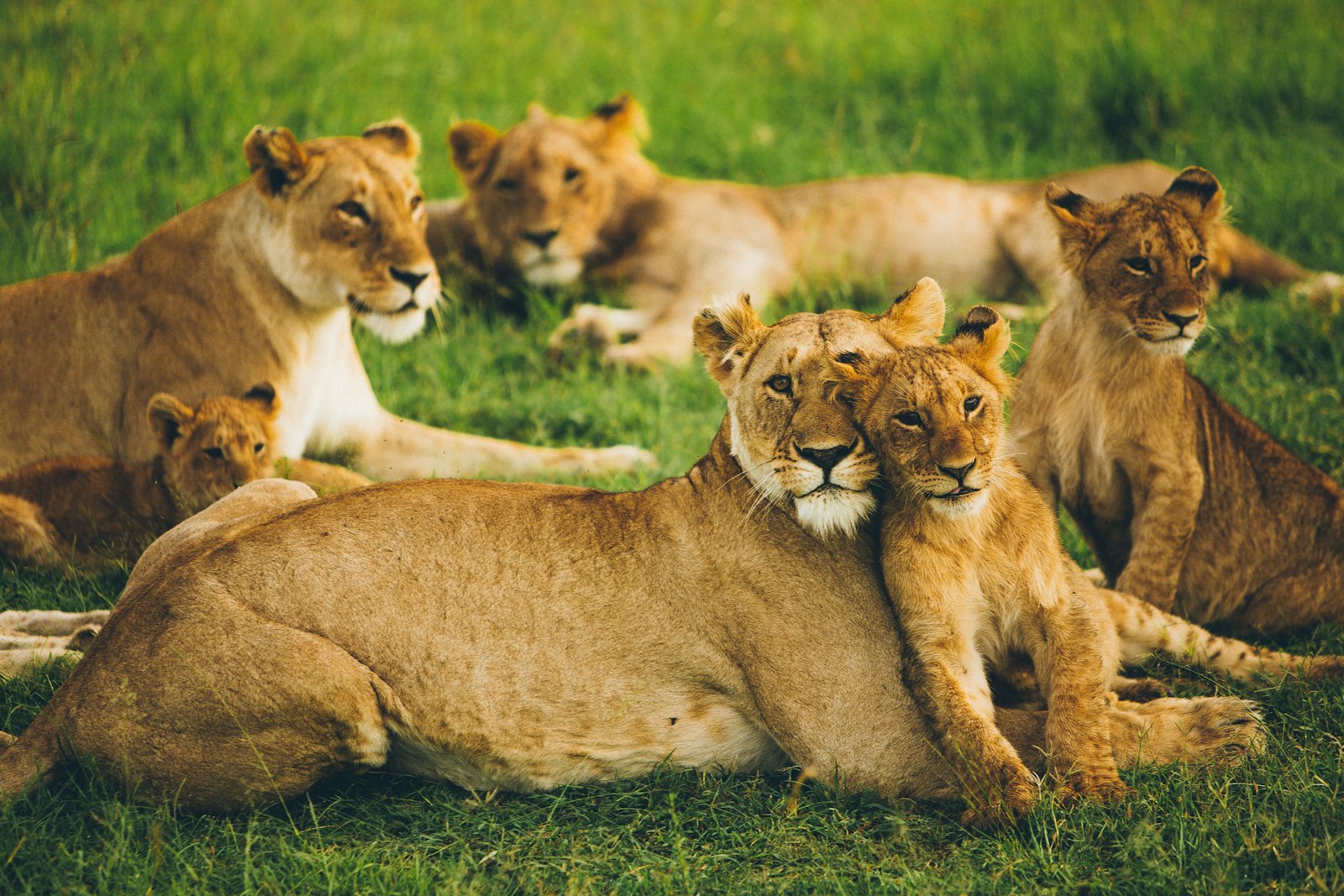
This is where Laikipia leads decisively. Fenced or partly fenced sanctuaries at Ol Pejeta, Lewa, Borana, Solio and others protect black and southern white rhinos under constant ranger monitoring. On a two-night stay, rhino sightings are highly likely. The Mara has a small black rhino population, mostly in thicker cover, and many visitors leave without seeing one.
Elephants and Buffalo in Laikipia vs Masai Mara
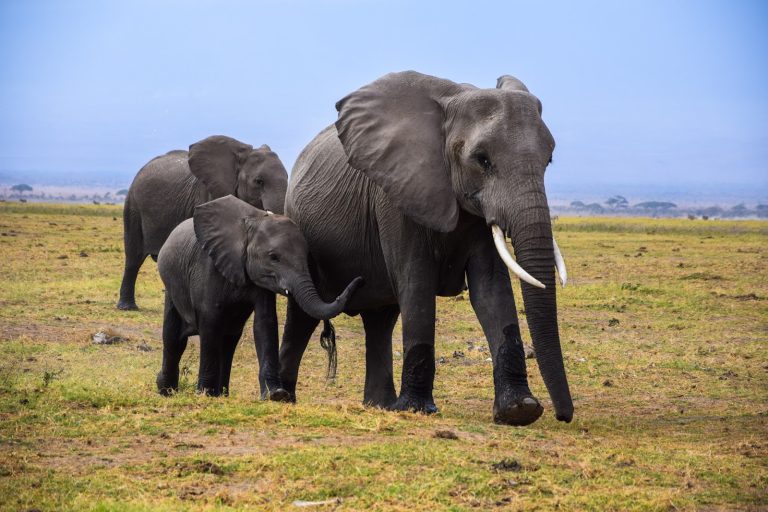
Elephants and buffalo are common in both. Laikipia’s elephants move between conservancies and the forests of Mount Kenya, and UNESCO notes Lewa as a traditional dry-season feeding area for them. In the Mara, large buffalo herds graze the plains and elephants favour the marshes and woodland edges.
Northern Species You Won’t See in the Mara
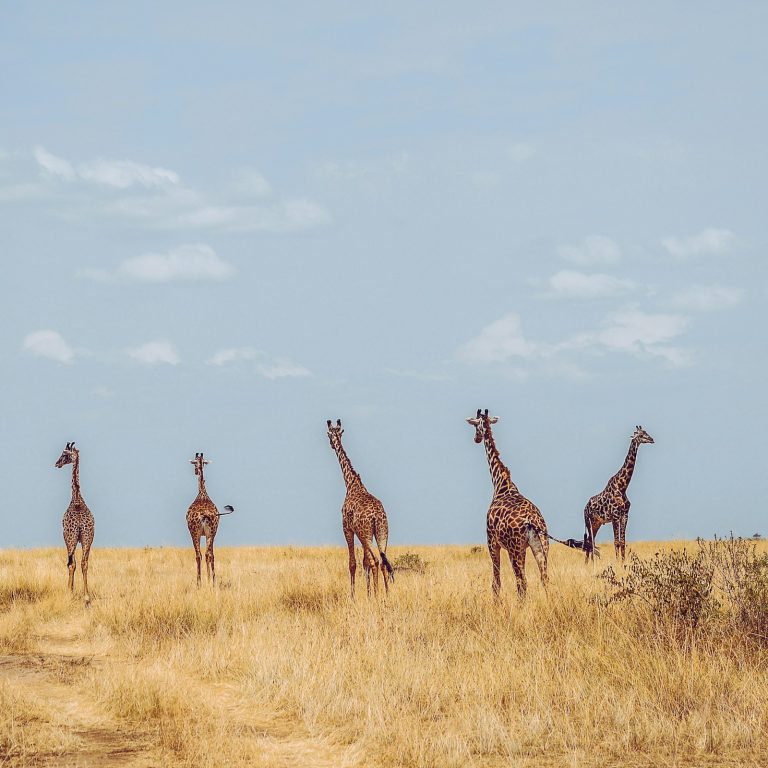
Laikipia’s drier northern habitats bring species absent from the Mara. Look for Grevy’s zebra, reticulated giraffe, Beisa oryx and, in the drier north, gerenuk. UNESCO records that Lewa and Ngare Ndare hold the largest resident population of Grevy’s zebra in the world. Ol Pejeta also runs Sweetwaters Chimpanzee Sanctuary, which it describes as the only place in Kenya to see chimpanzees. Read more in our guide to your chances of seeing the Big Five in Kenya.
Laikipia vs Masai Mara wildlife verdict: the Mara for big cats and sheer numbers, Laikipia for rhinos and rare northern species.
Rhino Sanctuaries: Why Laikipia Leads
On rhinos, Laikipia vs Masai Mara is barely a contest: Laikipia is the centre of Kenya’s rhino recovery, with several of the country’s most important sanctuaries within a few hours’ drive of each other.
Ol Pejeta Conservancy
Ol Pejeta describes itself as the largest black rhino sanctuary in East Africa. It also cares for the last northern white rhinos, guarded around the clock while an international science programme works to save the subspecies through assisted reproduction. In 2025 the Kenyan government moved a group of black rhinos from Ol Pejeta to a new sanctuary at Segera, also in Laikipia, to ease crowding. Numbers change, so we point you to the Ol Pejeta Conservancy website for current figures.
Ol Pejeta is also the easiest Laikipia conservancy to visit. It is close to Nanyuki, welcomes day visitors and offers a full Big Five. See our Ol Pejeta day trip from Nairobi guide if you are short on time, or compare it with its neighbour in Ol Pejeta vs Lewa.
Lewa, Borana and the Northern Conservancies
Lewa Wildlife Conservancy and the Ngare Ndare Forest were added to the Mount Kenya World Heritage Site by UNESCO in 2013. Lewa and neighbouring Borana share an open rhino landscape. Further north, Loisaba and others offer walking, riding and fly-camping in wilder country. Our Loisaba Conservancy guide explains that quieter side of the plateau.
Can You See Rhinos in the Mara?
Yes, but do not plan around it. The Mara’s black rhinos are few, shy and often in dense cover. If rhino is high on your list, spend at least one night in Laikipia, Lake Nakuru or Nairobi National Park as well.
Laikipia vs Masai Mara for rhinos: Laikipia, by a wide margin.
Safari Activities: Night Drives, Walks and Horseback
Laikipia offers the wider menu of activities, while the Mara’s extras depend on whether you stay inside the reserve or in a conservancy.
What You Can Do in Laikipia
Most Laikipia camps offer night drives, guided bush walks and sundowners in the bush. Many add horseback safaris, camel walks, mountain biking and visits to rhino tracking teams. Activities vary by conservancy and camp, so we confirm each one in writing before you book. Our Laikipia walking safari and Laikipia horseback safari show how these trips are built.
What You Can Do in the Masai Mara
Inside the reserve, game drives run in daylight only and off-road driving is restricted. Hot-air balloon flights at sunrise are the classic Mara extra. Conservancy camps add night drives and walks with Maasai guides. If night drives matter to you, choose a conservancy camp. Our guide to what to expect on a night drive explains how they work.
Laikipia vs Masai Mara for activities: Laikipia offers more variety; in the Mara, stay in a conservancy for night drives and walks.

Laikipia vs Masai Mara? Combine Both
Rhinos and walks in Laikipia, then big cats in the Mara. We arrange the vehicle, guide, camps, park fees and flights as one private safari.
Best Time to Visit: Laikipia vs Masai Mara by Season
Laikipia is good all year, while the Mara has a clear peak from roughly July to October when the migration herds are present.
Migration Season in the Mara
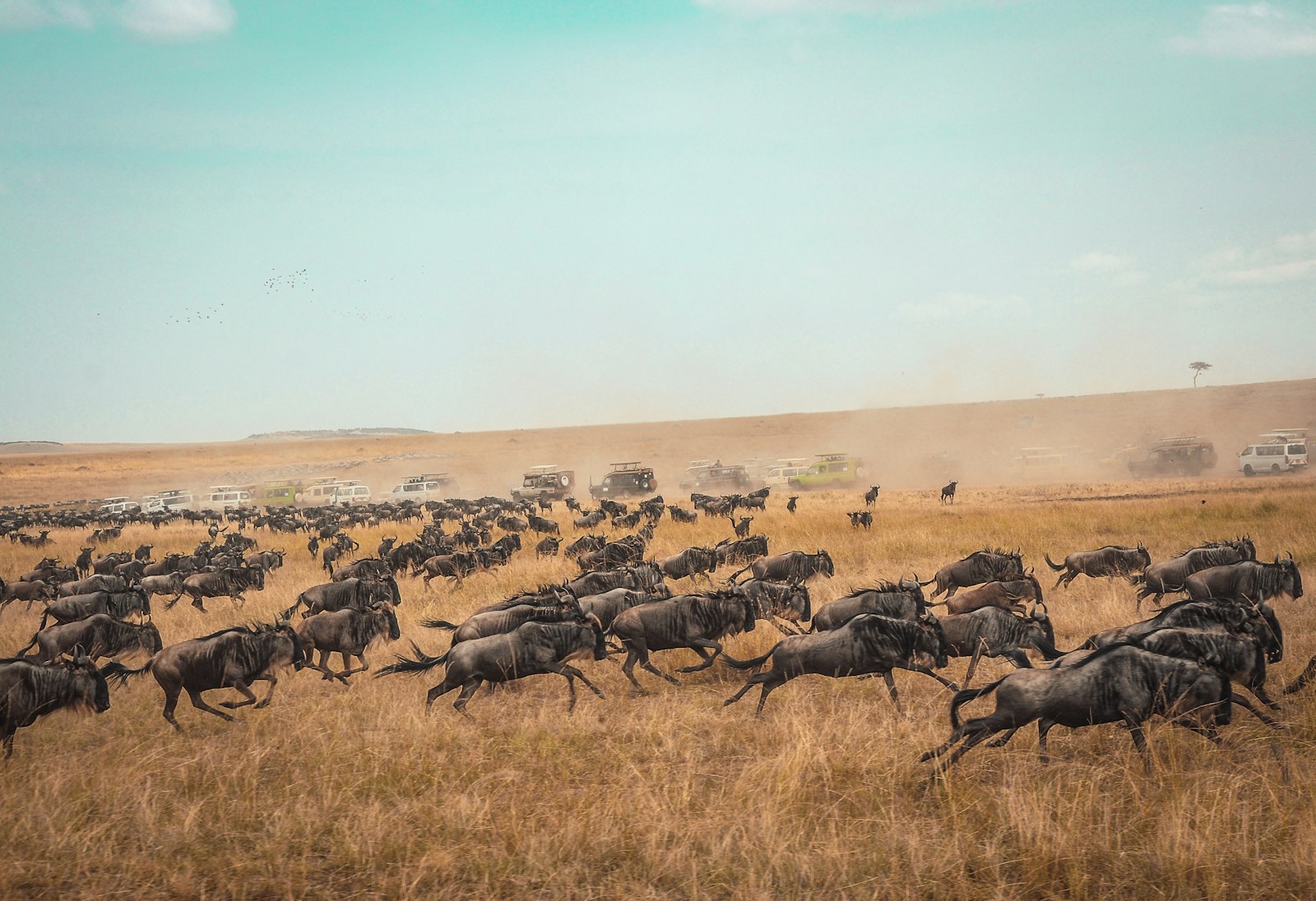
The wildebeest and zebra herds usually move north from the Serengeti into the Mara around July and stay until about October. River crossings on the Mara River are dramatic but unpredictable, and they also happen on the Tanzanian side. Timing shifts with the rains each year, so treat any month as a likely window rather than a promise. See our Great Migration safari page for planning details.
Rains and Green Season
Kenya has long rains, usually around March to May, and short rains around November and December. Laikipia is drier than the Mara and copes well with rain, so it remains a strong choice in these months. The Mara is still excellent for resident predators outside migration season, and rates and crowds are often lower.
Laikipia vs Masai Mara by season: July to October favours the Mara, while the rainy months favour Laikipia.
| Laikipia vs Masai Mara by Month | Laikipia | Masai Mara |
|---|---|---|
| January to February | Dry and excellent | Very good for predators, few crowds |
| March to May | Some rain, still good | Wettest period; some camps close |
| June | Dry and excellent | Good; herds may start to arrive |
| July to October | Dry and excellent | Peak migration season; busiest and highest rates |
| November to December | Short rains, green and quiet | Short rains; good value, strong cat viewing |
Getting There: Laikipia vs Masai Mara Access and Days
Laikipia is closer to Nairobi by road, the Mara is a longer drive, and both are a short light-aircraft flight from Wilson Airport.
By Road
Nanyuki, the gateway to Laikipia, is about three to four hours from Nairobi by road, depending on traffic. Ol Pejeta is a short drive beyond. The Mara is about five to six hours from Nairobi, with a scenic stop on the Rift Valley escarpment. Driving directly between Laikipia and the Mara takes most of a day, so we usually break the journey at Lake Nakuru or Lake Naivasha.
By Air
Scheduled light aircraft fly from Wilson Airport to Nanyuki, Lewa and other Laikipia airstrips, and to several Mara airstrips. Some routes link Laikipia and the Mara in one day, sometimes via Nairobi. Schedules and luggage limits change, usually around 15 kg in soft bags, so we confirm them when we book. Our guide to Masai Mara airstrips explains the options.
How Many Days to Allow
Give Laikipia at least two nights, or three if you want walking or riding. Give the Mara at least three nights, because big-cat viewing improves with time and river crossings need patience. Seven to eight days covers both comfortably by road with one stop between them. With flights, six days can work. Laikipia vs Masai Mara for access: Laikipia is quicker by road; by air, there is little difference.
Expert tip from our Nairobi team
Put Laikipia first and the Mara second. Laikipia’s walks and smaller camps are a gentle start after a long flight, and the Mara’s big-cat action makes a strong finish. If you are flying between them, keep luggage soft and light from the start, and leave a free half-day at the end in case a flight is rescheduled. Whatever you decide on Laikipia vs Masai Mara, more nights in fewer places almost always beats a rushed circuit.
Costs, Fees and Crowds: Laikipia vs Masai Mara
Both regions can be enjoyed in comfort, but Laikipia’s small private camps tend to cost more per night, while Mara costs climb sharply in migration season.
Park and Conservancy Fees
The Masai Mara reserve charges a daily entry fee set by the county, with higher rates in peak season. Laikipia conservancies charge their own conservation fees, usually included in your lodge rate. Mara conservancy camps also include a conservancy fee that supports Maasai landowners. Fees change often, so check our Kenya national parks entrance fees for 2026 before you budget. Travel agents can use our guide to Kenya park fees for tour operators.
What Drives the Price
Your total cost depends on camp choice, season, number of nights and whether you drive or fly. A private vehicle and guide adds comfort and flexibility. Our Kenya safari cost guide breaks this down, and we always quote with fees itemised so you can see exactly what you pay for.
Crowds and Vehicle Numbers
Laikipia rarely feels busy. The Mara reserve can see many vehicles at river crossings and big-cat sightings in peak season. Staying in a conservancy, starting early and having a private vehicle all help. See how to avoid crowds in the Masai Mara for practical ideas. Laikipia vs Masai Mara for crowds: Laikipia is quieter all year.
Laikipia vs Masai Mara: Who Each Region Suits
The right answer to Laikipia vs Masai Mara depends on what you want from your days, not on which name is more famous.
Choose Laikipia If You Want
- Reliable rhino sightings and a visit to a working rhino sanctuary.
- Walks, horseback riding and night drives as part of your safari.
- Privacy, exclusive-use houses and very few other vehicles.
- Rare northern species such as Grevy’s zebra and reticulated giraffe.
- A good safari in the rainy months, when the Mara is wetter.
Choose the Masai Mara If You Want
- The best chance in Kenya of seeing lions, leopards and cheetahs hunt.
- The Great Migration and Mara River crossings.
- Classic open savannah and a sunrise hot-air balloon flight.
- A first safari with big, memorable moments in a few days.
Families, Honeymooners and Older Travellers
Families weighing Laikipia vs Masai Mara often like Laikipia’s exclusive houses and child-friendly activities, though age limits apply to walks and riding. Honeymooners often pair a Laikipia hideaway with a Mara balloon flight. Travellers who prefer less time on the road should fly between the two. See our Kenya family safari packages and Kenya honeymoon safari pages for ideas.
Laikipia vs Masai Mara verdict: for a first safari with limited time, the Mara; for rhinos, privacy and walking, Laikipia; for the most complete Kenya safari, both.
How to Combine Laikipia and the Masai Mara
The simplest answer to Laikipia vs Masai Mara is to visit both, and a week is enough to do it well.
Sample 7-Day Route by Road
- Day 1: Nairobi to Ol Pejeta via Nanyuki; afternoon game drive.
- Day 2: Rhino sanctuary visit, chimpanzee sanctuary and a night drive.
- Day 3: Drive to Lake Nakuru for rhino and birdlife, or Lake Naivasha for a boat ride.
- Day 4: Continue to the Masai Mara; afternoon game drive.
- Days 5 and 6: Full days in the Mara, with an optional balloon flight.
- Day 7: Morning drive and return to Nairobi by road or air.
Ready-Made Itineraries
Our Ol Pejeta and Masai Mara Luxury Conservancy Safari pairs both regions in six days. The Kenya Highlights Safari adds Samburu and Lake Nakuru over nine days. For a slower Laikipia stay, try the Loisaba Conservancy luxury safari. Every trip can be tailored as a private Kenya safari.
Before You Travel
Whichever way you go on Laikipia vs Masai Mara, check entry rules and current advice before you book. UK travellers should read the FCDO Kenya travel advice, and all travellers can find official destination information from Magical Kenya, the Kenya Tourism Board. Comprehensive travel insurance that covers medical evacuation is essential for both regions.
Laikipia vs Masai Mara FAQs
Which is better, Laikipia vs Masai Mara?
In Laikipia vs Masai Mara, neither wins for everyone. The Masai Mara is best for lions, leopards, cheetahs and the Great Migration from about July to October. Laikipia is best for rhinos, rare northern species, walks, riding and night drives with very few vehicles. If you have a week or more, combining both gives you the most complete Kenya safari.
Does Laikipia have the Big Five?
Yes. Conservancies such as Ol Pejeta and Lewa hold lion, leopard, elephant, buffalo and rhino. Rhino is usually the easiest of the five to see in Laikipia, while lions and leopards need more searching than in the Mara. Two or three nights gives you a good chance of seeing all five.
Can you see rhinos in the Masai Mara?
Yes, but sightings are uncommon. The Mara has a small population of black rhinos that live mostly in thicker cover. If rhinos are a priority, add at least one night in a Laikipia sanctuary such as Ol Pejeta or Lewa, or visit Lake Nakuru or Nairobi National Park, where sightings are far more reliable.
How many days do you need for Laikipia and the Masai Mara?
Allow two to three nights in Laikipia and at least three in the Mara. Seven to eight days covers both comfortably by road, with a night at Lake Nakuru or Naivasha between them. If you fly between the regions, six days can work, though one more night always makes the trip more relaxed.
Are night drives allowed in the Masai Mara?
Not inside the Masai Mara National Reserve, where game drives run in daylight only. The private conservancies around the reserve, such as Mara North, Naboisho and Olare Motorogi, do offer night drives and walks. Most Laikipia conservancies also offer night drives, so you can enjoy them in either region if you choose the right camp.
Where can you see the last northern white rhinos?
The last northern white rhinos live at Ol Pejeta Conservancy in Laikipia, under constant protection while scientists work to save the subspecies. You cannot see them in the Masai Mara. Visits are arranged through Ol Pejeta, and access rules can change, so we confirm the current arrangements when we plan your safari.
Which costs more, Laikipia vs Masai Mara?
Laikipia camps are mostly small and exclusive, so nightly rates are often higher. Mara costs rise sharply from July to October, when reserve fees and camp rates peak. Both have cheaper green-season months. Your total depends on camps, season, nights and flights, and we quote every safari with park and conservancy fees itemised.
Laikipia vs Masai Mara: Enjoy the Best of Both
Kenya-based experts. Real local knowledge. Transparent pricing.
Sense of Adventure is a TRA-licensed Nairobi safari company. Message us and we will plan your Laikipia and Masai Mara safari. Email: reservations@senseofadventure.co.ke