A Kenya safari from India is one of the easiest long-haul wildlife trips an Indian traveller can take: Nairobi is only a few hours’ flight from Mumbai, Kenya is a short time zone away, and the Masai Mara offers the Big Five and the Great Migration within a week’s holiday.
Quick answer: to plan a Kenya safari from India, apply for an approved Kenya Electronic Travel Authorisation (eTA) on the official website, get a yellow fever vaccination, fly to Nairobi from Mumbai or via a Gulf hub, and spend at least five to seven days between the Masai Mara and Amboseli. The best windows for Indian holidays are July to October and the Diwali to Christmas period.
India and Kenya share a remarkable historical and cultural connection — from the early Indian Ocean trade routes to the significant Indian community that helped build colonial East Africa, the ties are deep. Today, thousands of Indian travellers make the journey to Kenya each year for safari, and the Masai Mara in particular has become a bucket-list destination for Indian families, couples, and wildlife enthusiasts. This guide is your complete, practical resource for planning a Kenya safari from India in 2026.
Table of Contents
Planning a Kenya Safari from India: Step by Step
Most of the planning for a Kenya safari from India can be done online in a few weeks. Here is the order we recommend:
- Choose your dates around Indian school and festival holidays, and decide whether you want the Great Migration (July to October) or quieter, better-value months.
- Choose your style: road safari, fly-in safari, family trip, honeymoon or a combined Kenya and Tanzania holiday.
- Book your safari and camps early if you are travelling over Diwali, Christmas or the peak migration months.
- Book flights from Mumbai, Delhi or your nearest city once your safari dates are fixed.
- Get your yellow fever vaccination and see a travel doctor about malaria tablets.
- Apply for your Kenya eTA on the official website a few weeks before you fly.
- Arrange travel insurance and check the latest entry steps for Kenya.
Do Indians Need a Visa for Kenya?
Indian passport holders need an approved Electronic Travel Authorisation (eTA) to enter Kenya. Kenya replaced its old visa system with the eTA in January 2024, so the former e-visa portal is no longer used for tourist trips. Apply only through the official Kenya eTA website, where the current fee, processing times and requirements are shown. Applying 2–3 weeks before travel is recommended to allow for any administrative delays.
Have these ready for the Kenya eTA application: a valid Indian passport (minimum 6 months validity beyond your travel dates), a recent passport-style photograph, your return flight details, proof of accommodation (your hotel/safari camp booking confirmations), and a payment card. Check the official site for any extra steps, such as travel health insurance, that apply at the time you travel.
The East Africa Tourist Visa covers Kenya, Uganda and Rwanda, and can be useful if you plan to add gorilla trekking to your trip. Tanzania is not included, so a combined Kenya and Tanzania safari needs separate entry permission for Tanzania. For a full explanation, see our guide to Kenya visa requirements and the eTA.
Direct Flights from India to Kenya
Kenya is well-connected from India’s major airports, with both direct and one-stop flight options:
- Mumbai (BOM) to Nairobi (NBO): Air India, Kenya Airways, and Emirates operate this route. Direct flights with Kenya Airways and Air India take approximately 5–6 hours. A non-stop connection from Mumbai is the most convenient option for western India travellers.
- Delhi (DEL) to Nairobi (NBO): Connecting through Dubai (Emirates, flydubai), Doha (Qatar Airways), or Addis Ababa (Ethiopian Airlines). Total journey time approximately 9–12 hours depending on connection.
- Bengaluru, Chennai, Hyderabad: Connections through Dubai, Doha, or Addis Ababa. Multiple airlines operate these routes with good frequency.
Return flight prices from India to Nairobi typically range from INR 35,000–90,000 per person depending on the airline, routing, and how far in advance you book. Peak travel periods (Diwali, Christmas, March-April school holidays) see higher fares — booking 3–4 months ahead for these windows is strongly recommended.
Airline schedules change often, so always confirm current non-stop and one-stop options when you book. Arriving in Nairobi in the morning or early afternoon makes it easier to start your Kenya safari from India the next day without rushing.
Best Time for Indian Travellers to Visit Kenya
Kenya’s safari season aligns well with Indian holiday windows:
- April-May (Summer holidays): The long rains season in Kenya — lower prices, lush green landscapes, but some road challenges. Good value for families willing to embrace the weather.
- October-November (Diwali holidays): An excellent window. The migration’s return south is still visible in early October; November offers beautiful post-rain landscapes at lower prices with excellent resident wildlife. This is one of our most recommended windows for Indian travellers.
- December-January (Winter/Christmas holidays): Very popular for Indian families. December is good value and festive; January is excellent for green-season wildlife and photography. Book camps well ahead for the Christmas week.
- July-August (Peak migration): The most dramatic Kenya safari experience — but peak-season prices apply. Families visiting in July-August school breaks will find the Masai Mara at its most dramatic and most expensive.
For a full breakdown of the Kenya safari calendar, see our guide to the best time to visit Masai Mara.
Recommended Kenya Safari Itineraries for Indian Travellers
5 Nights / 6 Days — Classic Kenya Safari:
Day 1: Arrive Nairobi, overnight at Nairobi hotel.
Day 2: Fly to Masai Mara, afternoon game drive.
Days 3–4: Full game drives in Masai Mara.
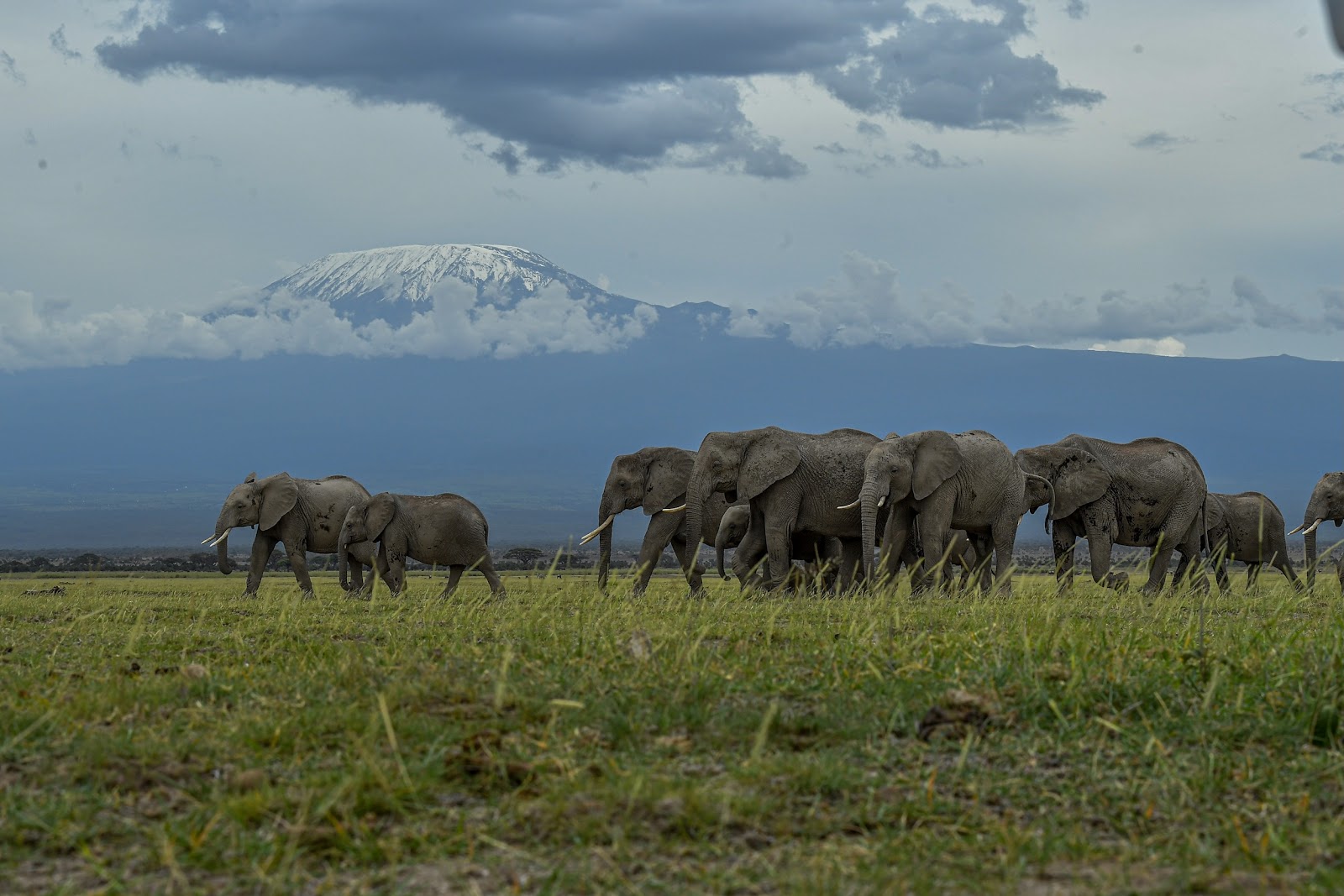
Day 5: Fly to Amboseli, afternoon drive with Kilimanjaro views.
Day 6: Morning drive in Amboseli, fly to Nairobi for departure.
7 Nights / 8 Days — Comprehensive Kenya:
Days 1–2: Nairobi (David Sheldrick Elephant Orphanage, Giraffe Centre).
Days 3–5: Masai Mara (3 nights, including possible balloon safari).
Days 6–7: Amboseli National Park.
Day 8: Nairobi, departure.
10 Nights / 11 Days — Kenya and Tanzania:
Days 1–2: Nairobi.
Days 3–6: Masai Mara (4 nights).
Days 7–9: Serengeti, Tanzania (3 nights).
Days 10–11: Zanzibar beach (2 nights).
Ready-made Kenya safari from India packages
If you prefer to start from an existing trip, these Sense of Adventure safaris work well for a Kenya safari from India and can be adjusted for vegetarian meals, family pacing and your flight times:
- 6 Day Kenya Safari — a classic first trip to the main parks.
- Kenya Highlights Safari — a wider loop for travellers with more time.
- Great Migration Safari: Kenya and Tanzania — follow the herds across both countries.
- Kenya Family Safari Package — gentle pacing for children and grandparents.
- Masai Mara Honeymoon Safari — a short, romantic escape for couples.
How Much Does a Kenya Safari from India Cost?
The total cost of a Kenya safari from India depends on four main things: your flights, your safari style, the season and the number of days. Return flights are covered above. On the ground, the biggest costs are accommodation, park fees, your vehicle and guide, and any light aircraft flights between parks.
- Road safaris in a private vehicle with a pop-up roof are the best value, especially for families and groups who can share the vehicle cost.
- Fly-in safaris cost more but save long drives, which suits short holidays and older travellers.
- Season matters: July to October and the Christmas week are the most expensive; the green season months are usually better value.
- Park fees are charged per person per day, and are normally included in a package price.
For realistic figures, see our Kenya safari cost guide and the budget safari Kenya guide. We are always happy to quote a Kenya safari from India in US dollars for your exact dates and group size.
Food Considerations for Indian Travellers
Kenya has a significant Indian-origin population and strong culinary connections to South Asian food traditions. In Nairobi, Indian restaurants are abundant and excellent — from street-level bhajia and samosa shops to fine dining. Inside the national parks and at safari camps, food is almost entirely Western/continental in style, though most reputable mid-range and luxury camps can accommodate vegetarian requirements with advance notice. If you follow strict dietary guidelines (Jain vegetarian, no egg, etc.), always communicate this to your safari operator when booking — we pass this information to every camp on your itinerary.
Our guide to food and dining on safari explains what vegetarian and vegan travellers can expect in camps and lodges.

Health and Vaccinations for Indian Travellers
Yellow fever vaccination is essential. Kenya is classed as a country with a risk of yellow fever, and India requires travellers arriving from such countries to show a valid yellow fever vaccination certificate on return. Without it, you may face quarantine when you land back in India. Get vaccinated at least 10 days before travel (the vaccine requires 10 days to be effective) and carry the certificate with your passport. Malaria prophylaxis is strongly recommended — consult your travel doctor for the appropriate regimen. Routine vaccinations (hepatitis A, typhoid) are also advisable for most visitors.
Rules can change, so confirm the current requirements with your travel clinic and airline before you fly.
Currency and Payments
The Kenyan Shilling (KES) is the local currency. USD is widely accepted at safari camps and hotels. It is worth carrying some USD cash for tips and incidental purchases in safari areas where card payment may not be available. INR is not accepted in Kenya — convert to USD before departure or withdraw KES on arrival at Nairobi airport (rates are fair at the airport). Most Nairobi hotels and restaurants accept major credit cards.
What a Day on a Kenya Safari from India Looks Like
Many first-time visitors ask what a typical day involves. On most days of a Kenya safari from India, you wake before sunrise with tea or coffee brought to your tent or room, then head out on a morning game drive while the air is cool and predators are most active. Some camps offer a picnic breakfast in the bush; others return to camp mid-morning.
The middle of the day is for lunch, rest, a swim or a short nap, because animals also shelter from the heat. In the late afternoon you set out again for a second drive, often ending with a sundowner as the light turns golden. Dinner is usually served at the lodge or around a campfire, and you go to bed early, ready to do it all again. In the Masai Mara, a full-day drive with a packed lunch is a good option during the migration season.
Kenya Safari from India for Families, Couples and Groups
Families
Indian families often travel with grandparents and young children, so pacing matters on a Kenya safari from India. We suggest staying at least three nights in the Masai Mara, choosing lodges with family rooms, and keeping road transfers short or flying between parks. Read our guide to the best Kenya safari for families for more ideas.
Honeymooners
Couples often combine three or four nights in the Masai Mara with a beach stay in Diani or Zanzibar. A sunrise balloon flight and a private bush dinner are popular extras. Our honeymoon safari in Kenya guide covers the options.
Groups and friends
Groups of friends and extended families get good value from a private vehicle shared between six or seven travellers. Corporate groups and incentive trips can add a night in Nairobi with team dinners or a city tour.
Practical Tips for Indian Travellers
- Time difference: Kenya is two and a half hours behind Indian Standard Time, so jet lag is minimal.
- Plugs: Kenya uses UK-style three-pin (Type G) sockets, so bring an adaptor for Indian plugs.
- Language: English and Swahili are Kenya’s official languages, and many Kenyans of Indian origin also speak Gujarati, Hindi or Punjabi.
- Places of worship: Nairobi and Mombasa have Hindu temples, gurdwaras, Jain temples and mosques if you wish to visit during your trip.
- Mobile data: local SIM cards are easy to buy at Nairobi airport with your passport, and mobile coverage is good in most safari areas.
- Clothing: pack neutral colours and a warm layer for early game drives. See our African safari packing list.
For wider ideas on what to see beyond the parks, the official tourism board site Magical Kenya is a useful resource.
Why Choose Sense of Adventure
We work with Indian travellers regularly and understand the specific requirements that make a difference — dietary needs, family pacing, budget structures, holiday timing, and the desire for a genuinely comprehensive and well-organised experience. We handle everything: visa documentation guidance, Nairobi hotel recommendations, in-country flights, camp selection across every budget, and the day-to-day logistics that make your Kenya trip stress-free from arrival to departure. Our team is reachable on WhatsApp — the most convenient communication channel for most of our Indian guests.
Kenya Safari from India: Frequently Asked Questions
Is a Kenya safari from India worth it?
Yes. Kenya offers some of Africa’s best wildlife viewing only a few hours’ flight from Mumbai, with a small time difference and strong cultural links to India. The Masai Mara alone offers the Big Five, big cat sightings and, from July to October, the Great Migration. Many Indian travellers find it easier than safaris further south.
How many days do I need for a Kenya safari from India?
Plan at least six days on the ground for the Masai Mara and one other park, such as Amboseli or Lake Nakuru. Eight to ten days gives time for three parks or a beach stay. Add your flight days to and from India, and avoid very short trips during peak season, when camps fill quickly.
Do Indian citizens need a visa for Kenya in 2026?
Indian citizens need an approved Kenya Electronic Travel Authorisation (eTA) rather than a traditional visa. Apply online through the official etakenya.go.ke website a few weeks before travel, and check the current fee and requirements there. Carry a printed or digital copy of your approval along with your passport.
Is yellow fever vaccination required for Indians visiting Kenya?
Yes, in practice. India requires travellers returning from countries with a yellow fever risk, including Kenya, to show a valid vaccination certificate. Without it, you may be quarantined on arrival in India. Get vaccinated at least 10 days before departure and keep the certificate with your passport throughout the trip.
Can I get vegetarian food on a Kenya safari from India?
Yes. Most mid-range and luxury camps prepare vegetarian meals, and many can manage Jain, no-egg or other strict diets if told in advance. Nairobi also has many excellent Indian restaurants. Share your dietary needs when you book, and your safari operator will pass them to every lodge and camp on your route.
Or call us: +254 799 160 081 — we are happy to help plan your safari.