
Yes, most travellers see the Big Five in Kenya on a safari of five days or more. Buffalo, elephants and lions appear on almost every trip, leopards on most, and rhinos if your route includes a sanctuary such as Lake Nakuru, Ol Pejeta or Nairobi National Park. Nobody can promise all five, but good planning raises your odds.
Sense of Adventure is a licensed, Nairobi-based safari operator (TRA licence TRA1/47/C01/77087), and “Will we see the Big Five?” is one of the first questions our guests ask. This guide gives you honest, animal-by-animal chances, park-by-park ratings, the best months and the itinerary choices that make the biggest difference, so you can plan with realistic expectations.
Table of Contents
✅ The Big Five in Kenya: The Quick Answer
- What they are: lion, leopard, elephant, buffalo and rhino, a term first used by hunters, now a wildlife-watching checklist.
- Easiest: buffalo and elephant, seen on nearly every Kenyan safari.
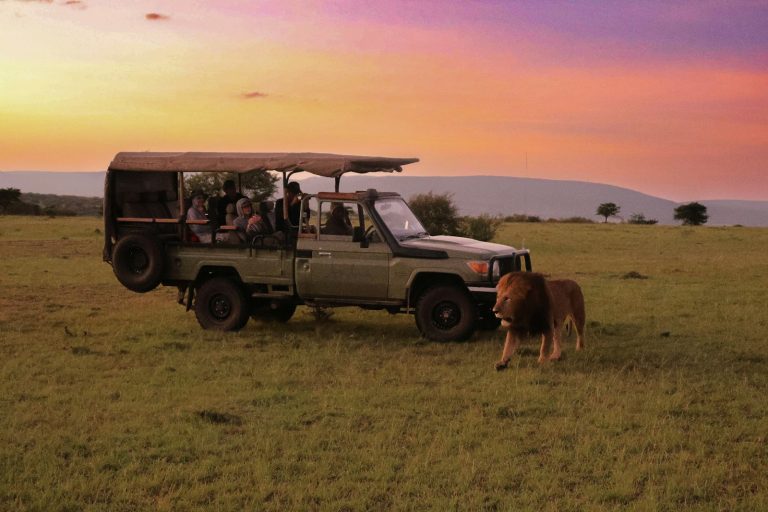
- Usually seen: lions, especially in the Masai Mara, which has some of Africa’s densest lion populations.
- Needs time and luck: leopards; two to three nights in a good area improves your chances.
- Needs the right park: rhinos, which live mainly in protected sanctuaries such as Lake Nakuru, Ol Pejeta and Nairobi National Park.
- Best plan: five or more days combining the Masai Mara with a rhino sanctuary.
🌎 Want the Best Chance of All Five?
Tell us your dates and how many days you have, and we will suggest a route built around the Big Five in Kenya. 💬 WhatsApp Us Now or call +254 729 837 481
Will You See the Big Five in Kenya? The Honest Answer
You have a very good chance of seeing the Big Five in Kenya if you visit at least two well-chosen parks over five days or more, but there is never a guarantee.
Wildlife is wild. Animals move with rain, grazing and prey, and they do not follow a timetable. What we can say honestly is that the patterns for the Big Five in Kenya are well known. Buffalo and elephants are widespread. Lions are reliable in the Masai Mara. Leopards are present in many parks but shy. Rhinos are the real challenge, because Kenya protects most of them inside fenced sanctuaries and heavily guarded parks.
That is why the Big Five in Kenya is mostly a planning question. A three-day Masai Mara trip can show you four of the five easily, but rhinos there are scarce. Add one night at Lake Nakuru or Ol Pejeta and the rhino becomes much more likely. If you would like a deeper itinerary plan, read our Big Five safari Kenya itinerary guide; this article focuses on the real chances for each animal.
Why nobody can guarantee the Big Five
- Animals roam freely: even in fenced sanctuaries, rhinos and leopards can hide in thick bush for days.
- Weather changes behaviour: after heavy rain, grass grows tall and animals spread out.
- Park rules matter: in national parks and reserves, vehicles must stay on tracks, so a leopard 200 metres into a thicket may stay out of view.
- Time is the biggest factor: every extra game drive adds another chance.
Be wary of any company that promises the Big Five in Kenya on a short trip. A better promise is an experienced guide, enough game-drive time and a route that includes the right habitats.
Your Chances of Seeing Each of the Big Five
Your chances differ hugely by animal, from almost certain for buffalo to dependent on location for rhino.
| Animal | Chance on a 5–7 day safari | Best places in Kenya | What helps most |
|---|---|---|---|
| Buffalo | Very high | Masai Mara, Lake Nakuru, Amboseli, Ol Pejeta | Almost any game drive |
| Elephant | Very high | Amboseli, Masai Mara, Tsavo, Samburu | Amboseli for big herds |
| Lion | High | Masai Mara, Ol Pejeta, Nairobi National Park | Two or more nights in the Mara |
| Leopard | Moderate to good | Masai Mara, Samburu, Lake Nakuru | Several drives, riverine woodland |
| Rhino | High only with a sanctuary | Lake Nakuru, Ol Pejeta, Nairobi National Park, Lewa | Including a rhino stronghold |
Buffalo: the easiest of the Big Five in Kenya
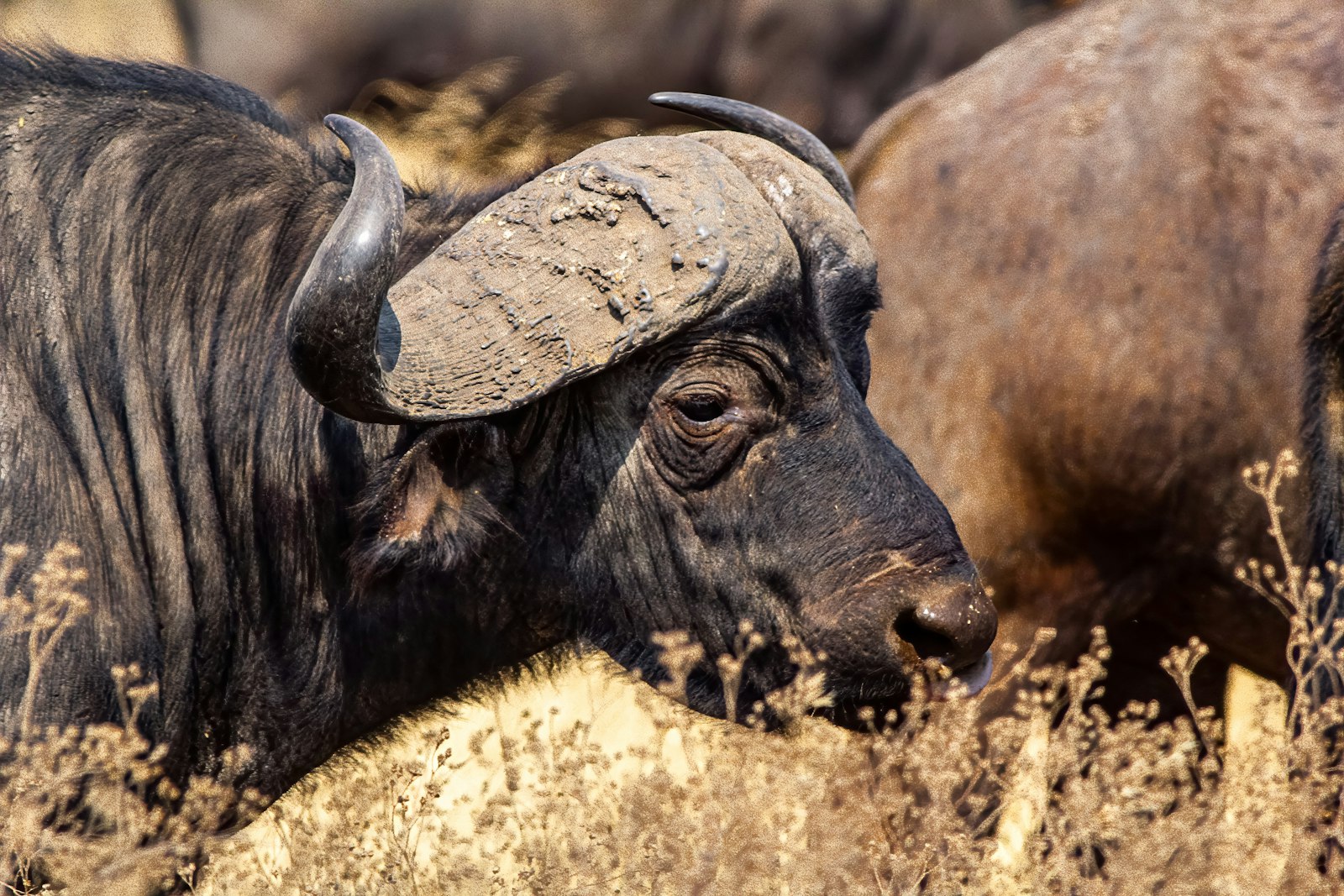
Cape buffalo live in herds of dozens to hundreds and graze in the open, so you will almost certainly see them on your first day. They are common in the Masai Mara, Lake Nakuru, Amboseli, Ol Pejeta and the Aberdares. Old bulls, often called “dagga boys”, rest alone near swamps and mud wallows.
Elephant: seen on almost every safari
Kenya has a healthy elephant population, and herds are easy to find in Amboseli, the Masai Mara, Tsavo East, Tsavo West and Samburu. Amboseli is the standout, with family groups crossing open plains beneath Kilimanjaro. Two parks where you will not see wild elephants are Lake Nakuru and Nairobi National Park, which is why combining parks matters for the Big Five in Kenya.
Lion: very likely in the Masai Mara
The Masai Mara ecosystem is one of the best places in Africa to see lions, with prides that are seen regularly by guides in both the reserve and the surrounding conservancies. Lions also live in Ol Pejeta, Nairobi National Park, Lake Nakuru, Amboseli, Tsavo and Meru. Most guests on a two- or three-night Mara stay see lions several times.
Leopard: the one that needs patience
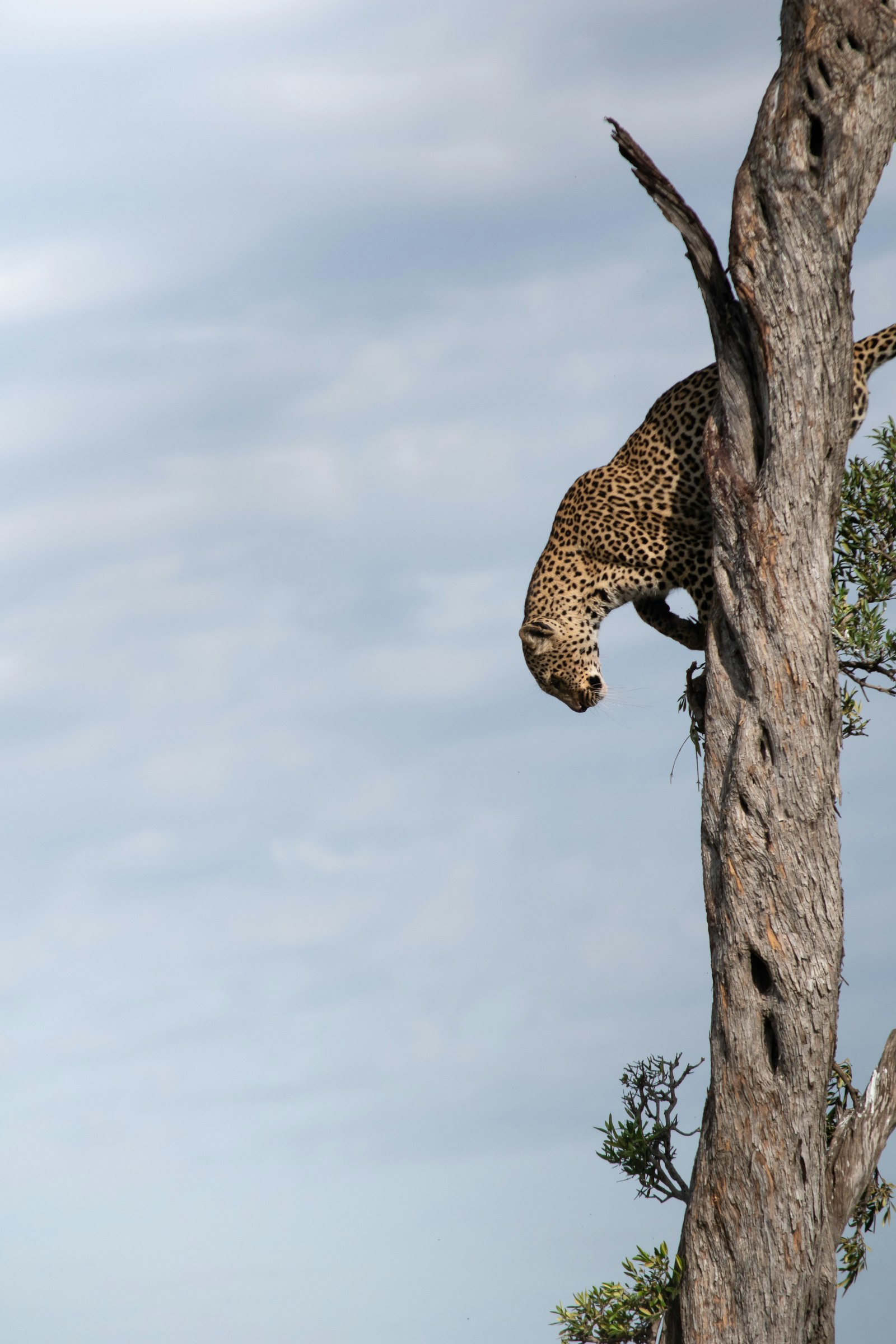
Leopards are found across Kenya but are solitary, well camouflaged and most active at night. Guides look for them in trees along rivers and on rocky outcrops at dawn and dusk. The Masai Mara, Samburu and Lake Nakuru give good chances, and conservancies that allow night drives add more. Of the Big Five in Kenya, it is the one many guests miss on short trips, though most see one on a week-long safari.
Rhino: the hardest of the Big Five in Kenya
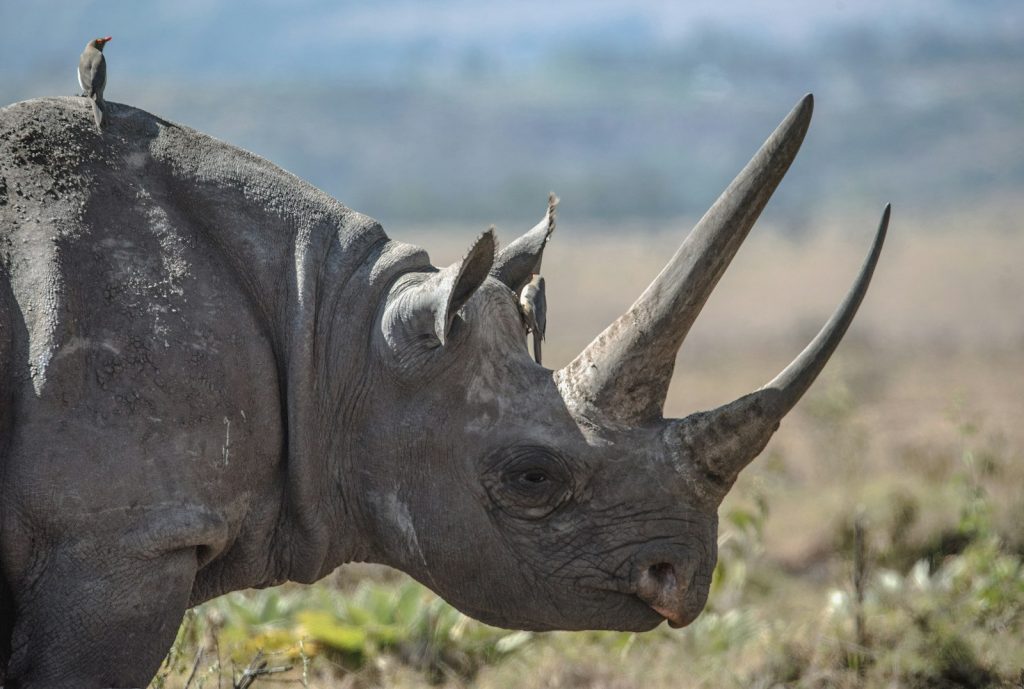
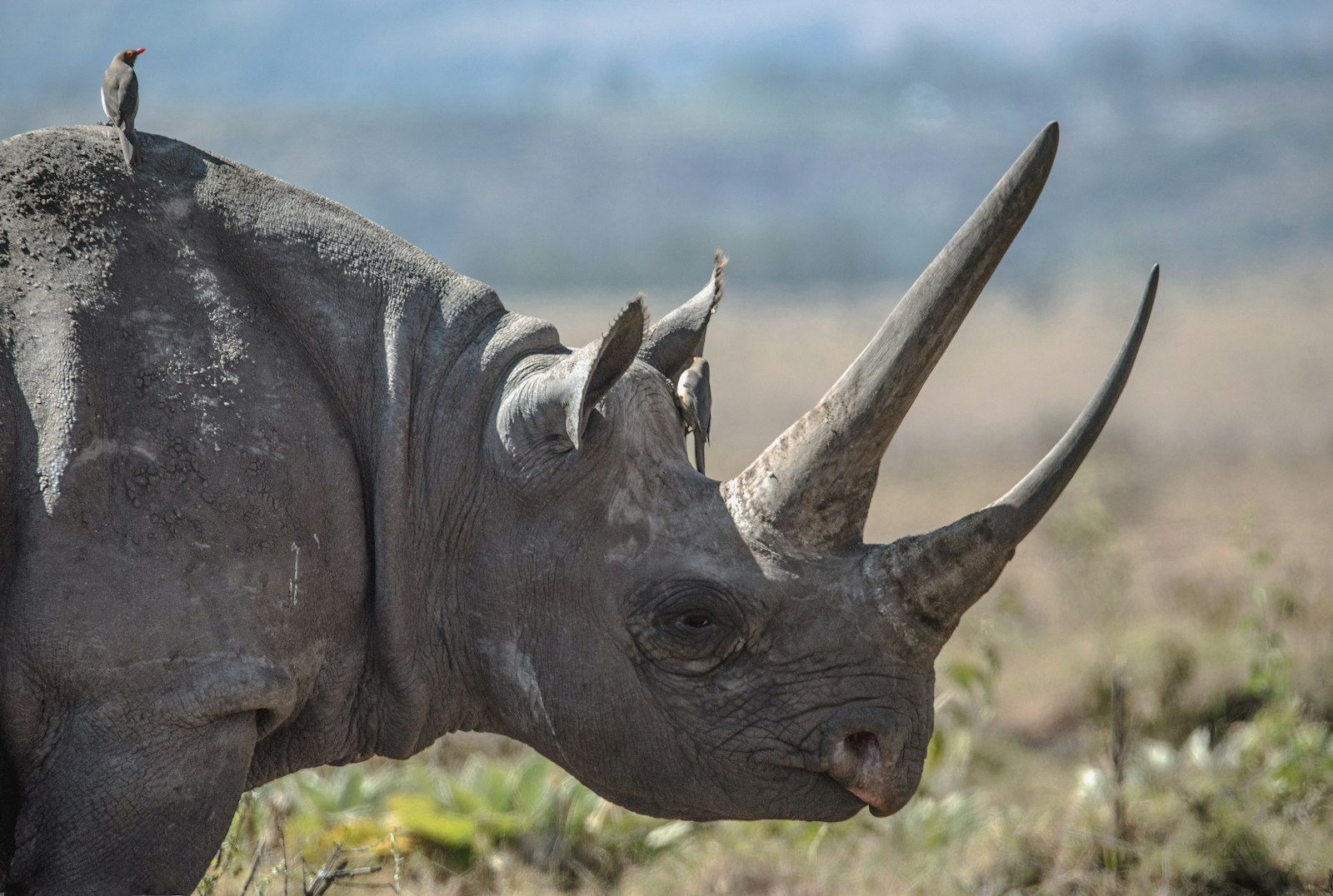
Rhinos are the animal that decides whether you complete the Big Five in Kenya. Kenya’s rhino numbers are growing; local reports of the latest Kenya Wildlife Service figures put the national total at about 2,282 in 2025, up from 2,102 a year earlier. But most of them live in protected sanctuaries. The 2025 census counted 54 rhinos across the whole Masai Mara National Reserve and Mara Triangle, spread over a huge area, so sightings there are a bonus rather than an expectation.
Where to See the Big Five in Kenya: Park-by-Park Ratings
Only a few parks hold the Big Five in Kenya together, and in most of them at least one is hard to find.
| Park or conservancy | Lion | Leopard | Elephant | Buffalo | Rhino |
|---|---|---|---|---|---|
| Masai Mara | ✔ | ✔ | ✔ | ✔ | ◐ |
| Ol Pejeta Conservancy | ✔ | ◐ | ✔ | ✔ | ✔ |
| Lake Nakuru | ✔ | ◐ | ✘ | ✔ | ✔ |
| Nairobi National Park | ✔ | ◐ | ✘ | ✔ | ✔ |
| Amboseli | ✔ | ◐ | ✔ | ✔ | ✘ |
| Samburu | ✔ | ✔ | ✔ | ✔ | ✘ |
| Tsavo West | ◐ | ◐ | ✔ | ✔ | ◐ |
| Meru | ◐ | ◐ | ✔ | ✔ | ✔ |
Masai Mara
The Mara is Kenya’s best all-round park for big cats, elephants and buffalo, and the Great Migration adds huge herds from about July to October. Rhinos are present but few, and they are more often reported in the Mara Triangle and quieter western areas. For an honest look at migration timing, see is the Great Migration guaranteed?
Ol Pejeta Conservancy
Ol Pejeta in Laikipia, about four hours’ drive north of Nairobi, holds all five and has East Africa’s largest black rhino population, plus white rhinos and the last two northern white rhinos. It is one of the best single places to complete the Big Five in Kenya. Our Ol Pejeta day safari is possible from Nairobi, though an overnight stay gives far more time.
Lake Nakuru National Park
Lake Nakuru is a fenced park in the Rift Valley with good numbers of both black and white rhinos, plus lions, buffalo and the occasional leopard. It has no elephants, so it works best paired with the Masai Mara, which sits about four to five hours away by road.
Nairobi National Park
Just outside the capital, Nairobi National Park is one of Kenya’s best rhino parks and also has lions, buffalo and leopards, but no wild elephants. A morning game drive on arrival or before your flight home can add rhino to your Big Five in Kenya list. See our Big Five in 24 hours guide for how that works.
Amboseli, Samburu and Tsavo
Amboseli is superb for elephants but has no rhinos for visitors to see, and leopards are rare. Samburu has excellent leopards but no rhinos in the reserve; read does Samburu have the Big Five? Tsavo West has a rhino sanctuary at Ngulia, but its thick bush makes every sighting harder.
How Many Days You Need to See the Big Five in Kenya
Five to seven days with two or three parks gives most travellers a strong chance of seeing all five, while two or three days usually gives you four.
| Trip length | Typical route | Realistic outcome |
|---|---|---|
| 1 day | Nairobi National Park | Rhino, buffalo and possibly lion; no elephants |
| 2–3 days | Masai Mara only | Lion, elephant and buffalo very likely; leopard possible; rhino unlikely |
| 4–5 days | Masai Mara + Lake Nakuru or Ol Pejeta | Good chance of all five |
| 6–8 days | Mara + rhino sanctuary + Amboseli or Samburu | Best chance, plus more time for leopard |
Every extra full day gives you two more game drives, which matters most for leopard. For general advice on trip length, read how many days you need for a Kenya safari.
Expert tip from our Nairobi team: if your heart is set on the Big Five in Kenya, give the Masai Mara at least two full days and add one rhino park. That combination does more for your chances than adding a third or fourth park with only one night in each.
Best Time of Year for Big Five Sightings
The dry seasons, from late June to October and from late December to February, are the easiest months for the Big Five because grass is shorter and animals gather near water.
Kenya has two rainy seasons: the long rains, roughly April to May, and the short rains, roughly November to early December. Rain does not stop game drives, and the Big Five in Kenya do not leave. But tall grass can hide lions and leopards, and some tracks become muddy. The upside is fewer vehicles and often lower rates.
- July–October: peak season in the Mara, with the migration attracting predators; busier and higher priced.
- January–February: dry, hot and green after the short rains; excellent for big cats.
- March and June: shoulder months with good value and still decent viewing.
- April–May: long rains; lush scenery and quiet parks, but harder viewing in tall grass.
- November: short rains, usually afternoon showers; good value and newborn animals.
Check our Kenya weather by month guide and the Kenya Meteorological Department at meteo.go.ke for current forecasts close to travel.
What Improves Your Chances of Seeing the Big Five in Kenya
Time, a good guide, the right vehicle and smart park choices improve your chances far more than luck.
- Include a rhino sanctuary: Lake Nakuru, Ol Pejeta, Lewa or Nairobi National Park.
- Stay longer in fewer parks: two or three nights per park is better than one.
- Go out early: leopards and lions are most active around sunrise; see our typical day on safari.
- Consider a full-day drive: in the Mara, a packed lunch lets you cover more ground.
- Choose a private vehicle: you decide how long to wait at a promising spot; compare private vs group safaris.
- Add a conservancy: some allow off-road driving to sightings and night drives for leopards.
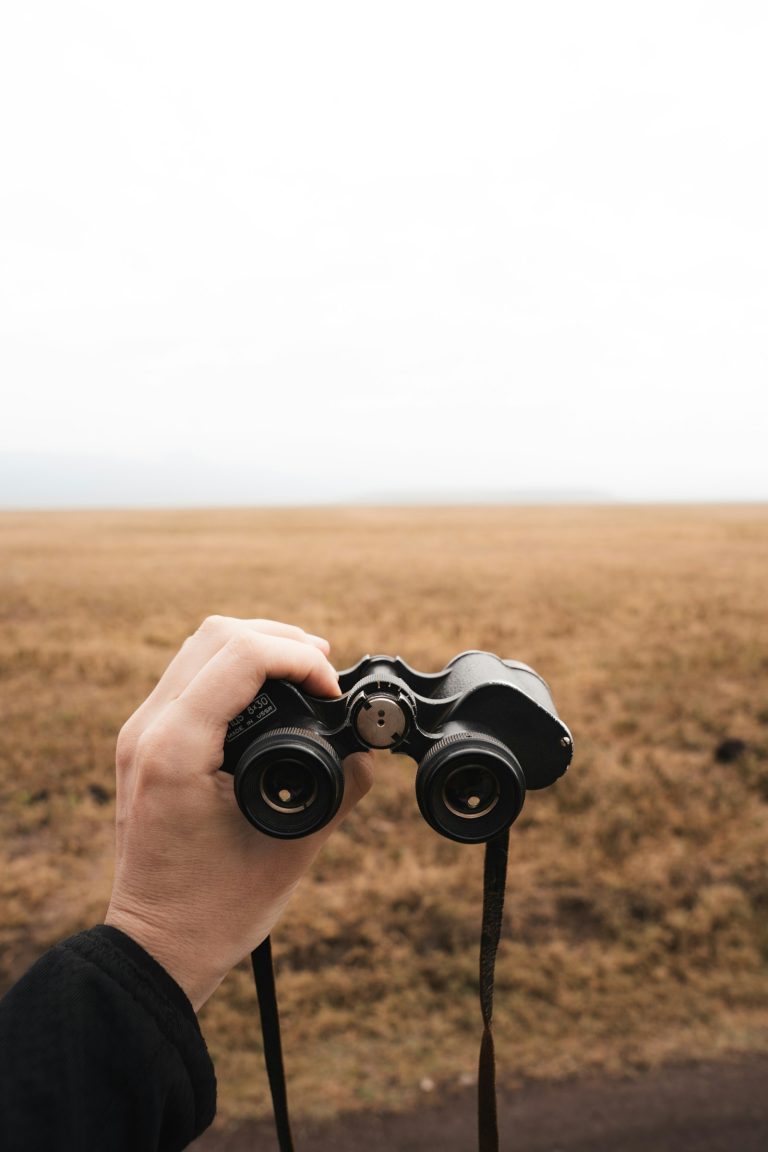
- Bring binoculars: a leopard in a tree is far easier to spot with good optics.
Do conservancies help you see the Big Five in Kenya?
Conservancies bordering the Mara, such as Mara North, Naboisho and Olare Motorogi, cap vehicle numbers and often allow guided walks, night drives and off-road driving to sightings. That can help with leopards and lions. Rhino numbers in the Mara conservancies are low, though, so you still need a sanctuary for rhino. Read Masai Mara reserve vs conservancies for the trade-offs.
Expert tip from our Nairobi team: tell your guide on day one which animals you have not yet seen. Guides share sightings by radio and know local territories, so a clear request helps them plan where to spend each drive.
📅 Get a Free, No-Obligation Safari Quote
Send us your travel dates and we will suggest the route that gives you the best chance of the Big Five in Kenya within your budget. ✉ Send Us Your Dates on WhatsApp
Sample Routes for the Big Five in Kenya
The most reliable routes for the Big Five in Kenya pair the Masai Mara with a rhino park, and several of our packages already follow this pattern.
Short trip: 3–4 days
A 3-day Masai Mara safari gives you excellent lion, elephant and buffalo viewing with a fair chance of leopard. To add rhino, start or finish with a morning in Nairobi National Park, or extend to four days with a night at Lake Nakuru.
Classic week: 6–7 days
Our 6-day Kenya safari combines three nights in the Masai Mara with Lake Nakuru’s rhinos and Lake Naivasha, a strong all-round Big Five route. The Amboseli and Masai Mara safari is wonderful for elephants and cats, but add Nairobi National Park if rhino matters to you.
Longer trip: 8–10 days
The Kenya Highlights Safari covers Samburu, Ol Pejeta, Lake Nakuru and the Masai Mara, giving you two rhino strongholds and two of Kenya’s best leopard areas. For prices on any of these routes, message us for a quote, because costs depend on dates, camps and group size.
Beyond the Big Five: What Else You Will See
Many guests find that other animals become the highlights of their trip, so it helps not to treat the Big Five in Kenya as the only measure of success.
Cheetahs hunting on the Mara plains, giraffes, hippos, zebras, wildebeest, hyenas and hundreds of bird species fill every game drive. Samburu adds the “Samburu Special Five”: Grevy’s zebra, reticulated giraffe, Beisa oryx, gerenuk and Somali ostrich. Read about the Big Nine of Kenya, and check animals you won’t see on a Kenya safari so your expectations are realistic.
- Cheetah: often seen in the Mara and Nairobi National Park, though not part of the Big Five in Kenya.
- Hippo: common in the Mara River and Lake Naivasha.
- Wild dogs: rare, but occasionally seen in Laikipia.
- Birds: Kenya has over 1,000 recorded species, from ostriches to tiny sunbirds.
Big Five Safety and Etiquette in the Parks
Watching the Big Five in Kenya from a vehicle is very safe when you follow your guide’s instructions and park rules.
Animals usually see a safari vehicle as one large, harmless object. Stay seated, keep arms inside, speak quietly and never stand up or get out unless your guide says it is safe. Buffalo and elephants deserve extra respect on walking safaris, which always use armed or trained guides. Rhinos are sensitive to disturbance, so sanctuaries often have rules about distance and noise. Our Kenya safari etiquette guide explains more.
- Do not ask guides to break rules: off-road driving in the national reserve can bring heavy fines.
- Do not share rhino locations on social media: switch off geotagging to protect them from poachers.
- Respect sighting limits: wait your turn when several vehicles are at a sighting.
Before you travel, check the latest official advice, such as the UK government’s Kenya travel advice, and the park information published by Kenya Wildlife Service.
Is the Big Five in Kenya Better Than in Other Countries?
Kenya is one of Africa’s best countries for the Big Five, especially for lions and elephants, while rhinos require planning in every country.
Tanzania’s Ngorongoro Crater is famous for Big Five sightings in a single day, and South Africa’s private reserves often track rhinos and leopards closely. Kenya’s strengths are the Masai Mara’s big cats, short distances between parks and excellent rhino sanctuaries close to Nairobi. Compare countries in our best African safari country guide or read Kenya and Tanzania safari if you are thinking of combining both. Find more about Kenya’s parks on Magical Kenya.
Big Five in Kenya FAQs
Can you see the Big Five in the Masai Mara?
Yes, all five live in the Masai Mara, and lions, elephants and buffalo are seen on most game drives. Leopards are regularly found with patience. Rhinos are few, with about 54 counted across the reserve and Mara Triangle in 2025, so most travellers add Lake Nakuru, Ol Pejeta or Nairobi National Park for rhinos.
Which park in Kenya is best for the Big Five?
Ol Pejeta Conservancy is one of the best single places, because it holds all five and East Africa’s largest black rhino population. The Masai Mara is better for lions, leopards and the migration but has few rhinos. Many travellers combine the Mara with Lake Nakuru or Ol Pejeta for the strongest overall chances.
How many days do you need to see the Big Five in Kenya?
Plan five to seven days if seeing all five matters to you. That allows two or three nights in the Masai Mara for lions and leopards, plus at least one night at a rhino sanctuary such as Lake Nakuru or Ol Pejeta. Two or three days usually gives four of the five.
Is it guaranteed to see the Big Five in Kenya?
No. Wild animals roam freely and no honest operator can guarantee sightings. However, a route that includes the Masai Mara and a rhino sanctuary, enough game drives and an experienced guide gives most travellers a very good chance. Buffalo and elephants are nearly certain, while leopards and rhinos need more time.
Where can I see rhinos in Kenya?
The best places are Lake Nakuru National Park, Ol Pejeta Conservancy, Nairobi National Park, Lewa Wildlife Conservancy and Meru National Park’s rhino sanctuary. Tsavo West has the Ngulia rhino sanctuary, though thick bush makes sightings harder. Rhinos in the Masai Mara are few and widely spread, so sightings there are a bonus.
What is the hardest Big Five animal to see?
In most of Kenya, the rhino is hardest unless you visit a sanctuary, and the leopard is the hardest in parks that do have rhinos. Leopards are shy, solitary and often active at night, so spending two or three nights in a good leopard area such as the Masai Mara or Samburu helps.
What is the best month to see the Big Five in Kenya?
The dry months from late June to October and from January to February are usually easiest, because shorter grass makes lions and leopards easier to spot and animals gather near water. The Big Five live in Kenya all year, so wetter months still work and are often quieter and better value.
🏕 Plan Your Safari With Sense of Adventure
Kenya-based experts. Real local knowledge. Transparent pricing. We will build a route that gives you a real chance of the Big Five in Kenya, with experienced guides and honest advice about every park. 💬 WhatsApp Us — Start Planning Today
Call or WhatsApp: +254 729 837 481
Related Safari Guides
- ›Big Five Safari Kenya Itinerary: Which Parks and How Many Days
- ›Why Is It Called the Big Five?
- ›A Typical Day on Safari in Kenya, Hour by Hour
- ›The Ultimate Kenya Safari Guide for First-Time Visitors
- ›What Is Included in a Kenya Safari?
Official travel & park resource: Kenya Wildlife Service ↗