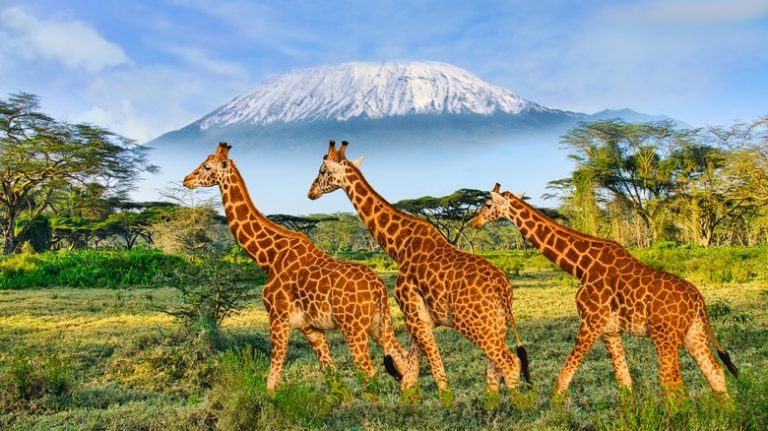

Masai Mara photography is the reason half the world’s wildlife portfolios exist. No other destination combines this predator density with open sightlines, drivable light angles and subjects habituated enough to ignore you. But the difference between snapshots and portfolio frames isn’t the camera — it’s fieldcraft: being parked in position before the light peaks, knowing which sightings will develop and which won’t, and having a driver who thinks in backgrounds. That last part is ours. Sense of Adventure photographic departures use guides trained to position for light first, and this guide shares the approach so every guest shoots better, whatever the gear.
Shoot the Mara With Photographers in Mind
Beanbags, charging inverters, sighting patience and drivers who position for backgrounds. Ask about photo-focused departures.
How Masai Mara Photography Days Actually Work
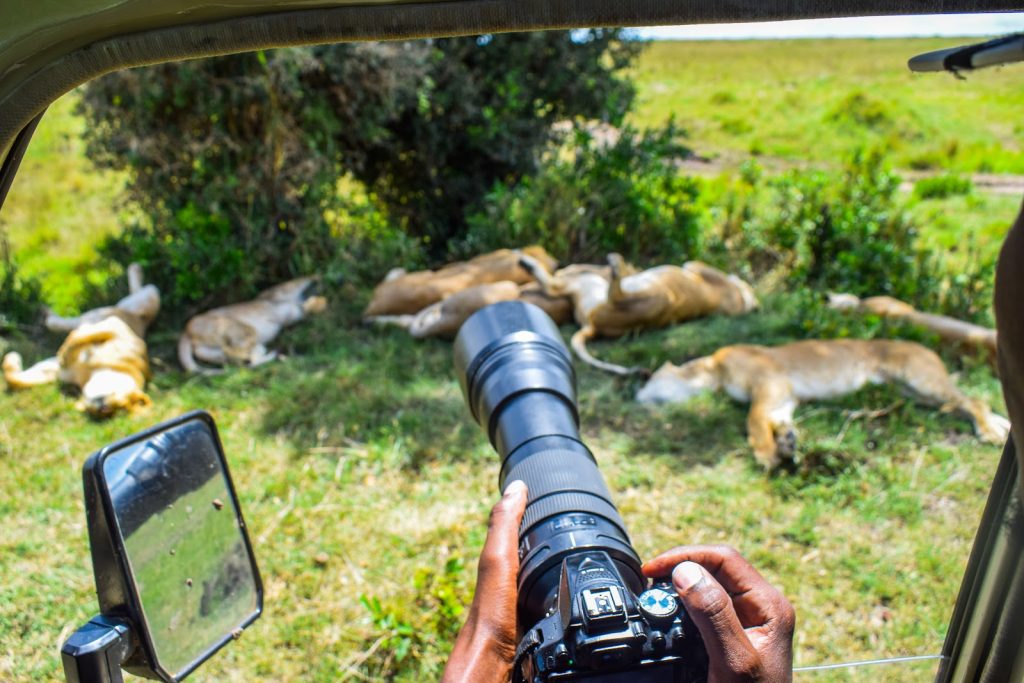
Photographic success in the Mara is scheduled around two golden windows: roughly 6:15-9:00 am and 4:30-6:45 pm, when equatorial light turns warm and side-lit. Photo-focused days leave camp in the dark to reach cats before sunrise, hold sightings for an hour-plus rather than racing a checklist, and treat harsh midday for travel, hides or rest. Vehicles matter: cut-out sides or roof hatches for low angles, beanbags over tripods for support, one photographer per row so nobody shoots over shoulders. The reserve’s 1,510 km² offers endless backgrounds — the skill is matching subject, angle and light before pressing anything.
Our driver reversed thirty metres and switched off before I understood why — then the lioness walked exactly into the gap of golden grass he’d lined up. He was composing before I was. I came home with frames I’d only ever seen in magazines.
— Sense of Adventure guest, photographic safari
The 5 Shots Every Mara Photographer Chases
The Golden-Hour Portrait — low sun, catchlight, clean background
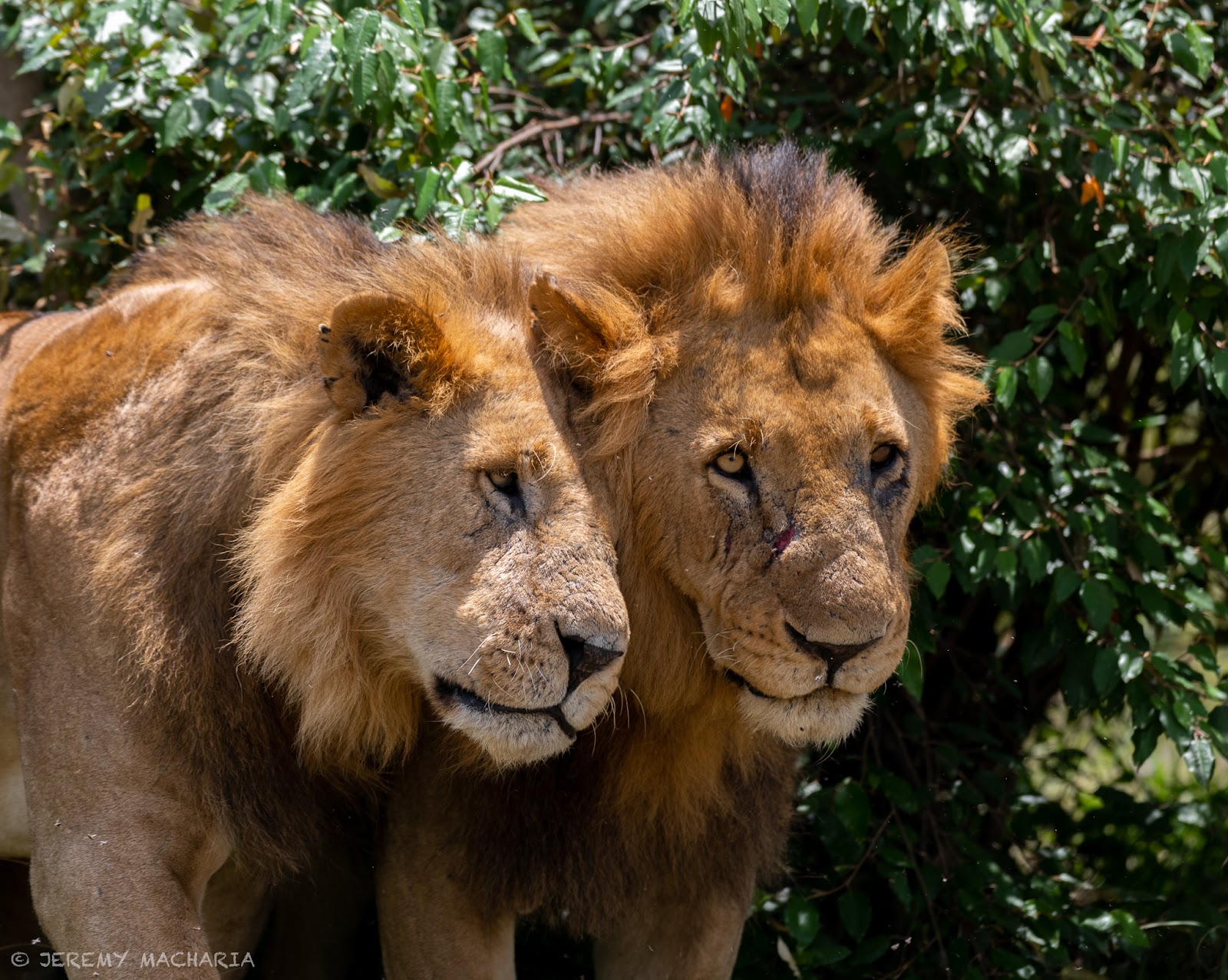
A lion face side-lit at 6:40 am with light in the eye is the Mara’s bread-and-butter masterpiece. Work at eye level from the lowest hatch, meter for the highlights and wait for the head turn. The classic recipe: 300-500 mm, wide open, ISO as low as the shutter allows, and a driver who has already put the sun behind your shoulder.
The Action Freeze — hunts, dust and airborne cats
For a cheetah sprint or wildebeest panic you need 1/2000s or faster, continuous autofocus, burst mode and — most of all — anticipation. Watch the prey, not the predator: their heads snap up before the charge. Keep both eyes open and leave room in the frame for the run. Missed frames are normal; the keeper pays for all of them.
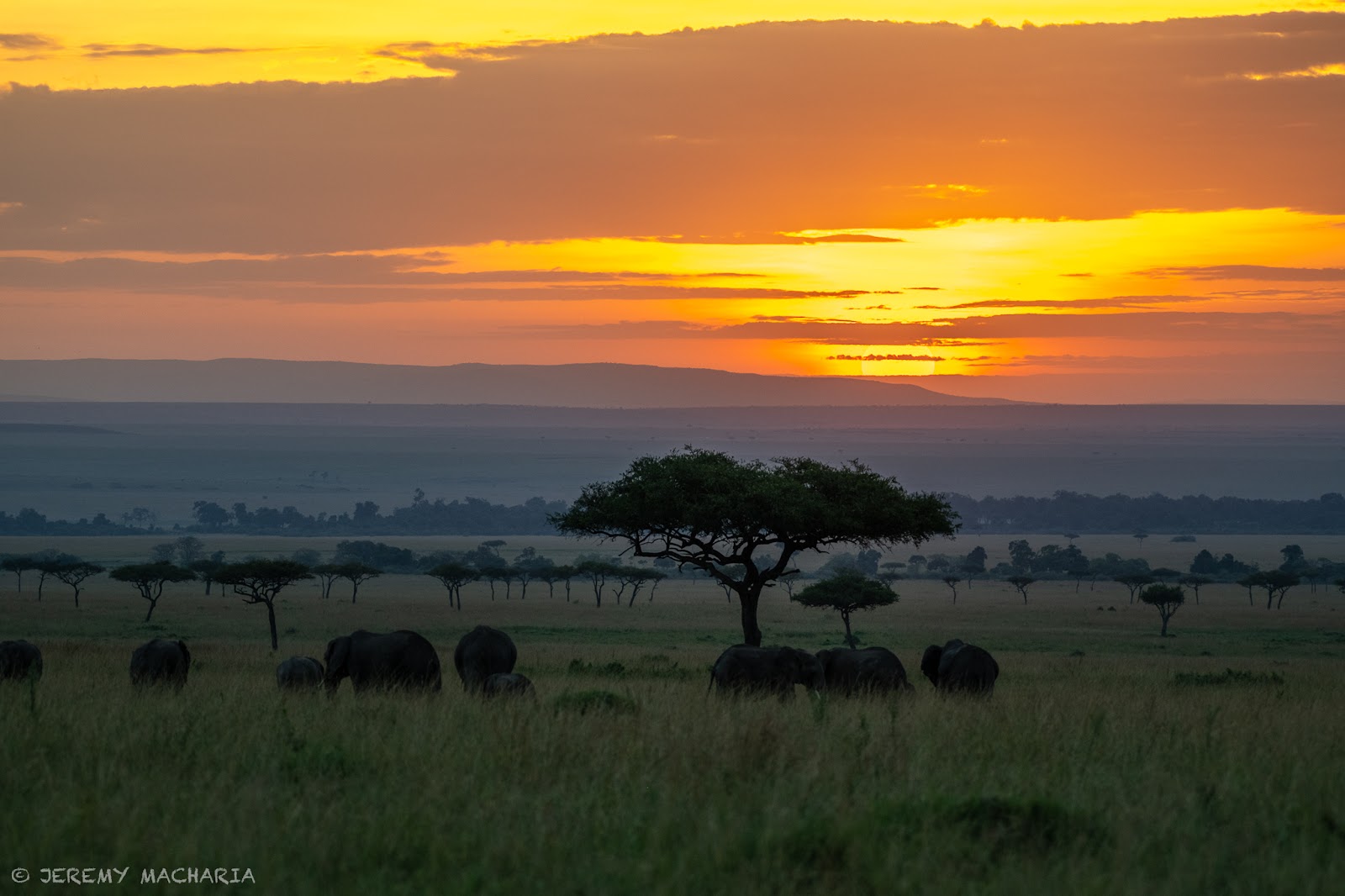
The Storm-Light Landscape — the Mara as a stage
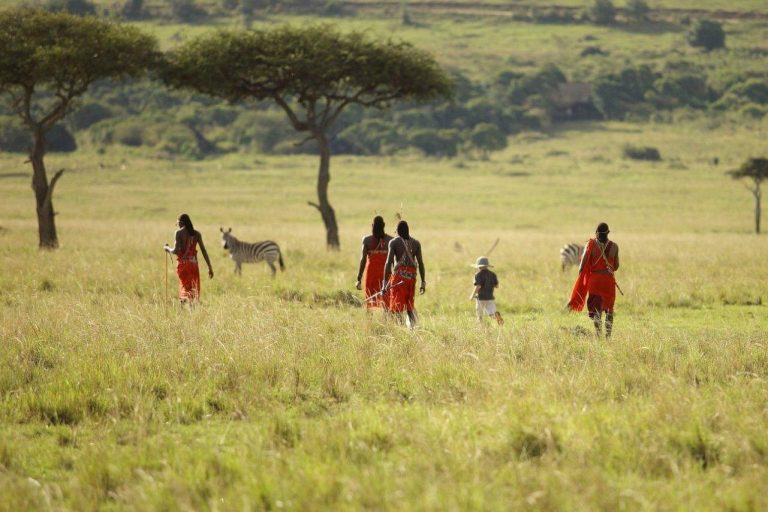
Green-season storm cells build charcoal walls behind sunlit foregrounds — the most dramatic natural lighting in Africa. Underexpose a stop, find a lone acacia or a red-shuka herder on a ridge, and shoot wide. These frames give a portfolio its sense of place between the tight wildlife shots.
The Crossing Chaos — July-October’s bucket-list frame
River crossings are photographed from fixed positions your driver claims early — sometimes hours early. Pre-focus on the far bank entry point, 1/1600s minimum for splash freeze, and resist chimping: crossings surge in waves and the best frame is usually the second wave’s leap. Patience at the right gap beats roaming between points.
The Environmental Wide-Angle — small cat, huge plain
The counter-intuitive Mara masterpiece: a tiny lion in an ocean of grass under a giant sky. Shoot 24-70 mm from a respectful distance, place the horizon on a third, and let the emptiness do the talking. It is the frame that makes viewers feel the scale everything else crops out.
Join a Photographic Departure
Small groups, one row per photographer, drivers who think in f-stops. See our dedicated photo safaris.
Mara Photography Facts & Settings Cheat-Sheet
- Golden windows: shoot hard 6:15-9:00 am and 4:30-6:45 pm; rest or travel through the 11 am-3 pm glare.
- Action settings: 1/2000s, f/5.6-f/8, auto-ISO capped at your camera’s comfort ceiling, continuous AF, burst.
- Portrait settings: 1/500s and wide open; drop shutter only when the cat truly sleeps.
- Support: a beanbag on the window sill or roof rail beats a tripod in every safari vehicle.
- Dust discipline: change lenses inside a bag, carry a rocket blower, and keep a body per lens if you own two.
- Drive etiquette: engines off at sightings, no calling for attention, and never pressure a driver to crowd an animal for a shot.
Photographic Safaris We Run in the Mara
Dedicated shooters should compare the 6-day Photographic Safari, the predator-focused Big Cats Photographic Safari and the Migration Photographic Safari for crossing season. Our general safari photography tips article covers gear checklists for the whole of Kenya.
Your Portfolio Frame Is Out There
Golden light happens twice a day, every day. Book the vehicle that puts you in it.
Frequently Asked Questions
What camera gear do I need for Masai Mara photography?
For Masai Mara photography bring the longest lens you can manage (300-500 mm ideal), a second body or mid-zoom (70-200 mm) for environmental shots, a beanbag for support, spare batteries, plenty of cards and a dust blower. A phone plus one long zoom bridge camera also produces great results — fieldcraft matters more than gear.
What is the best time of day for photography in the Masai Mara?
The best Masai Mara photography light runs roughly 6:15-9:00 am and 4:30-6:45 pm, when low equatorial sun gives warm side-light and catchlights in animals’ eyes. Photo-focused drives leave camp before dawn to be parked at sightings when the light peaks.
Do I need a tripod on a Masai Mara safari?
No — a beanbag is far more practical for Masai Mara photography. Rested on a window sill or roof hatch it stabilises long lenses instantly and lets you swing between sides. Tripods don’t fit safari vehicles; a monopod is the most anyone carries.
Which camera settings freeze a cheetah hunt in the Mara?
For Masai Mara action photography use 1/2000s or faster, continuous autofocus, burst mode and auto-ISO. Watch the prey animals — their alarm tells you the chase is coming before the cheetah moves. Pre-frame the likely run line and keep both eyes open.
Is the green season good for Masai Mara photography?
The green season (November-May) is arguably the best time for Masai Mara photography: storm-cloud backdrops, saturated emerald grass, newborn animals, active predators and almost no vehicles at sightings. Most published Mara portfolio images are shot in these quieter months.