Masai Mara wildlife population figures are estimates: several hundred lions at one of Africa’s highest densities, elephants in the low thousands across the wider ecosystem, cheetahs and black rhinos in the dozens, and over a million migrating wildebeest that spend only part of the year, mainly July to October, in Kenya.
Sense of Adventure is a TRA-licensed safari operator based in Nairobi, and “how many animals actually live in the Mara?” is a different question from “what will I see?” The honest answer is that most figures are estimates, they change with the season, and they depend on whether a count covers only the national reserve or the wider Greater Mara with its conservancies.
This guide sets out what the published estimates broadly show for lions, elephants, wildebeest, zebra, cheetahs and other species, explains why numbers vary so much from source to source, and shows how the season you travel in changes what you will see. Where a precise count cannot be confirmed, we say so and give the scale instead.
✅ Masai Mara Wildlife Population: Quick Answer
- Lions: several hundred across the Greater Mara, at one of the highest densities in Africa.
- Elephants: in the low thousands across the wider ecosystem, moving between reserve and conservancies.
- Wildebeest: over a million in the whole migration, but only part of it is in Kenya, mainly from July to October.
- Resident herds: a much smaller resident wildebeest population stays all year.
- Cheetahs and rhinos: counted in the dozens, not hundreds.
- Caveat: every figure is an estimate that varies by survey, season and area counted.
Want to see the Mara at its busiest, or its quietest? Tell us which animals matter most to you.
Ask a Wildlife ExpertThe Numbers Behind the Density
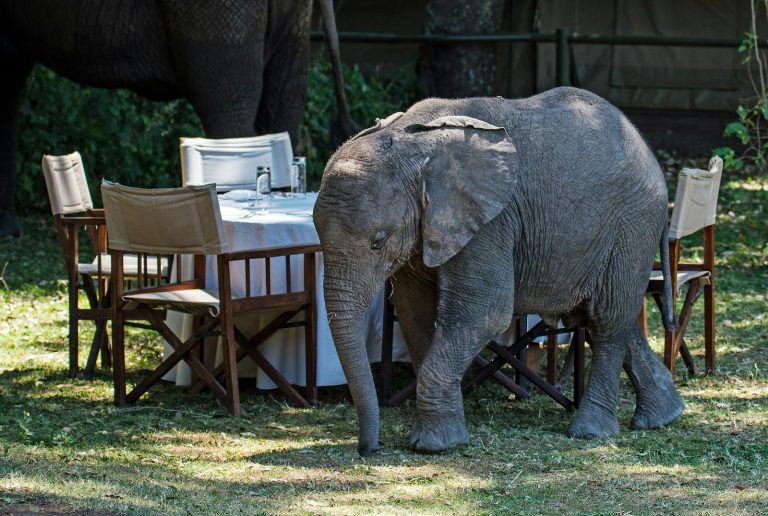
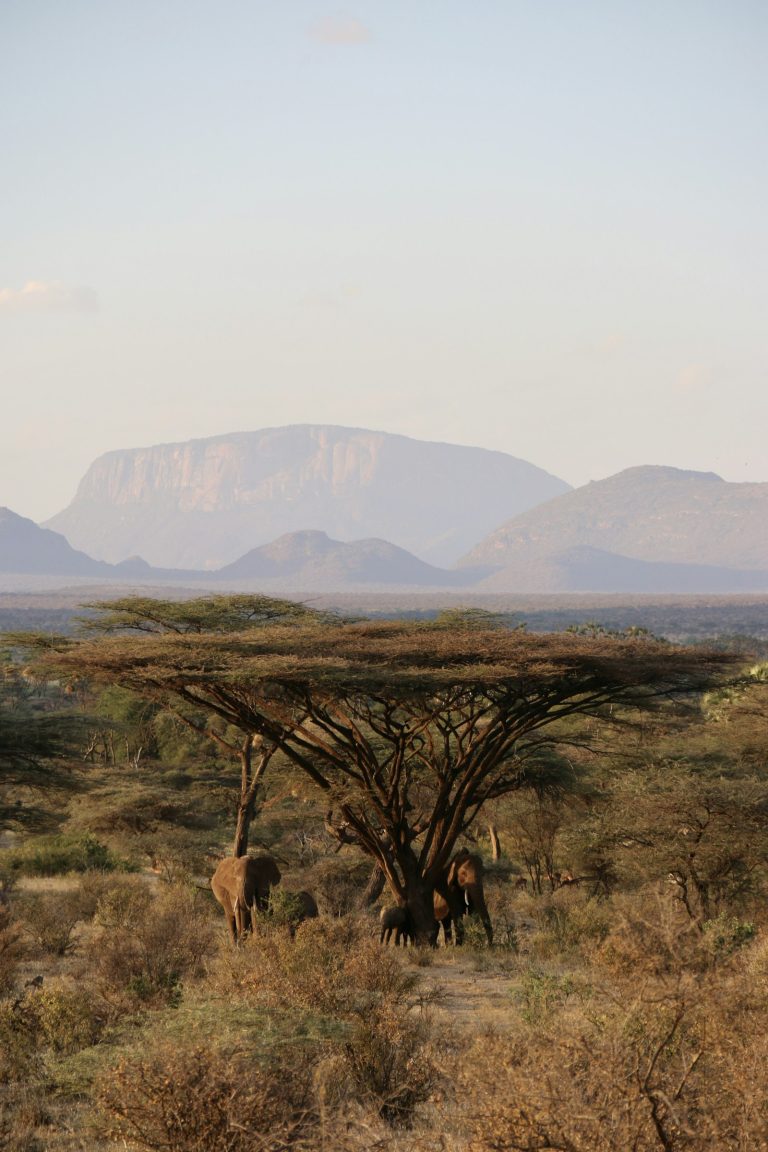
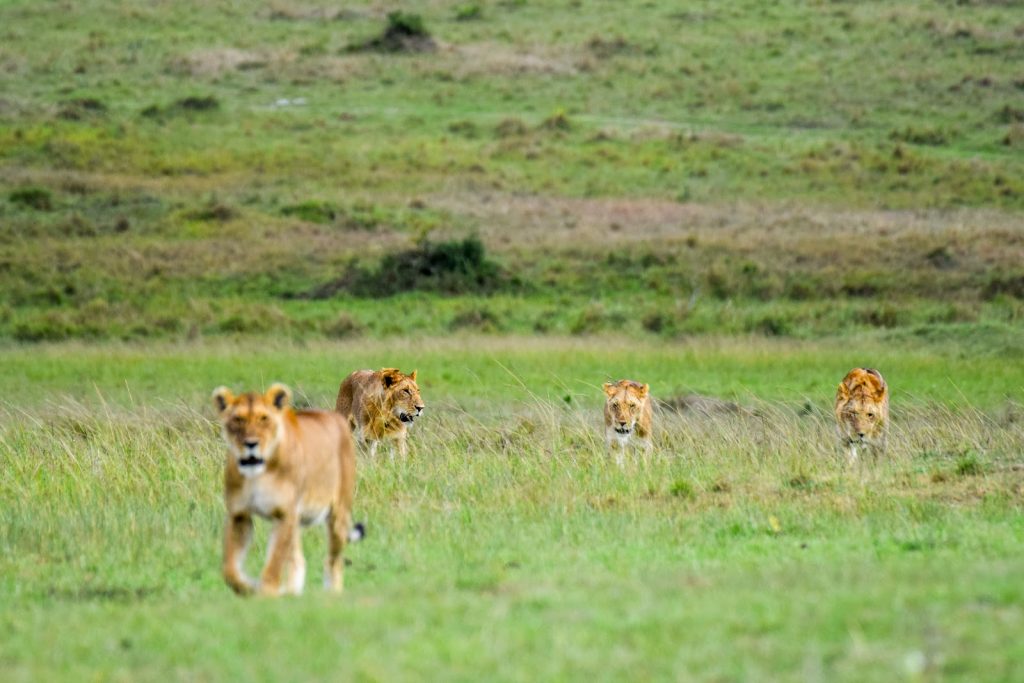
Lions are the stand-out of the Masai Mara wildlife population, and genuinely exceptional by African standards. Estimates differ between surveys and depend on how much of the surrounding conservancy land is included, but the Greater Mara holds several hundred lions and is regularly described as having one of the highest lion densities on the continent. Elephants are harder to count precisely, since herds move across the wider ecosystem rather than staying inside reserve boundaries; recent aerial counts have put them in the low thousands.
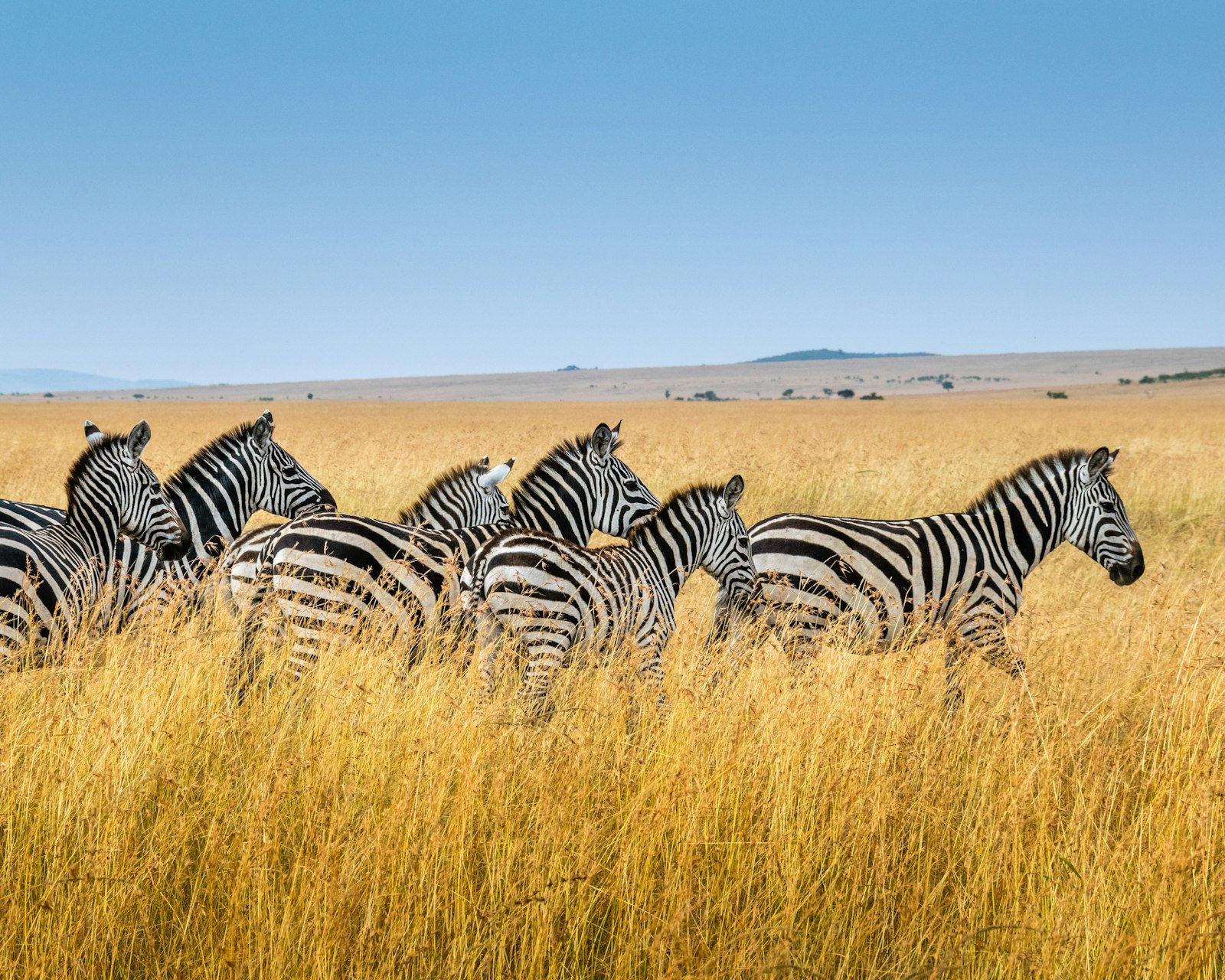
Wildebeest numbers need the most careful reading. The commonly quoted figure of more than a million refers to the entire Serengeti-Mara migration, which spends most of the year in Tanzania. The Mara also has its own much smaller resident wildebeest population, linked to the Loita Plains, which long-term studies report has declined sharply since the 1970s. Zebra and gazelle numbers swell into the hundreds of thousands during migration season, though precise ecosystem-wide counts for these species are published less consistently.

Why Masai Mara Wildlife Population Figures Vary
Search online and you will find figures that disagree, sometimes by a wide margin. That is not because one Masai Mara wildlife population source is right and another wrong. It is because counts are made in different ways, in different years, over different areas, and often at different points in the migration cycle.
The first difference is the area. The Masai Mara National Reserve covers about 1,510 km², but the Greater Mara also includes the surrounding community conservancies and group ranches, where much of the wildlife spends its time. A count that covers only the reserve will always be lower than one that covers the whole ecosystem. The second difference is timing: a wildebeest count in August and one in March describe two completely different situations.
How the Masai Mara wildlife population is counted
Large animals such as elephants, buffalo and giraffes are usually counted from the air, with observers recording herds along set flight lines. Kenya ran a national wildlife census in 2021, led by the Kenya Wildlife Service and the Wildlife Research and Training Institute, which counted 36,280 elephants nationwide. A second national census by the Wildlife Research and Training Institute, released in December 2025, reported modest further growth in elephant numbers. Predators are different. Lions, cheetahs and leopards are hard to see from a plane, so researchers rely on ground surveys, photo identification of individuals and long-term monitoring projects.
Masai Mara wildlife population: reserve vs Greater Mara
The conservancies matter enormously for the Masai Mara wildlife population. Many lions, elephants and resident herds move freely between the reserve and community land, and some prides live mainly outside the reserve. When you read a figure, check whether it refers to the reserve, the Greater Mara or the whole Serengeti-Mara ecosystem. Our Masai Mara conservancies guide explains how that land is managed.
Population Snapshot by Species
Lions — several hundred across the Greater Mara, among Africa’s densest
One of the highest lion densities recorded in Africa, spread across the reserve and its surrounding private conservancies. Exact totals vary by survey, so treat any single number as an estimate. Read our Lions of the Masai Mara guide for prides and best sighting areas.
Elephants — low thousands, counted across the wider Mara ecosystem
A significant population moving across reserve and conservancy land alike, counted mainly from the air. See our elephants of the Masai Mara guide for where sightings are most reliable, and how many elephants are in Kenya for the national picture.
Wildebeest — over a million migrating, a far smaller resident herd
The million-plus figure describes the entire Serengeti-Mara migration; only a portion is in the Mara at any given time, mainly from July to October. A much smaller resident population lives in the Mara ecosystem year-round regardless of migration timing. Full detail in our wildebeest migration guide.
Zebra & Gazelle — hundreds of thousands, seasonal
Zebra and Thomson’s and Grant’s gazelle numbers rise sharply during migration season as they move alongside the wildebeest herds, though ecosystem-wide precise counts are published less consistently than for elephants and wildebeest. Our Masai Mara zebras guide explains their role in the migration.
Cheetahs — dozens, closely monitored
The Mara is one of East Africa’s most important cheetah areas, and long-term research projects identify individual cats by their spot patterns. Their counts run to dozens rather than hundreds, which is why each sighting feels special. See our Masai Mara cheetah guide.
Hyenas, leopards and rhinos — common, secretive and rare
Spotted hyenas are among the most numerous large predators in the Mara. Leopards are present throughout but secretive, so their numbers are hard to pin down. Black rhinos survive in small, closely guarded numbers in parts of the reserve and the Mara Triangle. Read about Mara hyenas and Mara rhinos.
Masai Mara wildlife population at a glance
| Species | Rough scale | How often guests see them |
|---|---|---|
| Wildebeest (migration) | Over a million in the whole ecosystem | Huge herds July to October |
| Zebra | Hundreds of thousands in season | Seen year-round, most in season |
| Lions | Several hundred | On most game drives |
| Elephants | Low thousands | Regularly |
| Cheetahs | Dozens | Often on a 3 to 4-day trip |
| Leopards | Present, hard to count | With patience, near rivers |
| Black rhinos | Small numbers | Rarely |
These Masai Mara wildlife population figures are broad scales, not exact counts, and sightings always depend on luck, season and your guide. Our guide to the Big 5 in the Masai Mara gives more detail on your chances for each.
Which Animals Matter Most on Your Trip?
Tell us whether you dream of migration herds, big cats or rare species, and we will suggest the right months, areas and number of nights.
Match Wildlife to My Dates
How the Masai Mara Wildlife Population Changes Through the Year
The Masai Mara wildlife population is really two populations layered on top of each other: the resident animals that live there all year and the migratory herds that arrive from Tanzania. Lions, leopards, cheetahs, hyenas, elephants, giraffes, topi, impala and the resident wildebeest and zebra are there in every month. The migratory herds usually start arriving around July and drift back south from about October.
That is why the Masai Mara wildlife population on any given day depends so heavily on the calendar. In August, the plains can hold an extraordinary number of animals. In March, they are quieter but still rich in predators and resident game, with fewer vehicles and lower park fees. Our best time to visit the Masai Mara guide covers each month in detail.
Masai Mara wildlife population in migration season
From roughly July to October, the migration adds huge numbers of wildebeest, zebra and gazelle to the Mara, and predators feast on the abundance. Crossings at the Mara River are the headline event, but they depend on the herds and the rain, and they are never scheduled. Read whether the Great Migration is guaranteed for an honest view of the odds.
Outside migration season
From November to June, the Masai Mara wildlife population relies on its residents. Big cats are still easy to find, the grass is often green after the rains, and many antelope give birth. This is a good time for photographers and for travellers who prefer fewer vehicles, as our Masai Mara green season guide explains.
Is the Masai Mara Wildlife Population Declining?
This is an important question for anyone who cares about the Masai Mara wildlife population, and the honest answer is mixed. Long-term studies of the Mara have recorded steep declines in many resident large mammals since the late 1970s, linked to the growth of settlements, fencing, farming and heavy livestock grazing on the land around the reserve. The resident wildebeest herds have been among the hardest hit.
At the same time, the community conservancies created around the reserve since the mid-2000s have given landowners an income from tourism in return for keeping land open for wildlife. Many guides and researchers credit them with helping predators and plains game in those areas. Your park and conservancy fees support that model, and with it the future of the Masai Mara wildlife population. Read more in our guide to wildlife conservation in Kenya, and see the global status of lions on the IUCN Red List, where the species is listed as Vulnerable.
Expert tip from our Nairobi team
Whenever you see a wildlife number quoted, ask three questions: which area, which year and which method. A reserve-only aerial count, a Greater Mara predator survey and an ecosystem-wide migration estimate can all be correct and still look wildly different.
Masai Mara Wildlife Population Facts
- Lion population: several hundred across the Greater Mara, at one of the highest densities in Africa; exact totals vary by survey.
- Elephant population: in the low thousands across the Mara ecosystem, with herds moving between reserve and conservancies.
- Migrating wildebeest: over a million move through the wider Serengeti-Mara ecosystem each year, based in Tanzania for most of it.
- Resident wildebeest: a much smaller population lives in the Mara ecosystem year-round, separate from the migratory herds, and has declined over recent decades.
- Cheetahs: research projects monitor the Mara’s cheetahs individually, and their numbers run to dozens rather than hundreds.
- Birds: more than 450 species have been recorded, from ostriches to lilac-breasted rollers.
- Census caveat: Masai Mara wildlife population figures shift with migration timing and vary between census methods, so treat exact numbers as estimates, not fixed counts.
Seeing the Masai Mara Wildlife Population: Trips and Costs
The best way to experience the Masai Mara wildlife population is to give yourself enough time, ideally in the season that suits your interests. Three days is the minimum; four or five days greatly improves your chances of cheetahs, leopards and, in season, a river crossing. These are some of our current Masai Mara trips, with starting prices per person:
- 3-Day Masai Mara Safari, from USD 650.
- Great Migration Safari – Masai Mara (5 Days), from USD 1,450.
- Great Migration Photographic Safari (5 Days), from USD 2,400.
- Big Cats Photographic Safari (6 Days), from USD 2,600.
Park fees are part of every package. The Masai Mara charges non-resident adults USD 100 per day from January to June and USD 200 from July to December, so travelling outside peak migration months saves money while still showing you the resident wildlife. Compare every option on our Masai Mara safari packages page.
Get a Quote Timed to the Herds
Camps near the Mara River are busiest from July to October. Send your dates and we will reply with a written price and honest advice on what the wildlife is likely to be doing then.
Planning Around the Wildlife
For species-specific detail, see our guides to the Masai Mara’s lions, elephants and the wildebeest migration. Ready to see the Masai Mara wildlife population for yourself? Book our Great Migration Photographic Safari.
Birdwatchers should read our guide to the birds of the Masai Mara, and anyone hoping for a leopard should see our Masai Mara leopard sightings guide. If you want to combine the Mara with other parks, our private Kenya safari trips can add Lake Nakuru for rhinos or Amboseli for elephants.
What the Masai Mara Wildlife Population Means for Your Safari
Numbers are interesting, but what most travellers really want to know is what they will see. The good news is that the Masai Mara wildlife population is dense and visible in every month. Open grassland, short grass in the dry months and experienced guides who talk to each other by radio mean that lions, elephants, buffalo, giraffes, zebra and many antelope are seen on almost every trip.
Rarer species need more time and some luck. Cheetahs, leopards and black rhinos are where an extra day makes the biggest difference, and a night or two in a conservancy adds the chance of night drives for hyenas, servals and other nocturnal animals. If you care most about a particular species, tell us before you book, because the right camp location can matter more than the month for the Masai Mara wildlife population you most want to see.
Tips for Seeing More of the Masai Mara Wildlife Population
- Stay at least three nights, so you have two full days on the plains.
- Take a full-day game drive with a picnic lunch to reach the quieter areas.
- Head out at dawn, when predators are most active and the light is best.
- Split your stay between the reserve and a conservancy for variety and fewer vehicles.
- Bring binoculars for every guest, not one per vehicle.
- Ask your guide about the season: which herds are around and where the cats have been.
- Respect the animals: keep noise down and never ask a guide to break park rules.
For official tourism information about Kenya’s parks and reserves, visit Magical Kenya.
Masai Mara Wildlife Population FAQs
How many lions live in the Masai Mara?
Estimates vary by survey and by how much conservancy land is included, but the Greater Mara holds several hundred lions. It is regularly described as having one of the highest lion densities in Africa, which is why most guests see lions on almost every game drive. Treat any exact total you read as an estimate.
How many elephants are in the Masai Mara?
Recent aerial counts have put the Mara ecosystem’s elephants in the low thousands, with herds moving between the reserve and conservancy land. For context, Kenya’s 2021 national census counted 36,280 elephants nationwide, and a second census released in December 2025 reported modest growth. Mara numbers change as herds move.
How many wildebeest are in the Great Migration?
More than a million wildebeest move through the Serengeti-Mara ecosystem during the Great Migration, with large numbers of zebra and gazelle alongside them. Only part of the migration is in Kenya at any time, mainly from July to October. The Mara also has a much smaller resident wildebeest population that stays all year.
How many cheetahs live in the Masai Mara?
The Mara’s cheetahs are counted in the dozens rather than the hundreds. Long-term research projects identify individual cats by their unique spot patterns, which makes the Mara one of the best-studied cheetah areas in East Africa. Most visitors on a three or four-day trip have a good chance of seeing one.
Are Masai Mara wildlife population numbers accurate?
They are the best available estimates, not fixed counts. Figures differ because surveys cover different areas, use different methods and happen at different points in the migration cycle. Large herbivores are usually counted from the air, while predators are monitored on the ground, so always check what area and year a figure refers to.
When is the Masai Mara wildlife population highest?
The Mara holds the most animals from roughly July to October, when the migration brings huge herds of wildebeest, zebra and gazelle up from Tanzania. Resident predators, elephants and plains game are present all year, so outside those months you still see plenty of wildlife, with fewer vehicles and lower park fees.
Is the Masai Mara wildlife population declining?
Long-term studies have recorded steep declines in many resident large mammals since the late 1970s, linked to settlement, fencing and livestock grazing around the reserve. Community conservancies created since the mid-2000s now pay landowners to keep land open for wildlife, and many guides and researchers credit them with helping wildlife there.
See the Mara’s Wildlife for Yourself
From big-cat prides to migration herds, our Nairobi team will plan a Masai Mara safari around the animals and the season that matter most to you.
Kenya-based experts. Real local knowledge. Transparent pricing.