Big Five safari Kenya itinerary planning usually starts with the wrong question. Most first-time travellers ask which single park has all five animals, when the real question is how many ecosystems you need to string together on one trip. Lion, leopard, elephant, rhino and buffalo do not share the same habitat, so no one Kenyan reserve guarantees all five in a day, or even a week.
You might wake up in a Laikipia conservancy to fresh rhino tracks near camp, then two days later watch a leopard draped over an acacia branch in the Mara. Sense of Adventure builds a Big Five safari Kenya itinerary around that reality instead of the marketing shorthand, because guests who understand the trade-offs plan better trips. This guide covers how many days you need, which parks to combine, sample routes, costs and the best time to go.
✅ Big Five Safari Kenya Itinerary: Quick Answer
- Days: 5 days is the realistic minimum; 7 to 9 days gives good odds on all five without rushing.
- Core pairing: the Masai Mara for lion, leopard, elephant and buffalo, plus a rhino stronghold.
- Best rhino stops: Lake Nakuru, Ol Pejeta or Solio; Nairobi National Park on a short trip.
- Leopard: the hardest to plan for; extra Mara days or a conservancy stay help most.
- Prices: our multi-park trips start from USD 1,250 per person for 5 days.
- Honest caveat: no operator can guarantee all five.
Tell us how many days you have and we will map a Big Five route that fits them.
Map My Big Five RouteWhat a Realistic Big Five Safari Kenya Itinerary Looks Like
A single park almost never delivers all five animals with any reliability. Rhinos are concentrated in fenced or heavily guarded sanctuaries such as Lake Nakuru, Ol Pejeta and Solio, while the open plains of the Mara, which hold one of Africa’s highest lion densities, have very few rhinos. Combining two ecosystems, typically the Masai Mara with Lake Nakuru or Ol Pejeta, is what turns possible into likely.
We usually suggest seven to nine days for a relaxed Big Five safari Kenya itinerary, long enough to absorb one quiet game drive without it costing you the whole trip. Five days can work if you keep the route tight and accept slightly lower leopard odds. Shorter trips are possible, but they rely on luck.
The Big Five, Park by Park
Before choosing a route, it helps to know where each animal is easiest to find. Every Big Five safari Kenya itinerary is built from these five building blocks.
1. Lion — the easiest of the five to tick off
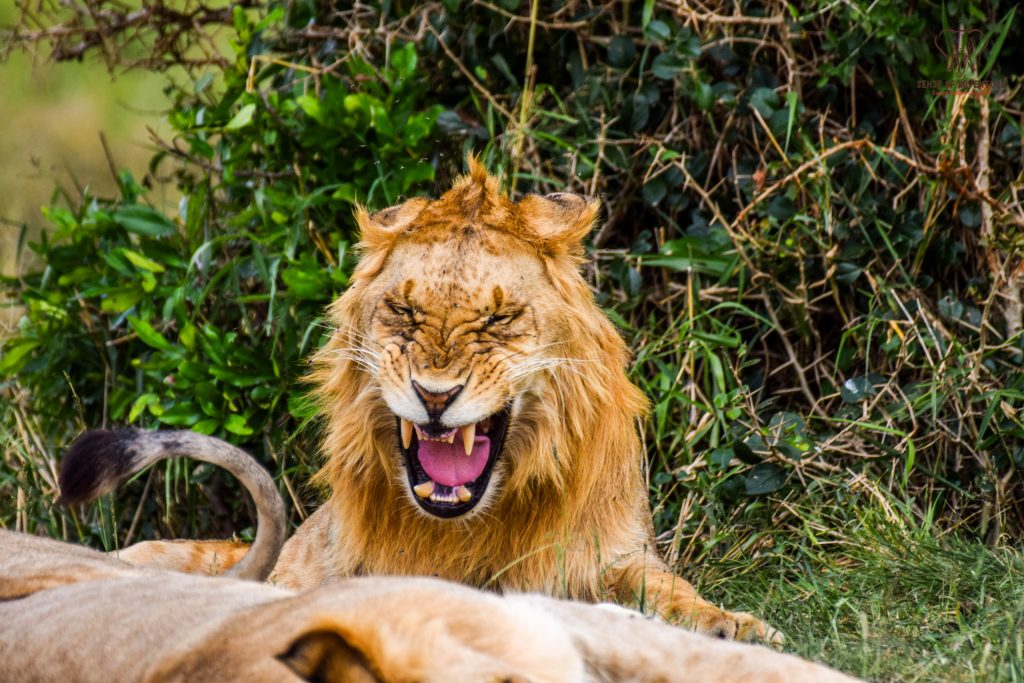
The Greater Mara holds several hundred lions at one of the highest densities anywhere in Africa, so prides usually turn up on the first or second game drive. Amboseli, Samburu, Lake Nakuru and Nairobi National Park carry smaller but reliable populations too. See our guide to the best national parks for lions in Kenya.
2. Leopard — the one that rewards patience
Leopards are solitary, mostly nocturnal and built to stay hidden in riverine thickets, so sightings depend on guide skill as much as luck. The Mara’s private conservancies allow off-road tracking and night drives that the national reserve does not, which noticeably improves your odds over the same few days. Read about the best parks for leopards in Kenya.
3. Elephant — big herds, near-certain sightings
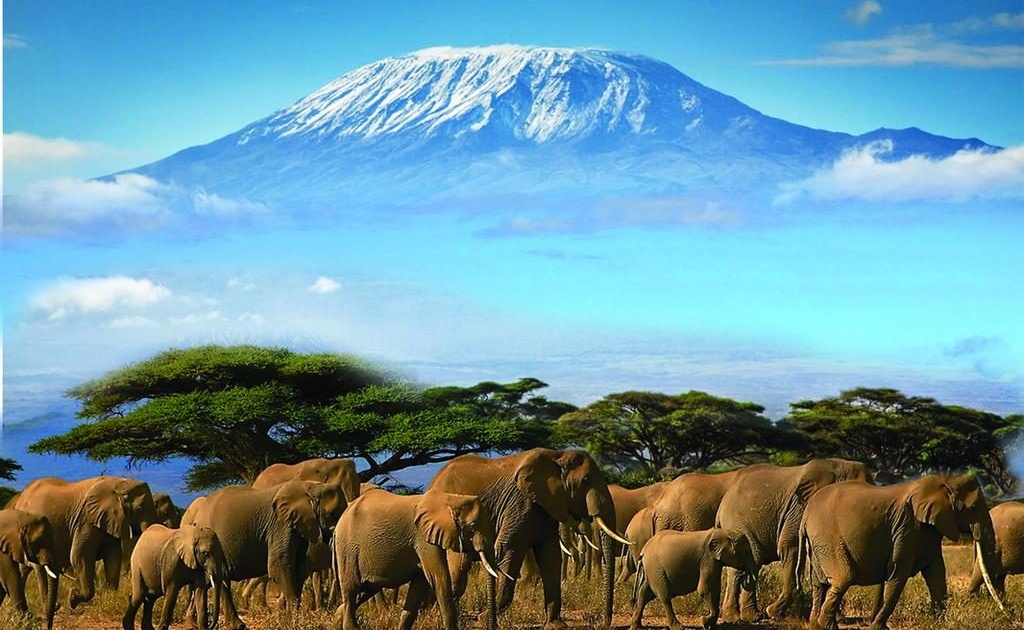
Amboseli’s swamp-fed herds and Kilimanjaro backdrop make it the standout stop for elephant photography, while the Tsavo ecosystem holds Kenya’s largest elephant population, put at roughly 15,000 in the 2021 national census. Our Amboseli Elephant Photographic Safari is built around this single species and its Kilimanjaro views.
4. Buffalo — overlooked, but everywhere
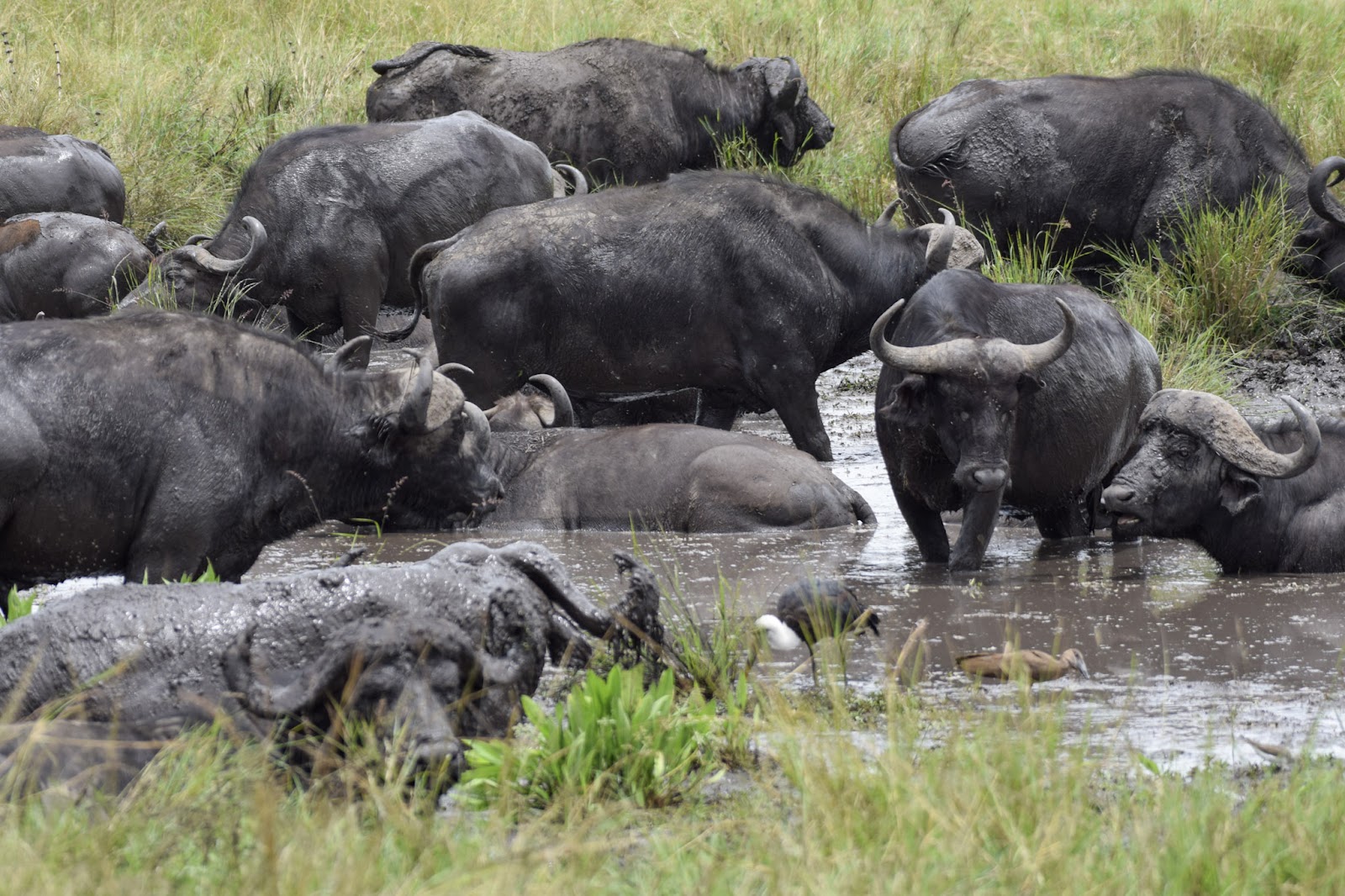
Cape buffalo travel in herds that can number in the hundreds and show up in nearly every park on a Kenya itinerary, which is exactly why they get the least airtime of the five. Do not overlook the lone old bulls, known as dagga boys; guides rate them among the most dangerous animals on the plains. See the best parks for buffalo.
5. Rhino — the one that decides your route
Black and white rhinos are concentrated in protected sanctuaries rather than open reserves. Lake Nakuru, Ol Pejeta and Solio are among the most reliable, and Ol Pejeta also protects the last two northern white rhinos left alive anywhere on Earth. This single species usually decides whether your itinerary runs through Nakuru, Laikipia or both. Read our best parks for rhinos guide.
How Many Days Does a Big Five Safari Kenya Itinerary Need?
The number of days matters more than any other choice in a Big Five safari Kenya itinerary. Each extra day in the right park adds two or three more game drives, and that is what improves your odds on leopard and rhino. This table shows how the length of a Big Five safari Kenya itinerary changes what is realistic.
| Trip length | Typical route | Realistic odds |
|---|---|---|
| 3 to 4 days | Masai Mara only, or Nairobi National Park plus the Mara | Lion, elephant, buffalo likely; leopard possible; rhino unlikely in the Mara |
| 5 days | Lake Nakuru plus the Masai Mara | Good on four, rhino good at Nakuru, leopard still luck-dependent |
| 6 to 7 days | Ol Pejeta or Nakuru plus three or four Mara nights | Good on all five |
| 8 to 9 days | Samburu, Ol Pejeta, Nakuru and the Mara | Very good on all five, plus northern specials |
None of these odds is a promise; wildlife is wild, and a sighting on one trip may not repeat on the next. Our honest guide to whether you will see the Big Five in Kenya gives the chances for each animal by park.
Five, Seven or Nine Days?
Send us your dates and the animals you most want to see, and we will suggest the route length and park combination that gives you the best odds.
Choose My Trip Length
Sample Big Five Safari Kenya Itinerary Routes
Each sample Big Five safari Kenya itinerary below is based on trips we already run. Each one can be adjusted to your dates, budget and pace, and all prices are starting prices per person.
5-day Big Five safari Kenya itinerary: Nakuru and the Mara
Drive from Nairobi to Lake Nakuru for rhinos, buffalo and lions, then continue to the Masai Mara for big cats and elephants. Our 5 Days Kenya Safari – Masai Mara, Nakuru & Naivasha follows this logic, from USD 1,250. It is the most efficient short Big Five safari Kenya itinerary we offer.
6-day fly-in Big Five safari Kenya itinerary: Ol Pejeta and the Mara
Fly to Laikipia for Ol Pejeta’s black and white rhinos, then fly on to a Mara conservancy for off-road leopard tracking and night drives. Our Ol Pejeta & Masai Mara Luxury Conservancy Safari (6 Days) starts from USD 3,900 and suits travellers who prefer fewer hours on the road.
9-day classic: Samburu, Ol Pejeta, Nakuru and the Mara
This is the most complete Big Five safari Kenya itinerary on our list. Samburu adds the northern special species, Ol Pejeta and Nakuru give two chances at rhinos, and the Mara finishes the trip with big cats. Our Kenya Highlights Safari (9 Days) starts from USD 2,350.
8-day luxury route: Mara, Amboseli and Samburu
Our 8-day Kenya Luxury Big Five Safari, from USD 4,800, combines three of Kenya’s most famous reserves in lodges and camps of a high standard. Rhinos are the weak point of these three parks, so if rhino is a priority for your Big Five safari Kenya itinerary, ask us to add Lake Nakuru, Ol Pejeta or Solio.
Request a Written Big Five Quote
Rhino sanctuary lodges and Mara camps fill early in the dry season. Send your dates and group size and we will reply with an itemised quote for the route you choose.
Best Time for a Big Five Safari Kenya Itinerary
A Big Five safari Kenya itinerary works in any month, because the five can be seen all year, but the dry seasons, roughly June to October and January to February, make game viewing easier. Grass is shorter, animals gather near water and tracks are in better condition. From about July to October, the Mara also has the Great Migration, which adds huge herds and predator action but brings higher fees and more vehicles.
The long rains around April and May bring the lowest prices and green scenery, though some roads become muddy. If you travel then, a fly-in Big Five safari Kenya itinerary avoids the worst of the roads. Our Kenya weather by month guide covers each month, and the best time to visit the Masai Mara explains the migration window.
Park fees on a Big Five safari Kenya itinerary
Park fees add up on a multi-park Big Five safari Kenya itinerary. The Masai Mara charges non-resident adults USD 100 per day from January to June and USD 200 from July to December, and Kenya Wildlife Service parks such as Lake Nakuru and Amboseli, and private conservancies such as Ol Pejeta, charge their own rates. Our packages include all park fees. See our Kenya national parks entrance fees guide, and check current rates on the Kenya Wildlife Service website.
Big Five Safari Kenya: Quick Reference
- Minimum days: 5 days for a tight two-park route; 7 to 9 days for relaxed, realistic odds on all five species.
- Best pairing: the Masai Mara plus Lake Nakuru or Ol Pejeta covers lion, leopard, buffalo, elephant and rhino in one loop.
- Lion numbers: several hundred across the Greater Mara, the densest population on the circuit.
- Rhino sanctuaries: Ol Pejeta, Solio and Lake Nakuru hold some of Kenya’s most reliable black and white rhino sightings.
- Rarest sighting: the world’s last 2 northern white rhinos, both female, live under round-the-clock guard at Ol Pejeta.
- Elephant stronghold: the Tsavo ecosystem holds Kenya’s largest elephant population, roughly 15,000 in the 2021 census.
Fitting the Big Five Into a Longer Kenya Circuit
A dedicated Big Five safari Kenya itinerary pairs well with a deeper look at any one park along the way. Read our full guide to the Big Five in the Masai Mara or our Ol Pejeta Conservancy safari guide for the rhino-sanctuary details this article only summarises. If you want the full multi-park route built for you, our 8-day Kenya Luxury Big Five Safari and our Ol Pejeta & Masai Mara Luxury Conservancy Safari are good starting points.
If you want to add a beach finish, our private Kenya safari trips can end on the coast, and a Kenya safari from Nairobi is the easiest starting point for every route above. For the Masai Mara part of your trip, compare options on our Masai Mara safari packages page.
Common Mistakes When Planning the Big Five
- Expecting one park to do it all: a Big Five safari Kenya itinerary almost always needs two or more ecosystems.
- Too many parks, too few nights: one-night stops mean more driving and fewer game drives.
- Skipping the rhino stop: without Nakuru, Ol Pejeta, Solio or Nairobi National Park, rhino becomes a long shot.
- Treating it as a checklist: the best trips leave time for cheetahs, giraffes, birds and simply watching.
- Booking too late: for July to October, popular camps can fill many months ahead.
Avoiding these mistakes makes any Big Five safari Kenya itinerary calmer and more rewarding. For general travel and tourism information, see Magical Kenya.
A Big Five Safari Kenya Itinerary for Families and First-Timers
Families and first-time visitors usually enjoy a slower pace. A good family Big Five safari Kenya itinerary keeps drives between parks short, includes a lodge with a pool for midday breaks, and uses a private vehicle so you can stop when children need to. Lake Naivasha makes a relaxed halfway point between Nairobi, Nakuru and the Mara, with boat rides among hippos.
Children often find rhinos and elephants the most exciting, so placing Lake Nakuru or Ol Pejeta early in the trip builds enthusiasm for the long Mara days that follow. Our family safari guide for the Masai Mara has more tips on ages, camps and keeping younger travellers engaged.
Practical Tips for Your Big Five Safari Kenya Itinerary
- Put rhinos early in your Big Five safari Kenya itinerary, so you have time to try again if the first visit is quiet.
- Give the Mara at least three nights for the best leopard chances.
- Add a conservancy night for off-road tracking and night drives.
- Pack good binoculars, as leopards and rhinos are often first seen at a distance.
- Fly long legs, such as Laikipia to the Mara, to save a day on the road.
- Be patient with your guide: the best sightings often come from waiting, not driving.
- Check entry rules on the Kenya eTA website before you travel.
Curious where the name comes from? Read why it is called the Big Five, a term first used by hunters for the five animals considered most dangerous to hunt on foot.
Frequently Asked Questions
How many days do I need for a Big Five safari in Kenya?
A Big Five safari in Kenya realistically needs five days at minimum, and seven to nine days if you want relaxed, good odds on all five species. Shorter trips of three or four days can work if you accept lower rhino odds, since rhinos usually need a dedicated sanctuary stop such as Lake Nakuru or Ol Pejeta.
Which Kenyan park has all Big Five animals?
Several Kenyan parks, including Lake Nakuru and Ol Pejeta, hold all five or close to it, but no single park reliably delivers every one in a short visit. The Masai Mara is excellent for lion, leopard, elephant and buffalo but has very few rhinos, so most itineraries pair it with a rhino sanctuary.
Is Amboseli or Ol Pejeta better to pair with Masai Mara for the Big Five?
Ol Pejeta is the stronger pairing if rhino is your priority, since it protects black and white rhinos plus the last two northern white rhinos on Earth. Amboseli pairs better if elephant herds and Kilimanjaro views matter more to you, but it is not a reliable place to see rhinos.
How much does a Big Five safari in Kenya cost?
Our multi-park Big Five routes start from USD 1,250 per person for five days covering Lake Nakuru and the Masai Mara, USD 2,350 for the nine-day Kenya Highlights Safari and USD 3,900 for a six-day fly-in conservancy trip. Prices vary with season, group size and camp, and include park fees.
Can I see the Big Five in a 3-day Masai Mara safari?
A 3-day Masai Mara safari often delivers lion, elephant and buffalo, and leopards are possible with a good guide. Rhino sightings are unlikely because the reserve holds very few. For a genuine Big Five tick, extend the trip or add a short Lake Nakuru, Ol Pejeta or Nairobi National Park stop.
When is the best time for a Big Five safari in Kenya?
The dry seasons, roughly June to October and January to February, are best because the grass is short and animals gather near water. July to October adds the Great Migration in the Mara but brings higher fees. April and May are cheapest, though rain can make some roads muddy.
Can I combine a Big Five safari with the beach?
Yes. Many guests finish a Big Five route with a few nights on Diani Beach or Zanzibar. A short flight from Nairobi or the Mara connects you to the coast, so a seven-day safari plus four beach nights fits easily into a two-week holiday. Ask us to add the beach to any route.
Do Not Leave Your Big Five Sightings to Chance
From rhino sanctuaries to the Mara’s leopards, our Nairobi team will build the park combination and day count your dates and budget need, with honest odds for every animal.