Types of safari is the search almost every first-time traveller runs before they book anything, and most articles answering it read like a glossary rather than a decision aid. Walking, fly-in, photographic, mobile camping, honeymoon, cultural: the words are easy to define and hard to choose between when you have never done any of them.
A fly-in safari means light aircraft hopping between remote camps instead of long drives. A walking safari means tracking on foot with an experienced guide and an armed ranger close by. Sense of Adventure, a TRA-licensed safari operator based in Nairobi, builds these styles into real Kenya, Tanzania, Uganda and Rwanda packages, so this guide exists to help you pick the types of safari that actually fit your trip, budget and pace, instead of just listing definitions.
✅ Types of Safari: Quick Answer
- Road (game drive) safari: the classic and best-value way to see several parks by 4×4.
- Fly-in safari: light aircraft between camps; more expensive but saves whole days.
- Walking safari: on foot with guides and rangers, mainly in private conservancies.
- Mobile camping safari: sleeping under canvas, often the most affordable option.
- Photographic safari: pacing, vehicles and camps built around the best light.
- Luxury and honeymoon safari: fewer parks, more privacy, exclusive camps.
- Specialist types: cultural, family, horseback, balloon, primate trekking and bush-and-beach.
- Best for first-timers: a private road safari, perhaps with one flight to save time.
Torn between two safari styles? Tell us your budget and pace, and we will tell you which one fits.
Find My Safari StyleWhy the Types of Safari Matter More Than the Destination
Two travellers can book the same 6-day Masai Mara trip and have completely different experiences depending on whether it is built as a road safari or a fly-in one. A road safari covers more ground and costs less per day, while a fly-in version skips the 5 to 6-hour transfer, landing you at a bush airstrip in around an hour so more of your trip is spent in the bush.
Choosing the wrong style for your budget, fitness or patience for long drives causes more disappointment than choosing the wrong park. That is why understanding the types of safari comes first: once you know how you want to travel, choosing parks, camps and dates becomes much easier.

6 Main Types of Safari, Explained
Walking safari: tracking on foot with guides and rangers
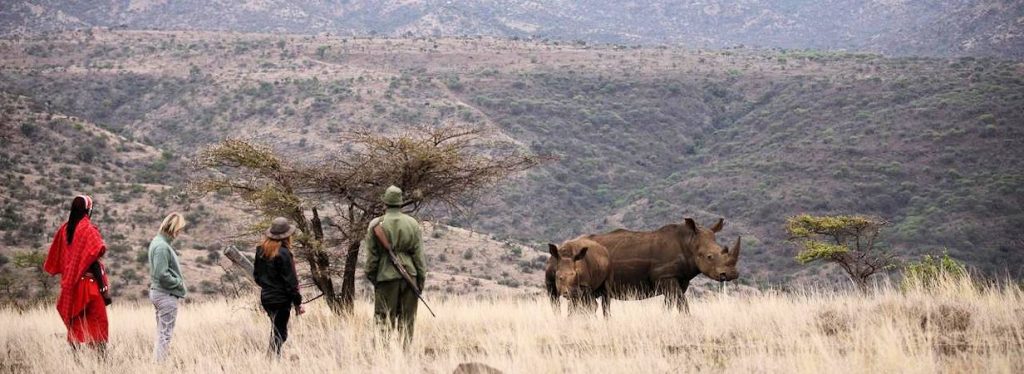
Walking safaris trade vehicle speed for slow, close-range tracking of spoor, dung and alarm calls. They are usually led by a qualified guide with an armed ranger, and minimum ages are commonly between 12 and 16 depending on the area. Laikipia and the Mara conservancies allow walking, while the main national reserve generally does not.
Fly-in safari: light aircraft instead of long road transfers
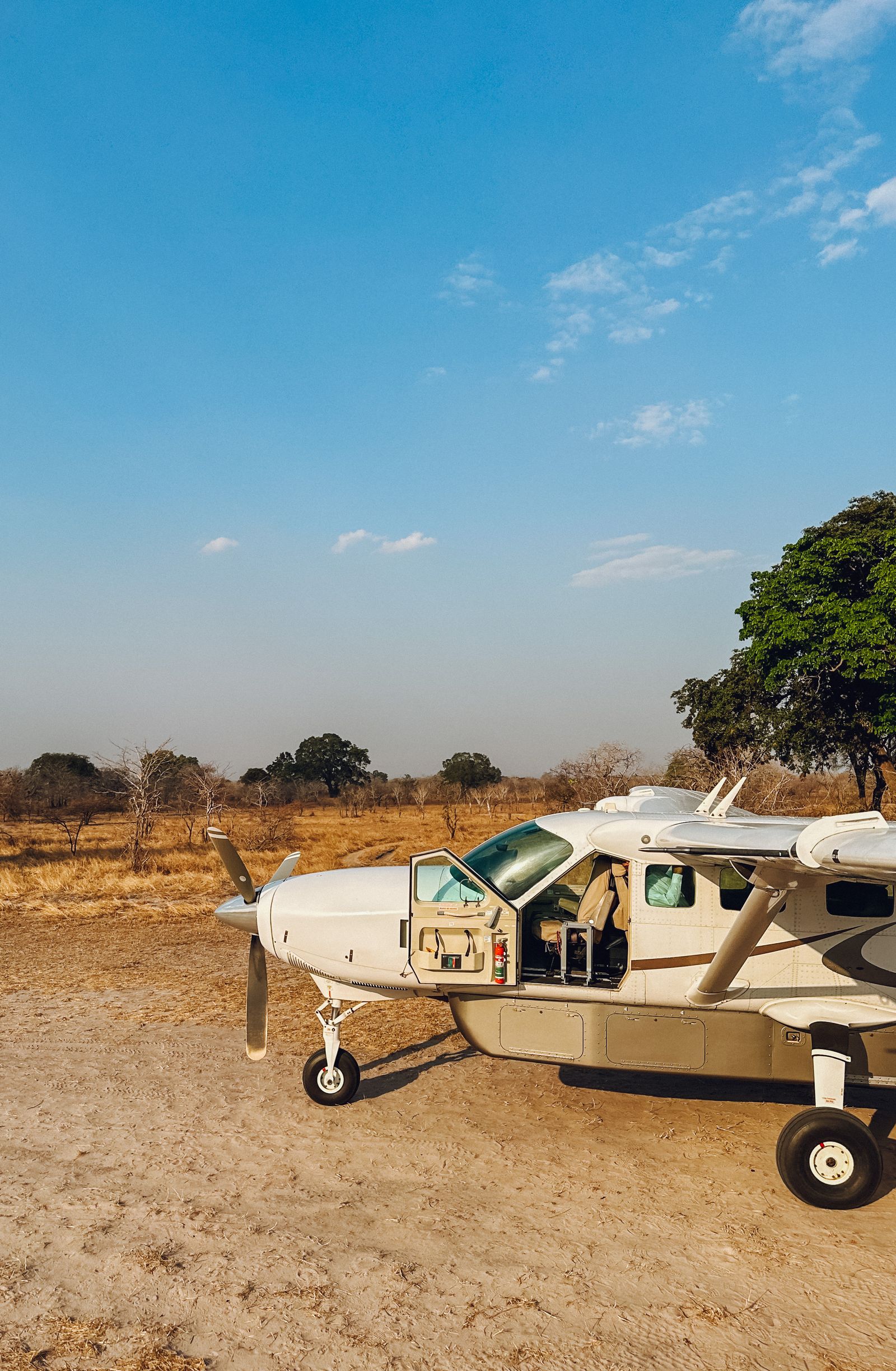
Small planes hop between bush airstrips, often in about an hour, replacing a 5 to 6-hour road transfer. Soft bags are usually capped at around 15 kg per person. Our Fly-in Masai Mara Luxury Safari is built entirely around skipping the road time, and our fly-in vs road safari comparison weighs the trade-offs.
Road or mobile safari: the classic overland circuit
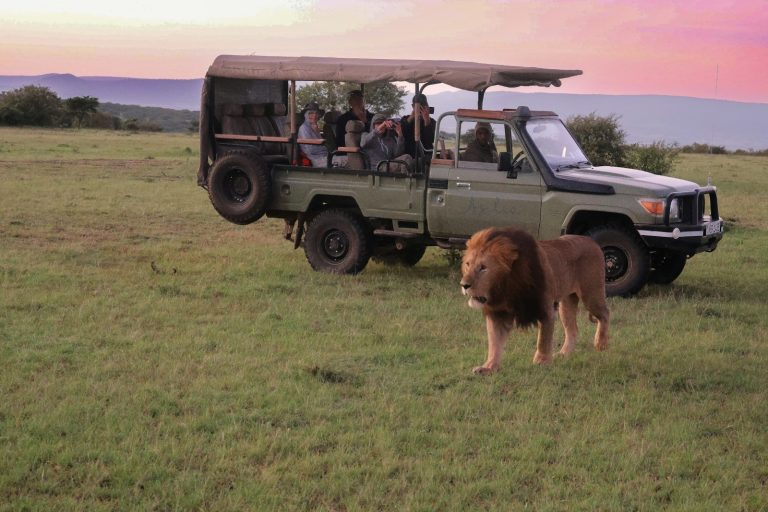
Road safaris cover more parks per trip for less money, moving by 4×4 between lodges or, on mobile trips, between tented camps that are set up at each stop. It remains the most common and most affordable way to see several ecosystems on one Kenya itinerary, and the drives themselves pass through farmland, towns and the Great Rift Valley.
Photographic safari: built around light and vehicle positioning
Photographic itineraries prioritise dawn and dusk light, longer stops at sightings, and conservancies that allow off-road positioning for a clean angle on a kill or a crossing. Vehicles often carry fewer guests so everyone has a window. Our Big Cats Photographic Safari and Great Migration Photographic Safari are both built for this kind of pacing.
Honeymoon and luxury safari: privacy over ground covered
These itineraries trade the number of parks visited for private conservancy camps, exclusive-use vehicles and fewer, longer stays. Couples often book 4 to 7 days in one or two locations rather than a long multi-park circuit, which is the model our Masai Mara Honeymoon Safari follows. See our luxury Kenya safari packages for examples.
Cultural safari: wildlife alongside community visits
Cultural itineraries add guided Maasai or Samburu village visits and community-run conservancies to a game-viewing schedule, giving context to the landscape rather than just the animals in it. Our Northern Kenya Cultural Safari pairs Samburu wildlife with this kind of community access, always arranged respectfully and with local hosts.
Tell Us Your Priorities, We Will Match the Style
Budget, pace, privacy or photography: share what matters most and we will point you to the right package, not just a park.
Match My Safari StyleMore Types of Safari Worth Knowing
Beyond the six main styles, there are several specialist types of safari. Most of them work best as one part of a wider trip rather than the whole holiday.
Mobile camping safari
Of all the types of safari, this is the one closest to the old explorer style. A mobile camping safari means sleeping in tents, either at public campsites or in private mobile camps set up for your group. It is often the cheapest way to safari and the closest to the sounds of the bush at night. Our mobile camping safari guide explains the difference between basic and comfortable camping.
Private vs group safari
Almost all types of safari can be booked either privately or as part of a group. Private safaris give you your own vehicle and guide, so you set the pace. Small group safaris share a vehicle with other travellers to bring the cost down. Our private vs group safari guide compares the two, and our small group safari guide explains how shared trips work.
Family safari
Families can enjoy most types of safari with a little planning. Family safaris use shorter drives, family rooms or tents, flexible meal times and child-friendly activities. Some camps have minimum ages, so it pays to plan carefully. Our Kenya family safari guide covers ages and parks.
Horseback safari
Horseback riding is one of the most memorable specialist types of safari. For confident riders, a horseback safari in Laikipia or the Chyulu Hills brings you remarkably close to plains game such as zebra, giraffe and eland. Our horseback safari guide sets out the riding level you need.
Hot-air balloon safari
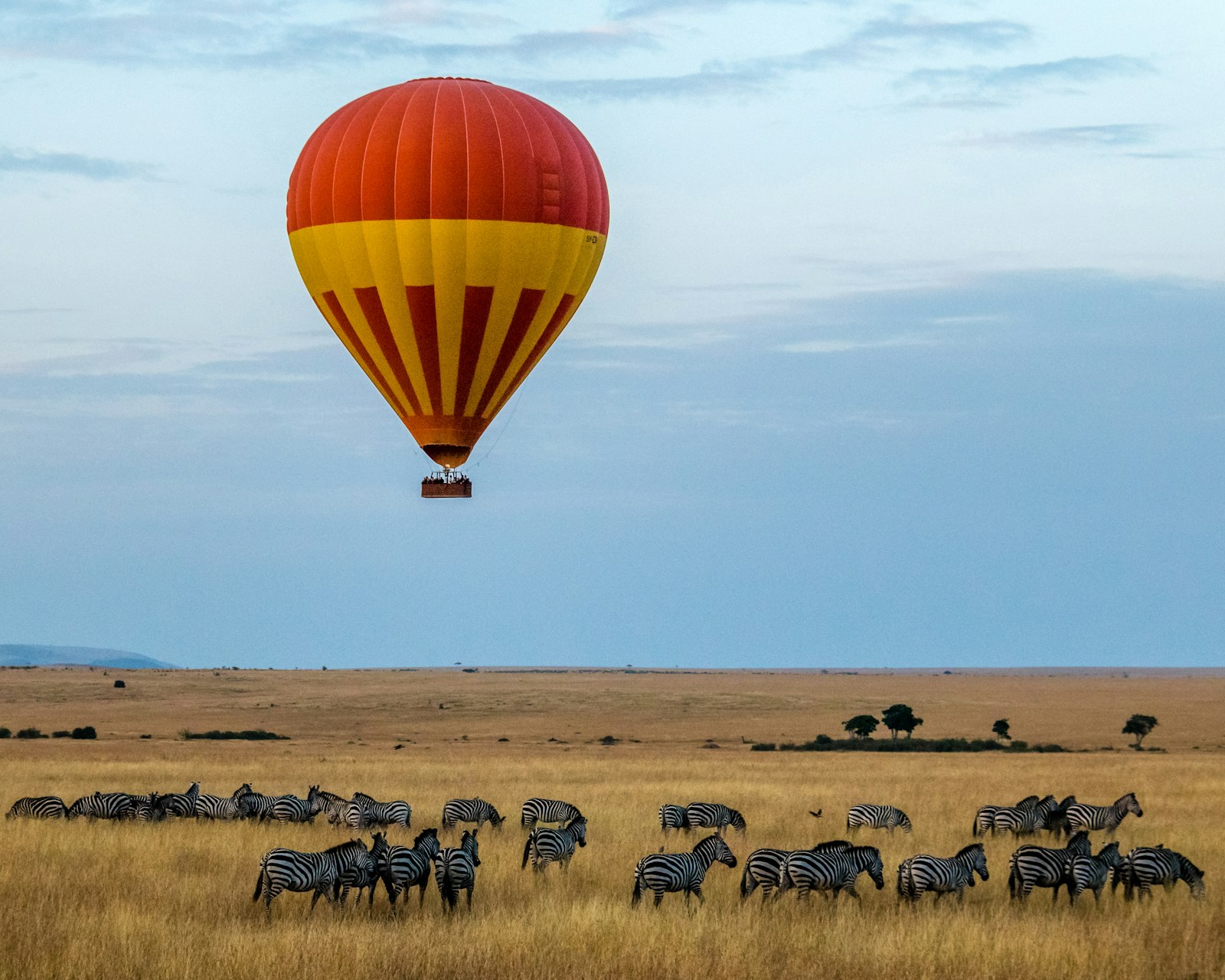
A balloon flight at sunrise over the Masai Mara is a once-in-a-lifetime add-on, usually ending with a bush breakfast. Read our hot-air balloon Masai Mara guide for what to expect.
Night game drives
Night drives are among the most underrated types of safari activity. Drives with spotlights reveal a different cast of animals, from aardvarks to leopards on the hunt. They are allowed in private conservancies but not in most national parks; our night game drives guide lists where.
Primate trekking safari
Gorilla and chimpanzee treks in Rwanda and Uganda stand apart from other types of safari: on foot, in forest, with strict permits. Many guests add them to a Kenya trip; see our gorilla trekking from Kenya guide.
Bush and beach safari
Bush and beach trips combine two types of safari holiday in one. Ending a safari with a few nights on the Indian Ocean coast is one of the most popular combinations in Kenya. Our safari and beach guide explains the logistics.
Self-drive safari
Self-drive is the most independent of all types of safari. Self-driving is possible in some Kenyan parks but demands experience, local knowledge and careful planning. For most first-time visitors, a guided trip is safer and sees more. Our self-drive vs guided safari guide compares the two.
Types of Safari Compared Side by Side
This table brings the main types of safari together so you can compare cost, pace and who each one suits.
| Type | Relative cost | Pace | Best for |
|---|---|---|---|
| Road safari | Low to mid | Busy, many parks | First-timers, value |
| Fly-in safari | High | Relaxed | Short trips, comfort |
| Walking safari | Mid to high | Slow, active | Repeat visitors, fit travellers |
| Camping safari | Low | Adventurous | Budget, nature lovers |
| Photographic | Mid to high | Long sightings | Keen photographers |
| Luxury or honeymoon | High | Unhurried | Couples, celebrations |
| Cultural | Low to mid | Varied | Curious travellers |
How to Choose Between the Types of Safari
Start with four simple questions. How many days do you have? What is your budget per person? How active do you want to be? And do you prefer to see many places or settle into one or two? Your answers usually point clearly to one or two types of safari.
- Under a week and short on time: fly-in, or a road safari focused on one or two parks.
- Watching the budget: road or camping safari, or a small group trip.
- Been on safari before: walking, horseback or a conservancy-based trip.
- Celebrating: a luxury or honeymoon safari, perhaps with a balloon flight.
- Travelling with children: a private family safari with shorter drives.
- Serious about photos: a photographic safari with a specialist vehicle.
Many of the best trips mix several types of safari: a road safari through the Rift Valley, a flight to the Mara, a walk in a conservancy and a beach finish. For a first trip from the capital, our Kenya safari from Nairobi and private Kenya safari pages are a good starting point.
Mix Two Safari Styles in One Trip
Road plus fly-in, safari plus beach, or a game drive plus a walking day: tell us your days and we will sketch a combination that works.
Combine My Safari StylesWhat the Different Types of Safari Cost
The different types of safari vary widely in price. Costs depend on season, group size and lodge level, but our current packages give a realistic starting point for each style:
- Day safari: Ol Pejeta Day Safari from Nairobi, from USD 380 per person.
- Camping: Masai Mara & Lake Nakuru Camping Safari (4 Days), from USD 590 per person.
- Group road safari: Kenya Group Safari: Masai Mara, Lake Nakuru & Naivasha (6 Days), from USD 1,390 per person.
- Cultural: Northern Kenya Cultural Safari (5 Days), from USD 1,500 per person.
- Photographic: Big Cats Photographic Safari (6 Days), from USD 2,600 per person.
- Fly-in: Fly-in Masai Mara Luxury Safari (4 Days), from USD 3,200 per person.
- Horseback: Laikipia Horseback Safari (5 Days), from USD 3,900 per person.
- Walking: Laikipia & Masai Mara Walking Safari (7 Days), from USD 4,200 per person.
Park and conservancy fees add to the cost; the Kenya Wildlife Service publishes national park rates, and our Masai Mara safari packages show what is included. We always confirm a written quote for your dates.
Compare Two Safari Styles in One Written Quote
Send your dates and group size, name the two styles you are weighing up, and we will price both side by side.
Best Time for Each Type of Safari
Most types of safari work all year in Kenya, but timing changes the experience. The long dry season, roughly late June to October, is best for classic game drives and the Great Migration in the Mara. Walking and horseback safaris are most comfortable in the drier, cooler months. Photographers often love the green seasons for dramatic skies and newborn animals, while camping is easiest outside the long rains of about April and May. See our Kenya weather by month guide for detail.
Types of Safari: Quick Reference
- Best for budget and ground covered: road or mobile safari.
- Best for saving time: fly-in safari, often around an hour between hubs instead of 5 to 6 hours by road.
- Best for a close, slow encounter: walking safari, with minimum ages commonly 12 to 16.
- Best for serious camera work: photographic safari with off-road access and dawn-to-dusk pacing.
- Best for privacy: honeymoon and luxury safari, typically 4 to 7 days in one or two locations.
- Best for context beyond wildlife: cultural safari with village and community visits included.
Turning a Safari Style Into a Real Itinerary
Once you have narrowed down the types of safari that suit you, the next step is matching it to a destination and package. Our walking safari Kenya guide and our fly-in vs road safari comparison go deeper into those two specific styles. Browse our photographic safari packages or our honeymoon safari packages to see how each style translates into a bookable, priced itinerary. Before you travel, check the GOV.UK travel advice for Kenya, and browse the official Magical Kenya tourism site for regional ideas.
Expert tip from our Nairobi team
Choose the style for the hardest day of the trip, not the best one. If a 6-hour road transfer would spoil your mood, build in one flight on that leg and keep the rest by road. If you want a walking or night-drive day, place it at a conservancy camp, because most national parks and reserves do not allow either. One well-placed change often matters more than switching the whole trip.
Types of Safari FAQs
What are the main types of safari in Africa?
The main types of safari in Africa are road (game drive), fly-in, walking, mobile camping, photographic, luxury or honeymoon, and cultural safaris. Specialist options include horseback, balloon, primate trekking and bush-and-beach trips. Each trades off cost, pace, privacy and activity differently, so the right one depends on your priorities.
What is the difference between a fly-in and a road safari?
A fly-in safari uses light aircraft to move between camps, often in around an hour, while a road safari covers the same ground by 4×4 over 5 to 6 hours or more. Fly-in trips cost more per day but save time, while road trips see more of the countryside and cost less.
Is a walking safari safe?
Walking safaris have a strong safety record when led by qualified guides with an armed ranger, following strict rules on distance and animal behaviour. Guests are briefed before setting out and walk in single file. Minimum ages are commonly between 12 and 16. Our walking safari safety guide explains the rules in detail.
Which type of safari is best for a honeymoon?
A luxury or honeymoon-style safari is usually best for couples, because it prioritises privacy, exclusive-use vehicles and longer stays in one or two locations. Many couples add a fly-in hop, a balloon flight or a few beach nights, so they spend less time travelling and more time relaxing together.
Which type of safari is cheapest?
A road or mobile camping safari is usually the cheapest type of safari, since it avoids light-aircraft costs and can use simpler camps or lodges. Joining a small group safari lowers the cost further by sharing the vehicle and guide. Travelling in the green season can also bring better rates at many camps.
Which type of safari is best for first-timers?
For most first-timers, a private road safari covering two or three parks is the best balance of value, variety and comfort. Adding one internal flight, for example to or from the Masai Mara, saves a long drive. Walking or horseback safaris are often better saved for a second trip.
Can I combine different types of safari in one trip?
Yes, and many of the best itineraries do. A common mix is a road safari through the Rift Valley lakes, a flight to the Masai Mara, a walking morning in a conservancy and a few nights on the beach. Combining types of safari lets you balance cost, pace and variety.
Stop Guessing, Start With the Right Style
Walking, fly-in, camping or luxury: our Nairobi team will design a safari around the way you actually like to travel.
Kenya-based experts. Real local knowledge. Transparent pricing.
Email: info@senseofadventure.co.ke