
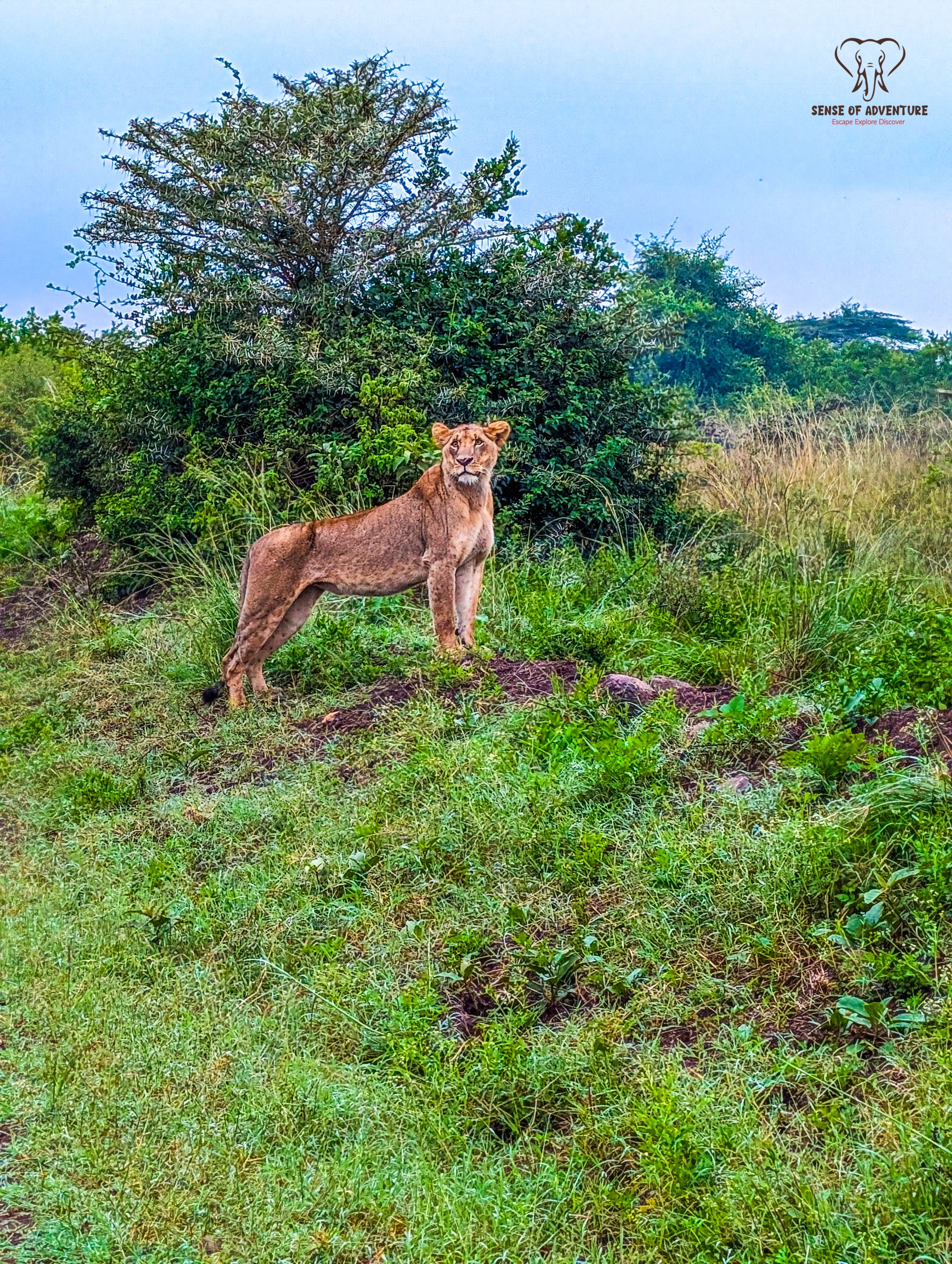
The best time to visit Nairobi National Park is during the long dry season from June to October, when short grass and shrinking water sources make Kenya’s only urban safari park easiest to read — but this is one of the few parks in Kenya where “best time” doesn’t mean “only time.” Because Nairobi National Park is fenced along its northern, eastern and western edges, its signature residents — black rhino, lion, giraffe, buffalo — don’t migrate out during the rains the way plains game does elsewhere in East Africa. A lioness photographed against the Nairobi skyline in April looks much the same as one in August; what actually changes month to month is grass height, light, crowd size and birdlife, not whether the animals are there at all. Here’s what genuinely shifts across the calendar, and which month fits the trip you’re planning.
Plan Your Safari Around the Right Month
Message us your travel dates and we’ll tell you exactly what you’ll see.
Why Nairobi National Park Breaks the Usual Seasonal Rules
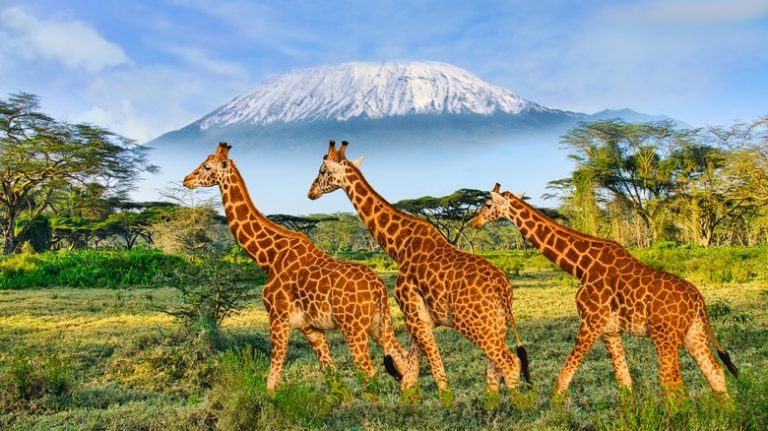
Most Kenyan safari planning revolves around the wildebeest migration or seasonal river crossings, but Nairobi National Park runs on a different logic. Electric fencing along its northern, eastern and western boundaries keeps the park’s rhino, lion, giraffe and buffalo populations resident year-round — they don’t follow rainfall the way the Masai Mara’s migratory herds do. Only the park’s open southern boundary, formed by the Mbagathi River, tells a different story: wildebeest and zebra move freely across it into the adjacent Kitengela plains and back, following the grass, which is the one genuinely seasonal movement inside this particular park. In practice, this makes Nairobi National Park one of the few parks in Kenya that rewards a spontaneous half-day visit in any month — the real decision isn’t whether to go, it’s which trade-off (crowds, rain, light, birdlife) suits your trip.
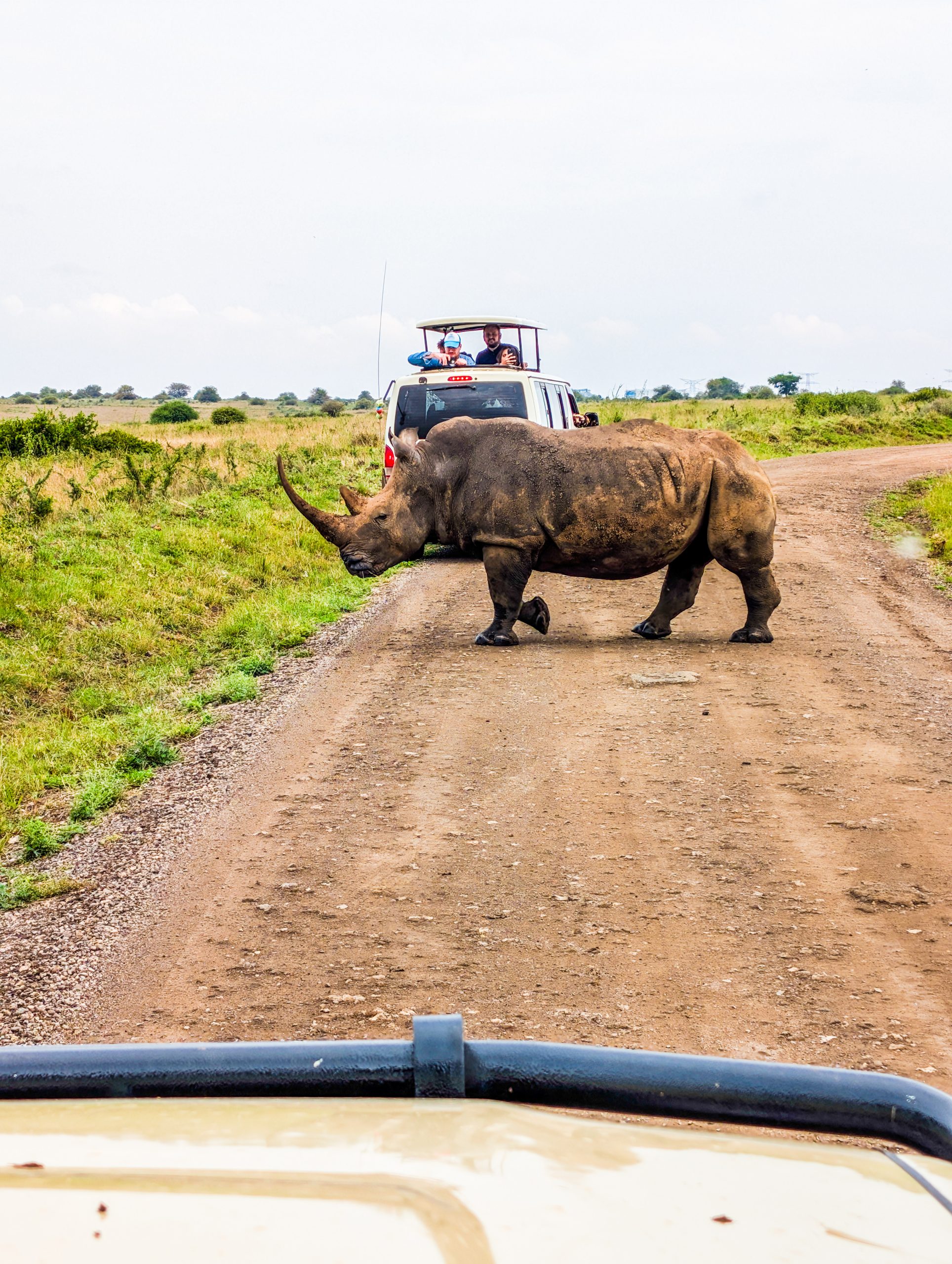
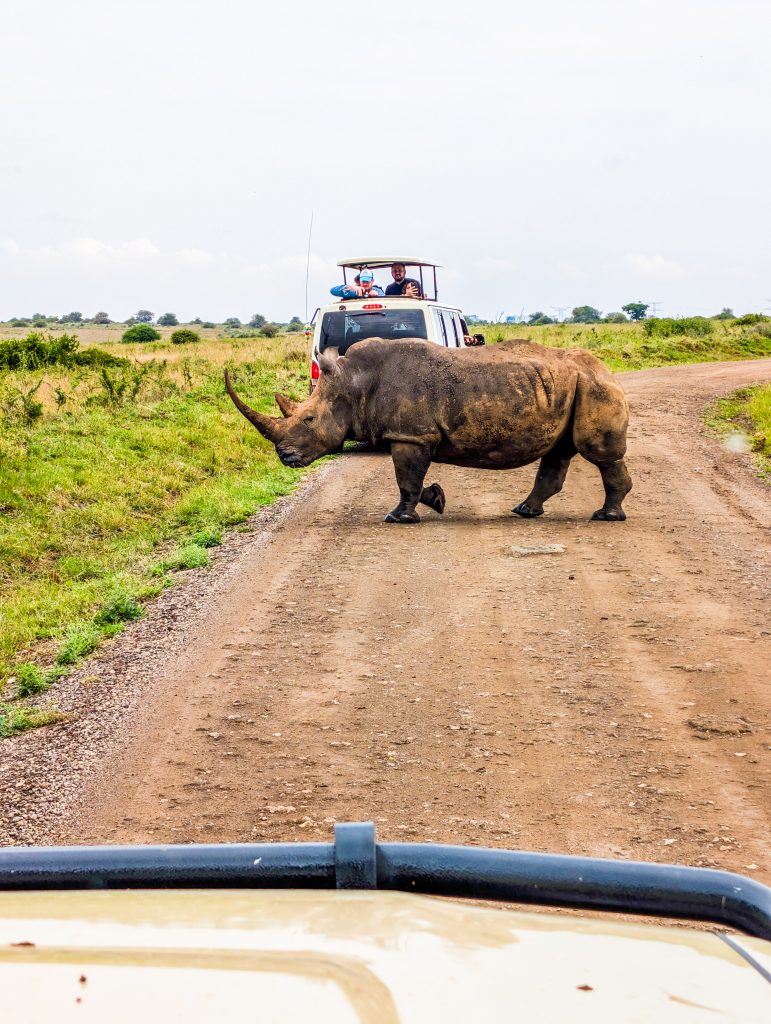
We only had a free morning between meetings and almost skipped it, thinking July was the “wrong” season since we’d read so much about migration timing elsewhere — turned out three lions and a black rhino later that it didn’t matter at all, the guide knew exactly where the resident prides were hanging around that week.
— Sense of Adventure guest, Nairobi National Park half-day safari
Nairobi National Park, Month by Month
June to October — The Long Dry Season — peak visibility, busiest months
Kenya’s coolest, driest stretch. Grass is short and thinning, water sources shrink to a handful of dams and pans, and wildlife concentrates around them — this is when lion and rhino sightings are most reliable. It’s also the busiest window, overlapping with the same peak season driving visitors to the Masai Mara and Amboseli, so expect more vehicles at popular spots like the hippo pools and the rhino-heavy Athi Basin.
Late December to February — The Short Dry Season — warm, mostly dry, fewer crowds
A genuinely underused alternative: warm temperatures, mostly clear skies, and noticeably thinner crowds than the June-October peak, since most visitors haven’t connected this window to good game viewing. Grass hasn’t fully regrown from the short rains yet, so visibility stays reasonable.
March to May — The Long Rains — lush scenery, migratory birds, quietest months
Kenya’s heaviest rainfall, concentrated in April in particular. Grass grows tall and thick, making some game spotting harder, but this is genuinely the best window for birders — Palearctic migrants join the resident population, pushing the park’s bird list toward its full 500+ species, and dramatic storm-light skies make for the strongest photography of the year. Afternoon showers are common but rarely last long enough to cancel a morning drive.
November — The Short Rains — brief afternoon showers, lush and quiet
A short, often-overlooked shoulder season. Rain tends to arrive as scattered afternoon showers rather than all-day downpours, roads stay driveable, and the park is noticeably greener and quieter than peak season — a reasonable pick if your dates simply fall in November and you don’t want to reschedule around it.
Whatever Month You’re Landing In, We’ll Time It Right
Message us your dates and we’ll build the game drive around the season you’re actually visiting in.
Nairobi National Park Weather & Timing Facts
- Long dry season: June to October — the coolest, driest months and the most reliable for wildlife viewing.
- Short dry season: late December to February — warm and mostly dry, with noticeably fewer visitors than mid-year peak season.
- Long rains: March to May, heaviest in April — lush scenery and the strongest birdwatching window of the year.
- Short rains: November — brief afternoon showers, roads generally stay driveable.
- Best time of day: gates open at 6am; 6-9am gives the coolest temperatures and the most active predators before the day’s heat sets in.
- Year-round residents: black rhino, lion, giraffe and buffalo are fenced in and don’t migrate — visible in any month, unlike migration-dependent parks such as the Masai Mara.
Planning Your Visit
Once you’ve picked your month, check our entrance fees breakdown and game drive guide for what to expect once you’re through the gate, or go straight to booking our Nairobi National Park Day Safari.
Book the Right Month for Your Nairobi National Park Safari
Message us your travel dates — we’ll confirm what’s in season and get you booked.
Frequently Asked Questions
What is the best month to visit Nairobi National Park?
June to October, the long dry season, offers the most reliable wildlife viewing thanks to short grass and concentrated water sources — though because most of the park’s signature wildlife is resident year-round, every month has something worth seeing.
Is Nairobi National Park worth visiting in the rainy season?
Yes — the March-to-May long rains bring lush scenery and the year’s best birdwatching as migratory species arrive, and the short November rains rarely disrupt a morning game drive; the trade-off is taller grass that can make spotting harder.
What time of day is best for a Nairobi National Park game drive?
Early morning, roughly 6-9am when gates open, gives the coolest temperatures and the most active predator sightings before the midday heat sets in.
Does Nairobi National Park have a migration season like the Masai Mara?
Not in the same way. Nairobi National Park’s rhino, lion, giraffe and buffalo populations are resident year-round due to fencing on three sides; only wildebeest and zebra move seasonally across the open southern boundary into the Kitengela plains.
How many days do I need for Nairobi National Park?
A half-day is enough — most visitors cover the park’s game-viewing circuit, including the rhino-heavy Athi Basin and hippo pools, in a 3-4 hour morning game drive, making it a genuine layover-friendly safari.